REVIEW · BERLIN
Berlin: Alternative & Street Art Tour
Book on GetYourGuide →Operated by Alternative Berlin Tours · Bookable on GetYourGuide
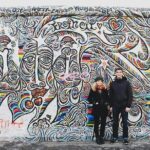
Street art here comes with attitude and context. This 3-hour walk through Berlin’s alternative culture turns murals, graffiti, and oddball hangouts into a living story about punk, techno, politics, and squatting.
Two things I really like: you get guided stops that make photos easy (you’ll know where to look and what you’re seeing), and the guide keeps the tone relaxed while still covering the bigger ideas behind Berlin’s creative resistance.
One thing to consider: it runs rain or shine, and you’re on your feet for about 3 hours, so plan for comfortable shoes and a jacket.
In This Review
- Key things worth knowing before you go
- Berlin’s Alternative Street Art Tour: what makes it different
- Price and value: is $23 actually fair here?
- Getting oriented fast: the meeting point under the TV Tower
- The neighborhoods that set the tone: Mitte, Kreuzberg, Friedrichshain
- Haus Schwarzenberg: street art and alternative Berlin culture in one stop
- YAAM Beach: where music, reggae, and graffiti meet community
- Künstlerhaus Bethanien: contemporary art plus squatting-era activism
- The Treehouse on the Wall: resilience and defiance you can see
- SO36: the punk pulse behind Berlin’s music DNA
- What the guide actually does well on this tour
- Photo strategy: how to get amazing pictures without slowing the group
- Who this tour suits best (and who should skip it)
- A few practical tips before you go
- Should you book the Berlin Alternative & Street Art Tour?
- FAQ
- How long is the Berlin Alternative & Street Art Tour?
- Where do I meet the tour guide?
- Is the tour led in English?
- Does the tour run in bad weather?
- Is the tour wheelchair accessible?
- What is included in the ticket price?
- What is not included?
- Can I cancel for a refund?
- Is the tour suitable for all ages?
Key things worth knowing before you go
- Mitte, Kreuzberg, and Friedrichshain: the tour covers areas where creativity mixes with pushback.
- Haus Schwarzenberg: street art and alternative Berlin culture right on the walk.
- YAAM Beach: reggae, music, graffiti scenes, and community in one stop.
- Künstlerhaus Bethanien: a hub for contemporary art tied to alternative housing and activism.
- Treehouse on the Wall: ingenuity and defiance made visible.
- SO36: a club with deep punk and eclectic music energy.
Berlin’s Alternative Street Art Tour: what makes it different
Berlin’s not shy about its contradictions. It’s a city where “normal” rules keep getting tested, and you can literally see that mindset on walls, buildings, and temporary structures. This tour leans into that reality, so you’re not just looking at cool street art—you’re learning the why behind it.
I like that the vibe is straightforward. The experience is built around subcultures you can recognize fast (punk rock, techno, political movements, squatting culture), and then the guide connects those dots to what’s painted and built in the city. If you’ve ever wondered how Berlin ended up as a magnet for artists, that’s the point: the city’s creative DNA didn’t show up by accident.
It’s also a practical way to cover serious ground without feeling like a marathon. At $23 per person for 3 hours, you’re paying for the storytelling and the context—street art is everywhere, but it doesn’t explain itself.
You can also read our reviews of more tours and experiences in Berlin.


Price and value: is $23 actually fair here?
At $23 for 3 hours, this is the kind of deal that works when your goal is understanding, not just photos. The included part that matters most is the English-speaking guide, and the tour hits multiple specific stops: Haus Schwarzenberg, YAAM Beach, Künstlerhaus Bethanien, the Treehouse on the Wall, and SO36—plus the surrounding neighborhoods.
What you should keep in mind is that the price isn’t a “transport package.” Transportation ticket isn’t included, and food/drinks aren’t included either. So your total cost depends on how you arrive, whether you want a snack on the way, and whether you’re riding transit.
If you want a low-cost Berlin highlight that doesn’t feel generic, this is a strong value bet. You’re getting concentrated local framing of street art and graffiti culture, not just a walk-by slideshow.
Getting oriented fast: the meeting point under the TV Tower
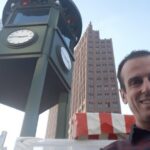
You meet right underneath the TV tower, in front of Vapiano. It’s a busy, easy-to-find landmark area, which matters because alternative culture tours work best when you start the conversation early—before your brain switches into tourist mode.
Plan to arrive a few minutes early so you can settle in. Once the group forms, the guide typically sets expectations around the kind of street art you’ll see and the kinds of stories Berlin tells through it.
The neighborhoods that set the tone: Mitte, Kreuzberg, Friedrichshain
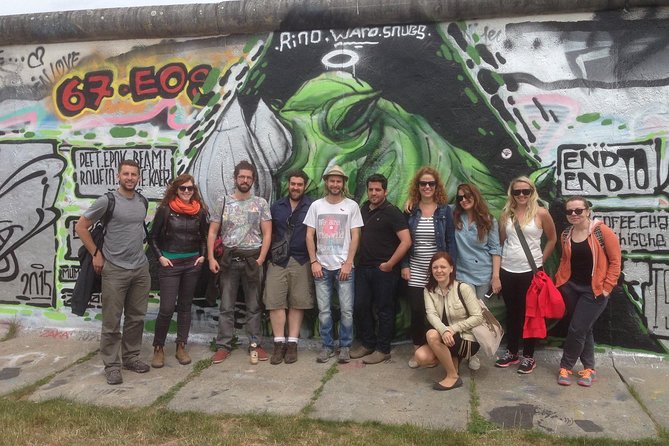
This tour moves through Mitte, Kreuzberg, and Friedrichshain, and that choice is smart. Those districts have a reputation for being where different communities collide—artists, activists, music crowds, and people building their own ways of living.
You’ll feel the contrast in how the streets look and how the atmosphere changes. One moment you’re in back streets with an almost DIY feel, and the next you’re near louder city energy. That “from back streets to big city” rhythm is part of why Berlin’s alternative scene feels real instead of staged.
If you’re the type who likes cities better when they have edges, you’ll get a lot out of the route. If you prefer tightly controlled, postcard-only sightseeing, this may feel more raw—and that’s by design.
Haus Schwarzenberg: street art and alternative Berlin culture in one stop
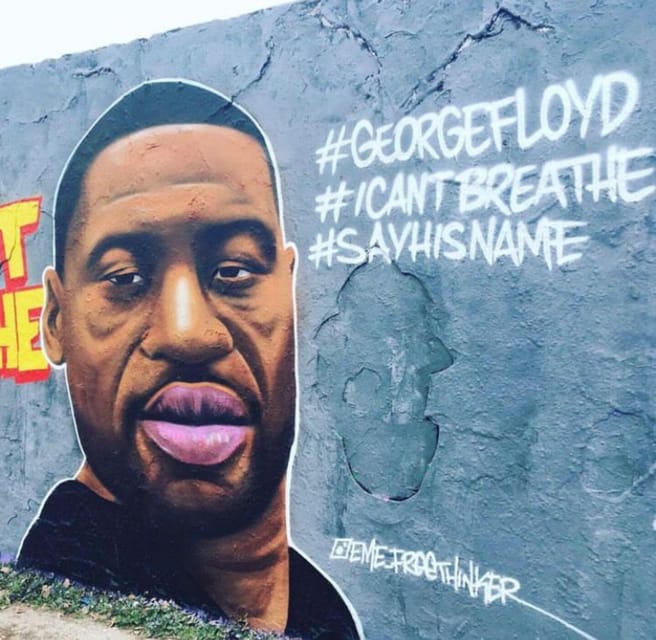
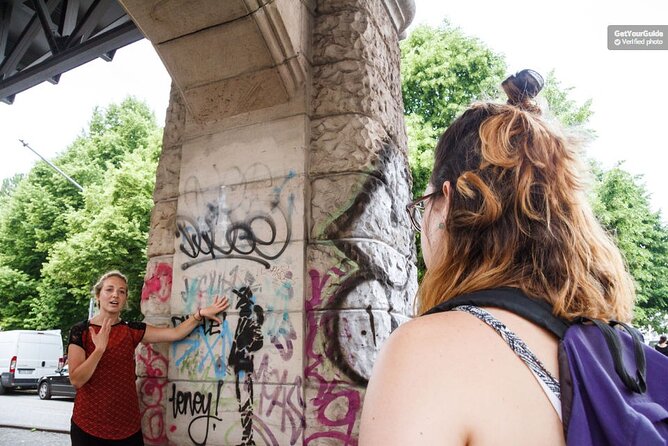
One of the first highlights is Haus Schwarzenberg. This is where you can look at street art as more than decoration. The site is presented as part of the “Alternative Berlin” story, and the guide’s job is to show you how that art fits into the city’s bigger culture of resistance and reinvention.
What I like about this stop is that it encourages you to slow down. Street art can be quick to dismiss—until someone explains what to notice: the style choices, the messages, and the reasons these walls became canvases for people who wanted to be heard.
Practical tip: bring your camera ready. This tour is built around photo opportunities, and Haus Schwarzenberg is the kind of place where a few minutes of careful looking pay off in your pictures.
Possible drawback: because it’s a key photo stop, it can draw attention. If you’re easily stressed by crowds, you might want to take your shots calmly and step back once you’ve captured what you need.

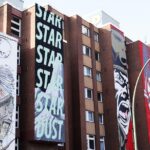
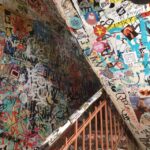
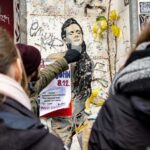
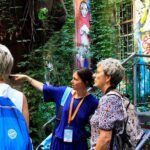

YAAM Beach: where music, reggae, and graffiti meet community
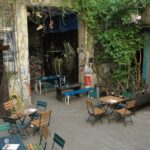
Next up is YAAM Beach, described as a cultural oasis where reggae, music, graffiti scenes, and community converge. Even if you’re not an expert in any one scene, the point is clear: Berlin’s alternative culture isn’t only about walls—it also shows up in how people gather.
This stop gives you a different texture from the more mural-heavy moments. Instead of treating street art like a distant art gallery, you get a sense of it as something lived alongside music and neighborhood energy.
For photo fans, YAAM Beach helps because it’s visually varied. You’ll have more than one kind of background: community vibe, color, and graffiti elements that feel connected to the space.
One consideration: if you visit expecting a quiet, contemplative beach moment, you might find it more social and scene-driven. That’s the charm, but it’s good to know what you’re signing up for.
Künstlerhaus Bethanien: contemporary art plus squatting-era activism
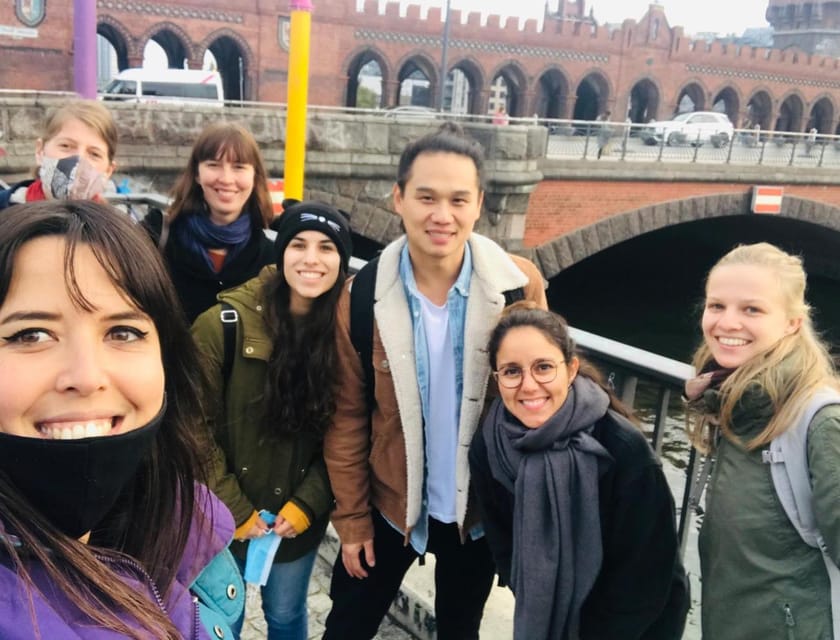
At Künstlerhaus Bethanien, the tour shifts from street-level visuals to the institutions and movements that shaped the scene. This stop is described as a hub for contemporary art and tied to the origins of Berlin’s squatting culture.
That matters. Squatting in Berlin isn’t presented as a vague rebellious legend—it’s framed as a reason artists and activists could keep experimenting with space, housing, and creative life. You see how the art on walls connects to the pressure and possibility of people trying to create their own rules.
What I like here is the balance: you’re not just learning names of places. The guide helps you understand why those places exist and why they’re part of the city’s identity.
Photo note: you’ll likely get great angles here too, but don’t race through. Take a minute and read the visual cues around you. The contrast between street art energy and a more organized art hub makes the story click.
The Treehouse on the Wall: resilience and defiance you can see
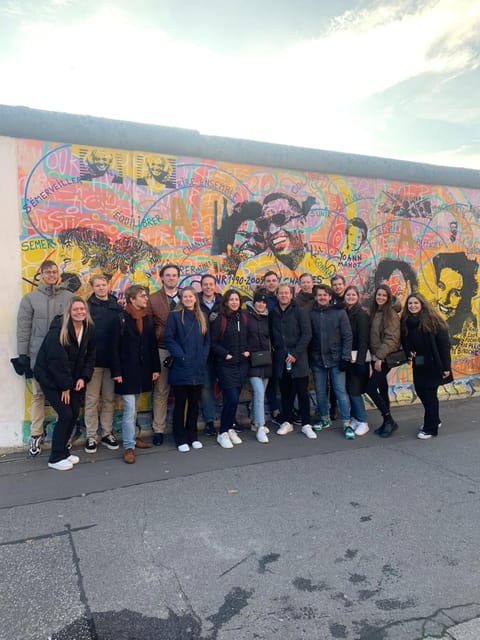
The Treehouse on the Wall is presented as a symbol of ingenuity and defiance. That phrasing is useful because it tells you how to interpret what you’re looking at: not just a quirky structure, but a statement about creativity under constraints.
This stop often lands well for people who like Berlin because it’s not only about aesthetics. It’s about problem-solving—people building their own meaning when the city’s rules don’t offer the right kind of space.
If you’re taking photos, this is one of those moments where you’ll want to step back, frame the structure, and then zoom in on details. The best shots tend to come from a quick two-step: wide context first, then character close-up.
Potential drawback: depending on how busy it is, you may need a little patience for a clean shot. That’s normal for popular landmarks, especially those tied to alternative culture.
SO36: the punk pulse behind Berlin’s music DNA
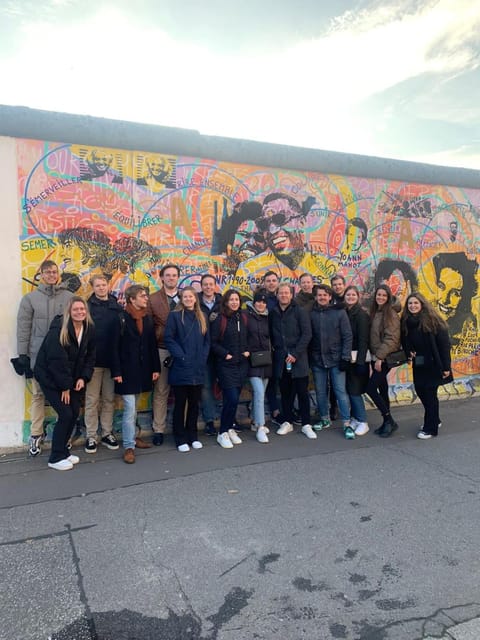
The final standout listed is SO36, described as the legendary club that echoes Berlin’s punk, eclectic, and alternative music heritage. This is a smart ending because it connects the street art visuals to the sounds and subcultures that helped build them.
Berlin’s creative reputation isn’t just about murals. It’s about people finding each other through music, showing up night after night, and turning shared energy into a scene. SO36 is positioned as part of that lineage.
If you’re a music person, you’ll likely enjoy the way the guide connects punk revolutions and the rise of techno in underground terms. The goal isn’t to make you memorize dates—it’s to give you the “shape” of the story so the city’s art stops feel logical.
If you’re not big on clubs, don’t worry. You’re still getting cultural context, and SO36 works as a symbol of how Berlin’s alternative identity keeps regenerating.
What the guide actually does well on this tour
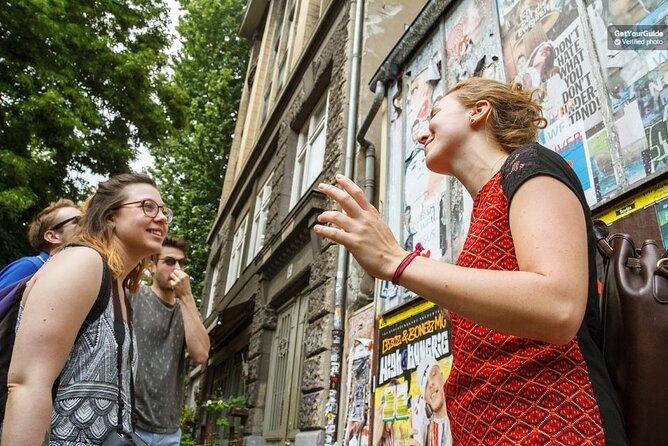
The whole experience depends on the guide being plugged into the local scene. The tour is led by English-speaking guides who are described as deeply connected, with stories drawn from punk rock revolutions, techno’s underground rise, street art and graffiti culture, and squatting movements that reshaped urban living.
From the names associated with past guiding experiences—Damien and Antonio Castello—the common theme is a calm, clear approach that helps you follow the story without feeling rushed. That matters a lot on street art walks, because it’s easy to get lost in visual overload.
If you like tours where the guide explains what you’re looking at, this one has a good chance of matching your style. If you hate talking and prefer silent wandering, you may find the storytelling pacing a little active—though it’s typically presented as conversational rather than lecture-heavy.
Photo strategy: how to get amazing pictures without slowing the group
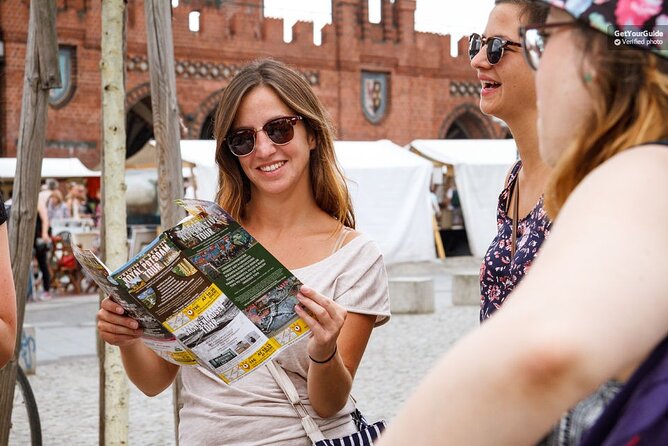
Because the tour explicitly emphasizes foto opportunities, you can treat photography as part of the experience rather than a distraction. Here’s how I’d approach it to get better results fast:
- Use the guide as your cue for what to frame: walls, structures, and the “message” elements.
- Take one wide shot for context, then one closer shot for texture and details.
- Watch timing around stops. If the group moves on, don’t get stuck—grab your angles and keep pace.
Street art changes in time, and Berlin’s walls reflect real-life processes. So the best pictures are usually the ones you take quickly, then refine once the light and angles feel right.
Who this tour suits best (and who should skip it)
This is a great fit if you want:
- Street art and graffiti with real context, not just pretty murals
- A walking tour that covers Mitte, Kreuzberg, and Friedrichshain in a focused way
- Stories about punk, techno, politics, squatting culture, and why Berlin attracts artists
You might want to choose something else if:
- You hate walking for about 3 hours and want a mostly seated experience
- You prefer highly polished, strictly curated sightseeing with no political edge
- You don’t want rain-and-shine planning at all (it runs outdoors regardless)
The tour also says it suits all ages and is wheelchair accessible, which is a big plus if you’re trying to include different mobility needs.
A few practical tips before you go
Because it’s rain or shine, bring a lightweight rain layer even if the forecast looks fine. Berlin weather can change fast, and wet sidewalks turn “photo stop time” into “hold your camera like it’s a treasure” time.
Wear comfortable shoes. This is a walking-focused experience, and the value is in the pacing between stops. If your feet hurt, you’ll miss details.
Also, keep your expectations aligned: this is alternative culture. The art and stories lean on resistance, reinvention, and community identity. If you want only safe, neutral explanations, you may feel a little too much energy in the narratives.
Should you book the Berlin Alternative & Street Art Tour?
Yes—if you want Berlin with texture. This tour is built for people who like cities that show their attitudes on the walls and in the neighborhoods. For $23, the combination of a live English-speaking guide and multiple named stops (Haus Schwarzenberg, YAAM Beach, Künstlerhaus Bethanien, Treehouse on the Wall, SO36) is a practical way to get both street-level visuals and the cultural logic behind them.
Book it if you’re planning to spend time in Mitte, Kreuzberg, and Friedrichshain anyway. Don’t book it if you’re expecting a gentle, postcard-only stroll or you can’t handle outdoor walking in shifting weather.
If you fall somewhere in the middle—curious, open-minded, and ready to look harder—this is exactly the kind of Berlin experience that makes you walk away with new eyes.
FAQ
How long is the Berlin Alternative & Street Art Tour?
It lasts 3 hours.
Where do I meet the tour guide?
You meet right underneath the TV tower in front of the Vapiano restaurant.
Is the tour led in English?
Yes, the tour includes an English speaking tour guide.
Does the tour run in bad weather?
Yes, it takes place rain and shine.
Is the tour wheelchair accessible?
Yes, it is wheelchair accessible.
What is included in the ticket price?
An English speaking tour guide is included.
What is not included?
Pickup and drop-off, food and drinks, gratuities, and a transportation ticket are not included.
Can I cancel for a refund?
Yes. You can cancel up to 24 hours in advance for a full refund.
Is the tour suitable for all ages?
Yes, it is suited for all ages.