REVIEW · BERLIN
Berlin: Private Kreuzberg Street Art Walking Tour
Book on GetYourGuide →Operated by BG Tours · Bookable on GetYourGuide
Street art in Berlin talks back. On this 2-hour Kreuzberg walk, you’ll stand close to huge murals by international artists while learning the political and historic angles that made graffiti more than vandalism.
I like how the tour doesn’t treat street art like a photo-op. It frames the walls as a way people argue, remember, and belong in the city.
What I really liked: you’re led by a guide connected to the street art world. In one praised session, the guide Tijmen was singled out for teaching techniques, not just pointing at pretty walls.
One drawback to consider: if you’re expecting deep, technical instruction every step, that part may depend on the guide you get and how technical they go.
In This Review
- Key moments you’ll care about
- Kreuzberg’s Street Art Is Personal, Not Just Pretty
- Starting at U Schlesisches Tor: Easy to Find, Easy to Join
- The Murals Up Close: What You’ll Really See in 2 Hours
- Kreuzberg’s Story Behind the Paint: Squatters, Community, Politics
- Oberbaumbrücke on the Route: A Landmark With Neighborhood Energy
- How the Private Group Changes the Whole Experience
- Price and Value: $200 Per Group Up to 5
- When This Tour Fits You Best (And When It Might Not)
- Should You Book the Berlin: Kreuzberg Street Art Private Walking Tour?
- FAQ
- Where does the tour start?
- How long is the walking tour?
- How much does the tour cost?
- What languages is the tour offered in?
- Is the tour wheelchair accessible?
- Is luggage allowed?
- Can I cancel for a refund?
Key moments you’ll care about
- Meet at Schlesisches Tor and start right where Kreuzberg energy begins
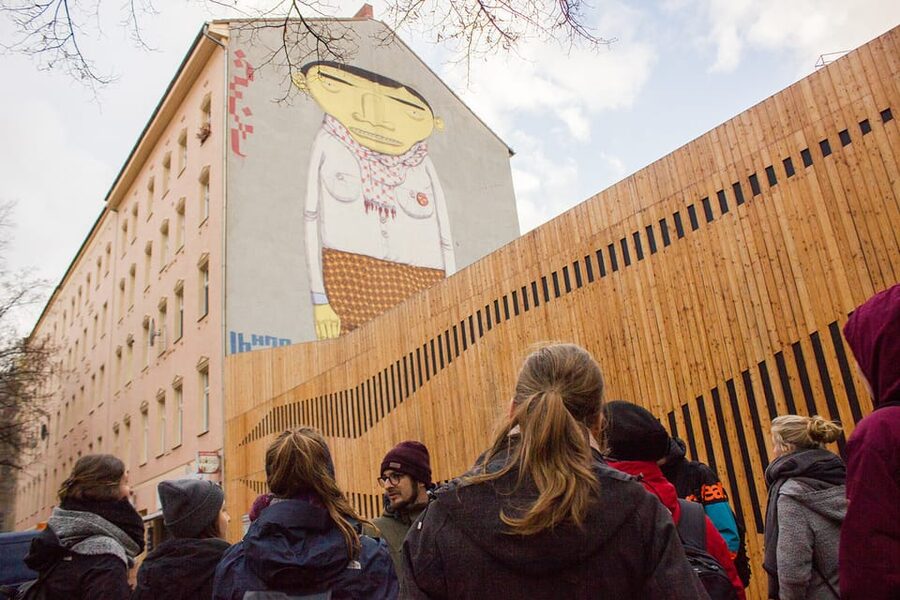
- Big-name and international mural walls you can read from close up
- Graffiti as politics, including squatters and community history
- Hands-on style explanations when the guide has real maker experience
- Oberbaumbrücke mixed into the walking route so you see the neighborhood edge, not just alleys
Kreuzberg’s Street Art Is Personal, Not Just Pretty
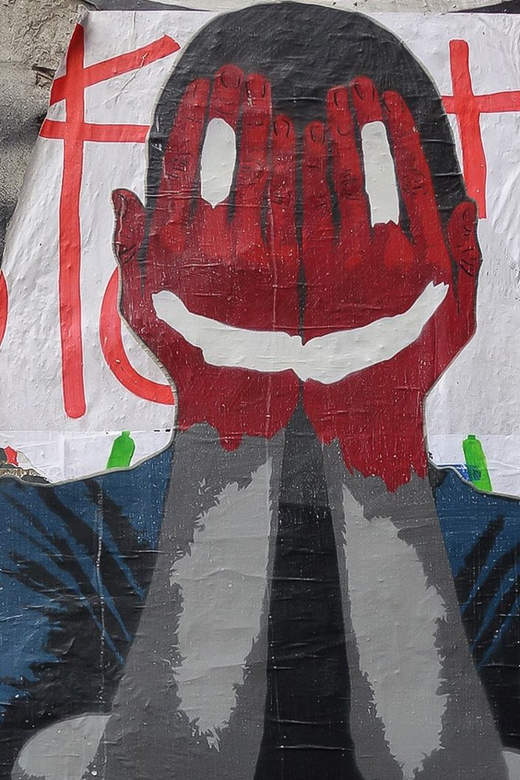
Kreuzberg is the kind of district where art shows up on purpose. You’re not just watching paint dry or admiring a mural from across the street. You’re seeing how walls became a message board for people who didn’t have other loud tools.
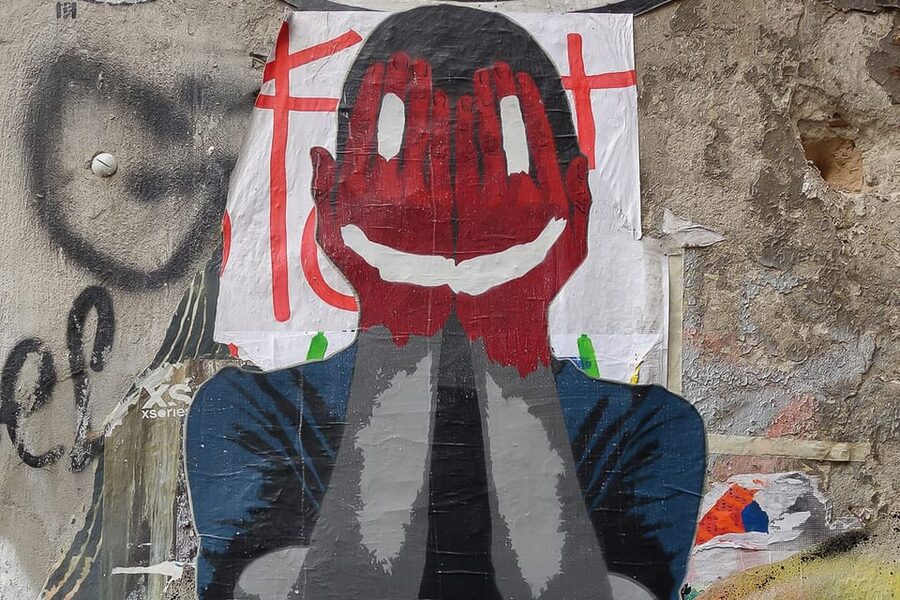
The tour’s strength is that it connects what you see to why it exists. Street art here often sits at the intersection of identity, protest, and survival. The guide talks about the historic and political dimensions of graffiti—so when you spot a tag, a stencil, or a larger mural, you start asking the right questions: Who put this here, who is it for, and what was going on when it appeared?
I also appreciate the way the tour threads in neighborhood change. Kreuzberg was shaped by squatters and by the Turkish community, and that background helps street art make more sense. Even if you only know Berlin from famous landmarks, Kreuzberg adds a different layer: how ordinary street life, nightlife, and culture grew up around these expressions.
You can also read our reviews of more tours and experiences in Berlin.


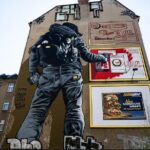
Starting at U Schlesisches Tor: Easy to Find, Easy to Join
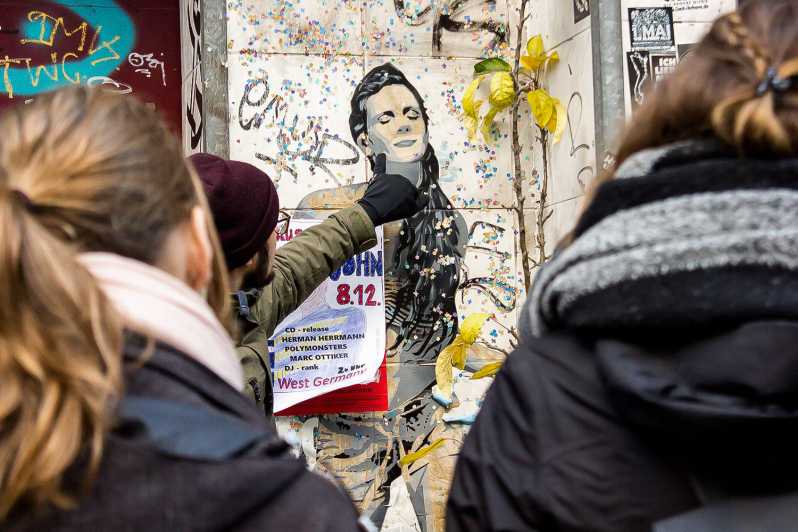
You meet at the exit of the metro station Schlesisches Tor (lines U1 and U3), next to the elevator. That matters more than it sounds. A clear meeting point cuts down stress, especially in a city where you can walk past the right corner and still end up late.
A couple practical notes to plan around: late arrivals won’t be refunded, and luggage or large bags aren’t allowed. If you’re traveling light, you’ll feel relaxed. If you’re carrying more than a small day bag, rethink what you bring—this is a walking tour, and the route likely involves tight spaces.
Since it’s a private group, you’re not stuck in a huge crowd. You can ask questions without shouting, and the guide can adjust pacing if your group has different interests—history-heavy, art-heavy, or just hungry for the neighborhood vibe.
The Murals Up Close: What You’ll Really See in 2 Hours
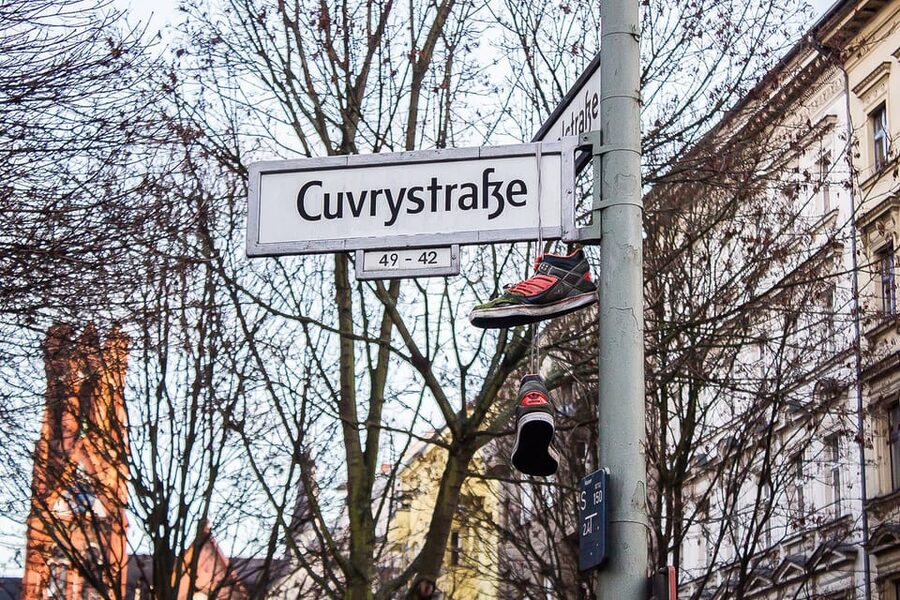
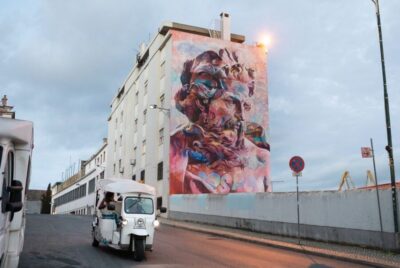
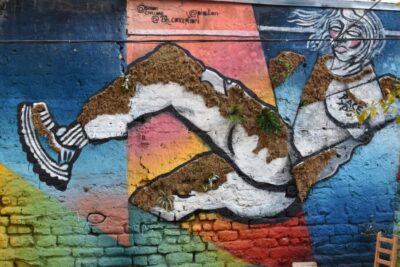
The core of the experience is straightforward: you walk through Kreuzberg and see huge murals by international street artists. These aren’t tiny throw-ups you have to hunt for. You’re looking at large works you can study from different angles as you move.
Here’s what I think makes this part work: you’ll get time to slow down and notice details, not just glance and go. The guide’s job is to help you read the art. That might mean explaining style choices, themes, or how certain techniques translate into the wall’s final impact.
One of the most praised aspects in the supplied feedback was the focus on technique. A guide named Tijmen was specifically praised for teaching techniques and showing great graffiti and other street art. If your guide takes that same hands-on approach, you’ll probably enjoy this more. Instead of treating murals as wallpaper, you’ll understand how makers build the look—layers, speed, tools, and style decisions that affect what survives and what fades.
Even if you’re not an art expert, this is a good tour format because it mixes scale with context. A mural’s size is impressive on its own. Add the political and historic backdrop, and suddenly it’s not just art; it’s a form of communication.
Kreuzberg’s Story Behind the Paint: Squatters, Community, Politics
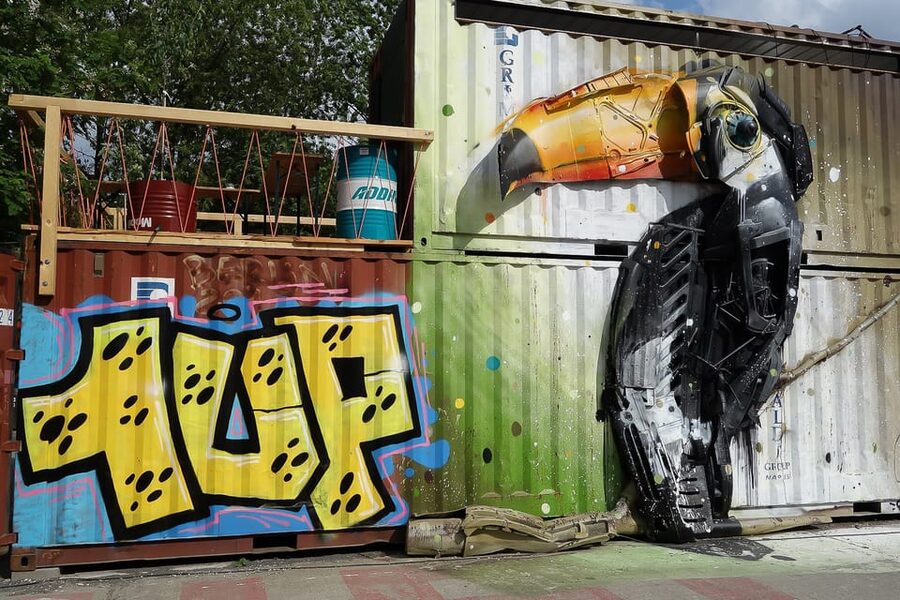
Street art in Berlin didn’t grow out of nowhere. It’s tied to how people used space, challenged rules, and made room for identity. On this tour, you’ll hear about Kreuzberg’s history—especially the time when it was home to squatters and also connected to the Turkish community.
This matters because it changes how you interpret what you see. Graffiti and street art often show up in places where official culture wasn’t meeting everyone’s needs. When the guide explains the historic and political dimensions of graffiti, you start to understand the wall as a public space people claim.
You’ll also connect that history to present-day Kreuzberg life. The district is now known as a hotspot for Berlin nightlife, and the tour treats that as part of the same story: art, identity, and community energy shaping the streets around you.
If you’re the type who likes learning while walking—rather than sitting in a museum—this section is where the tour becomes more than sightseeing. You’ll leave with better context for Berlin’s street scene overall, not only for the specific murals you pass.
Oberbaumbrücke on the Route: A Landmark With Neighborhood Energy
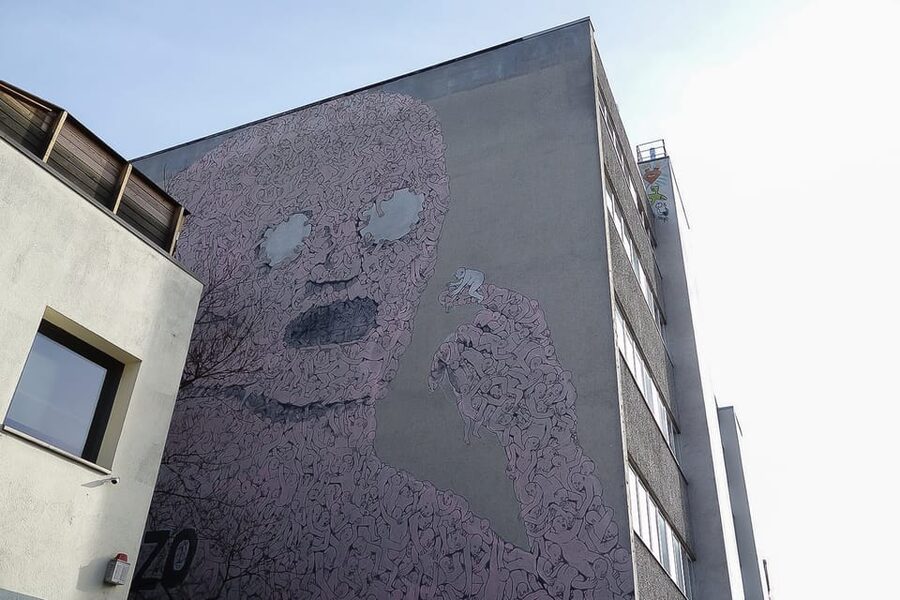
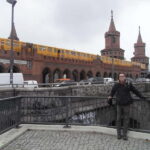
You’ll walk along a recognizable tourist stop too: the Oberbaumbrücke. That’s a smart move because it gives you a visual reset. You’re not just moving from alley to alley; you’re also connecting street art culture to the wider city view.
The practical benefit: it helps you keep a sense of where you are. Kreuzberg streets can feel like a maze if you’re moving on your own. By combining standout neighborhood walking with a major bridge, the tour helps you orient fast.
It’s also a good contrast moment. You get the romantic Berlin postcard view for a minute, then you’re back to the wall-level reality—paint, texture, messages, and the everyday rhythm around cafes, bars, and restaurants.




How the Private Group Changes the Whole Experience
This is a private group tour for up to five people, lasting about two hours. That size is a sweet spot. It’s small enough for real conversation, but big enough that you’re not alone with your guide like you’re stuck in a movie plot.
What changes with a private group is attention. You can ask follow-up questions about techniques, symbolism, or the background story of what you’re seeing. And if your group leans one way—art-first or history-first—the guide can steer.
The pacing is also a factor. One piece of feedback noted that the movement was not much and that it wasn’t a long stop-and-stare format, though hot weather may have influenced that experience. Translation for you: come expecting a relaxed walking tempo with time to look. If you want constant motion and nonstop street-level surprises, you might prefer a faster pace tour.
On the flip side, the trade-off for that calmer rhythm is that you actually notice things. This works well for first-time street art visitors and also for people who want to get beyond basic slogans.
Price and Value: $200 Per Group Up to 5
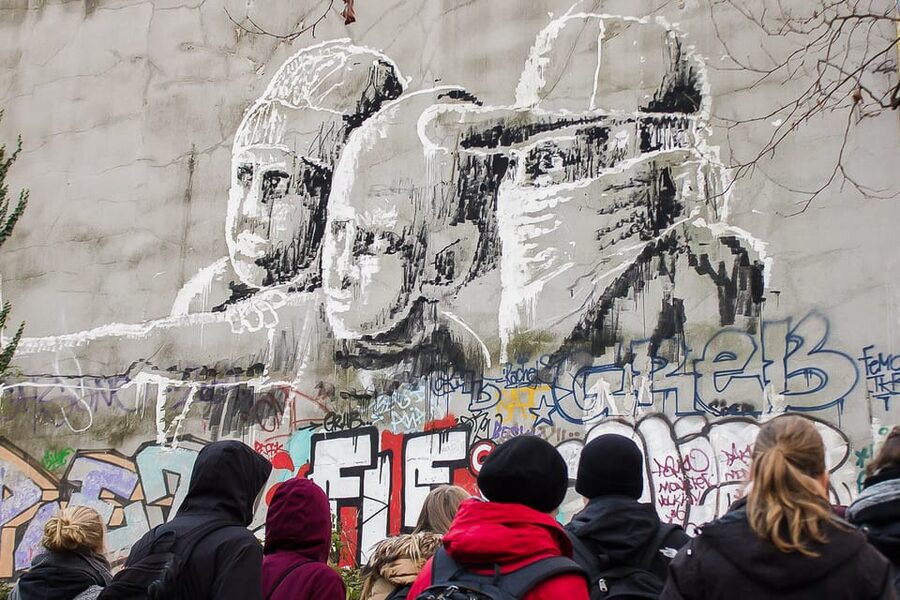
The price is listed as $200 per group (up to five), for a two-hour private walking tour. The value depends on how many people you bring.
- If you fill all five spots, it’s $40 per person for a guided walk through Kreuzberg’s street art scene.
- If you come as just a couple, your per-person cost goes up, but you still get a private setting with room for questions.
What justifies the cost here is not only access to murals. It’s the explanation layer: historic and political context plus guidance that may include real technique talk. When that guide is hands-on—like Tijmen was praised for—the tour becomes closer to a mini crash course in how this art form works and why it matters.
Also, it’s short. Two hours sounds simple, but it’s a practical advantage in Berlin. You can fit it into a day full of other neighborhoods without losing half your daylight.
When This Tour Fits You Best (And When It Might Not)
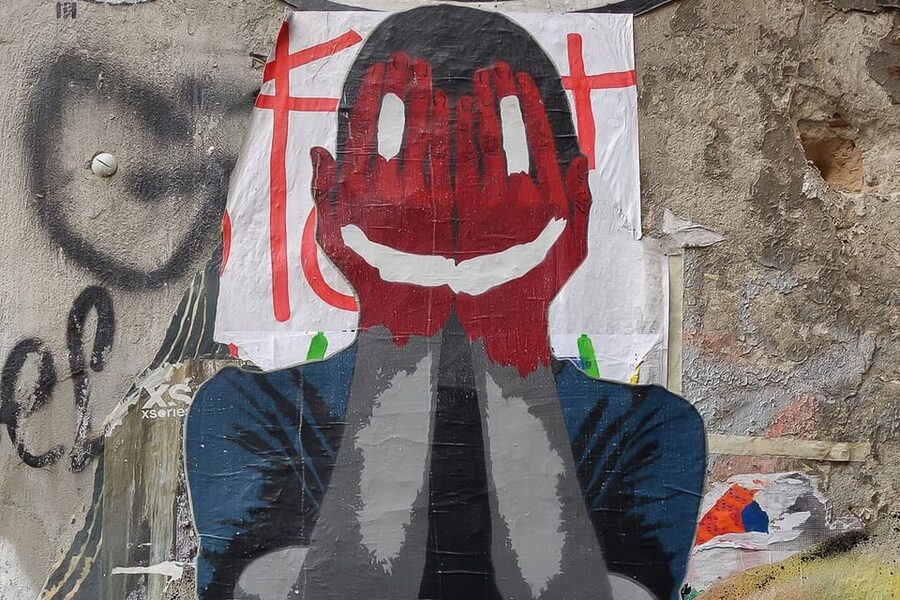
This is a great match if you want street art with context. If you like understanding why a mural exists—how squatters, community, and politics shaped the walls—you’ll enjoy this more than a basic photo route.
It’s also ideal if you want a guide who can talk like someone from the scene, or at least someone who understands it deeply. The feedback highlights that technique-focused explanations can be a standout feature.
It may not be the best fit if your main goal is strict technical instruction every minute. One feedback note complained that the guide’s specialist knowledge was not sufficient and expectations for a more personal style were higher. That doesn’t mean the tour is bad—it means you should choose it with the mindset of a guided street walk with art context, not a guaranteed workshop in spray can mechanics.
Should You Book the Berlin: Kreuzberg Street Art Private Walking Tour?
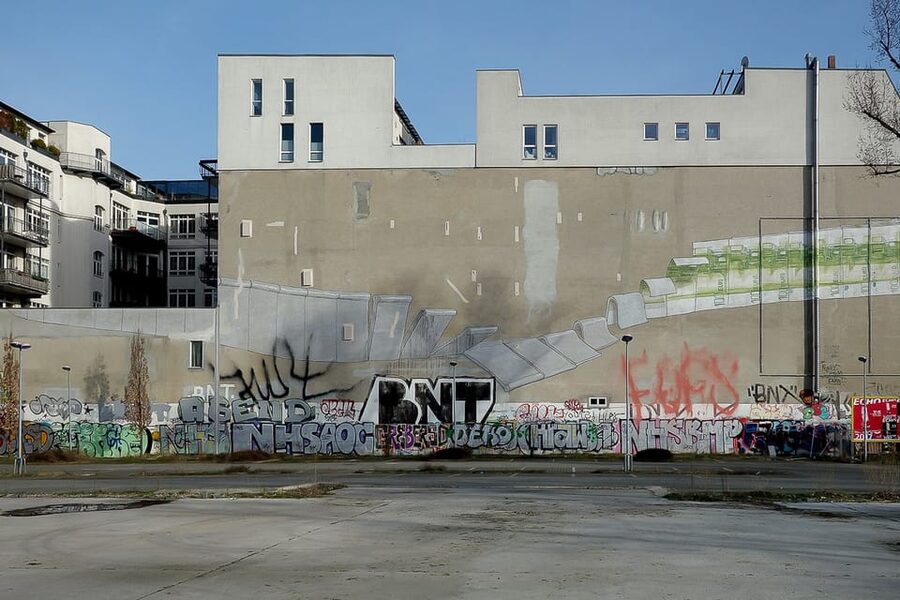
I’d book it if you want two things together: big murals plus real neighborhood context. Meeting at Schlesisches Tor keeps it easy, and the Oberbaumbrücke stop helps you feel grounded while you explore.
I would hesitate only if you’re coming specifically for intense, guaranteed technical training regardless of the guide. Since this is private, your experience will depend a lot on how the guide brings the story—and Berlin street art works best when you’re ready to connect the art to the place.
If that sounds like your kind of walk, this Kreuzberg tour is a strong use of your time.
FAQ
Where does the tour start?
The meeting point is at the exit of the metro station Schlesisches Tor (Lines U1, U3), next to the elevator.
How long is the walking tour?
It lasts 2 hours.
How much does the tour cost?
It costs $200 per group (up to 5 people).
What languages is the tour offered in?
The live guide speaks English and German.
Is the tour wheelchair accessible?
Yes, the tour is wheelchair accessible.
Is luggage allowed?
No. Luggage or large bags are not allowed.
Can I cancel for a refund?
Yes. You can cancel up to 24 hours in advance for a full refund.