REVIEW · BERLIN
Private Alternative Berlin Tour -Murals, Graffiti and Squats
Book on GetYourGuide →Operated by Nadav Jacob's Berlin Experience · Bookable on GetYourGuide
Berlin’s alternative street art has a pulse. This private tour connects the look of the city—murals, graffiti, and Wall art—with the story behind Berlin’s squats and improvisational communities. You’ll get a professional English guide and a walk-and-transit route that keeps you close to the real textures of the neighborhoods.
I especially like two things: how the guide keeps it interactive as you go, and how the route mixes famous Wall graffiti with lesser-seen alley street art. One heads-up: it’s a 2.5-hour walking and public transport style tour, so comfortable shoes really matter.
If you’re curious about Berlin beyond the usual monuments, this is a strong fit. The tour is built around how Berlin became a low-cost magnet for artists, hippies, punks, and house-project life after the Wall—then how gentrification changed the scene while creative spaces still keep moving.
In This Review
- Key highlights
- Why this alternative Berlin tour feels worth your time
- Getting around in 2.5 hours: walking plus public transport
- Potsdamer Platz to the viewpoint: setting the alternative context
- Dead Chicken Alley and Alexanderplatz: from alley art to city scale
- Haus Schwarzenberg: the “living art” part of Berlin
- East Side Gallery: Wall graffiti that earns its time
- Friedrichshain-Kreuzberg and Oberbaumbrücke: ending in the right mood
- Price and value: is $302 for up to 6 people a good deal?
- Who this tour suits best—and who might want a different one
- Should you book this Private Alternative Berlin Tour?
- FAQ
- How long is the private alternative Berlin tour?
- What language is the tour guide?
- Is hotel pickup included?
- Do I need a public transport ticket?
- What should I bring?
- Can I cancel for a refund?
Key highlights
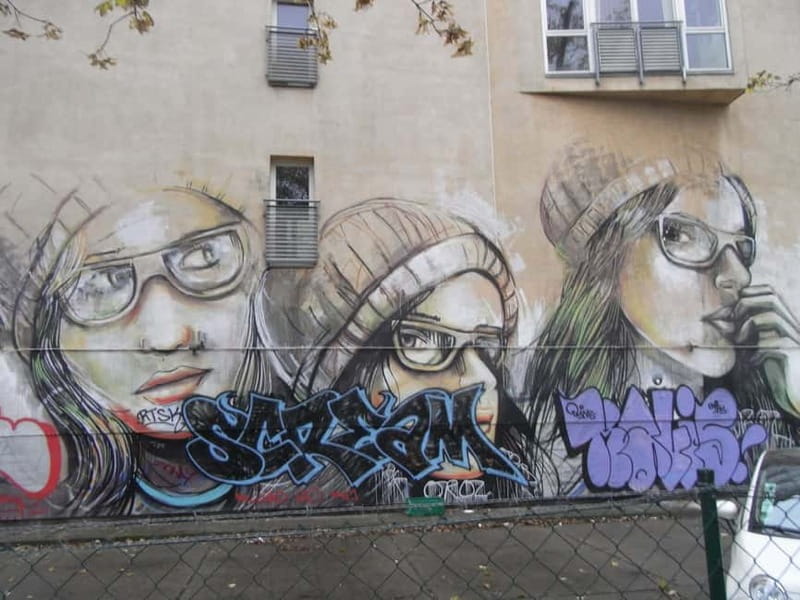
- Private, English-speaking guide focused on alternative Berlin culture and street art
- Wall graffiti and murals including a long stop at East Side Gallery
- Hippie, punk, and squats-adjacent neighborhoods shown in context
- Dead Chicken Alley for alley-level street art energy
- Hotel pickup + local transit approach that keeps the route efficient
- A picture folder with interactive explanations plus WhatsApp help before/after
Why this alternative Berlin tour feels worth your time
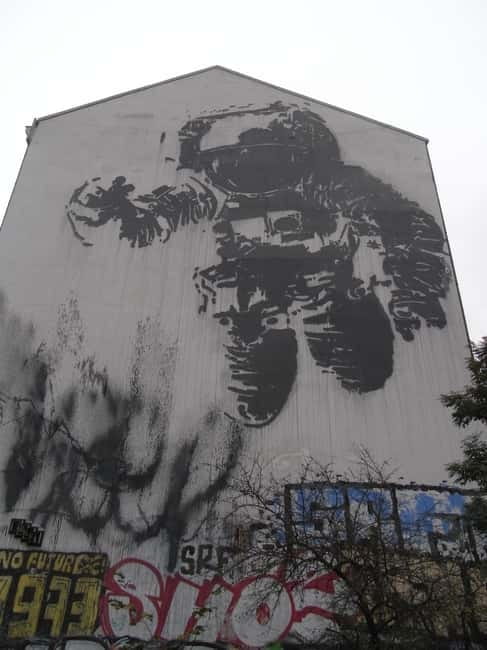
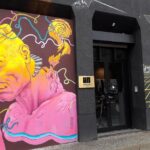
A lot of graffiti tours are basically a photo route. This one has more direction than that. You’re not just seeing art on walls—you’re getting the why behind it: Berlin’s post-war cheap living conditions, the draw for outsiders, and the way squats and house projects formed an ecosystem for creative risk-taking.
Two details make it practical. First, it’s private, so you can steer the conversation if you care more about the Wall era or more about today’s street-level culture. Second, the tour includes a picture folder with interactive explanations, which helps you connect what you’re seeing in the moment to the themes you’ll remember later (instead of the usual blur of stops).
The route also has a good balance: it touches big-name places, but it doesn’t stay there. You’ll hit Potsdamer Platz and Alexanderplatz, then shift toward more alternative spaces and street art corners. That contrast is useful if you want the city’s mainstream map and its counterculture threads in the same afternoon.
You can also read our reviews of more tours and experiences in Berlin.


Getting around in 2.5 hours: walking plus public transport
This is a tight 2.5-hour program, and the structure matters. You’ll start with hotel pickup, then use short segments of public transit between key areas (the schedule includes multiple 10–15 minute transit pieces). That keeps you from doing an all-day hike, but you still need to expect walking during each guided stop.
What’s included is the guide, the private routing, and pickup. What you’ll likely pay separately is transit: plan on a public transport ticket in the range of 4–10 EUR. It’s not expensive, but it’s not free either, so don’t forget to budget a little.
Also bring comfortable shoes. Even if the walking doesn’t sound huge on paper, alley stops and sightseeing viewpoints add up. If your feet get cranky easily, this is the one thing I’d take seriously before booking.
Potsdamer Platz to the viewpoint: setting the alternative context
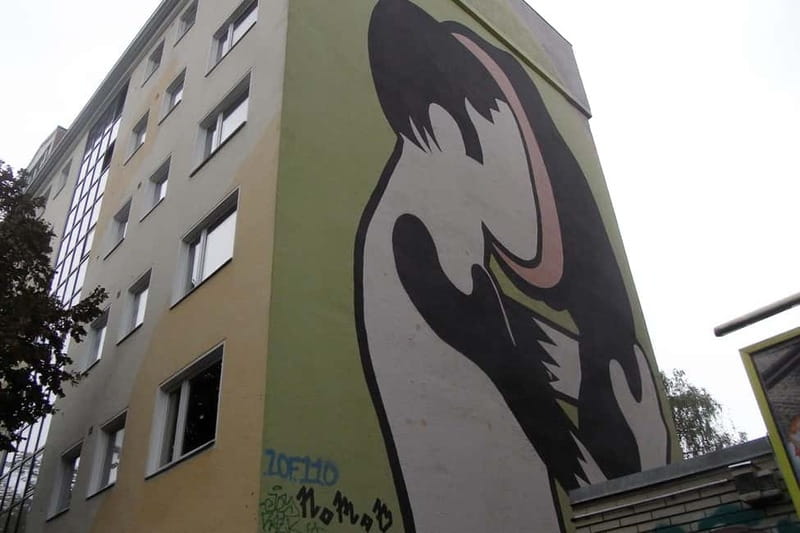
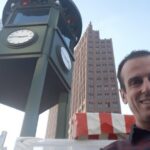
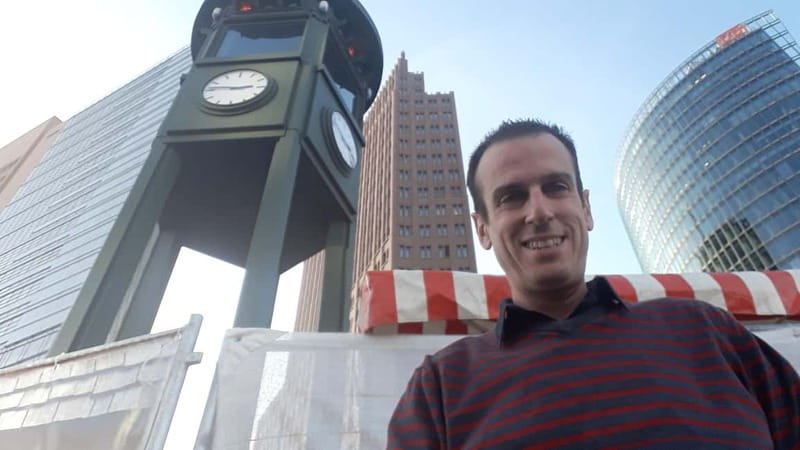
The tour starts with pickup in Berlin, then moves into the city with a short public transport leg. When you reach Potsdamer Platz, you get a guided block of about 30 minutes. Potsdamer Platz isn’t the obvious choice for a graffiti-and-squats tour, and that’s exactly why it’s helpful. It gives you a starting point in the modern city grid before you start chasing street-level storytelling.
From there, you head to a viewpoint for around 10 minutes. Viewpoints are underrated on street art tours because they help you understand the geography of neighborhoods, sightlines, and how different areas connect. Instead of treating the art as random decoration, you start seeing the city as a patchwork.
Then there’s another short transit jump (about 10 minutes) to the next art stop. This pacing keeps the experience moving while still leaving time at each location.
Dead Chicken Alley and Alexanderplatz: from alley art to city scale
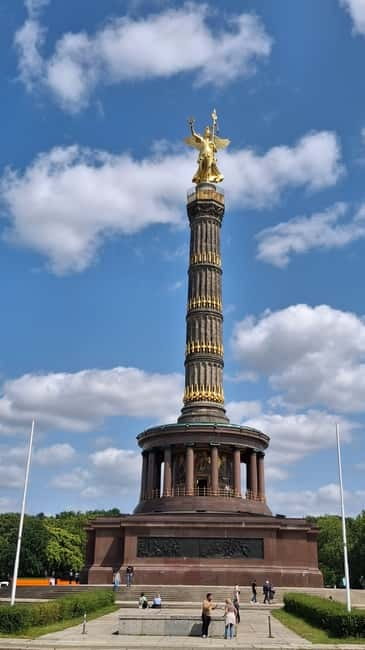
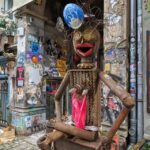
Next up is Dead Chicken Alley, guided for about 10 minutes. This stop is quick, but it’s the kind of place where street art feels close enough to touch—not just a distant mural wall. If you like the raw side of the city’s visual culture, this is one of the moments that makes the tour feel different from the typical “big wall art only” approach.
After that, you roll into Alexanderplatz for around 20 minutes with a guide. Alexanderplatz can feel very central and everyday, which is useful. Alternative Berlin culture didn’t develop in a vacuum; it grew in the same city where people lived, traveled, and argued about politics and art. Seeing it paired with an alley street-art stop helps you understand how counterculture spaces exist alongside official-looking landmarks.
One practical tip: at Alexanderplatz, keep an eye out for how people use space—standing spots, movement patterns, and where walls naturally become canvases. Your guide can point out these micro-signals if you’re paying attention.
Haus Schwarzenberg: the “living art” part of Berlin
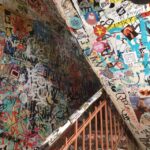
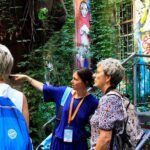
Haus Schwarzenberg is one of the most meaningful stops on this route because it brings the tour’s theme into focus: not only what graffiti looks like, but how creative communities actually function. You’ll spend about 20 minutes there with a guide.
This is where the post-wall story becomes more than background. After the fall of the Wall, Berlin attracted artists and punks thanks to cheap living, and the scene developed across damaged buildings and later abandoned structures in East Germany. Squats, house projects, galleries, and improvisational communities popped up as a response—creative people building spaces when official options weren’t available.
So when you visit a place like Haus Schwarzenberg, it’s not just about a building exterior. It’s about understanding how an art scene can be supported by community rules and shared needs: space, permission (or lack of it), and a willingness to experiment. Even with gentrification’s pressure over time, Berlin still shows signs of that spirit if you know where to look.




East Side Gallery: Wall graffiti that earns its time
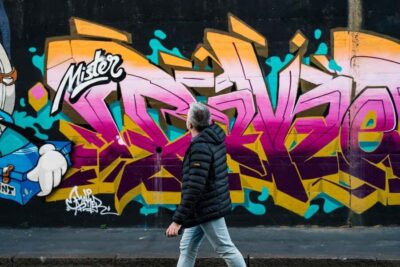
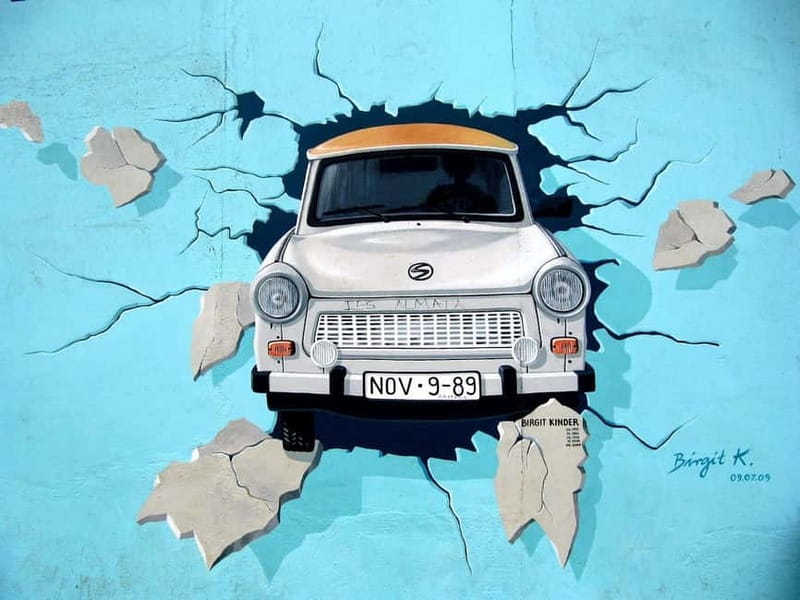
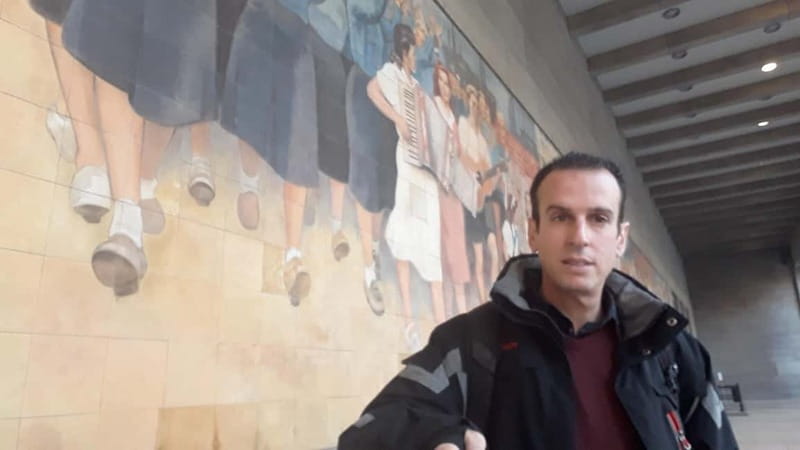
No alternative Berlin street art tour feels complete without the Wall story, and this itinerary gives you the biggest dedicated stop at East Side Gallery—about 45 minutes.
This is your “slow down” moment. Forty-five minutes is enough to see details beyond the first glance: different styles, layers of meaning, and the way artists used the Wall as a public statement. It’s also long enough to get a real explanation of what the Wall-era art represented and how Berlin continued carrying those themes after reunification.
A small strategy that helps: don’t try to memorize everything. Instead, choose two or three sections or themes that catch your attention, and let your guide anchor the story around those. That turns a long gallery into a set of clearer impressions rather than a visual overwhelm.
After East Side Gallery, the route continues with a short segment and then moves toward the neighborhood finish.
Friedrichshain-Kreuzberg and Oberbaumbrücke: ending in the right mood
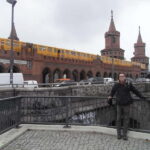
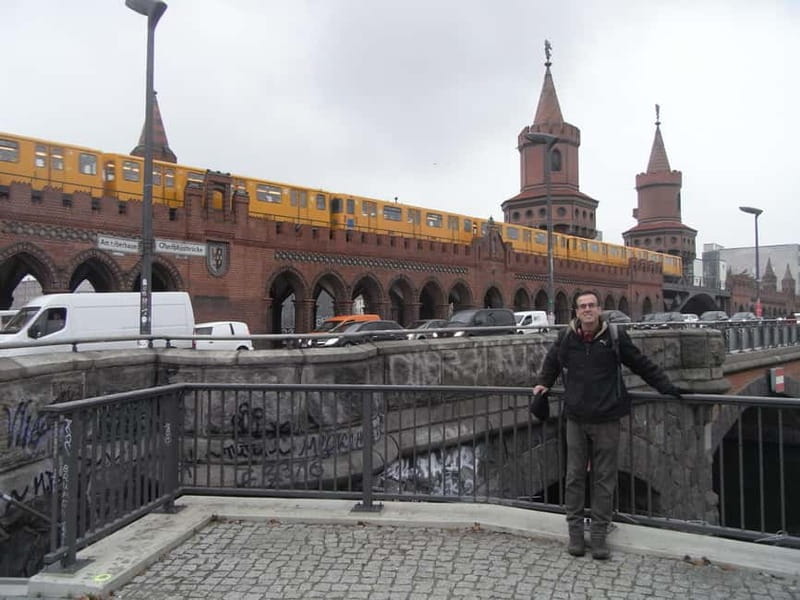
Next is Friedrichshain-Kreuzberg for about 15 minutes, followed by Oberbaumbrücke for around 10 minutes. Together, these stops work like a mood shift: you move from Wall-focused art into the neighborhoods where alternative culture is closely associated.
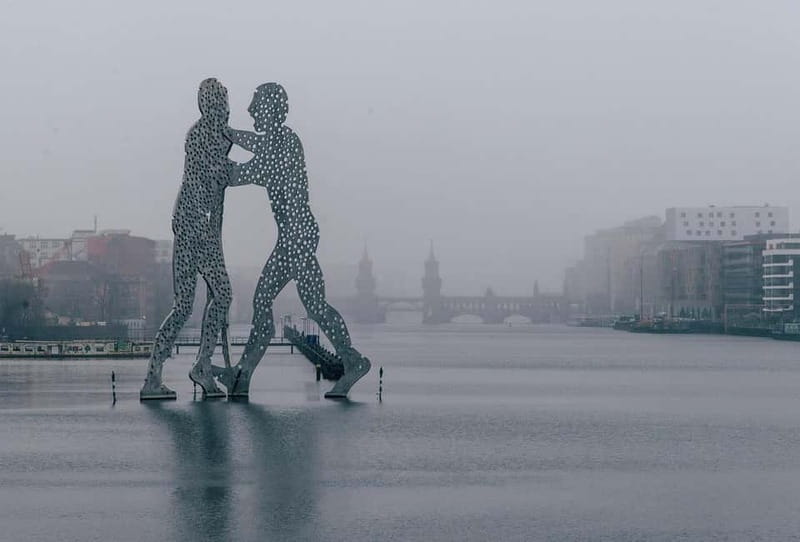
Friedrichshain-Kreuzberg is often where people imagine modern Berlin’s creative scene, and the guided time here helps connect that reputation to what you’ve already learned. Oberbaumbrücke, with its strong visual presence, is a nice closing marker—an easy place to catch your breath while still feeling the city’s layered identity.
If you like your tours to end with a sense of place (not just a last wall), this ending makes sense. It gives you a final look at how Berlin’s geography shapes the stories you’ve been hearing.
Price and value: is $302 for up to 6 people a good deal?
The price is $302 per group up to 6 people for about 2.5 hours. In a private-tour market, that can be good value because you’re paying for the guide and logistics, not for a fixed number of people.
Here’s how I’d think about it:
- If you fill the group close to 6, the effective cost per person drops to roughly $50 each.
- If you’re only 2 or 3 people, the per-person cost rises, so the real question becomes: do you want a private, story-led route with pickup and a tailored pace?
What you do get that helps justify the price:
- Hotel pickup (so less hassle for you)
- Professional English guide focused on murals/graffiti and alternative culture
- A picture folder with interactive explanations
- WhatsApp support before and after the tour for recommendations
What you don’t get (so plan ahead):
- Public transport tickets (4–10 EUR)
- Food/snacks/coffee during breaks (5–15 EUR if needed, per your own choices)
To me, this is best for small groups of friends, couples, or a family unit where everyone wants the same themes and you don’t mind paying for a guided lens. If you’re a solo traveler, it can still work if you value a private pace more than saving money.
Who this tour suits best—and who might want a different one
I think this tour is a strong match if you:
- care about street art as culture, not just as decoration
- want to understand Berlin’s alternative roots linked to the post-Wall era
- like a private format where you can spend more time on the stops that grab you
It may not be ideal if you’re only interested in classic museum-style art or you want a strictly historical lecture with no street-level focus. The emphasis here is living, visible, and connected to everyday neighborhoods.
Also, you’ll get the most out of it if you’re comfortable moving around. This is a walking-and-transit experience—manageable, but not a sit-down, minimal-footprint tour.
Should you book this Private Alternative Berlin Tour?
I’d book it if your Berlin plan includes at least one neighborhood-based, story-led experience tied to graffiti, murals, and alternative Berlin culture. The big advantage is the mix: a private guide, a Wall-art anchor stop at East Side Gallery, and smaller street-art stops that make the overall day feel like more than just famous sights.
One final decision check: ask yourself whether you want to learn the context behind the visuals. If yes, this tour gives you that, and it does it in a way that stays practical—short transit hops, time at key walls, and a guide who can tailor the pace as you go.
FAQ
How long is the private alternative Berlin tour?
It runs for about 2.5 hours.
What language is the tour guide?
The live tour guide is English.
Is hotel pickup included?
Yes, hotel pickup is included, either from the hotel reception or from a location you specify.
Do I need a public transport ticket?
Yes. Public transport tickets are not included, and the tour notes a typical range of 4–10 EUR.
What should I bring?
Wear comfortable shoes, since it’s a fun and easy walking and public transport tour.
Can I cancel for a refund?
Yes. You can cancel up to 24 hours in advance for a full refund.