REVIEW · BERLIN
Alternative Berlin Private Tour with Jacob – Graffiti and Squats
Book on Viator →Operated by Nadav Jacobs Berlin experience · Bookable on Viator
Berlin’s street art has a backstory. This private alternative tour connects big landmarks to the city’s under-the-radar creative scene, with a local guide who knows how to turn a walk into a story you can follow. I liked the personal attention and the way the guide ties Berlin’s past to what you see on walls today.
I also love the practical setup: hotel transfers are included, so you start the day without figuring out routes. One thing to think about: this is an active walking tour with mostly outdoor stops, so comfortable shoes and weather readiness matter.
In This Review
- Key Things You’ll Notice on This Alternative Berlin Tour
- Why This Alternative Berlin Walk Feels Personal With N. Jacob
- Price and Group Value: When $310 Makes Sense
- Pickup, Mobile Ticket, and the Subway Map: Getting There Without Stress
- Victory Column: LGBTQ History in a Place You Can Feel
- Potsdamer Platz: Culture, Cinema, and the Big-Screen Version of Berlin
- Brandenburg Gate: The Wall’s Shadow and the Hippies
- Hackesche Höfe: Renovated Courtyards and Nightlife Energy
- Hackescher Markt: Street Food Makes the Story Taste Real
- Haus Schwarzenberg: Tachles, Squats, and the Dead Chicken Squats
- Warschauer Strasse and the Art of Hanging Out
- Kreuzberg Murals and Graffiti: Where the City Talks Back
- East Side Gallery: The Wall’s Longest Rewrite
- Extras That Make This Tour Easier to Enjoy
- Who This Tour Suits Best (and Who Might Want Something Else)
- The Bottom Line: Should You Book This Alternative Berlin Tour?
- FAQ
- How much does the Alternative Berlin Private Tour with Jacob cost?
- How long is the tour?
- Is this a private tour?
- Is pickup included?
- Are tickets or admission required for the stops?
- What’s included in the tour?
- What is not included?
- What is the cancellation policy?
Key Things You’ll Notice on This Alternative Berlin Tour
- A private guide (N. Jacob) who focuses on Berlin’s alternative culture, not just famous squares
- Hotel pickup included, plus a big subway map if you do need to travel on your own
- Graffiti and squat history at Haus Schwarzenberg and the Kreuzberg street-art route
- Street food context at Hackescher Markt, including where you’ll hear about currywurst and donner kebab
- Clear visual help with an A3 guidance picture folder and a simple route flow
Why This Alternative Berlin Walk Feels Personal With N. Jacob
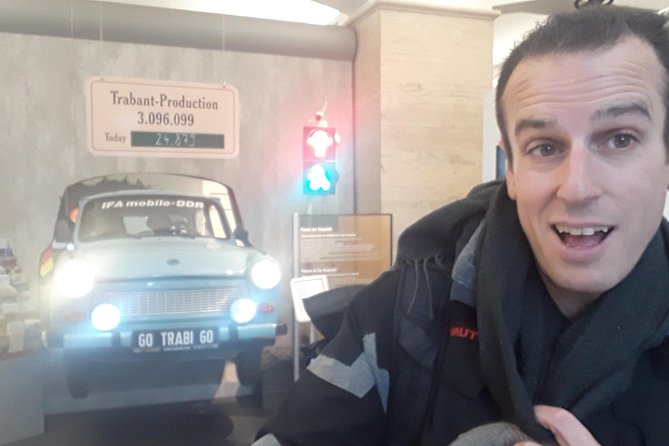
This tour is built for people who like moving. In about 2 hours 45 minutes, you cover nine stops, but the goal isn’t distance. The goal is understanding: how Berlin’s LGBTQ history, Cold War edges, and street culture all overlap on real corners and courtyards.
You get a private tour, so your guide can pace things to your group. That matters on an alternative-themed route because you don’t want to rush past the details. I like when a guide doesn’t just point at walls, but explains why a place matters—like how Berlin uses art and public space to remember difficult chapters, including WWII-era memory referenced through art and memorial themes on the way.
The guide listed here is Nadav Jacobs Berlin experience, and the guide name that shows up for this tour is N. Jacob. That’s a good sign if you want a local who’s comfortable talking about squats, graffiti, and the culture that grew up around them.
You can also read our reviews of more tours and experiences in Berlin.


Price and Group Value: When $310 Makes Sense
The price is $310 per group, up to 15 people. That group-based pricing is often where value shows up. If you’re traveling with friends or a small group, you’re basically paying once for the guide and route, instead of stacking cost per person.
A private walking tour can get expensive if it’s priced per traveler. Here, the group pricing makes it easier to do something more niche—graffiti history, squats, LGBTQ landmarks—without feeling like you have to downgrade to a generic sightseeing bus ride.
That said, it’s still a walking experience. If your group is only two people, the per-person cost can feel higher than a shared tour. This is best when you can spread the group price out and actually enjoy the walk.
Pickup, Mobile Ticket, and the Subway Map: Getting There Without Stress
The big practical win is hotel/apartment/Air B&B/train station/airport pickup in Berlin. You’re not left hunting for a meeting point. You also get a mobile ticket, which makes day-of logistics simpler.
If you do end up using public transport at any point, the tour info flags public transport costs of 3–11 Euro per person (either a one-time ticket or a daily ticket). That’s not included, but at least you’re not surprised.
You also get a big map of the subway system and an A3 guidance picture folder. I like these kinds of extras because they help you make sense of the route while you’re walking, then remember it after. And if you have questions during your visit, there’s WhatsApp availability for help.
Victory Column: LGBTQ History in a Place You Can Feel
The tour starts at Victory Column for about 15 minutes. This stop gives you a foundation: Berlin’s LGBTQ community isn’t just a modern side note. It’s part of the city’s public identity, and Victory Column is the kind of landmark where events like gay parades connect with larger national visibility.
What I like about starting here is that it sets the tone. You’re not only heading toward graffiti and squats. You’re learning how Berlin makes space—sometimes literally—for communities to be seen.
Time tip: since it’s a short stop, listen closely and don’t try to turn it into a long photo session. Save the slow photos for later streets and courtyards.
Potsdamer Platz: Culture, Cinema, and the Big-Screen Version of Berlin
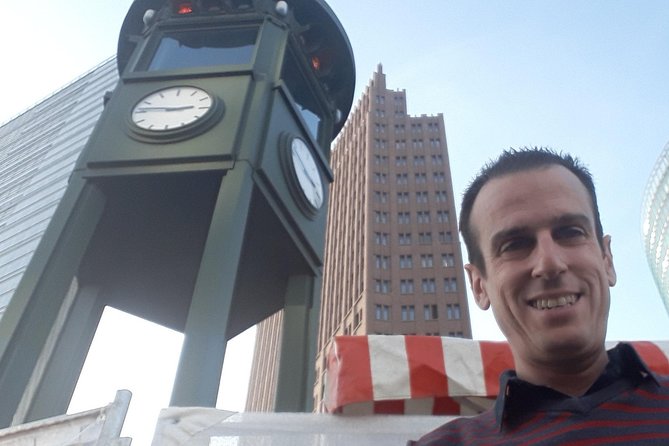
Next is Potsdamer Platz, around 20 minutes. It’s often treated like a commercial hub, but on this tour it’s more than an address. Your guide frames Berlin here as a center of culture, cinema, and business.
That matters for an alternative tour because it shows contrast. Alternative Berlin doesn’t live only in hidden courtyards. It also exists beside the mainstream city—sometimes in tension, sometimes in influence.
Possible drawback: if you’re hoping for only gritty, underground visuals, Potsdamer Platz can feel more polished than the rest of the route. I’d treat it like a chapter change: context before the street art pages begin.




Brandenburg Gate: The Wall’s Shadow and the Hippies
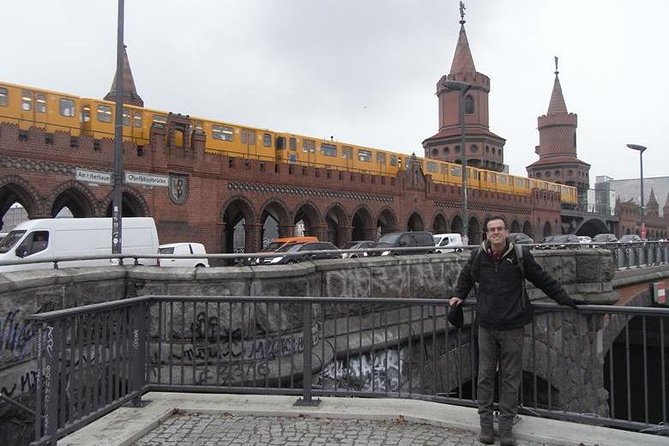
Then you reach Brandenburg Gate for about 20 minutes. Two themes are called out here: the Wall and the hippies.
This is one of those stops where the architecture does part of the storytelling for you, but the guide is what connects it to lived history. Berlin’s Wall era shaped how people moved, gathered, and claimed space. Later, hippie culture adds a counterpoint—how youth and alternative identities flowed through public areas.
If you care about how symbols evolve, this stop gives you that lens without turning into a history lecture marathon.
Hackesche Höfe: Renovated Courtyards and Nightlife Energy
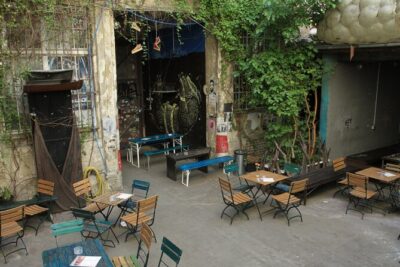
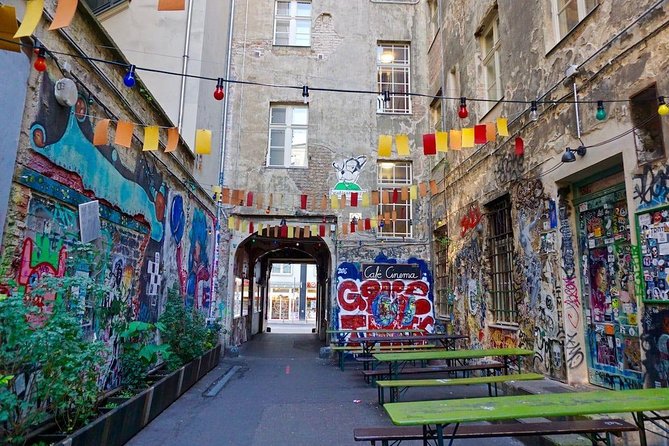
Now you slow down into something more intimate: Hackesche Höfe for about 20 minutes. This is known for renovated yards—courtyards that feel like a maze once you’re inside them. On an alternative tour, that’s a big deal. Courtyards are where Berlin’s culture can hide in plain sight.
You’ll also connect the vibe to nightlife. Even if you’re not going out that evening, you’ll start to understand why people love meeting in these spaces.
Practical tip: courtyards often mean lots of surfaces for photos and some spots where you’ll stand in small groups. Wear shoes that handle uneven pavement and be ready for short bursts of walking between viewpoints.
Hackescher Markt: Street Food Makes the Story Taste Real
After that, you head to Hackescher Markt for about 20 minutes. Here the focus is on street food—specifically where Berlin gets famous for currywurst and donner kebab.
I like food stops on tours like this because they ground the culture. Art and graffiti are part of Berlin’s identity, but so is how people feed themselves after hours. Street food also helps you understand local life beyond landmarks.
One note: the tour info says admission ticket free at stops, but it doesn’t say food is included. Plan to pay for any snacks yourself if you want to eat.
Haus Schwarzenberg: Tachles, Squats, and the Dead Chicken Squats
This is the longest stop at Haus Schwarzenberg, about 30 minutes. It’s where the alternative Berlin theme gets serious and specific, with references to Tachles and the dead chicken squats.
Squat culture can be sensitive, so what you want from a guide is context—why these spaces mattered, how communities used abandoned or contested buildings, and how art became part of the argument for keeping a creative life alive.
This stop is also where graffiti and wall culture feel most linked to real spaces and real communities, not just street-art sightseeing.
Consideration: because it’s a longer stop, your group will move slower here. That can be a good thing if you’re into it, but if your group is strict about timing, set expectations upfront.
Warschauer Strasse and the Art of Hanging Out
Next comes Warschauer Strasse for about 20 minutes—described as the hanging out area of Berlin. That phrasing is important. Alternative Berlin isn’t only performance; it’s also routine: people meeting, lingering, and turning public space into community.
If you want a feel for where modern Berlin culture breathes, this stop helps. It also sets up the next chapters with Kreuzberg murals and the East Side Gallery, where you’ll see how the city’s walls keep talking.
Kreuzberg Murals and Graffiti: Where the City Talks Back
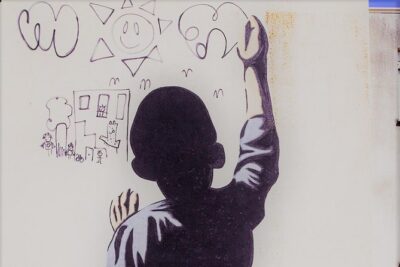
Then you hit Kreuzberg for about 10 minutes, focusing on murals and graffiti. Ten minutes isn’t long, so this is one of those stops where your guide’s focus matters more than your photo time.
This is a good checkpoint to ask yourself what you’re actually looking for: style, messages, artists, or just the overall visual energy. The guide can help you read what you’re seeing so it doesn’t become random decoration.
East Side Gallery: The Wall’s Longest Rewrite
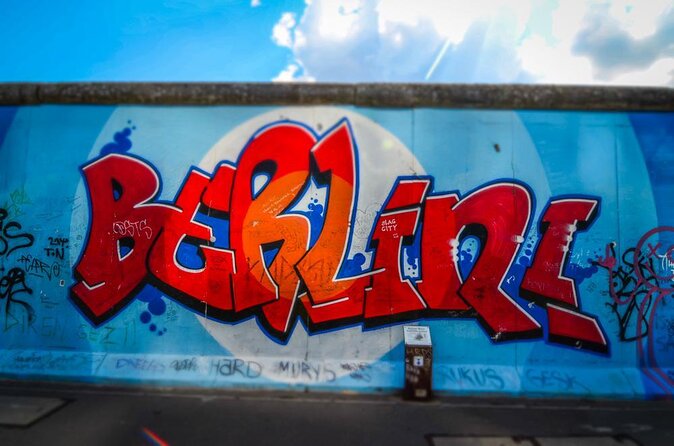
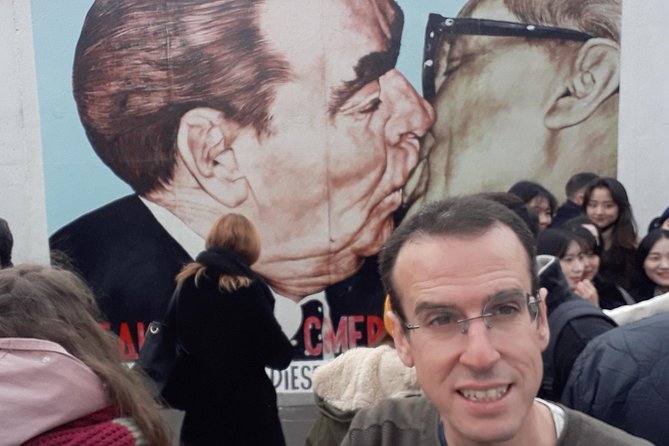
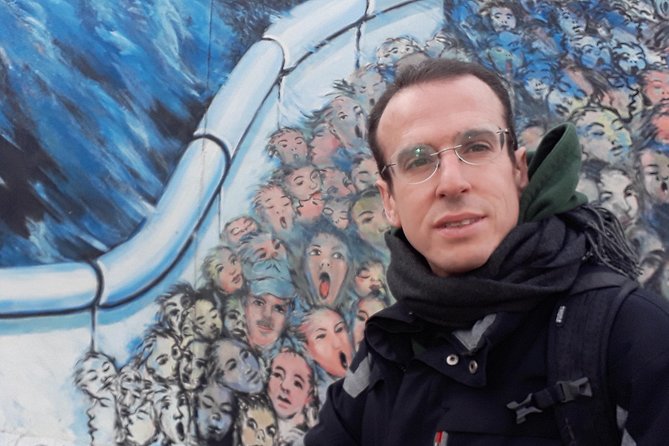
The finale is the East Side Gallery, about 10 minutes, often described as the longest gallery in the world. That kind of claim is catchy, but the real point is that you’re seeing artwork directly on a historic Wall stretch.
This stop ties the whole tour together. You started with LGBTQ public identity. You moved through Berlin’s mainstream symbolism and then into courtyards, street food, and squat/artist space logic. Here, the Wall itself becomes a canvas, and the city’s past and present stay in the same frame.
Quick realism check: 10 minutes passes fast. If you want slower reading of each mural, consider arriving early and staying a bit after the tour ends—if your schedule allows.
Extras That Make This Tour Easier to Enjoy
A few included items make life simpler during the walk:
- A3 guidance picture folder: helpful for follow-along visuals and remembering what you saw.
- Big subway map: handy even if you’re picked up, since Berlin travel plans always shift.
- WhatsApp availability: good if you get turned around or need quick help.
- Hotel transfers and private pacing: reduces friction so you can focus on the culture.
These are not flashy “marketing” extras. They’re the kind of tools that reduce stress, especially in Berlin where neighborhoods feel close on a map but take time on foot.
Who This Tour Suits Best (and Who Might Want Something Else)
This experience fits best if you’re an active traveler who wants Berlin’s alternative cultural scene—graffiti, squats, and street-life context—without doing it all alone. You’ll likely enjoy it most if you care about how identity, politics, and art show up in everyday places.
It also works well for people who like a private guide and want questions answered in real time. With the private tour format, your group gets attention instead of a scripted speed-run.
Skip or rethink if:
- You want mostly indoor museum time.
- Your group hates walking between stops.
- You’re expecting a long food stop with included meals (food is mentioned, but the tour details don’t say it’s included).
The Bottom Line: Should You Book This Alternative Berlin Tour?
If you want Berlin that looks beyond postcard landmarks, this is a strong pick. The combination of LGBTQ history at Victory Column, Wall-and-symbol storytelling at Brandenburg Gate, and then graffiti/squat culture around Kreuzberg and Haus Schwarzenberg gives you a route that feels more alive than a standard sightseeing sweep.
I’d book it if your group can use the group-price value, you like active walking, and you want a guide who can connect art to real context. If you’re traveling on a strict schedule and hate outdoor walking in the weather, you may find the format a bit intense—but for the right style of traveler, it’s a memorable, practical alternative.
FAQ
How much does the Alternative Berlin Private Tour with Jacob cost?
It costs $310.00 per group, up to 15 people.
How long is the tour?
The duration is approximately 2 hours 45 minutes.
Is this a private tour?
Yes. It is a private tour/activity, and only your group participates.
Is pickup included?
Yes. Pickup is included from your hotel/apartment/Air B&B, train station, or airport in Berlin.
Are tickets or admission required for the stops?
The stops listed show admission ticket free, so you shouldn’t need paid admissions for those locations.
What’s included in the tour?
Included items are: a local guide, private tour, pickup, an A3 guidance picture folder, WhatsApp availability for questions or help during your Berlin visit, and a big subway system map.
What is not included?
Public transport is not included (3–11 Euro per person, one time or daily ticket). A private van and driver are also not included unless requested. Bookings bigger than 6 people require contact.
What is the cancellation policy?
You can cancel for free up to 24 hours in advance for a full refund.