REVIEW · BERLIN
East Meets West: Berlin Food Culture & Street Art
Book on Viator →Operated by Fork & Walk - Food Tours Berlin · Bookable on Viator
Berlin can be loud. This tour is louder—in a good way. You’ll move through Friedrichshain and Kreuzberg with a small group, sampling everything from Turkish street eats to hipster coffee while the neighborhood stories play in the background. I love how the guide connects what’s on your plate to what happened on the streets.
Two things I really liked: the lineup of tastings is built for variety, not just one cuisine theme, and you get a focused mix of culture plus visual art—especially around the East Side Gallery and street-art walls. The small group size (max 8) also keeps questions from getting lost in a crowd.
One thing to think about: this is a food-and-walking route, not a full day of blockbuster landmarks. If you’re expecting long stops for big sights, you may feel the time is short at each point.
In This Review
- Key things that make this Berlin tour click
- A midday Berlin walk that makes sense (especially if you hate wasting time)
- Friedrichshain’s edge: where East Berlin vibes start to make sense
- East Side Gallery: touching history through murals on the Berlin Wall
- Kreuzberg and Little Istanbul: food as a map of Berlin’s migration story
- The tasting lineup: schnitzel, currywurst, vegan donuts, and more
- Slava Berlin: Ukrainian soul food and nalivanki in an immigrant-women-led space
- Markthalle Neun: a market hall that survived and kept its purpose
- Street art + WWII-era stories: what you’re really learning at each mural
- Price and value: what $169 is buying in real terms
- Who this tour suits best
- Should you book East Meets West: Berlin Food Culture & Street Art?
- FAQ
- How long is the Berlin East Meets West food and street art tour?
- What’s included in the tour price?
- Do I need to buy a public transport ticket?
- Is the tour available in English?
- Is there a vegetarian option?
- Can I cancel and get a full refund?
Key things that make this Berlin tour click
- Small group, big attention: max 8 people means you’re more likely to get direct answers instead of quick nods.
- East Side Gallery access (with real wall time): you’ll see the still-standing stretch of the Berlin Wall and learn the political street-art angle.
- A tasting circuit across Berlin food cultures: German classics alongside Ukrainian, Turkish, Middle Eastern, and vegan stops.
- Street art isn’t just decoration here: you’ll pair murals with stories tied to WWII-era Germany and the Communist period.
- Market hall energy at Markthalle Neun: a rebuilt 1900s-style hall that still feels like a working food hub.
- You’ll finish full, not snacky: portions are set up so most people skip dinner after.
A midday Berlin walk that makes sense (especially if you hate wasting time)
This tour runs about 3 hours 30 minutes and starts at 12:00 pm, which is smart for Berlin. By lunchtime, you’ve had enough time to get your bearings, and you won’t spend your afternoon wandering hungry and irritated.
You’ll meet at Industriepalast Hostel, Warschauer Str. 43 and end near U Kottbusser Tor (on the U8 and U1 lines). The route is designed as a forward-moving walk, with a moderate amount of walking, so comfortable shoes matter. Bring a rain jacket or poncho if the weather looks even slightly suspicious.
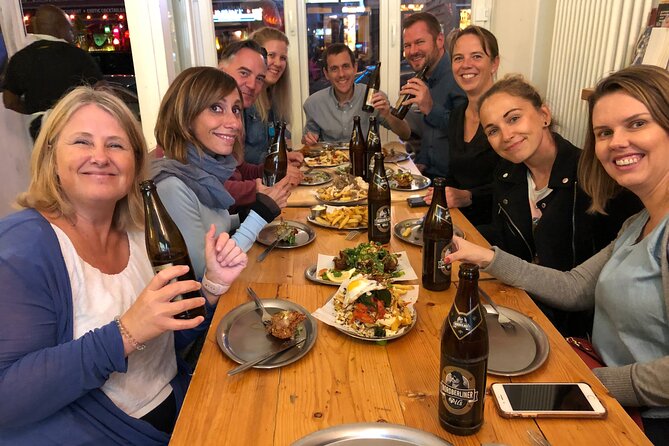
The tour includes beverages and a local Berliner Pilsner beer. If you prefer non-alcoholic options, you can note preferences when you book, since diet and needs are collected ahead of time.
Also: it’s in English and uses a mobile ticket. The operator reconfirms the exact meeting details by email near departure, so watch for that message.
You can also read our reviews of more tours and experiences in Berlin.

Friedrichshain’s edge: where East Berlin vibes start to make sense
You kick things off in Friedrichshain, a neighborhood tied to the energy of East Berlin. Expect the guide to set the tone early: not just facts, but how the area’s identity shaped daily life—especially after World War II and during the Communist era.
This is where the tour earns its East Meets West name. Friedrichshain isn’t presented as a museum district. It’s more like a living neighborhood where history still shows up in walls, streets, and the kind of food people choose.
You only spend a short block of time here, but it’s the kind of start that helps your brain stop treating Berlin as random spots on a map. Then the tour turns the dial from neighborhoods to a specific kind of storytelling: political street art.
East Side Gallery: touching history through murals on the Berlin Wall
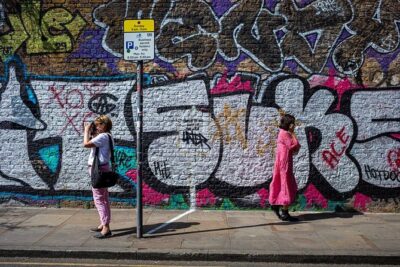
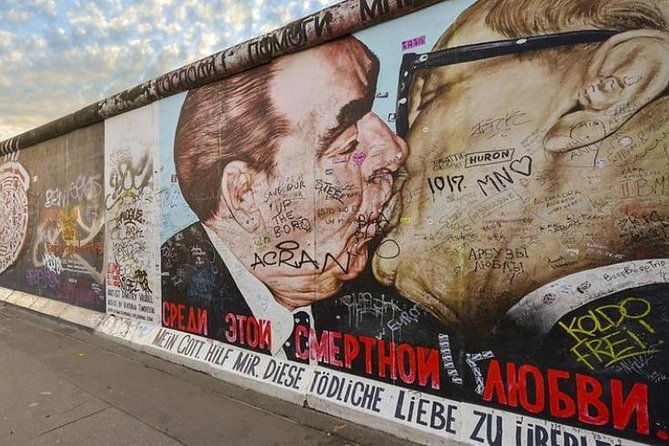
Next up is the East Side Gallery, where you explore the political street art along the longest still-standing stretch of the Berlin Wall. The tour is timed so you don’t just look—you learn what those images meant and why the Wall became a canvas.
You’ll have included time at the actual still-standing part of the Wall, which changes how you look at the photos you’ve seen online. It’s one thing to read about division. It’s another to stand next to painted concrete and realize the messages are still right there.
This stop also sets up the tour’s best habit: history doesn’t sit alone. Your guide ties it to what people did next—how neighborhoods evolved after the city’s split. That’s why the tasting stops that follow don’t feel random.
Kreuzberg and Little Istanbul: food as a map of Berlin’s migration story
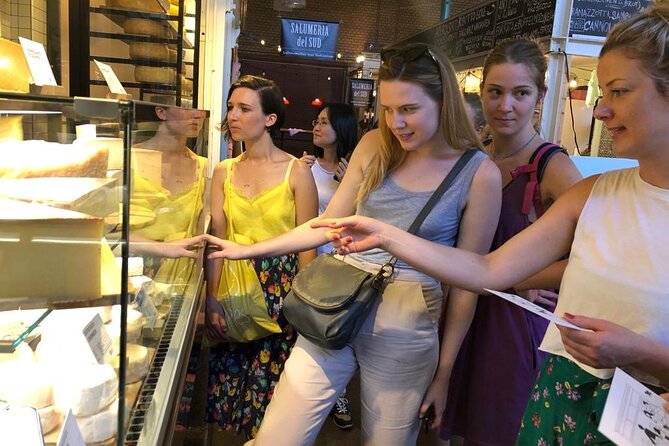
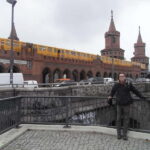
After the East Side Gallery, you cross into Kreuzberg, a former West Berlin neighborhood known for its creative energy and culinary trends. The tour frames it as a place where cultures mix in daily life, not just in restaurants.
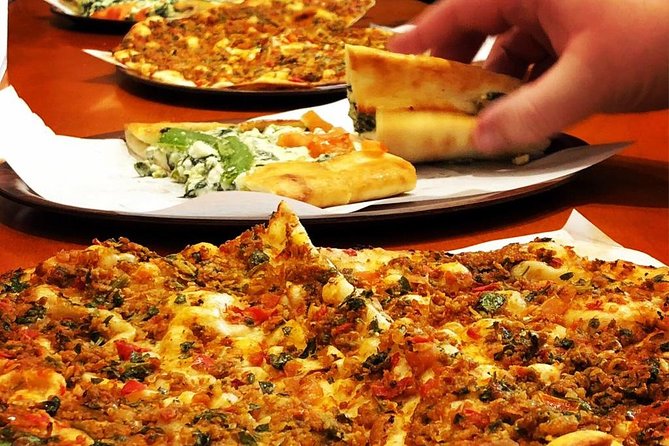
A major theme here is Little Istanbul. Kreuzberg has one of the biggest Turkish communities outside Turkey, and that shows up fast in the food. You’ll get a chance to taste typical street-food recipes tied to the Anatolian region at Leylak, which is built specifically around Turkish influence in Kreuzberg.
If you’re used to Berlin food tours that jump from one themed bite to another, this one feels more grounded. The tastings aren’t treated like souvenirs. They’re treated like how a neighborhood defines itself.
One practical note: Kreuzberg is also a place where you’ll see plenty of people, bikes, and street life moving around you. Keep your eyes up during the walk, and let the guide do the heavy lifting on routes and context.
The tasting lineup: schnitzel, currywurst, vegan donuts, and more
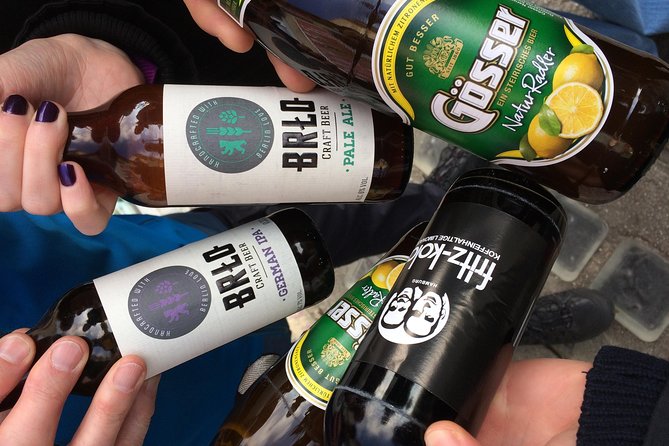
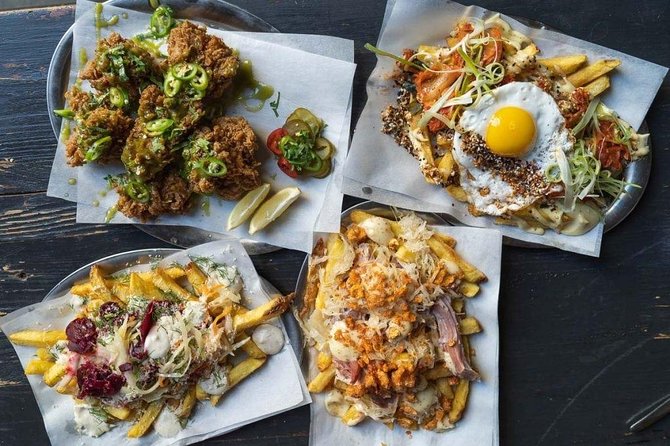
This tour is built around 6 local tastings, plus beverages. The food choices cover a wide range, so you’re not stuck in one flavor lane.
Here’s what you can expect from the named stops:
- Scheers Schnitzel (Berlin-style schnitzel)
This is a Berlin schnitzel institution stop. Even if you’re not a schnitzel person, it’s worth trying once in Berlin the way locals talk about it. This tour does the sensible thing: you get a classic before the route pushes into more international flavors.
- Ketels Curry (the currywurst story)
Currywurst is treated here as more than a street snack. You’ll hear the story behind how the dish changed Berlin’s culinary culture. It’s one of those foods that feels obvious once you try it, and then surprisingly complicated once you learn the origin thread.
- Brammibal’s Donuts (Maybachufer, vegan)
This stop is for anyone who thinks vegan food is always a compromise. The tour presents it as a Berlin specialty moment: beautiful, sumptuous vegan donuts. It’s a nice counterbalance after savory tastings and a fun way to end a walking stretch.
- A coffee stop (hipster coffee energy)
The tour includes time in one of Kreuzberg’s hippiest coffee shops, so you can reset your brain mid-walk. It also helps you pace yourself because you’ll be eating again soon.
And here’s the balancing act I like: you don’t just eat German things and call it a day. One past guest even described a special Chinese tasting as part of the six tastings, alongside German, Ukrainian, Turkish, and vegan items—so the menu can include additional culture beyond the headline stops. That mix is part of why the tour feels like Berlin, not a checklist.

Slava Berlin: Ukrainian soul food and nalivanki in an immigrant-women-led space
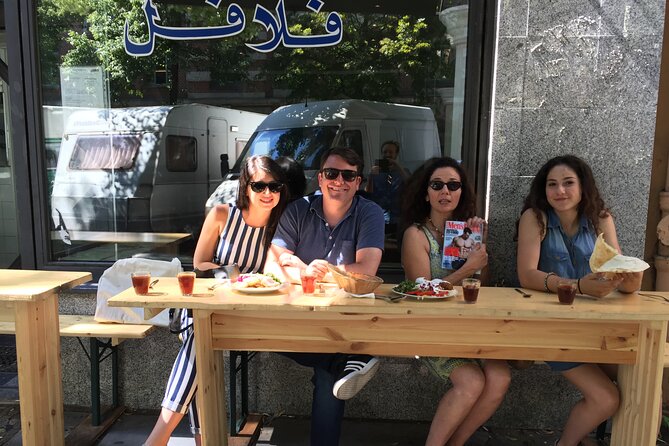
One of the more interesting stops is Slava Berlin! Ukrainian Soulfood & Nalivanki, an immigrant women-led restaurant. The tour’s framing is clear: you’re not just trying food—you’re hearing how Ukrainian stories show up in Berlin through a modern restaurant culture.
You’ll spend about 20 minutes here, and that’s long enough to actually taste, not just hold a paper plate for ten seconds. Nalivanki are part of the concept, and the tour positions the whole meal as a modern immigrant narrative told through food.
This is also a helpful stop if you’re learning German culture in general. Berlin isn’t only about German history. It’s also about how communities reshape the city’s identity after they arrive.
Markthalle Neun: a market hall that survived and kept its purpose
Next comes Markthalle Neun, a restored 1900s market hall. The big reason this stop matters is that the building has survived WW2 annihilation and still operates as an independent food hub rather than turning into a fully polished tourist set.
You’ll get about 30 minutes inside, which gives you time to absorb the atmosphere and not just rush from one counter to another. The tour also notes that the event calendar regularly connects top food and beverage people with producers nearby. In plain terms: it’s a place where Berlin’s food scene and local supply chain overlap.
If you like eating in markets—rather than only sitting in restaurants—this is a strong point in the route. It also gives your feet a short break, which helps the rest of the walking section feel easier.
Street art + WWII-era stories: what you’re really learning at each mural
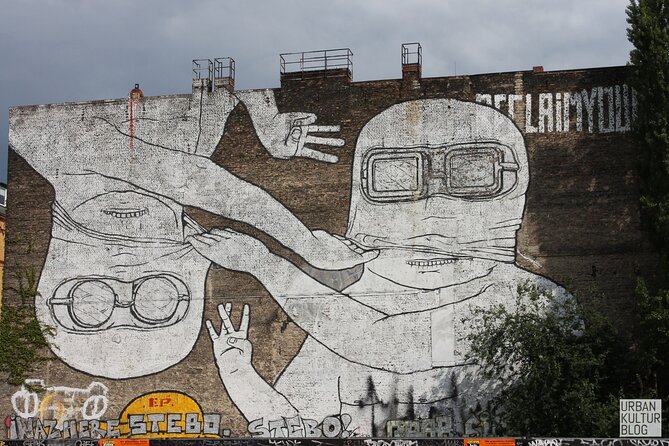
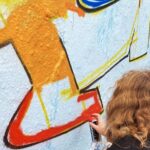
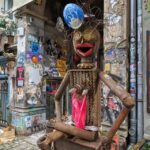
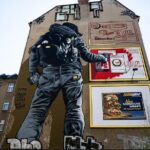
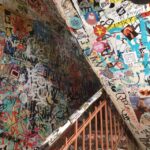
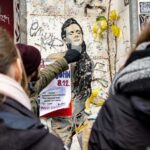
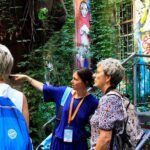
The street-art stop is at Street Art Berlin, described as a mecca for street art in Europe, where East and West, past and future all show up on walls. You’ll uncover one of the world-famous murals, and the guide connects it to the area’s changing identity over time.
But the tour doesn’t keep the storytelling polite. It also includes moments where you learn about Nazi Germany and you trace the steps of SS soldiers who once moved through the local streets. That part is heavy. It’s also historically tied to the same neighborhoods you’re seeing today.
If you’re doing street art only as an aesthetic, you might miss the point. This tour nudges you to look for meaning: who painted it, why it was painted, and what political or social pressure sits behind it. That’s the difference between seeing murals and understanding them.
Quick advice: bring your curiosity. If your guide mentions an image, ask what symbol or message matters most. This route works best when you lean in.
Price and value: what $169 is buying in real terms
The price is $169.38 per person for about 3.5 hours with a group capped at 8. You’re not paying just for walking. You’re paying for access, time, and the practical work of organizing multiple tastings across neighborhoods.
What’s included matters:
- 6 local tastings
- Beverages
- Local Berliner Pilsner beer
- A local guide
Food tours in Berlin can vary wildly in what you actually eat. Here, the design is to keep you fed across the full arc—from schnitzel and currywurst to vegan donuts and Ukrainian soul food—so you can treat it as your main meal. More than one guide-led experience note mentions people leaving full enough to skip dinner, which matches how this route is paced.
The value question is simple: if you want a guided route that ties street art, neighborhood change, and food into one afternoon, this is built for that. If you want only major sights with long viewing time, it may feel tighter and less generous.
Who this tour suits best
This works best if you want Berlin as a mix of street art, neighborhoods, and food stories rather than a set of photo stops. It’s also a strong fit for people who like variety: German classics plus international flavors in a single afternoon.
It’s especially good for:
- First-time Berlin visitors who need a way to understand East/West without reading a library
- Food lovers who enjoy markets and street-level classics like schnitzel and currywurst
- Art fans who want murals explained in context
It might be less satisfying if you’re chasing only famous landmarks and you’re not that into tasting menus.
Should you book East Meets West: Berlin Food Culture & Street Art?
I’d book it if you like three things at once: eating well, learning how neighborhoods changed, and using street art as your lens. The route hits major Berlin identity spots—Friedrichshain, the East Side Gallery, Kreuzberg, and street art—and the tasting mix prevents your day from feeling repetitive.
Choose it with eyes open if you want slower museum-style pacing. This is walking-plus-taste pacing. You’ll see a lot, but you won’t camp at one location all afternoon.
One last tip: come hungry, and plan to linger over the tastings instead of trying to speed-run your way through. The tour is designed so you finish properly fed, and that’s when the stories land best.
FAQ
How long is the Berlin East Meets West food and street art tour?
It’s about 3 hours 30 minutes.
What’s included in the tour price?
You get 6 local tastings, beverages, and a local Berliner Pilsner beer, along with a local guide.
Do I need to buy a public transport ticket?
A BVG transport ticket is not included.
Is the tour available in English?
Yes, it’s offered in English.
Is there a vegetarian option?
Yes. A vegetarian option is available if you advise at booking.
Can I cancel and get a full refund?
Yes. You can cancel up to 24 hours before the experience for a full refund.