REVIEW · BERLIN
Berlin: Street Art and Alternative Tour
Book on GetYourGuide →Operated by Vive Berlin e.G · Bookable on GetYourGuide
Street art in Berlin has political muscle. This 3-hour Berlin street art and alternative tour connects Cold War history to what you see on walls today, from Kreuzberg’s alternative edges to the East Side Gallery. You’ll walk through neighborhoods where art isn’t decoration—it’s commentary, built out of the city’s old dividing lines.
Two things I like a lot are the small-group walking format and the way the guide ties the images to context you can actually use. People you may meet—like Antonella and Iacopo, Martin, or Marie—are praised for explaining the social meaning behind what you’re seeing, not just naming artists or pointing at walls.
One consideration: the tour is priced at $31, but you’ll need a 24-hour AB public transport ticket for the day, since it’s not included.
In This Review
- Key things worth knowing before you go
- Street Art as Berlin’s After-Hours History Lesson
- Kreuzberg on Foot: The Alternative Quarter in Real Life
- East Side Gallery Stops: The Wall That Became a Billboard
- How the Guide Connects Politics, Economy, and Gentrification
- Price and Value: Is $31 Fair for 3 Hours?
- What to Wear and How to Get There With the AB 24-Hour Ticket
- Who This Tour Is Best For (and Who Might Want Something Else)
- Should You Book the Berlin Street Art and Alternative Tour?
- FAQ
- How long is the Berlin Street Art and Alternative Tour?
- How much does the tour cost?
- Is this tour a small-group walking tour?
- What languages are the live guides?
- Do I need an AB public transport ticket?
- What should I bring?
- What is the cancellation policy?
Key things worth knowing before you go
- Small-group pace keeps the focus on street-level details you might otherwise miss
- Kreuzberg’s alternative quarter gives you the street-art-and-life connection right away
- East Side Gallery shows how a wall’s story didn’t end when the wall fell
- History tied to today: Cold War effects through 1989 change, then gentrification
- French or Italian live guide helps you understand the why behind the paint
- Plan for walking with comfortable shoes; this is a real sidewalk tour
Street Art as Berlin’s After-Hours History Lesson
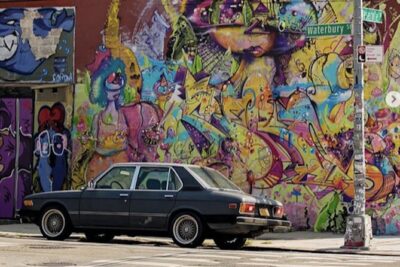
Berlin’s street art doesn’t behave like street art in other cities. Here, it carries scars. The city was literally cut in half for decades, and once you know that, the colors start to read like evidence.
On this tour, you connect the dots between the wall’s legacy and the way Berlin built an alternative identity. The idea is simple: on the border between East and West, art and politics kept bumping into each other. You’re walking through areas where the streets feel like an open-air archive—big pieces on building walls, and smaller work tucked into corners and courtyards.
What’s especially useful is that the tour frames today’s art as part of a long chain: changes after 1989, shifting economic and social realities, and the current phase of gentrification. You’re not just looking at images; you’re learning why Berlin became a magnet for alternative culture in the first place.
You can also read our reviews of more tours and experiences in Berlin.


Kreuzberg on Foot: The Alternative Quarter in Real Life
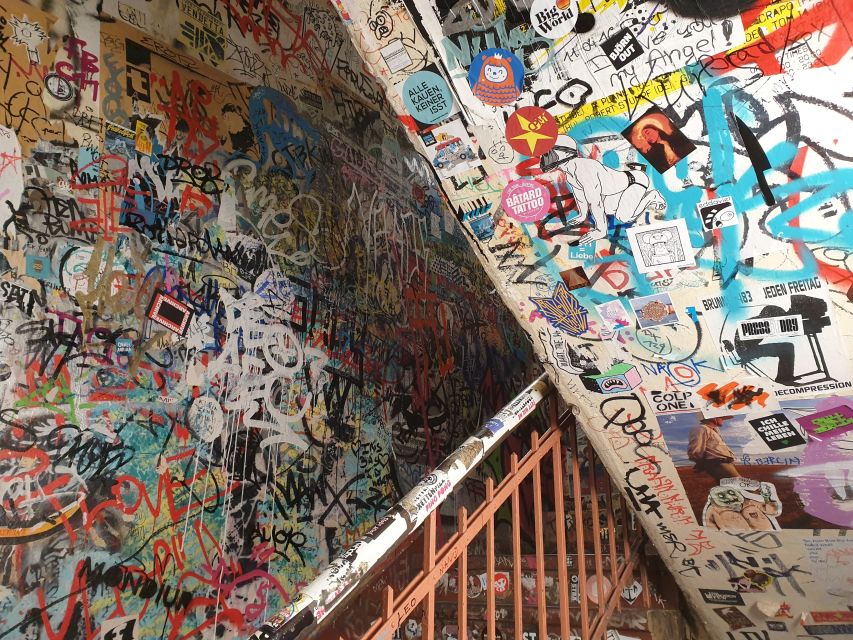
A major chunk of the experience is spent in Kreuzberg, Berlin’s classic zone for independent energy. Kreuzberg is the kind of neighborhood where you can see creativity everywhere, but on this walk you’ll be guided to treat street art as a language.
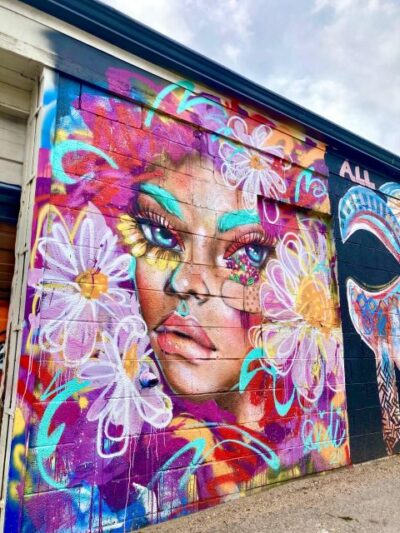
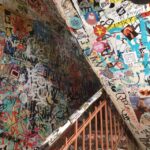
You’ll notice the difference between casual graffiti and art that’s been placed with intention—works that reference local stories, respond to politics, or mark a social stance. The tour also nudges you to look past the obvious walls. Expect to spot smaller pieces wedged into corners and hidden along streets where you’d normally keep moving.
Practical payoff: after Kreuzberg, you’ll be able to spot street art like a decoder. You’ll know what questions to ask while you’re wandering later on your own. Is this about identity? About protest? About public space? About the shift in who gets to belong in the neighborhood now?
One small reality check: this is a walking tour, and the street art isn’t arranged for easy viewing like a museum display. Wear shoes you trust. Plan on stopping often, but don’t assume everything will be “big and famous.” The tour’s charm is that the meaning can be just as strong in the small details.
East Side Gallery Stops: The Wall That Became a Billboard
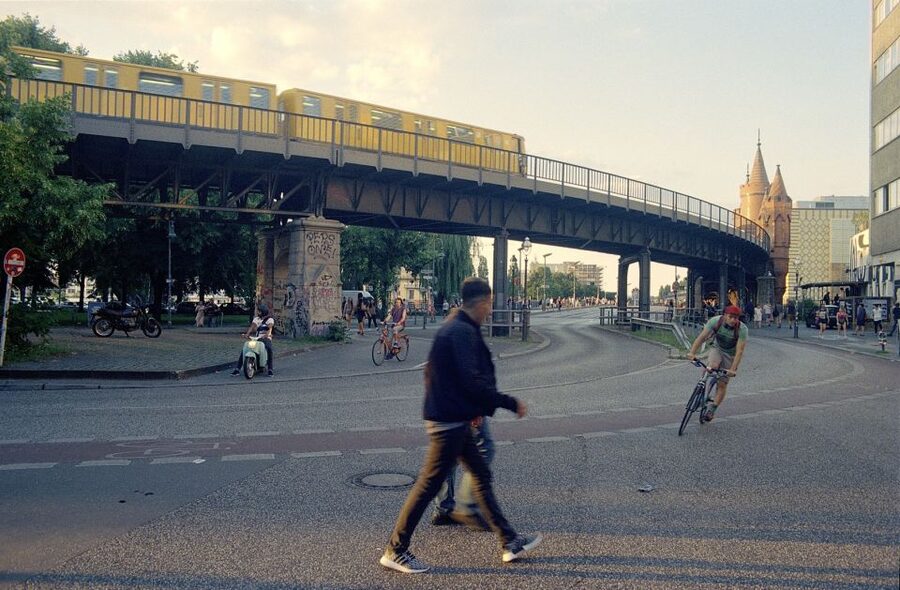
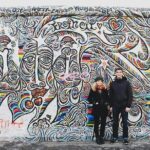
The East Side Gallery is the headline moment, and it makes a powerful point fast. This stretch of former wall became a canvas, and that’s exactly what the tour wants you to understand: the wall didn’t disappear from Berlin’s cultural life. It transformed.
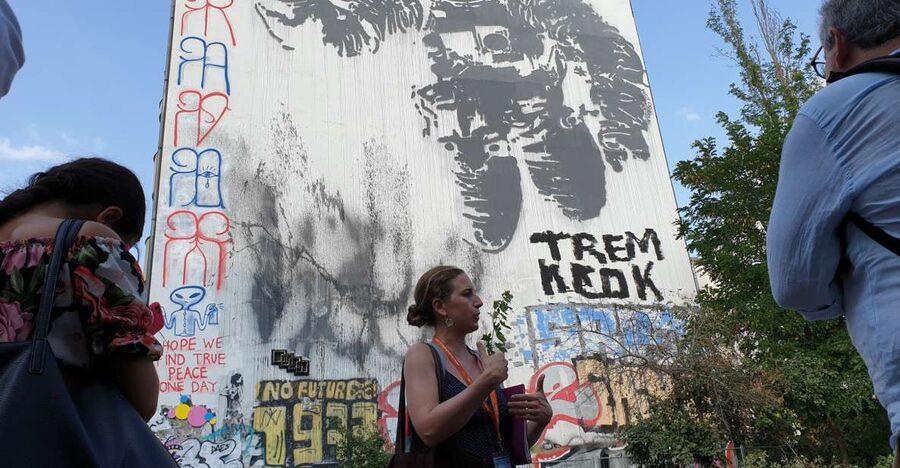
On this segment, you’ll see how gigantic works and prominent murals can turn a piece of infrastructure into public memory. The art here works on two levels at once: visually it’s dramatic, but historically it’s loaded. That’s why it fits perfectly into the tour’s larger theme of art and politics meeting on the fault line between East and West.
What I think is most valuable for you is the context around why street art took hold as a form of expression. Once you grasp that Cold War division created the conditions for intense cultural output, the East Side Gallery stops feeling random. It becomes a bridge between past and present—between survival, resistance, and the need to claim space.
One more helpful angle: you’ll be thinking about change after 1989, not only about the wall itself. That matters because Berlin’s current debates—especially around neighborhood identity and rising costs—connect to how people fight for visibility.
How the Guide Connects Politics, Economy, and Gentrification
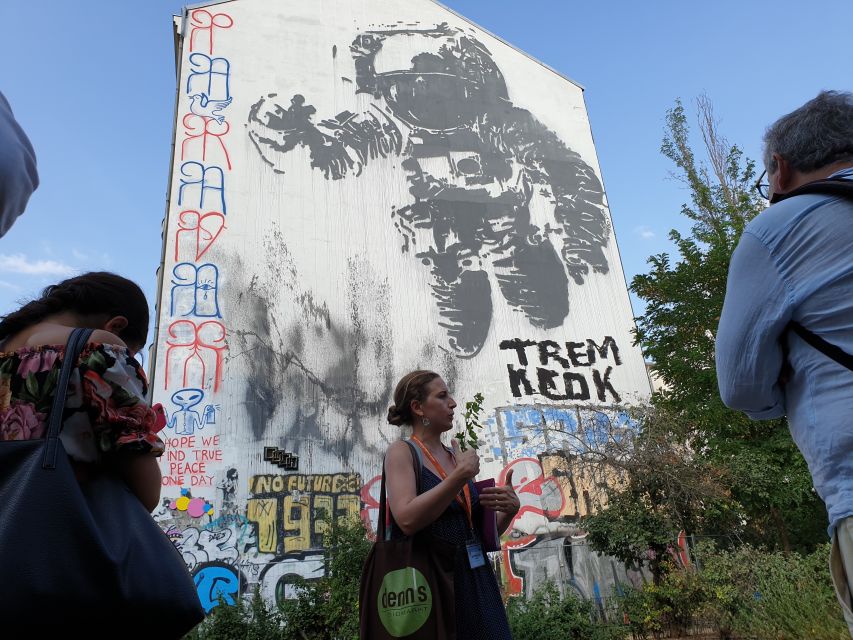
The biggest strength of this tour isn’t just where you go. It’s how the guide makes sense of what you’re seeing.
You’ll learn about the historical, economic, and social changes that followed the fall of the wall in 1989, and how alternative culture became central to Berlin’s revival in the decades that followed. Then the tour brings you up to the present phase of gentrification, where street art can feel both like expression and like a brand.
This is where the guide language matters. You’ll have a French- or Italian-speaking live guide, and the reviews highlight that the explanations are accessible and focused on meaning. That’s a big deal for you because street art can look like visuals only if you don’t get the storyline. With the right guide, you start linking murals to demands, community identity, and local power dynamics.
It’s also why the tour can work even if you’re not a street-art superfan. You’re not required to already know artists or movements. You’re taught how Berlin got to this point—so when you look around afterward, you’ll understand more than you did before.
Price and Value: Is $31 Fair for 3 Hours?
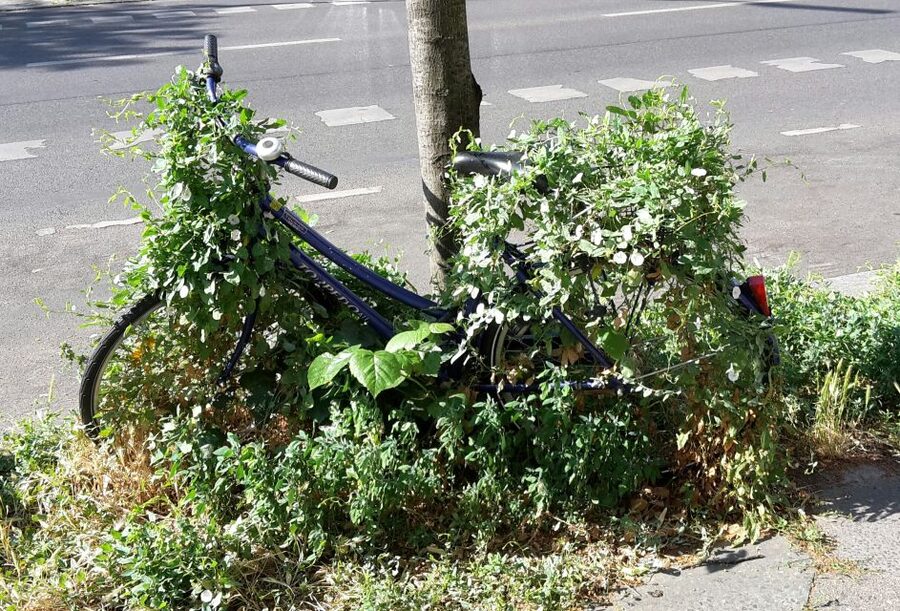
At $31 per person for a 3-hour small-group walking tour, the value is pretty clear if you care about interpretation, not just photos.
Here’s what you’re getting for the money:
- A live guide (French or Italian)
- A walking tour designed for street-level learning
- Focus on major street-art areas like Kreuzberg and the East Side Gallery
What’s not included is also important: you’ll need to purchase a 24-hour AB public transport ticket for the day. So if you’re budgeting, add that cost on top. Still, it’s often easier to plan a day in Berlin knowing you’ll already be on foot and moving between neighborhoods as part of the story.
Also, this isn’t a long day tour. Three hours is enough time to connect themes and see multiple settings without turning into an exhausting slog. Your feet will do the work, but the pacing is built for learning.
If you’re deciding between this and a generic highlights walk, the difference is interpretation. Generic walks point at sights. This one helps you understand why street art in Berlin became a social tool—and why it still matters.




What to Wear and How to Get There With the AB 24-Hour Ticket
Berlin street art tours are won or lost on the practical stuff: shoes, transit, and meeting point clarity.
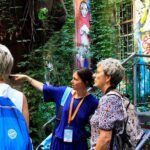
You’ll want comfortable shoes because this is a real walking experience. The art isn’t always in front of you; sometimes it’s in courtyards or tucked along streets where you have to pause, look, and reposition.
Transit-wise, you’ll need an AB 24-hour public transport ticket for the day. It’s not included, so treat it like part of your planning. If you’re staying central, you might already have some transit habit from day one. If not, just build in that extra step so you’re not stressed at the start.
Meeting point can vary depending on which option you book. That’s normal, but it means you should check your exact confirmation before you leave your hotel.
Who This Tour Is Best For (and Who Might Want Something Else)
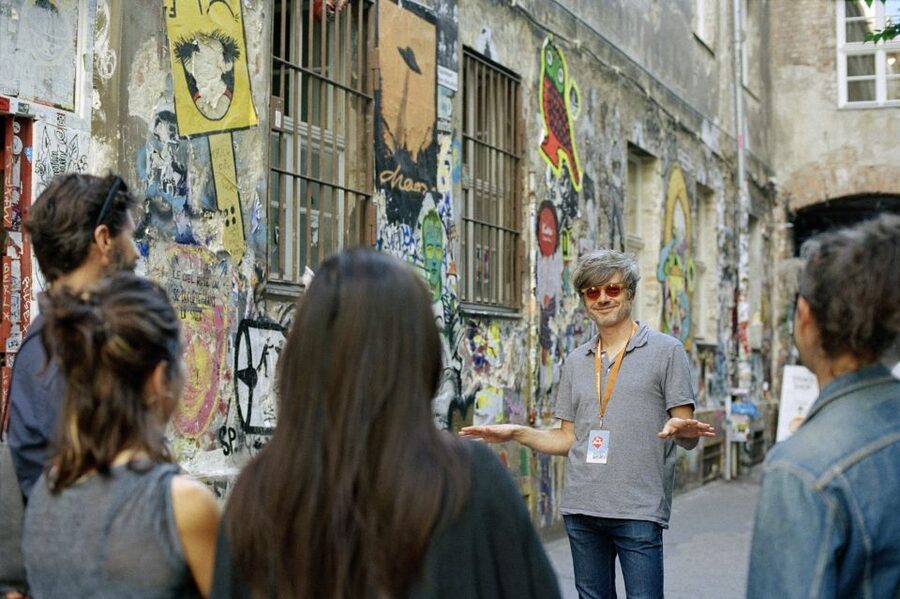
This tour is ideal if you want Berlin street art explained through social and political history, not just seen as decoration.
You’ll likely enjoy it most if:
- You like walking tours that teach you how to read a place
- You’re curious about what changed after 1989 and how that shaped culture
- You want an “alternative Berlin” lens, especially in Kreuzberg
You might consider a different style of tour if you prefer strictly guided sightseeing with fewer history connections, or if you want a longer time window. Three hours is a focused hit, but it won’t cover everything in Berlin’s street-art universe.
Should You Book the Berlin Street Art and Alternative Tour?
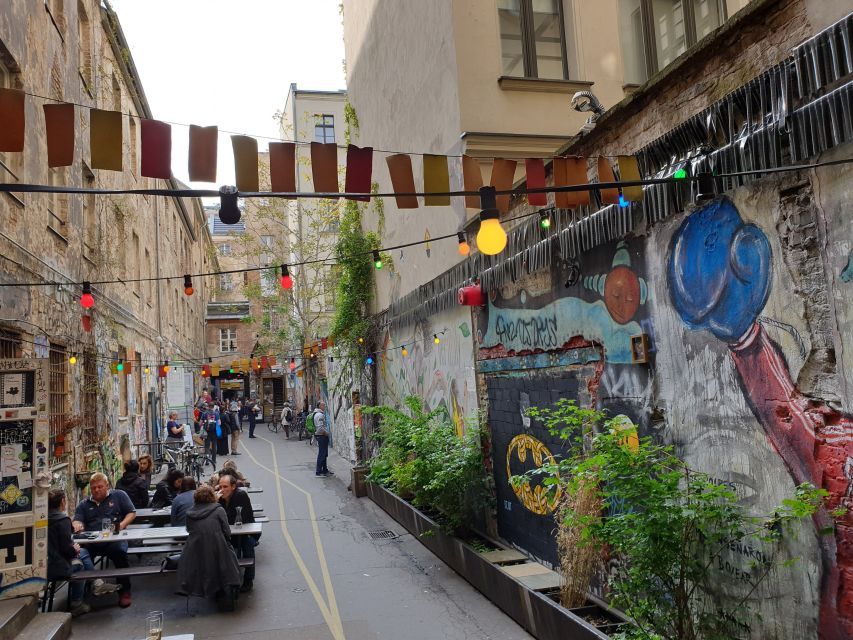
If Berlin street art is on your must-do list, I think this is a strong choice. The small-group setup, the guide’s ability to explain the social meaning, and the balance of Kreuzberg plus the East Side Gallery make it worth your time—even if you’re not already an expert.
Book it when you want a practical understanding of how wall history, alternative culture, and today’s neighborhood shifts connect. Skip it only if you hate walking, or if you don’t want to spend part of your time thinking about politics and gentrification while you’re looking at murals.
FAQ
How long is the Berlin Street Art and Alternative Tour?
The tour lasts 3 hours.
How much does the tour cost?
The price is $31 per person.
Is this tour a small-group walking tour?
Yes, it’s a small-group walking tour.
What languages are the live guides?
The live guide speaks French or Italian.
Do I need an AB public transport ticket?
Yes. You need to purchase a 24-hour AB ticket for public transport for the day, and it is not included.
What should I bring?
You should bring comfortable shoes.
What is the cancellation policy?
You can cancel up to 24 hours in advance for a full refund.