REVIEW · TUCSON
Tucson Food Tours- Locally Owned Mural and History Tour
Book on Viator →Operated by Tucson Food Tours · Bookable on Viator
Murals are Tucson’s street-level memory. This 2.5-hour mural and history tour pairs outdoor art with a handful of meaningful stops, so you don’t just look—you understand what you’re seeing.
I especially liked the way the guide kept the walk moving while still finding time for real stories. I also like that the route mixes historic buildings with mural stops, so the “history” isn’t stuck behind museum glass.
One consideration: this tour needs good weather, so if Tucson decides to get dramatic, you’ll need to be flexible on timing.
In This Review
- Key Highlights
- Why This Tucson Mural and History Tour Feels Different
- Start at 311 E Congress St: Getting Oriented Fast
- Stop 1: Southern Arizona Transportation Museum (1907) for Rail-Era Tucson
- Stop 2: Presidio San Agustin Del Tucson Museum for Spanish-Era Foundations
- The 1970 Fire Landmark: A Tragic Story Built Into the City
- Stop 3: Pima County Courthouse for Pink Facade + Mosaic Dome
- The Murals: Street Art as Community Memory
- Group Size, Timing, and the Practical Tucson Reality
- Value: Admission Included Where It Counts
- Who Should Book This Tour (and Who Might Skip It)
- Should You Book Tucson Food Tours’ Mural and History Tour?
- FAQ
- FAQ
- How long is the Tucson Food Tours mural and history tour?
- Where does the tour start and end?
- What time does the tour begin?
- What language is the tour offered in?
- How big is the group?
- What happens if the tour is canceled due to weather?
Key Highlights
- Small group size (max 16) makes it easier to ask questions and actually hear the stories.
- Mobile ticket keeps it simple at the start.
- Short, focused stops (~15 minutes each) so you stay out of museum fatigue.
- Included museum time at the Presidio and free admission at other stops help control costs.
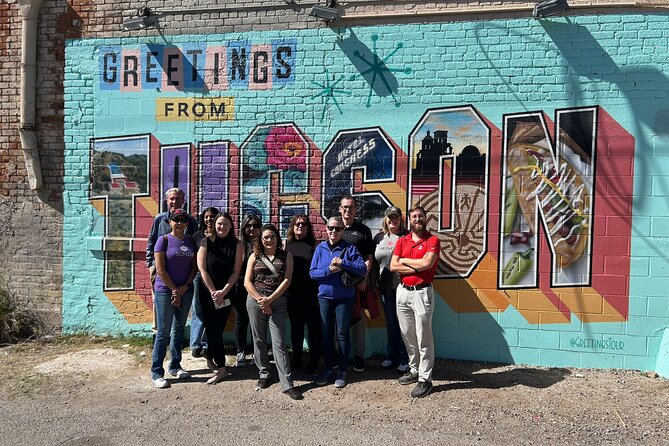
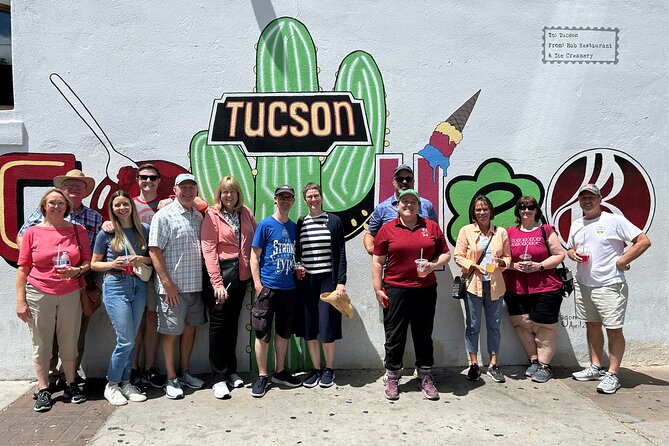
- Murals as community memory, not random wall art—expect context and photo moments.
Why This Tucson Mural and History Tour Feels Different
A lot of city “mural tours” stop at pointing and snapping pictures. This one does a better job of connecting the artwork to Tucson’s built environment and big moments—rail-era Tucson, Spanish-era Tucson, and the kind of tragedies that become part of local identity.
You’ll appreciate it most if you like walking, short stops, and learning in layers. The pace is built around “see a thing, learn a thing, move on,” which fits Tucson well. Two and a half hours is long enough to feel like you covered something, but short enough that you won’t resent the sun (even when it’s doing its thing).
Also, the guide style matters here. In the feedback I saw, Karen comes up as a bright, friendly, story-first guide. If you’re lucky enough to get her, you’ll probably feel like you’re touring with someone who genuinely enjoys Tucson.
You can also read our reviews of more tours and experiences in Tucson.

Start at 311 E Congress St: Getting Oriented Fast
The tour begins at 311 E Congress St, Tucson, AZ 85701, with a start time of 9:00 am and ends back at the same meeting point. That back-to-start design is practical: no late scramble for your next transport.
Before you set off, it helps to know the tour is in English and uses a mobile ticket. If you’re the type who likes to download and prepare ahead, you’ll feel calm here. If not, just be sure your phone battery is decent—because “mobile ticket” usually means you’ll be showing it at check-in.
The group size stays capped at 16, which usually means:
- You’ll hear explanations without shouting over a crowd.
- The guide can steer attention to details without losing half the group.
Stop 1: Southern Arizona Transportation Museum (1907) for Rail-Era Tucson
Your first stop is the Southern Arizona Transportation Museum, built in 1907. The big idea here is how transportation shaped Southern Arizona—especially the way rail connected people, goods, and opportunity.
This place is described as a beautifully restored landmark that once served as a vital hub for the Southern Pacific Railroad. Today, it operates as a museum and café, so even though your timed stop is about 15 minutes, the site gives you a quick “before and after” feeling: then came the trains; now you see artifacts and get a sense of how the area functioned.
What you’ll likely enjoy most:
- The building itself. Even if you only glance at a few details, the architecture does the explaining.
- The way the guide links transportation to everyday life.
Possible drawback: because it’s a short stop, you won’t leave with a museum-level deep reading. You’re there for context and cues, not for a full museum day.
Stop 2: Presidio San Agustin Del Tucson Museum for Spanish-Era Foundations
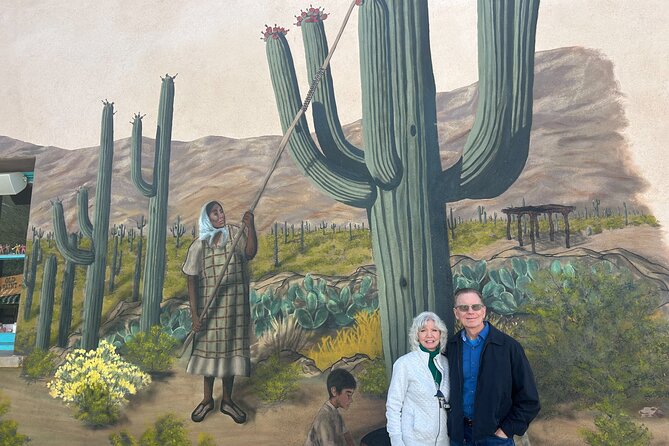
Next up is the Presidio San Agustin Del Tucson Museum, founded in 1775 by the Spanish military. This is one of the more historically loaded stops on the route, because it sits on the story of where power was placed—and how that changed life around it.
Here’s what the tour emphasizes:
- The fort’s original location was along the Santa Cruz River.
- It was near a Native American village called Chuk-shon.
- The Presidio originally covered 11 acres and was surrounded by a thick adobe wall.
- Today, the museum sits near the northeast corner of the original fort, and the site is reconstructed to help you picture early Tucson.
The admission at this stop is listed as included, so you don’t have to manage extra fees mid-tour. Time is also around 15 minutes, which means you’ll probably focus on the most telling details: the fort’s layout and why this location mattered.
If you like early Tucson history, this stop is where the tour earns its keep. It gives you a “starting point” for understanding the city’s layers—Spanish military presence, indigenous communities nearby, and how the built environment continues to show traces.
Possible drawback: this is a heavier subject than murals. If you’re hoping for mostly light-and-fun photo stops, balance your expectations.
The 1970 Fire Landmark: A Tragic Story Built Into the City
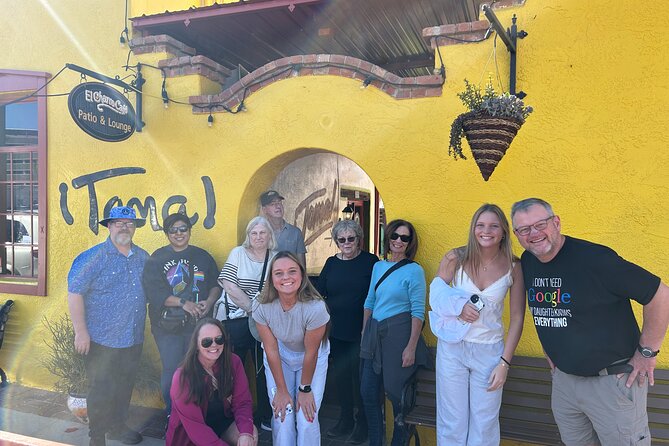
Between the major museums and the courthouse, the route includes another historic landmark tied to a dramatic story. The description highlights two parts: the site’s luxurious past, and then the tragic 1970 fire that claimed 29 lives.
Even without a long lesson, tours like this usually do something important: they treat the tragedy as part of the city’s real narrative, not a random footnote. You’re not asked to “solve” anything—you’re guided to understand why this place is remembered, and how Tucson holds both elegance and heartbreak in the same geography.
This stop is worth your attention even if it’s not the cheeriest moment. It’s also one of those things that can completely change how you read the architecture around you afterward: buildings stop being just buildings.
Possible drawback: for some people, the tone may feel intense compared to the earlier museum stop and the later mural focus. If you prefer only upbeat stories, this may be the most challenging segment.
Stop 3: Pima County Courthouse for Pink Facade + Mosaic Dome

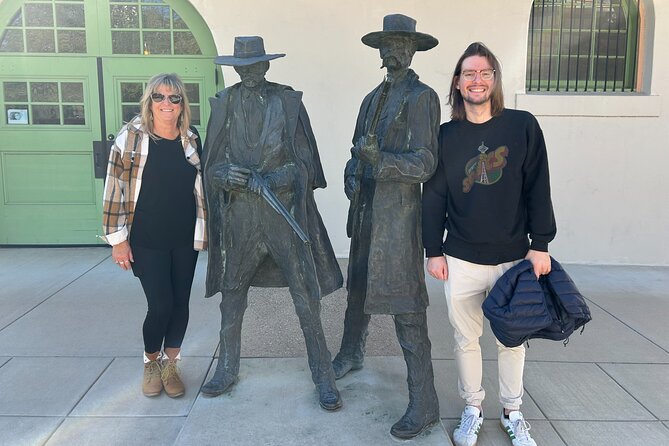
Then you shift to something more visually “Tucson right now.” The Pima County Courthouse is a standout Spanish Colonial Revival structure known for its pink facade and its iconic mosaic dome.
Your stop here is again about 15 minutes, with free admission. That matters because it keeps costs and planning simple: you can spend time looking closely instead of budgeting for another paid entrance.
Why this stop works on a mural-and-history tour:
- It reinforces how Spanish Colonial Revival style shaped parts of Tucson’s public identity.
- It gives you a strong photo anchor before you move back into street-level art.
When I look at buildings like this, I think about how cities choose their faces. A courthouse isn’t just a place where things happen—it’s a statement about permanence and civic pride. Tucson uses architectural style like a language, and the courthouse helps you start reading it.
Possible drawback: if you’re visiting during peak sunlight, the bright facade and dome can be visually intense for photos. Go a little slow and watch your angles.
The Murals: Street Art as Community Memory
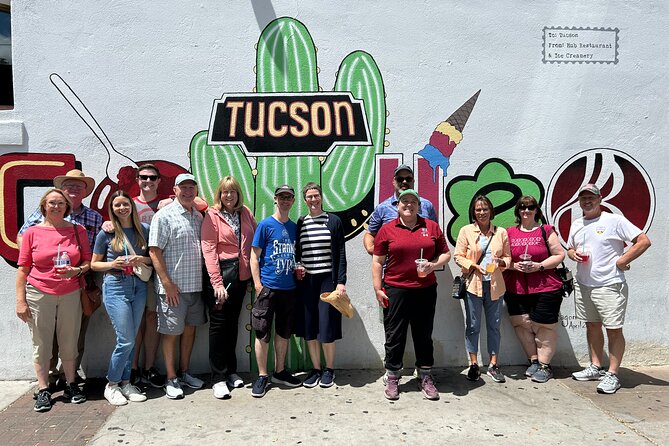
After the historic stops, the tour shifts into the mural focus. The route is described as a walk that highlights murals across Tucson, with the idea that these artworks reflect the city’s diverse cultural heritage and community spirit.
In practice, what I think makes mural stops worth it is context. When you learn what a mural is referencing—local stories, identity, and shared memory—your photos improve. You stop shooting “pretty wall color” and start capturing meaning.
Also, murals are a great way to feel Tucson on foot. Even when it’s not the “official” museum part of the tour, the street-level art is where you notice neighborhoods, textures, and everyday life.
If you’re an artist-by-need (or just a curious observer), bring your questions: what’s represented, why that location, how the colors fit the story. With a small group size, you’re more likely to get real answers rather than a rushed explanation.
Possible drawback: mural viewing can be affected by where you’re standing, glare, and foot traffic. The short stop format means you’ll want to move efficiently—pick your angles and then let the guide talk.
Group Size, Timing, and the Practical Tucson Reality
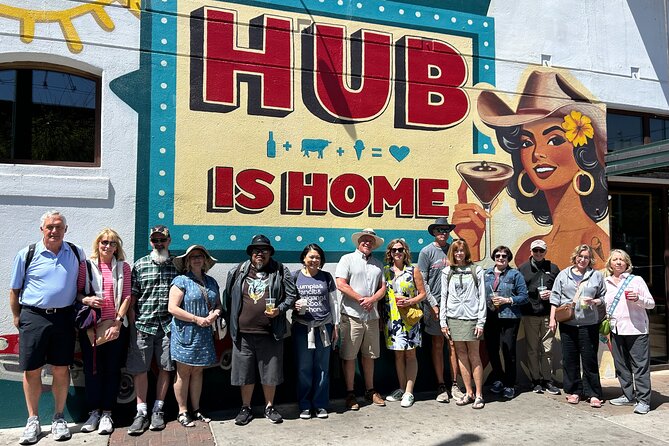
This tour is about 2 hours 30 minutes and includes timed stops around 15 minutes each. That structure is ideal for people who want a plan but don’t want to feel trapped.
The cap is 16 travelers, so expect a more conversational feel. You’ll likely get a chance to ask things without waiting for a microphone moment.
Weather matters. The experience requires good weather, so plan for Tucson sun and possible heat. If the tour gets canceled because of poor weather, you’ll be offered a different date or a full refund. That flexibility is helpful in a city where conditions can change quickly.
One more practical tip: start time is 9:00 am. Morning tours often mean better comfort for walking and photography—so take advantage of that.
Value: Admission Included Where It Counts
Even without seeing a single bundled price on the info provided, you can judge the value by what’s included. Some stops are listed as free, one is listed as included, and the rest of the experience is essentially the guided route, time, and interpretation.
Here’s what the stops suggest about value:
- Southern Arizona Transportation Museum: listed as free admission ticket.
- Presidio San Agustin Del Tucson Museum: admission ticket included.
- Pima County Courthouse: listed as free.
- The mural portion is more about guided street viewing, so you’re paying for the story and route rather than an entrance fee.
So you’re not paying “museum money” for every segment. You’re paying for context, pacing, and a guide who can connect the dots between buildings and the art on the walls.
If you like learning with minimal logistics headaches, this structure helps.
Who Should Book This Tour (and Who Might Skip It)
This tour fits you if:
- You like short walks and short stops.
- You want Tucson murals with real context, not just photos.
- You enjoy history that shows up in buildings you can still see today.
- You appreciate a friendly guide who keeps the tone upbeat (Karen is specifically mentioned as a standout in the feedback).
You might skip it if:
- You only want leisurely museum time with no timed segments.
- You’re not up for a serious stop tied to the 1970 fire story.
- You don’t do well with outdoor walking in changeable conditions.
Should You Book Tucson Food Tours’ Mural and History Tour?
If your goal is to understand Tucson faster—through murals plus a few key historic anchors—I’d say this is a strong pick. The route keeps the day efficient: museums for foundations, a major civic building for architecture, then murals for the city’s lived storytelling.
Book it if you want a guided walk that respects your time and helps you notice details you’d probably miss alone. Skip it only if you’re looking for a long, deep museum session or you’d rather avoid any heavy historical moments.
FAQ
FAQ
How long is the Tucson Food Tours mural and history tour?
It runs for approximately 2 hours 30 minutes.
Where does the tour start and end?
It starts at 311 E Congress St, Tucson, AZ 85701 and ends back at the meeting point.
What time does the tour begin?
The start time listed is 9:00 am.
What language is the tour offered in?
The tour is offered in English.
How big is the group?
The tour has a maximum of 16 travelers.
What happens if the tour is canceled due to weather?
This experience requires good weather. If it’s canceled due to poor weather, you’ll be offered a different date or a full refund.