REVIEW · DUBLIN
Street Art Walking Tour
Book on GetYourGuide →Operated by Alternative Dublin · Bookable on GetYourGuide
Street art in Dublin has its own map. This Street Art & Graffiti walking tour takes you through the city center to find 30+ public artworks you’d miss on your own, with guides who know the culture firsthand (Liam is one of them). One thing to weigh: parts of the route are not wheelchair accessible, so it’s best if you can handle uneven sidewalks and short uphill bits.
I like that the tour doesn’t just point at pretty murals. You get the backstory on murals, graffiti, stickers, and paste-ups, plus real talk about what’s happening in Dublin’s art scene right now. I also like that it’s short and focused: about 2 hours with photo stops, so you can still do the rest of your Dublin day without feeling rushed. If you’re expecting a museum-style lecture, you might want to adjust your mindset—this is street-level culture, weather included.
In This Review
- Key highlights at a glance
- Start where Dublin gets creative: The Grand Social by Ha’Penny Bridge
- Yamamori Tengu: your first guided photo stop
- Abbey Court Hostel: murals that reward slow walking
- The Icon Factory & The Icon Walk: street culture gets a framework
- Temple Bar: seeing art where tourists usually rush
- Blooms Hotel: street art doesn’t care about address prestige
- Project Arts Centre and the feeling of Dublin’s creative pulse
- Crampton Court finish: where the route pays off
- What types of street art you’ll actually see
- Price and value: why $17 can feel like a steal
- Rain, walking pace, and what to wear
- Photo tips that match this tour’s style
- Who should book this walking tour (and who might skip it)
- One more reason it feels real: supporting artists
- Should you book Street Art Walking Tour?
- FAQ
- How long is the street art walking tour?
- Where do I meet the guide?
- How many artworks will I see?
- Is the tour in English?
- What types of street art are included?
- Will I get time for photos?
- What if it rains?
- Is it wheelchair accessible?
- What’s the refund and cancellation policy?
- Is tipping expected?
Key highlights at a glance
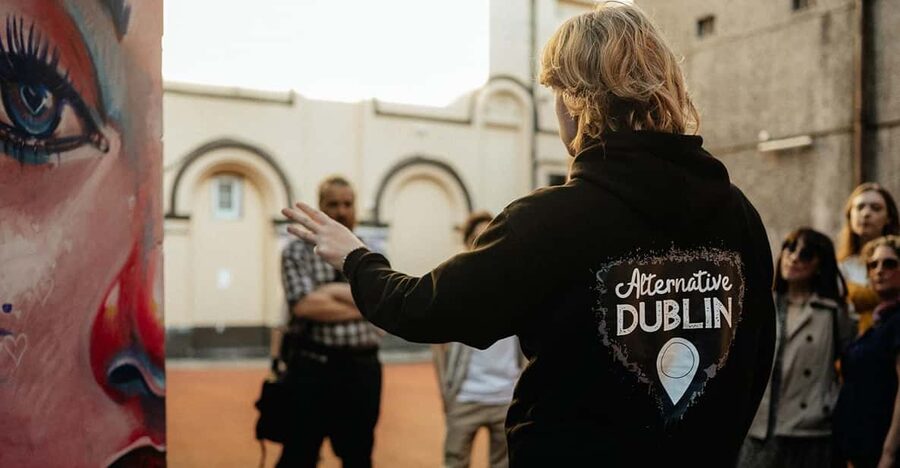
- Guides with street experience (some do street art/graffiti in their spare time, including Liam)
- 30+ pieces of public art across murals, graffiti, stickers, and paste-ups
- Lesser-known stops where you’d likely only end up by wandering smart
- Photo-friendly pacing with guided time at each art stop
- Insider context on what’s going on in Dublin’s art scene today
- A chance to visit a small gallery tucked into the city center
Start where Dublin gets creative: The Grand Social by Ha’Penny Bridge
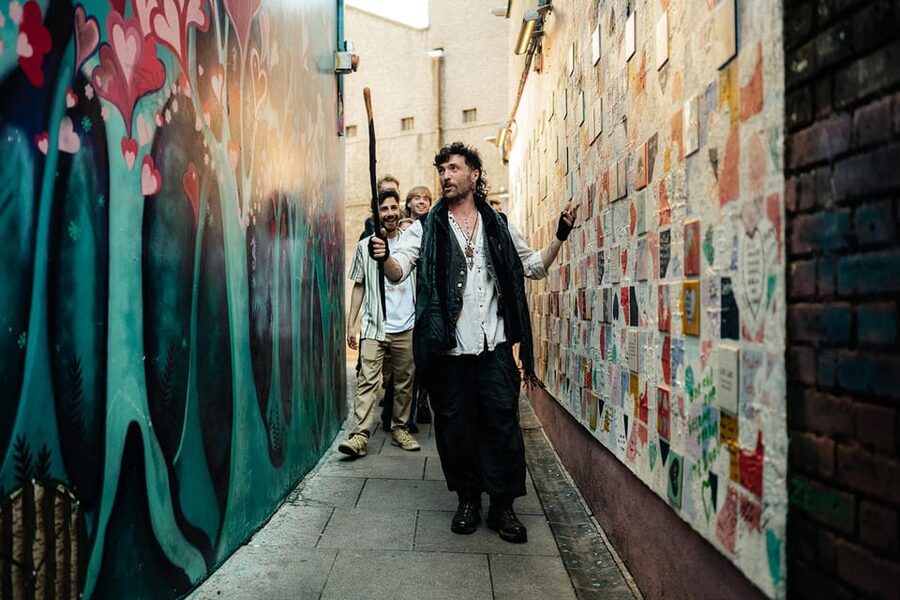
Your tour meets outside The Grand Social on Liffey Street. Your guide waits in the public space with the trees beside the Ha’Penny Bridge, which is a handy landmark if you’re arriving on foot or via a quick hop from central areas.
This first stretch matters more than it sounds. Getting your bearings right at a known spot helps you relax once you start moving through tighter streets. From there, you’re set up for a calm, steady pace where you can actually look at walls instead of constantly checking maps.
You can also read our reviews of more tours and experiences in Dublin.
Yamamori Tengu: your first guided photo stop
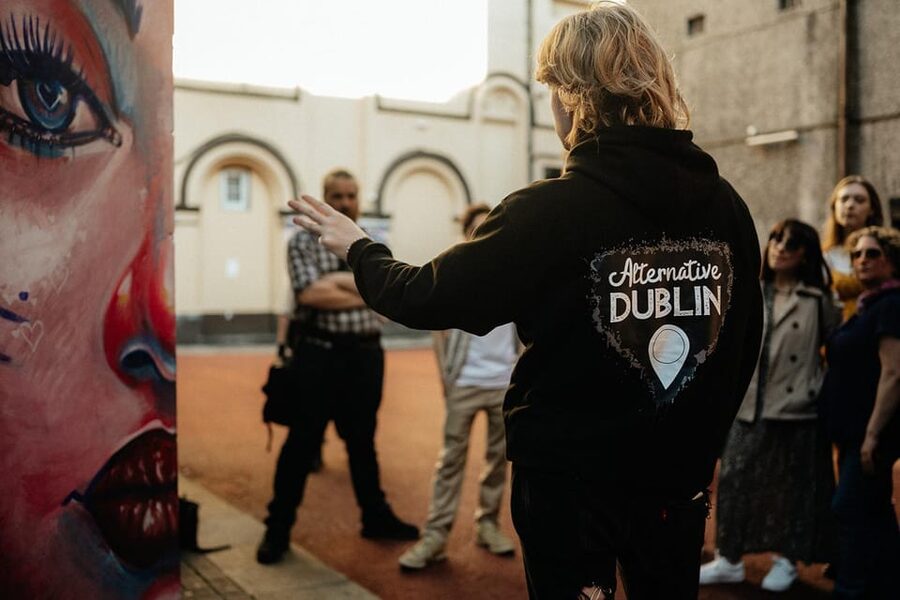
Stop 2 is Yamamori Tengu, and you’ll get a dedicated photo stop plus guided time to look closely. This is a smart opener because it sets the tone: street art here isn’t only about decoration. It’s about style, symbols, and who’s making the work (and why).
You’ll likely see the tour team’s approach early: pointing out small details you’d otherwise skip, like the way different artists use lettering, characters, and color blocks. Even if street art isn’t your main hobby, this kind of guided looking helps your photos come out better and your brain feel like it’s actually learning something.
Abbey Court Hostel: murals that reward slow walking
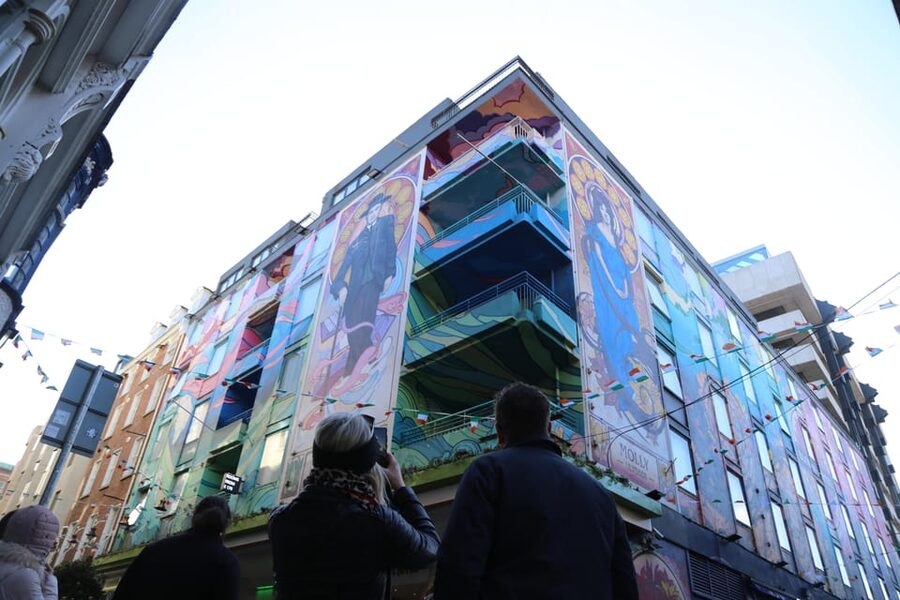
Next up is Abbey Court Hostel for a photo stop and guided tour time. This kind of stop is the sweet spot for street art walkers: you get enough time to read the vibe of a wall without being stuck there so long that the rest of the walk falls behind.
What I like about this part is how it builds a pattern. You start to see how Dublin’s street art isn’t random. There’s a rhythm to it—where pieces appear, what themes repeat, and how different styles sit near each other in the same neighborhood. If you’re the kind of person who always tries to spot the artist’s signature style, this section helps train your eye fast.
The Icon Factory & The Icon Walk: street culture gets a framework
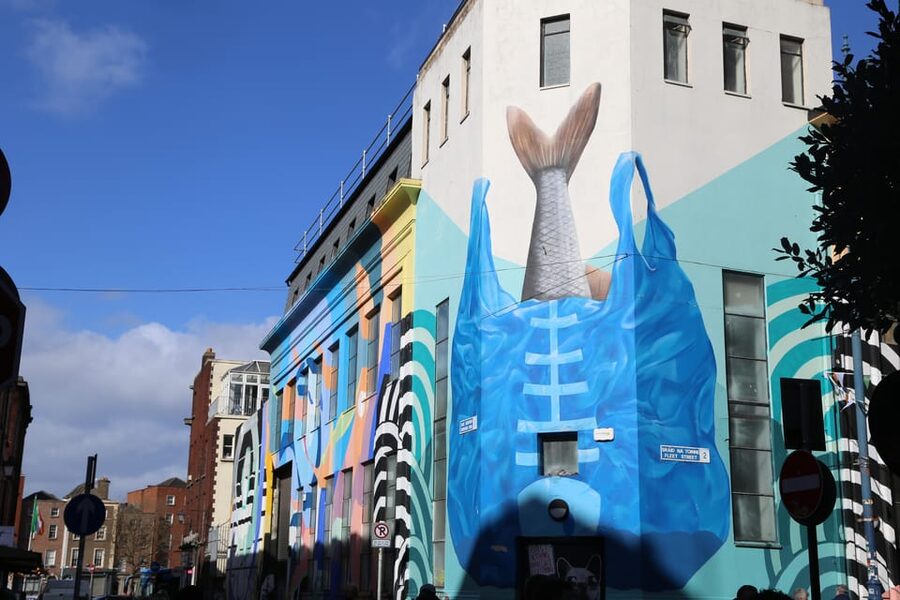
Stop 4 is The Icon Factory & The Icon Walk, with guided time and photo viewing. This is a helpful pivot point because it links what you’re seeing on the streets to the bigger ecosystem around it.
In plain terms, Dublin street art isn’t floating in a vacuum. When the tour introduces spaces like this, you start understanding how public murals and graffiti connect to galleries, commissions, and artists’ networks. Even if you don’t buy anything, you’ll leave with a clearer sense of where the work comes from and how it circulates.
Practical note: this section can feel more “structured” than some of the street corners. That’s good. It gives you a mental pause so your next photo stops feel more meaningful rather than just busy.
Temple Bar: seeing art where tourists usually rush
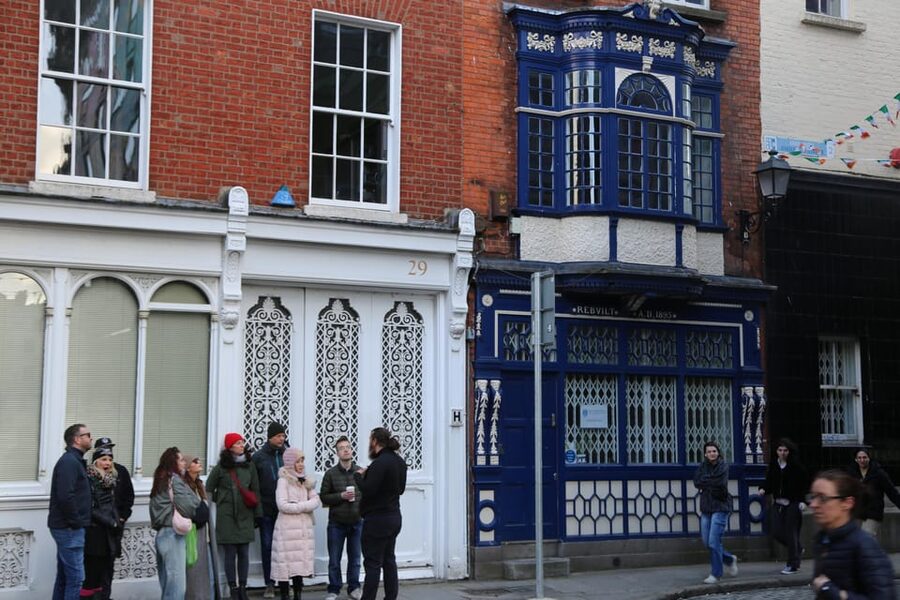
Stop 5 lands at Temple Bar, one of the most famous areas in Dublin. That’s exactly why this stop is worth it. The tour brings you here with guided context, so you’re not only looking at nightlife storefronts and souvenir crowds. You’re looking for art signals layered into the busy street scene.
This is the part where I’d keep expectations grounded. Temple Bar is lively, and you may share space with people who aren’t on your tour. That doesn’t ruin the experience, but it can mean you’ll want to move with the group and grab photos when the guide gives the moment. The payoff is learning how street art can survive and even thrive in high-traffic zones.
Blooms Hotel: street art doesn’t care about address prestige
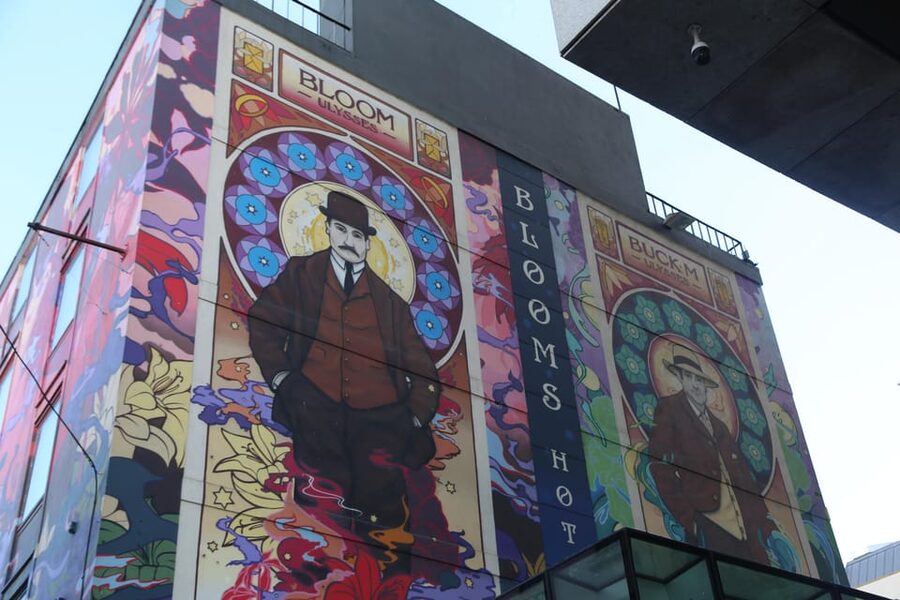
Stop 6 is Blooms Hotel for another photo stop and guided looking time. I like stops like this because they break the myth that street art only belongs in “gritty” backstreets. Here it shows up in a mainstream, central setting too.
This helps you see the city differently. Dublin’s street art culture isn’t locked to one social class or one type of neighborhood. It pops up where walls are available, where artists can work, and where people walk every day—so the art feels less like a novelty and more like part of daily city life.
Project Arts Centre and the feeling of Dublin’s creative pulse
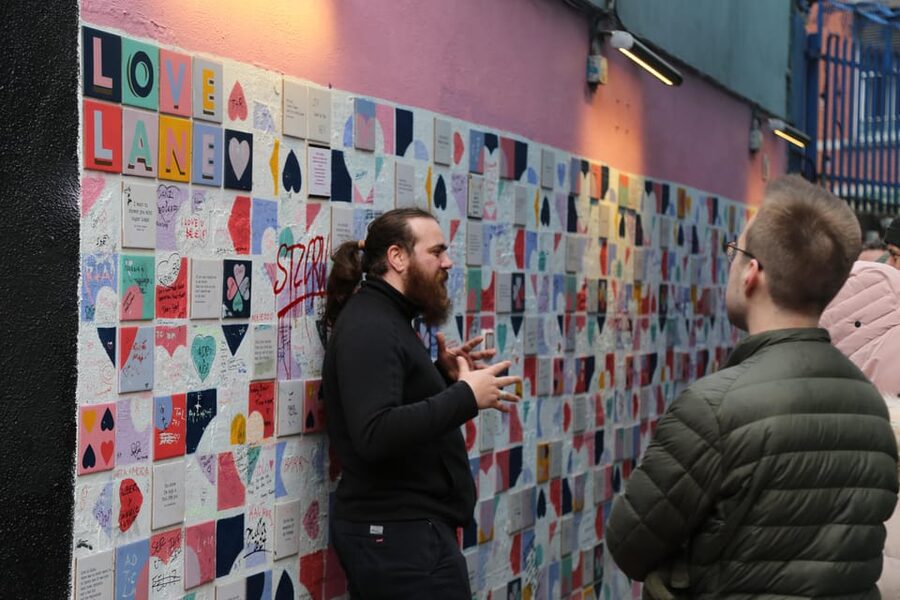
Stop 7 is Project Arts Centre with guided time and photo viewing. This one often gives visitors a different angle: street art as part of a broader creative landscape rather than only a counterculture hobby.
You’ll likely notice how the tour keeps tying visual details back to the bigger scene—who’s working, what styles show up, and what that can suggest about the current moment. If you want Dublin to feel more than postcards, this stop helps.
Crampton Court finish: where the route pays off
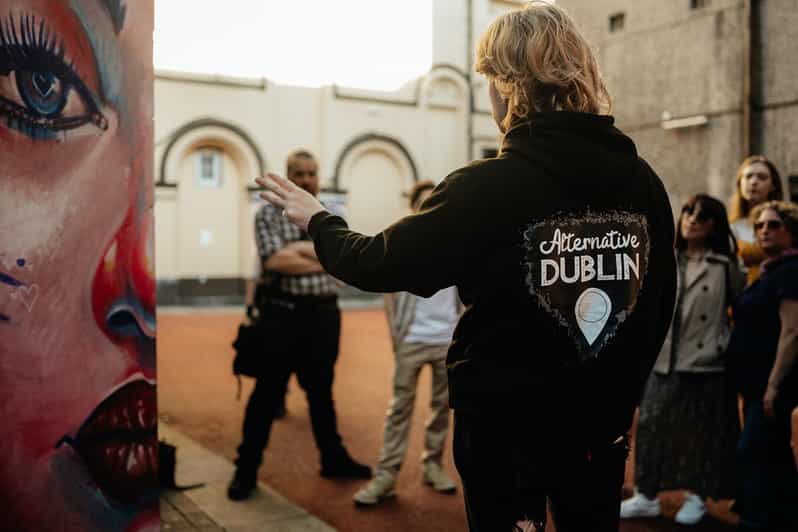
Stop 8 is Crampton Court, and the tour finishes back there. You’ll get a final photo stop and guided time here, which is a smart way to structure a walking tour. Ending at one location also helps you regroup your thoughts, check your photos, and figure out what to do next without scrambling to locate a new meeting point.
Crampton Court is also a strong “memory anchor.” As you walk out of the last streets, your brain remembers the art here, and that makes the whole route feel connected.
What types of street art you’ll actually see
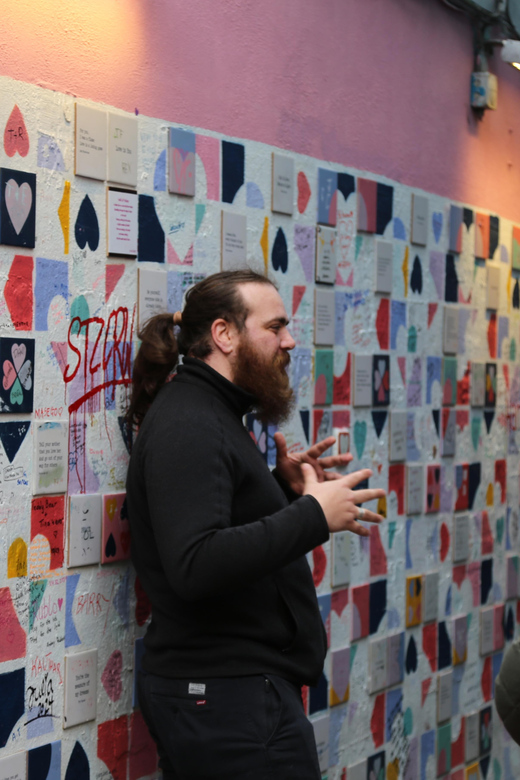
The tour is built around the real street art menu in Dublin: murals, graffiti, stickers, and paste-ups. You’ll also have opportunities to take pictures with different art pieces across the city center.
A key benefit is that the guide isn’t only showing you surfaces. You’ll learn what you’re looking at and how it fits into Dublin’s underground culture. That turns a “photo walk” into something closer to an easy, street-level education.
And yes, the experience includes the possibility of visiting a unique gallery tucked away in the city centre. That kind of stop matters because it shows how some artists move between public walls and spaces where people can support their work directly.
Price and value: why $17 can feel like a steal
At $17 per person for about 2 hours, this tour isn’t trying to compete with pricey museum tickets. It’s built for value: you pay for guided time, expert interpretation, and access to locations you’d likely miss if you just wandered.
Here’s why it can be good value in practice:
- You see 30+ public pieces in a short window, with photo stops that keep you from rushing.
- You get insider context on Dublin’s art scene today, not just descriptions of the artwork itself.
- Your guide can point you to other places to visit during your stay, so the tour adds value beyond the walk.
If you’re traveling on a tighter budget, this is one of the more cost-effective ways to get a “local eyes” view of Dublin.
Rain, walking pace, and what to wear
The tour runs even if it rains. So bring an umbrella or a rain jacket just in case. Dublin weather doesn’t ask permission.
Because you’ll be walking and stopping for photos, wear shoes you trust. The experience is also marked as not suitable for people with mobility impairments, so keep your comfort and safety in mind before you book.
Photo tips that match this tour’s style
This is a photo-friendly tour, but you’ll get the best results by matching your habits to the pacing. Here are a few practical moves:
- Keep your camera ready when the guide is talking about a specific piece.
- Take a wide shot first, then zoom in for letters, textures, or small character details.
- If the street is busy (Temple Bar can be), wait for the guide’s cue before you frame.
The goal isn’t just snapshots. It’s photos where you can actually remember what you saw and why it mattered.
Who should book this walking tour (and who might skip it)
I think this works best if you like street art as culture, not just as decor. If you enjoy understanding subcultures, learning the language of murals and graffiti styles, and exploring Dublin’s city center with a guide who can explain what you’re seeing, you’ll feel at home here.
Skip it if you need a fully accessible route, or if you want a slow, indoor experience with long sitting breaks. This is outdoors, on sidewalks, and built for movement.
One more reason it feels real: supporting artists
After the tour, you’ll receive a link to each artist featured, and the experience includes bringing you to a gallery where you can support artists by buying prints, paintings, or even commissioning work.
That’s not just a sales pitch. It turns your visit into something more respectful: you connect the art on the streets to the artists making it. If you end up loving a style, you can actually follow it after the walk.
Also, if you enjoyed it, tipping is optional but encouraged. The guides keep the tips from tours, so it directly supports the creatives doing the work.
Should you book Street Art Walking Tour?
Book it if you want Dublin to feel like a living city, with street art explained by people who care about it. For $17 and about two hours, you get 30+ public artworks, strong guided context, and photo stops in central locations you might overlook on your own.
Skip it only if accessibility is a dealbreaker for you or if you dislike outdoor walking. If you’re flexible on weather and you’re curious about Dublin’s underground art scene, this tour is a great use of a morning or afternoon when you still want energy left for dinner.
FAQ
How long is the street art walking tour?
The tour lasts about 2 hours.
Where do I meet the guide?
Meet outside The Grand Social on Liffey Street, in the public space with the trees beside the Ha’Penny Bridge.
How many artworks will I see?
The tour description says you’ll see 30+ pieces of public artwork.
Is the tour in English?
Yes, the live tour guide speaks English.
What types of street art are included?
You’ll cover murals, graffiti, stickers, paste-ups, and other forms of street art you’ll find around Dublin.
Will I get time for photos?
Yes. Each stop includes photo stops as part of the guided walking route.
What if it rains?
The tour proceeds even if it’s raining, so bring an umbrella or rain jacket if you can.
Is it wheelchair accessible?
No, parts of the tour are not accessible, and it’s marked as not suitable for wheelchair users.
What’s the refund and cancellation policy?
The information provided includes two different notes: free cancellation up to 24 hours in advance for a full refund, and the operator also states they need 5 days notice to issue a refund. Check your booking terms before you purchase.
Is tipping expected?
Tipping is optional. If you enjoyed it, you can tip your guide, and the guides keep all tips from tours.