REVIEW · BERLIN
Berlin: Alternative Street Art Tour
Book on GetYourGuide →Operated by Virtual Travel · Bookable on GetYourGuide
Street art has receipts in Berlin. This tour turns street art into a story you can follow on foot, moving through Friedrichshain, Kreuzberg, and Neukölln with clear, human explanations.
I also love the way the guide connects the walls to real Berlin life, from big murals to smaller work tucked in alleyways. You get context for the messages, not just pictures.
One possible drawback: the route shifts based on the group and the weather, so it is not a fixed, same-every-time checklist. If you hate surprises, plan to be flexible.
In This Review
- Key things I’d prioritize
- Berlin street art is political, personal, and very walkable
- Meeting at Alexanderplatz: finding the white umbrella in time
- How the route works: flexible neighborhoods, flexible walls
- Friedrichshain stops: murals in public and messages in the margins
- Kreuzberg: squats, community projects, and Späti culture
- Neukölln: parks, bars, and the “where to go after” part
- What you are really paying for: guidance, context, and smart recommendations
- Group vibe and pacing: social, laid-back, and built for conversation
- Practical tips before you go
- Who should book this alternative street art tour
- Should you book it?
- FAQ
- Where does the Berlin Alternative Street Art Tour start?
- How long is the tour?
- Which neighborhoods are covered?
- What language is the tour guide?
- What’s included in the price?
- What is not included?
- Is the route flexible?
- Is the tour wheelchair accessible?
- Does it end where it starts?
Key things I’d prioritize
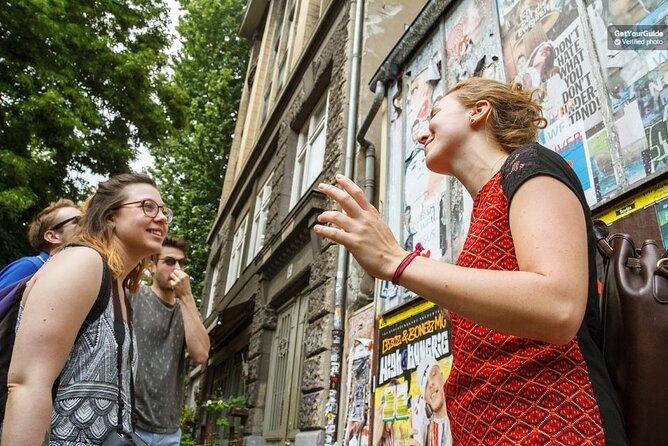
- Starts at Alexanderplatz, with an easy-to-find meeting spot and a white umbrella marker
- Murals plus alley-level details, so you learn how to read more than the obvious spots
- Squats and community projects included, which adds political and social context to the art
- Route flexibility helps you match what you want to see and what the day allows
- Späti culture and parks on the route, plus practical tips for food, music, and nightlife
Berlin street art is political, personal, and very walkable
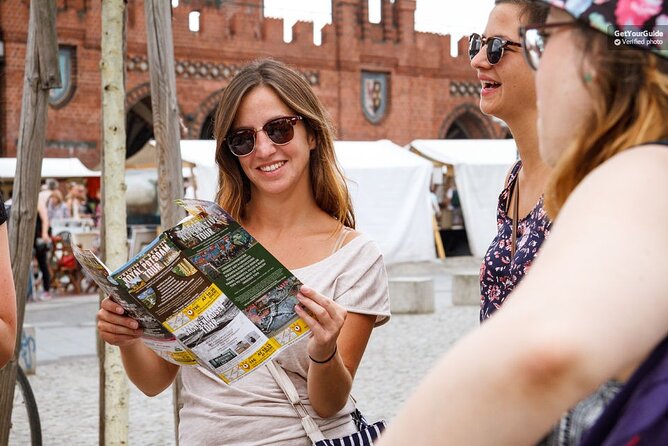
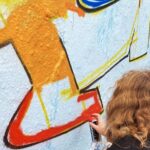
Berlin street art is not just decoration. It is communication: protest, identity, humor, grief, and pride, all stacked on the same wall where you happen to be standing. On this tour, you learn to look at the art like a local would—by paying attention to location, symbols, and why a piece exists in public.
The biggest win is that the tour does not treat graffiti as random. You are guided through the underground and alternative scene in a way that connects it to squats, community projects, and daily culture. That turns a 4-hour walk into a fast education on why Berlin looks the way it does.
You also get a social element. You are moving with other people, stopping to compare what you see, and sharing the same guide-led explanations. It is a good format if you want conversation without having to plan a night out.
You can also read our reviews of more tours and experiences in Berlin.


Meeting at Alexanderplatz: finding the white umbrella in time
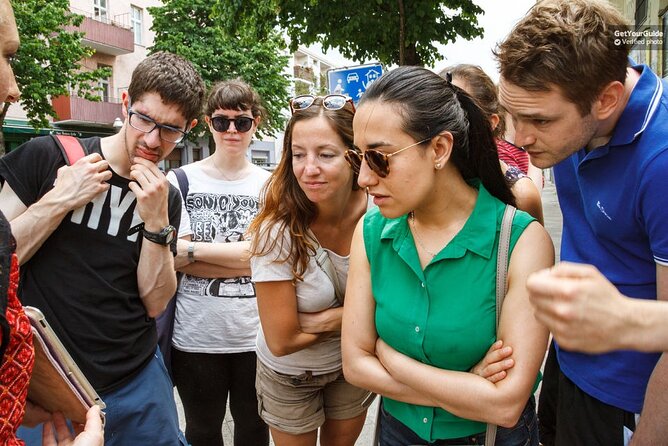
You start at Generator Berlin Alexanderplatz, specifically by looking for the white umbrella in front of the Premier Inn Berlin Alexanderplatz Hotel. The tour includes a clear reminder: you need to be on time because you have to catch the train.
That matters more than you’d think. Berlin is big, and a late start can compress the rest of your experience because the tour is time-based at 4 hours. If you are coming from another part of the city, give yourself extra buffer time so you can find the group without stress.
The tour ends back at the meeting point, so you do not have to solve the “how do I get back” puzzle afterward. It is also a nice way to close the loop at the end of a day when your feet might feel a little too honest.
How the route works: flexible neighborhoods, flexible walls
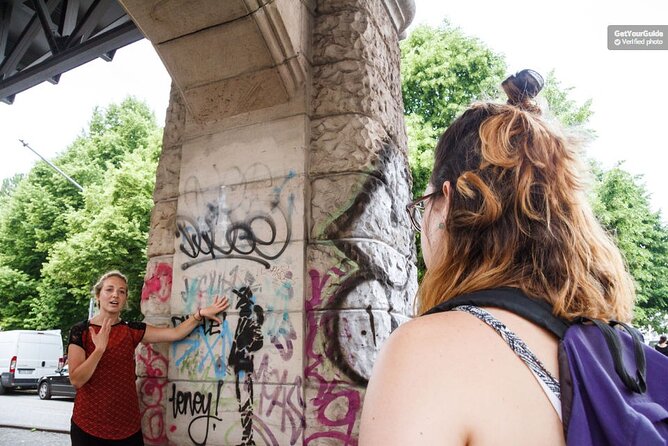
The tour focuses on three districts: Friedrichshain, Kreuzberg, and Neukölln. Within that framework, the route can change depending on the guide, the group’s interests, and the weather.
For you, that means two things. First, you are more likely to spend time where the art is strongest that day rather than only where it is easiest to photograph. Second, if your group leans more toward murals or more toward the “what is going on here socially” side, the guide can adjust.
The trade-off is consistency. You might not see the exact same set of stops every time because the tour is intentionally adaptive. I like that approach, but if you need a strict plan with no variation, you should know what you’re signing up for.
Friedrichshain stops: murals in public and messages in the margins
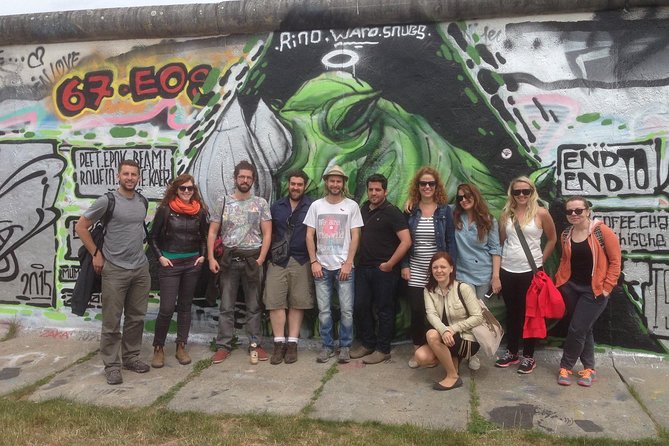
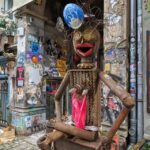
In Friedrichshain, you are set up to notice the spectrum of Berlin street art—big pieces on prominent surfaces and smaller work hiding in more casual spots like alleys. The guide helps you see the difference between artwork that is mainly visual impact and artwork built around a specific message.
You’ll learn how to connect what you see with why it was created. That can mean interpreting symbols, understanding the tone of a piece, or hearing the story behind an artist or a group. Even when you do not agree with the message, you start to understand the context.
Practical tip: bring your best walking shoes. This is a street-art experience, and that means you will likely be moving through areas where sidewalks, courtyards, and side streets change fast. A steady pace keeps the tour fun instead of tiring.
Kreuzberg: squats, community projects, and Späti culture

Kreuzberg is where the alternative side of Berlin really comes into focus. The tour includes visits to notable squats and community projects, so you see street art as part of a bigger ecosystem, not a random aesthetic choice.
This context is important. When you understand how squats and community initiatives fit into Berlin’s modern story, the artwork stops feeling like a stand-alone phenomenon. Instead, it reads as commentary coming from real people with real space to create.
You’ll also get Späti culture on the route—those late-night shops that feel like Berlin’s social glue. It is not just a fun stop. It’s an example of how the city’s alternative routines show up in everyday places, not only in galleries.
Along the way, you’ll hear insider ideas for where to find live music, places to eat, and what kind of nightlife to look for next.


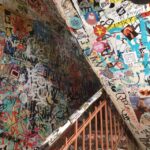

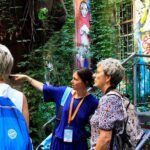

Neukölln: parks, bars, and the “where to go after” part
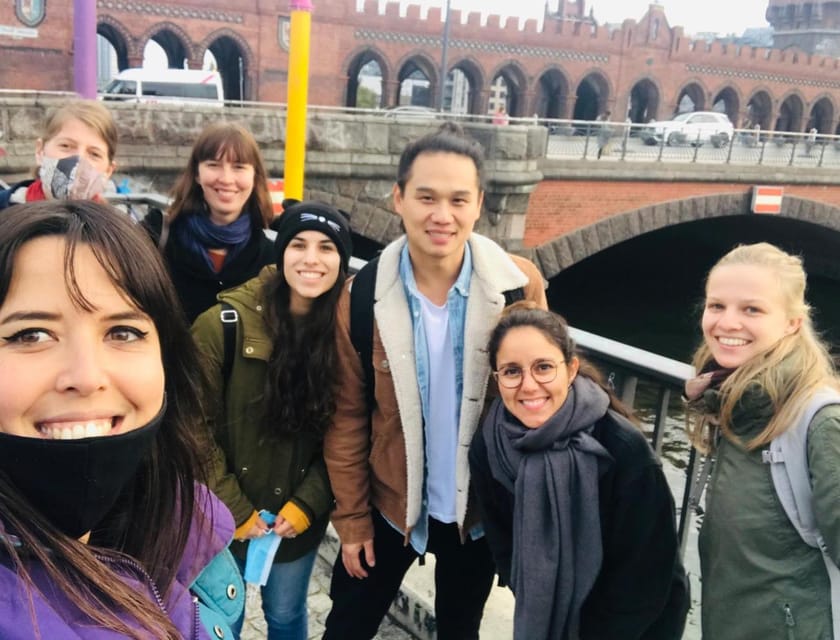
Neukölln rounds out the walk with more chances to soak up the mood of the neighborhood. This is where parks and casual hangout spaces can enter the picture, giving you a few moments to reset your brain between art stops.
The tour also points you toward trendy bars where you can keep the evening going. I like this part because it turns the tour from education into momentum. After 4 hours of learning, you do not want to stand around wondering where to eat or how to make your night click.
You get more than just a list of venues. The guide shares practical recommendations for live music, clubs, and local dining spots based on what you’re into. If you like techno, indie, or something in between, you have a better shot at choosing well.
What you are really paying for: guidance, context, and smart recommendations
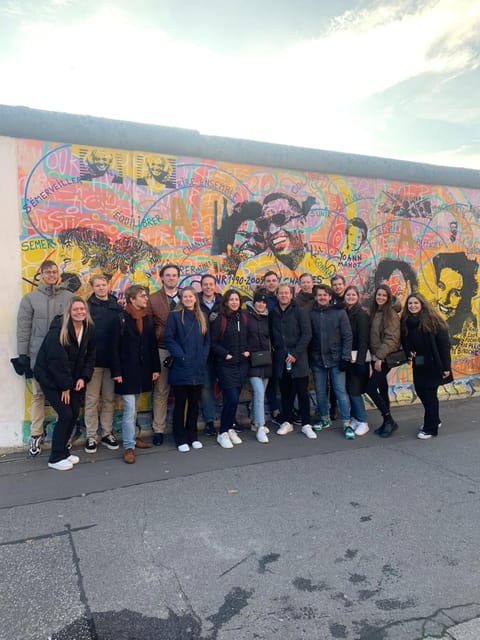
At $22 per person for about 4 hours, this is one of those deals where the price makes sense when you look at what’s included. You are paying for an expert guide to interpret what you see, not just to walk beside you.
The tour includes guided exploration of the districts and insider commentary on street art, graffiti, and alternative culture. It also includes visits connected to squats and community projects, which adds meaning beyond surface-level sightseeing.
Then there are the practical tips: where to go for live music, clubs, and local dining. Those recommendations can save you time and money after the tour because you avoid the trial-and-error phase.
Also worth noting: food and drinks are not included, so you can keep your preferences. If you want a quick bite at a local place, or you prefer to plan a proper meal on your own, you are not locked in.
Group vibe and pacing: social, laid-back, and built for conversation
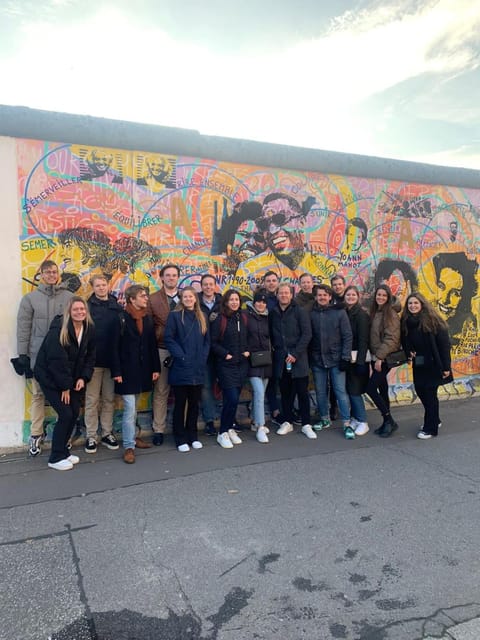
This tour is designed to be laid-back and social. You are not treated like a silent school group marching from point A to point B. You can stop, ask questions, and chat with fellow travelers while still keeping things moving.
That matters because street art is personal. Two people can stand in front of the same mural and take away totally different meanings. A good guide helps you hear multiple angles without turning it into an argument.
Pacing also helps with weather. Since the route can shift based on weather conditions, you are not stuck forcing it through miserable conditions just to hit a checklist.
One detail from guide praise that I’d take seriously: a guide named Ronja is highlighted for making the tour both fun and informative. That kind of energy is exactly what you want on a walking tour that depends on attention and storytelling.
Practical tips before you go
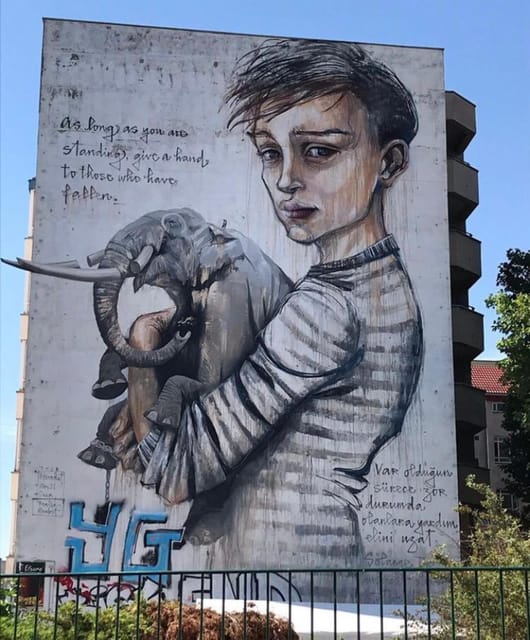
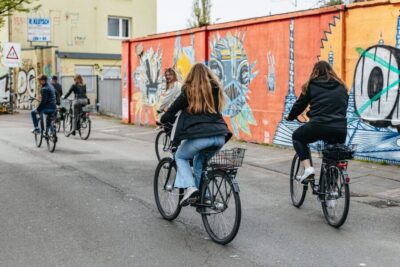
First, plan for a walking experience. This is a street-art tour across multiple districts, and the whole point is seeing art up close and in context. Wear comfortable shoes and bring a layer for changing Berlin weather.
Second, decide how you’ll handle food. Since food and drinks are not included, you can either grab something on your own during the tour or use the guide’s suggestions afterward. Either way, it is on you, which is often a good thing.
Third, remember public transportation tickets are not included. The tour meets at Alexanderplatz, and since there is mention of catching a train at the start, it is smart to already understand your transit plan for getting there.
Lastly, the tour is English and wheelchair accessible. That makes it easier for a wider range of travelers to join and follow along.
Who should book this alternative street art tour
This tour is a great match if you want Berlin beyond the main postcards. You’ll enjoy it if you like street art, graffiti, and the culture behind it—especially when it connects to squats, community projects, and everyday spots like parks and Späti shops.
It’s also solid if you like meeting other travelers. The social atmosphere makes it easier to talk to people without forcing it.
You might skip it if you only want famous, fixed landmarks with no variation and minimal walking. This experience is about seeing the city’s alternative side through a guide’s interpretation, not ticking off must-see monuments.
Should you book it?
I’d book this tour if you want value that goes beyond photos. For $22, you get a 4-hour walk with context, district-level focus across Friedrichshain, Kreuzberg, and Neukölln, plus practical recommendations for food, music, and nightlife.
The high rating—4.4 out of 5 from 18 reviews—is a good sign that the guide experience lands well. And the flexible route means you are more likely to see art that fits the day, not just the calendar.
If you are the type who enjoys street-level storytelling and you’re ready to look carefully, this is a smart way to spend half a day in Berlin.
FAQ
Where does the Berlin Alternative Street Art Tour start?
It starts at Generator Berlin Alexanderplatz. Look for the white umbrella in front of the Premier Inn Berlin Alexanderplatz Hotel.
How long is the tour?
The duration is 4 hours.
Which neighborhoods are covered?
The tour explores Friedrichshain, Kreuzberg, and Neukölln.
What language is the tour guide?
The tour is conducted in English.
What’s included in the price?
Included are the guided tour through the neighborhoods, expert commentary on street art and alternative culture, visits to notable squats and community projects, exploration of parks and Späti’s, and insider tips on live music venues, clubs, and local dining spots.
What is not included?
Food and drinks are not included, and public transportation tickets are not included.
Is the route flexible?
Yes. The route can change based on the guide, the group’s interests, and the weather.
Is the tour wheelchair accessible?
Yes, the tour is wheelchair accessible.
Does it end where it starts?
Yes. The tour ends back at the meeting point.