REVIEW · CHICAGO
Chicago: Offbeat Guided Street Art Tour
Book on GetYourGuide →Operated by Offbeat Street Art Tour · Bookable on GetYourGuide
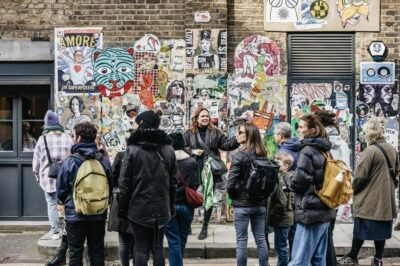
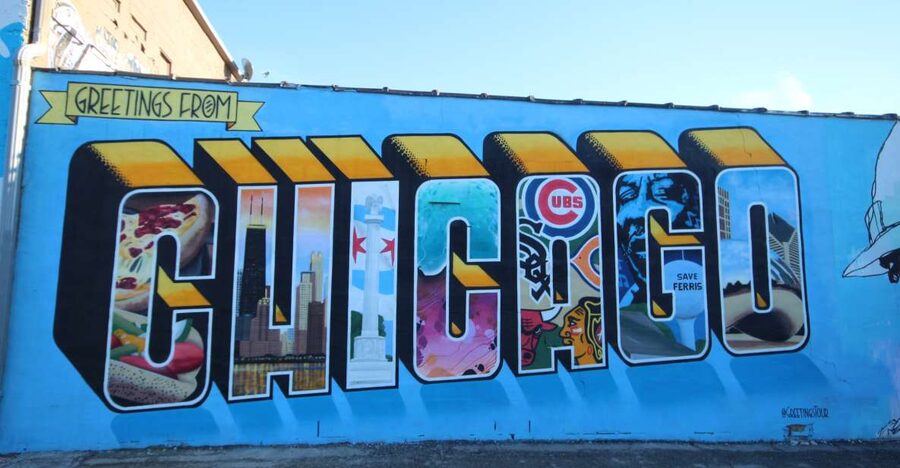
Street art turns Chicago corners into stories. On this guided street art tour, you’ll roam three of the city’s most art-forward neighborhoods and learn what’s behind the walls, not just what’s on them. It’s a moving “living gallery” where the city changes daily.
I especially like the way the guide connects each piece to local artists and the ideas that inspired it. I also like the energy of seeing street art created in real time while you’re right there on the sidewalk. A possible drawback: the tour is serious and walking-heavy, so keep expectations realistic if you want light, joke-heavy banter or if your pace is slow.
This experience is not suitable for people with mobility impairments, and you’ll want to plan for being on your feet for the full two hours. You’ll get the most out of it if you enjoy details and want context as you walk from wall to wall.
In This Review
- Key Things I’d Put on Your Radar
- Turning Chicago Blocks Into a Street-Art Lesson (Not Just Photos)
- Where You Start: The Goddess and Grocer Near Damen
- Wicker Park, Bucktown, and Logan Square: Why These Neighborhoods Matter
- What You’ll Learn at Each Wall: Inspiration, History, and Meaning
- Watching Art Get Made While You Walk
- Price and Value: Does $40 Make Sense?
- Pace, Weather, and What to Bring (So You Don’t Hate It)
- Rules of the Sidewalk: What’s Not Allowed
- Who Should Book This Street Art Walk?
- The Most Common Sweet Spot: A Guide Who Explains and Adjusts
- Should You Book the Offbeat Guided Street Art Tour?
- FAQ
- Where do I meet the guide?
- How long is the tour?
- What neighborhoods does the tour cover?
- What’s included in the price?
- Is the tour guided in English?
- What should I bring?
- What is not allowed during the tour?
- Is the tour accessible for people with mobility impairments?
- Can I cancel for a refund?
- Do I have to pay right away?
Key Things I’d Put on Your Radar
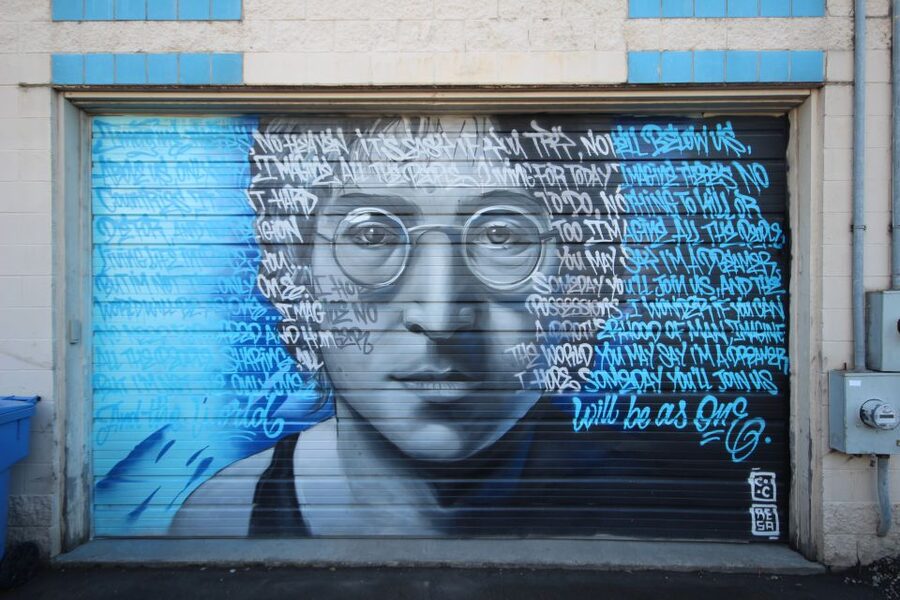
- Wicker Park, Bucktown, and Logan Square: three neighborhoods where street art feels like part of everyday life
- Artist context at each stop: you’ll hear inspiration and history tied to the specific pieces
- Live creation moments: you may watch artists paint while you’re there
- A guide who answers questions: the best sessions include time to ask what you want to know
- Orientation before you walk: a short overview at the start helps everything click faster
- Hot-weather practicality: on warm days, the guide can steer you toward shade when possible
Turning Chicago Blocks Into a Street-Art Lesson (Not Just Photos)

Chicago has a talent for making art feel public and immediate. This tour leans into that idea by treating the city like a gallery you can walk through, where the “exhibits” are on building walls and in alleys you’d otherwise pass.
What makes the experience work is the pairing of location and explanation. You’re not just collecting pictures of cool images—you’re getting the why behind them, and that changes how you see what’s around you.
At $40 for a roughly two-hour walk, it’s also a good value if you like context. If you only want a casual stroll, you could do a self-walk for free; but if you want stories and artist perspective, the guide helps you read the neighborhood faster.
You can also read our reviews of more tours and experiences in Chicago.
Where You Start: The Goddess and Grocer Near Damen

You’ll meet your guide at The Goddess and Grocer, a familiar landmark and an easy starting point for a neighborhood walk. If you’re using public transit, it’s about a block from the Damen Blue Line stop, which is handy when you’re trying to keep plans simple.
Before the walking portion, the experience usually includes an upfront orientation. That early overview matters because it gives you a framework for what you’ll be seeing—so your first few stops don’t feel random.
Bring your camera, water, and comfortable shoes. You’ll be moving the whole time, and you’ll want to stop quickly for details without scrambling for your bag.
Wicker Park, Bucktown, and Logan Square: Why These Neighborhoods Matter
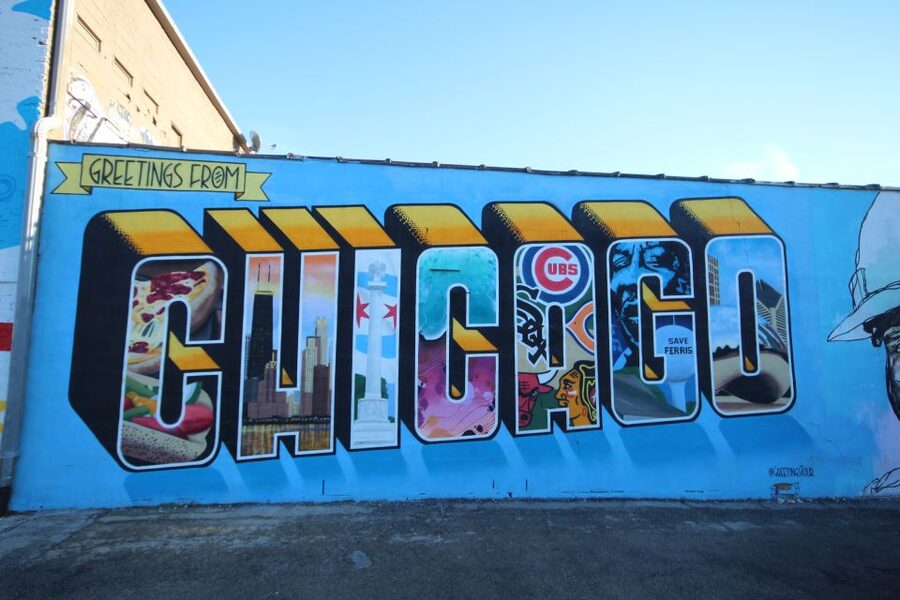
The tour focuses on Wicker Park, Bucktown, and Logan Square, and each area has its own street-art vibe. The goal isn’t to cover every wall in sight. It’s to move through a few neighborhoods where you’ll reliably find pieces that are worth stopping for.
Wicker Park is where street art can feel like a conversation with the neighborhood. You’ll get a sense that people watch these walls, not just tourists with cameras. That matters because street art is often about community attention and local identity.
Bucktown adds another layer, and Logan Square rounds out the mix. Together, these stops help you see street art as something that evolves with place—not one style repeating forever on every block.
A practical note: you’ll likely spend more time at stops than you expect, since the guide explains each piece as you approach it. That’s part of the payoff, but it also means you’ll want to pace yourself for a steady walk rather than a grab-and-go photo mission.
What You’ll Learn at Each Wall: Inspiration, History, and Meaning

This is a tour built around interpretation. At each stop, you’ll hear about the street art piece and what shaped it—its inspiration and background, and how the artist thought about the message.
That storytelling is what turns the experience from “pretty art” into “understandable art.” Chicago street art can include social themes, personal statements, and references to local culture, and the guide’s job is to help you connect the dots without making you feel lost.
The best sessions also take questions seriously. In strong tours, guides slow down when people ask, and you leave feeling like you got answers instead of just a lecture. Names from recent guides include Briana and Brian, and both have been praised for strong explanations.
If you prefer a light, rapid-fire tour with minimal talking, this might feel a bit structured. But if you want to know why a piece exists and how it fits the neighborhood, this format is exactly what you’re paying for.
Watching Art Get Made While You Walk
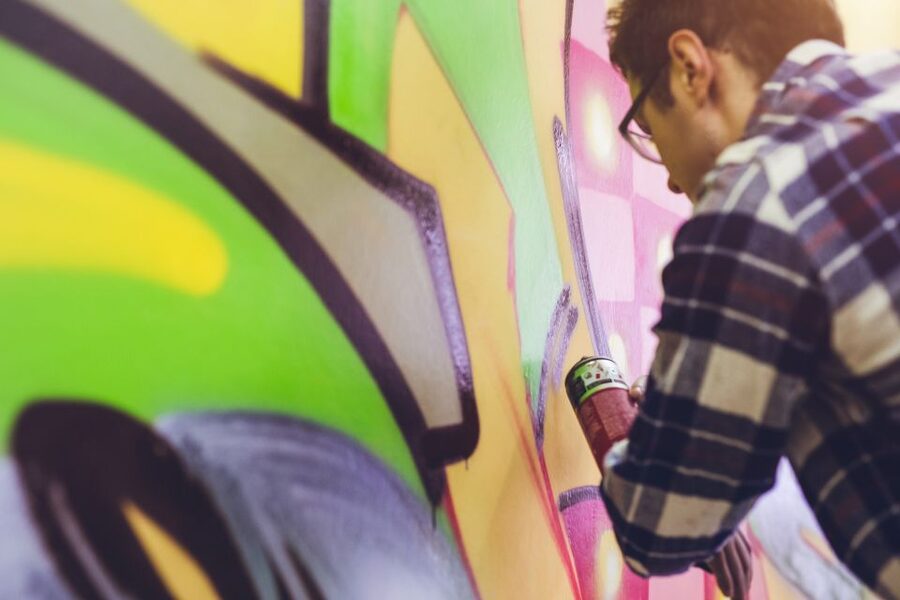
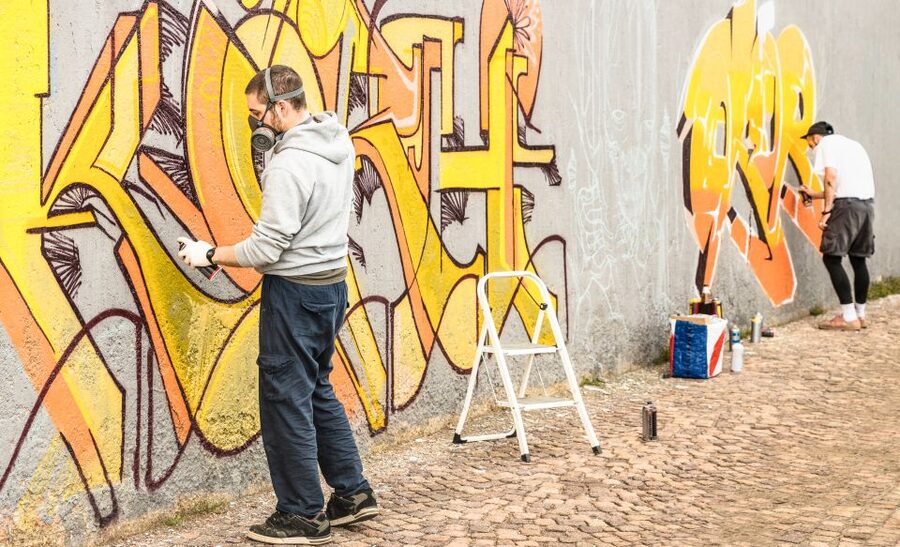
One of the most memorable parts is the chance to see artists create work right in front of you. That changes the whole atmosphere, because street art becomes process, not just product.
Even when you’re only watching for a short window, you’re seeing something rare: the artist’s decisions unfolding in real time. You can notice how quickly a plan becomes a finished piece, and you start appreciating the skill and risk involved.
This is also one reason the tour feels timely. Chicago street art doesn’t stay frozen. Walls change, pieces get updated, and new work appears around the corner, so your walk feels like it’s happening inside an active scene.
If you’re the kind of person who loves behind-the-scenes moments, this element is a big deal. It’s not just “look at the wall.” It’s also “watch the wall get born.”
Price and Value: Does $40 Make Sense?
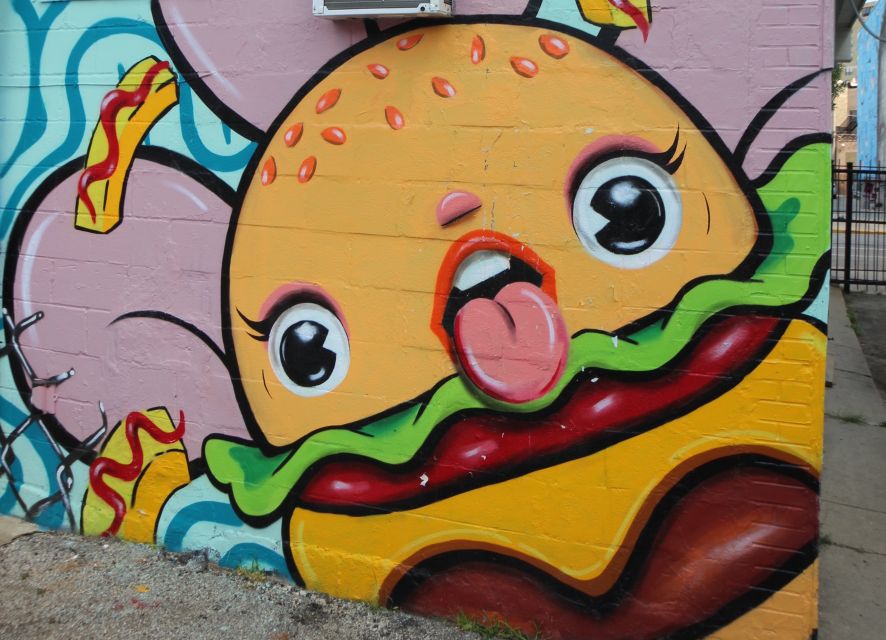
At $40 per person for about two hours, you’re paying for three things: a guided route, knowledgeable interpretation, and access to live-painting moments when they happen. That’s not the cheapest option in Chicago, but it’s also not overpriced for what you get.
Here’s how I think about the value:
- You’re paying to save mental effort. The guide helps you read the art without needing to research each piece before you arrive.
- You’re paying for time. The tour format is designed to slow down at the right spots so you can actually absorb details.
- You’re paying for context that self-guided walks usually skip.
If you’re traveling with someone who just wants photos and doesn’t care about the backstory, you might feel the cost more. But if you want to understand the street art scene and see neighborhoods like Wicker Park and Logan Square through an art lens, $40 feels reasonable.
One more thing: the experience has a strong rating—about 4.7 out of 5 with 38 bookings—so expectations are set that guides usually deliver. That doesn’t guarantee every tour is perfect, but it’s a good sign that the format tends to work.
Pace, Weather, and What to Bring (So You Don’t Hate It)
Two hours on foot is straightforward, but it’s still a real walk. Wear comfortable shoes—not your “looks good in pictures” pair. Plan on stopping often and moving again.
Bring water and dress for the weather. Chicago can swing from comfortable to sweaty fast, and that affects how much you enjoy standing around to look closely at walls.
One practical detail from strong past tours: on very hot days, the guide has taken extra steps to keep stops in the shade. That’s exactly the kind of service you want from a guide—small adjustments that make the tour feel thoughtful instead of just timed.
If rain is in the forecast, wear weather-appropriate clothing. Street art is outdoors, so this is not the kind of activity that hides from weather.
Rules of the Sidewalk: What’s Not Allowed
The tour has clear boundaries. No weapons or sharp objects and no alcohol and drugs are allowed. Firework and explosive substances aren’t allowed either.
It’s a normal safety-and-comfort policy for a walking experience. The bigger point for you is simple: keep it low-key, show up ready to walk, and expect the focus to stay on the art and the stories behind it.
Who Should Book This Street Art Walk?
This tour is best for you if you enjoy street art as culture, not just as decoration. If you like learning the ideas behind public art, and you want a guided route through neighborhoods that feel connected to creativity, you’ll likely love the format.
It’s also a good fit if you’re pairing art with a neighborhood day. After two hours, you’ll have a stronger sense of where to wander next—still within the same general vibe—without feeling like you’re just guessing.
If you want something more physical, this walk is manageable for most able-bodied adults, but it’s still continuous. And if you have mobility needs, it’s not suitable.
The Most Common Sweet Spot: A Guide Who Explains and Adjusts
The tour’s strongest moments usually come from how the guide handles two things: explanation and flexibility. On well-run tours, you get enough context to understand what you’re looking at and enough time to ask questions without rushing people.
Guide style can vary. One experience had a guide who was late and moved at a slower pace with less humor, and that didn’t land for everyone in that group. On the flip side, other sessions praised guides for being informative, patient, and quick to respond to questions.
So here’s my balanced advice: come in expecting a street-art education walk, not a comedy show. If that matches your style, you’ll likely have a great time.
Should You Book the Offbeat Guided Street Art Tour?
If you want a guided way to see Chicago street art in real neighborhoods—especially around Wicker Park, Bucktown, and Logan Square—this is a solid pick. The $40 price makes sense when you factor in interpretation and the chance to see art created while you’re there.
Book it if:
- you enjoy stories and meaning behind what you’re viewing
- you want to understand the local artist mindset, not just collect images
- you like walking city neighborhoods with a plan
Skip it if:
- you want minimal talking and maximum spontaneity
- you can’t do two hours of walking
- you prefer art with less context and fewer stop-and-explain moments
If you’re excited by the idea of turning corners into stories, this is a good way to spend a couple hours in Chicago.
FAQ
Where do I meet the guide?
Meet your guide at The Goddess and Grocer. If you’re using public transportation, it’s about a block away from the Damen Blue Line stop.
How long is the tour?
The tour lasts about 2 hours.
What neighborhoods does the tour cover?
You’ll walk through Wicker Park, Bucktown, and Logan Square.
What’s included in the price?
The walking tour through the neighborhoods and the services of a live tour guide are included.
Is the tour guided in English?
Yes, the tour guide speaks English.
What should I bring?
Bring comfortable shoes, a camera, water, and weather-appropriate clothing.
What is not allowed during the tour?
Weapons or sharp objects are not allowed. Alcohol and drugs are not allowed. Firework and explosive substances are also not allowed.
Is the tour accessible for people with mobility impairments?
No, the tour is not suitable for people with mobility impairments.
Can I cancel for a refund?
Yes. Free cancellation is available up to 24 hours in advance for a full refund.
Do I have to pay right away?
No. You can reserve now and pay later, keeping travel plans flexible.