REVIEW · BERLIN
Street Art & Berlin Gay, Queer, Trans History + Free Gay Map
Book on GetYourGuide →Operated by Gali Jaffe - Archaeology Online · Bookable on GetYourGuide
One of Berlin’s best stories is painted on walls. This Street Art & Berlin Gay, Queer, Trans History walk mixes color, candid talk, and real landmarks in Schöneberg and Nollendorf—at a pace that fits a short visit. I love that the guide is a trans woman (Gali Jaffe) who brings lived perspective, and I love the mix of art stops plus names you’ll keep hearing around Berlin’s queer scene. The only real drawback: it’s not for kids, since it’s listed as not suitable for children under 16.
What makes this tour genuinely useful is how it gives you both images and context. You’ll start at Wittenbergplatz, see standout street art in lesser-walked corners, make a quick hop by public transport, then land in the neighborhoods tied to people and places like Magnus Hirschfeld and the El-Dorado club area. If you expect a long, sit-down museum experience, this is more of a moving, street-level lesson—great for getting oriented, less great if you want hours of indoor exhibits.
In This Review
- Key points before you go
- Street Art, queer landmarks, and why two hours is enough
- Price and logistics in plain terms
- Where the tour begins: Wittenbergplatz and the KDW area
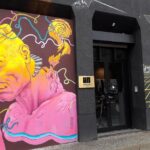
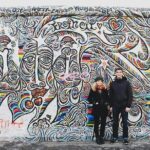
- The opening walk: street art you can actually learn from
- Schöneberg guided time: moving from art into place
- Urban Nation Gallery: a short guided look plus free time
- The Nollendorf stroll: Christopher Isherwood, El-Dorado, and Hirschfeld
- The most unique church stop: why it fits this tour
- How the “personal tour” feel shows up in real life
- Mobility and comfort: what to plan for
- The included free Berlin Gay Map: why it’s more than a freebie
- Who this tour is for (and who it might not be)
- My booking advice: should you book this?
- FAQ
- Where does the tour start?
- Where does the tour end?
- How long is the tour?
- What language is the tour in?
- How big is the group?
- Is the tour wheelchair accessible?
- Do I need a public transport ticket?
- Is the tour suitable for children?
- What’s included in the tour besides the guided walk?
- Is free cancellation available?
- What topics and places are covered?
Key points before you go
- Small group (max 10): easier questions, more personal pacing, less rushing.
- Expert trans woman guide (Gali Jaffe): a perspective-forward explanation of queer, trans, and community history.
- Street art plus landmarks: murals aren’t just decoration here; they connect to place and people.
- Urban Nation stop with free time: you get a brief gallery reset and a chance to look around.
- Schöneberg and Nollendorf area focus: you’ll walk through the part of Berlin where a lot of this story still shows up.
- Free Berlin Gay Map included: practical after the tour, not just a souvenir.
Street Art, queer landmarks, and why two hours is enough

Berlin can feel like a million things at once. This tour is smart because it narrows the focus without making it small—street art, a specific church stop, and a set of queer history landmarks in Schöneberg and Nollendorf, all within about 2 hours.
At $57 per person, you’re not paying for a huge production. You’re paying for a guide who can connect what you see on the wall to the names and institutions that shaped queer and trans life in Berlin—then translate that into a route you can repeat on your own later. For a first or second day in town, that’s strong value.
You can also read our reviews of more tours and experiences in Berlin.


Price and logistics in plain terms

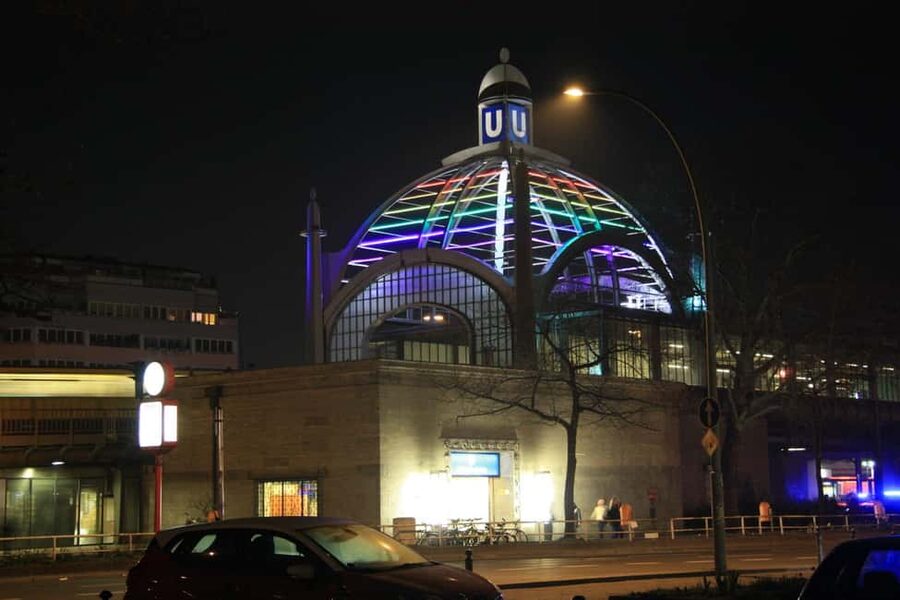
You’re looking at a 2-hour, English-language, live-guided walk with a small group (up to 10 people). The tour starts at Wittenbergplatz, at the entrance to the underground station in front of KDW department store, and it ends back at the same meeting point.
One practical point matters a lot: bring a public transport ticket. The itinerary includes short transit hops (about 5 minutes) between segments, so don’t show up hoping you can walk every step.
Also, it’s not suitable for children under 16. If you’re traveling with younger kids, you’ll need a different plan.
Where the tour begins: Wittenbergplatz and the KDW area
You’ll meet at Wittenbergplatz—in the station entrance in front of KDW—which is a good starting choice. It’s easy to find, and it puts you close to major transit connections so you can actually fit this tour into a packed itinerary.
From that start point, the route quickly shifts into the main theme: color and street-level storytelling. Rather than starting with a lecture, the tour gets you looking right away. That matters because Berlin’s street art works best when you’re primed to notice layers: style, symbols, and how certain neighborhoods hold onto memory.
The opening walk: street art you can actually learn from

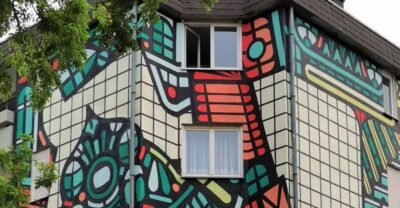
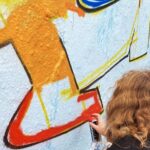
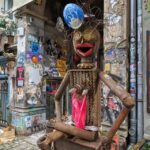
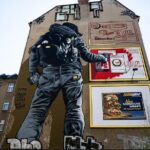
The first phase is a walk focused on mesmerizing street art in “less toured” Berlin areas. The key here is that the art isn’t treated like a random gallery wall. The guide uses the murals and graffiti as visual anchors—places where queer identity, community presence, and cultural shifts show up in paint.
I like this approach because it makes the city feel legible. Instead of collecting photos and moving on, you learn how to read what you’re seeing: where it is, what it signals, and why the area’s story matters. And since it’s done as part of a short tour, you won’t feel like you’re losing half a day to one topic.
Possible consideration: if you’re the kind of traveler who hates walking, this first section may feel like a lot in a compact timeframe. You’ll be on your feet during the art portion and then again for the Schöneberg sightseeing segment later.
Schöneberg guided time: moving from art into place
After the initial street art start, you’ll take a short public transport hop (about 5 minutes) to Schöneberg for a guided portion of about 40 minutes.
This is where the tour starts turning from “look” to “understand.” Schöneberg and nearby areas have been central to Berlin’s queer scene for a long time, and the tour uses that geography to help you map out what you’ll later notice on your own—clubs, meeting points, and the neighborhoods where community life formed.
Since this is a small group, you’ll have time for questions. That’s a big deal on tours like this, because the history can include names that mean a lot to some visitors and nothing to others. A good guide helps you bridge that gap without turning it into a textbook.



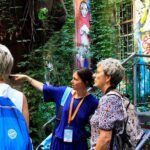

Urban Nation Gallery: a short guided look plus free time
Next comes Urban Nation, with a guided stop and then free time (about 20 minutes). This part is perfect for a couple reasons.
First, it gives you a breather. When you’ve spent time outside looking at murals, stepping into a gallery environment can help your eyes reset. Second, it lets you choose your pace. The guided portion puts context around the art, and then the free time lets you linger where something clicks for you.
You’ll probably walk away with more than just impressions. You’ll have a better sense of how street art in Berlin connects to identity, commentary, and visibility—especially in a city where walls have often carried messages when other channels were limited.
The Nollendorf stroll: Christopher Isherwood, El-Dorado, and Hirschfeld

After Urban Nation, you’ll return to Schöneberg for another guided sightseeing/walk segment (about 30 minutes) and then shift through the neighborhood of Nollendorf.
This is where the tour gets very specific, and it’s why I think the route is worth it even if you’ve heard names like these before.
Here’s what you’ll cover in this area:
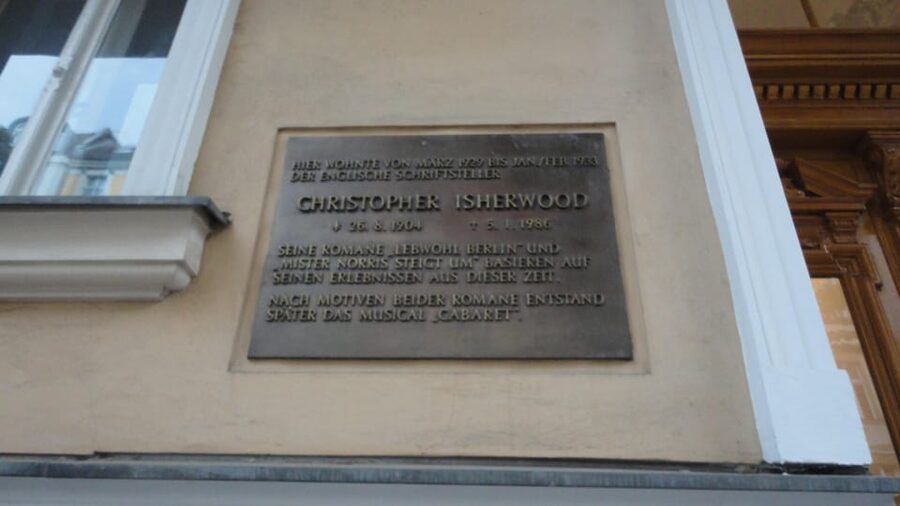
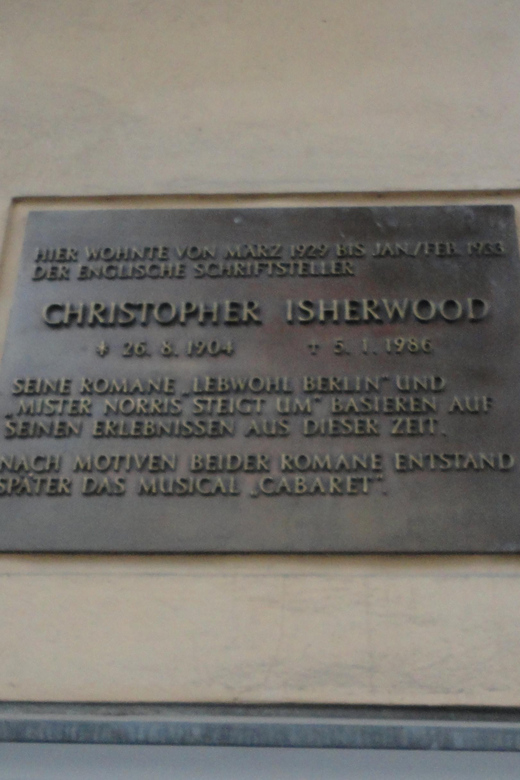
- The house of Christopher Isherwood (you’ll see the location tied to him)
- The El-Dorado club area (the tour points out the famous location)
- A discussion of Magnus Hirschfeld, including his Institute for the Science of Sexuality—described as world famous and among the first of its kind
I like that you don’t just hear about people. You see where the story sits in the city. That’s how places stop feeling abstract. Instead of “Berlin queer history” as a headline, it becomes a set of locations you can recognize later when you’re walking around.
One possible drawback here: since the tour is only 2 hours, this section doesn’t try to cover every detail of every person mentioned. It’s more like a guided orientation—powerful for your first exposure, but you’ll likely want to follow up afterward if you want deep research.
The most unique church stop: why it fits this tour
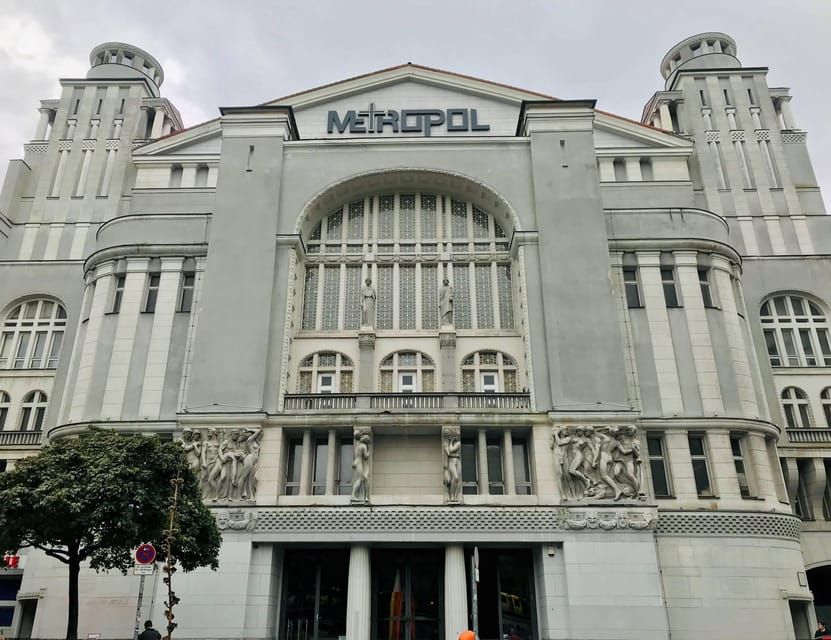
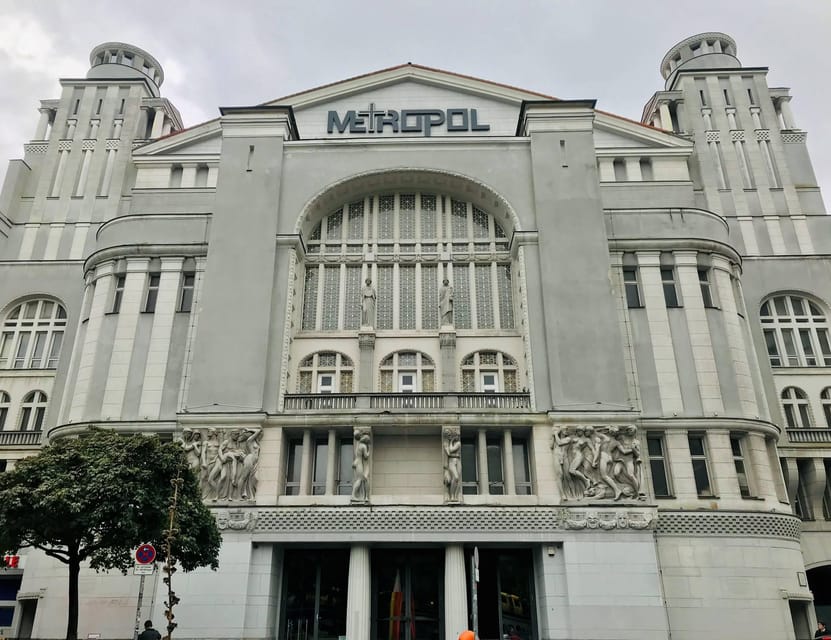
In the route you’ll also see the most unique and interesting church in Berlin (as described in the tour flow). The name isn’t specified in the tour details you provided, so I won’t pretend I can label it here.
But I can tell you why this kind of stop works in practice. Berlin isn’t just about nightlife and murals. It’s also about how public institutions and religious spaces sit next to the city’s shifting social realities. Dropping in on a church on a queer history + street art tour gives you contrast. It forces the story to be bigger than just one scene.
If you prefer strictly outdoor stops, this is still brief enough that it shouldn’t derail your day. If you enjoy variety, it adds a memorable texture to the walk.
How the “personal tour” feel shows up in real life

The highlights emphasize a personal tour feel and the guide’s ability to tailor the experience. From how these kinds of tours typically work in a small group (and how this one is designed with a 10-person cap), it usually means you can ask follow-ups and get your route explained in a way that matches your interests.
That matters a lot on a topic like queer, trans, and community history. People come with different questions—some want names, some want context, and some want to understand how art signals identity and resistance. A guide can adjust the emphasis, and that’s when these tours stop feeling like a generic walking slideshow.
Mobility and comfort: what to plan for
The tour is listed as wheelchair accessible, which is a big plus for a Berlin walking experience. Still, you’ll have outdoor walking time and a couple of public transport hops. If you’re traveling with mobility constraints, bring your own comfort planning: wear supportive shoes, and be ready for stops and starts.
Also, the tour is English only, so make sure that matches your comfort level.
The included free Berlin Gay Map: why it’s more than a freebie
You get a free Berlin Gay Map as part of the tour. This is one of those extras that actually helps you after the guide heads out.
A map matters because Berlin’s queer geography can be scattered. The tour helps you connect landmarks you’ll likely want to revisit—like the Schöneberg/Nollendorf area and the El-Dorado location—then the map gives you a way to keep exploring without guessing.
I’d treat it as your first “planning tool,” not a souvenir.
Who this tour is for (and who it might not be)
This experience is a strong fit if you:
- Want street art and history together, not separate tours
- Are visiting for the first time and want queer, trans, and community context in a specific Berlin area
- Prefer a small-group, question-friendly guide style
- Like tours led by a trans woman who can explain the subject with both expertise and perspective
It’s probably not your best match if you:
- Need a kid-friendly option (it’s not suitable for children under 16)
- Want a long museum-style deep study instead of a focused walk
- Hate walking and short transit segments
My booking advice: should you book this?
I’d book it if you want a compact, city-usable education. Two hours is exactly right for: getting your bearings, learning the main names and places (Hirschfeld, Isherwood, El-Dorado), and leaving with practical directions via the free gay map.
I’d hesitate only if your expectations are museum-only or you’re looking for a strictly indoors experience. Otherwise, the combination of street art, Urban Nation, and Schöneberg/Nollendorf landmarks is a smart way to understand Berlin’s queer and trans story without spending an entire day on one subject.
If you’re going to spend money on just one “context + atmosphere” tour early in your trip, this is the kind that pays off later when you’re walking around and noticing what you used to miss.
FAQ
Where does the tour start?
It starts at the entrance to the underground station Wittenbergplatz, in front of the KDW department store.
Where does the tour end?
It ends back at the starting meeting point in Wittenbergplatz.
How long is the tour?
The duration is 2 hours.
What language is the tour in?
The tour is conducted in English.
How big is the group?
The group is limited to 10 participants, making it a small group experience.
Is the tour wheelchair accessible?
Yes, the tour is listed as wheelchair accessible.
Do I need a public transport ticket?
Yes. You’ll want to bring a public transport ticket, since the tour includes public transport segments.
Is the tour suitable for children?
No. It is not suitable for children under 16.
What’s included in the tour besides the guided walk?
In addition to street art and the guided elements, it includes a stop at the Urban Nation Gallery and a free Berlin Gay Map.
Is free cancellation available?
Yes. Free cancellation is available up to 24 hours in advance for a full refund.
What topics and places are covered?
You’ll see street art, a church stop, Urban Nation, the Nollendorf area, the house of Christopher Isherwood, the location of the El-Dorado club, and learn about Magnus Hirschfeld and his Institute for the Science of Sexuality.