REVIEW · MONTREAL
Montreal: Guided Walking Tour of Montreal’s Murals
Book on GetYourGuide →Operated by Guidatour · Bookable on GetYourGuide
Montreal’s walls tell stories if you know where to walk. This guided street-art tour turns the city into an open-air gallery, with murals and graffiti across St-Laurent Boulevard and nearby side streets, plus photo-worthy stops in the Mural Festival Zone and the Entertainment District. It is an easy plan for a short layover or a full morning that still feels like you did something meaningful.
I love how the guide connects the art to Montreal culture, not just to aesthetics. You learn how the muralist movement grew from earlier popular themes and even national propaganda ideas into something Montreal-owned, especially as it developed through the 1970s. I also love the focus on real artists and specific works—expect names like Phillip Adams and David Guinn to come up as you walk, plus a chance to look for the techniques behind the images.
One thing to consider: this is a walking tour in real streets, and it runs rain or shine. If mobility is an issue, it is not set up for wheelchair users, and if you hate being on your feet for two hours, plan snacks and comfortable shoes.
In This Review
- Key Things You’ll Notice on the Murals Walk
- Where the Tour Starts: Maison du développement durable
- The Two-Hour Flow and Why the Timing Works
- St-Laurent Boulevard as an Open-Air Museum
- How Muralism Got Its Place in Montreal (and Why It Matters)
- Spotting Phillip Adams and David Guinn Up Close
- The Mural Festival Zone: Photo Stops With a Reason
- Entering the Entertainment District for a Different Street-Art Mood
- The Best Part: Guides Who Make You Look Differently
- What You’ll Actually Get Out of the Tour
- Price and Value: Is $25 Worth It?
- Who Should Book This Tour (and Who Might Not)
- Quick Practical Tips Before You Go
- FAQ
- How long is the Montreal murals walking tour?
- What does the tour cost?
- Where do I meet the guide?
- Is the tour offered in English and French?
- Is hotel pickup included?
- Does the tour run in bad weather?
- Should I bring anything?
- Is the tour suitable for wheelchair users or mobility impairments?
- Can I book a private tour?
- What is the cancellation situation?
- Should You Book This Montreal Murals Tour?
Key Things You’ll Notice on the Murals Walk
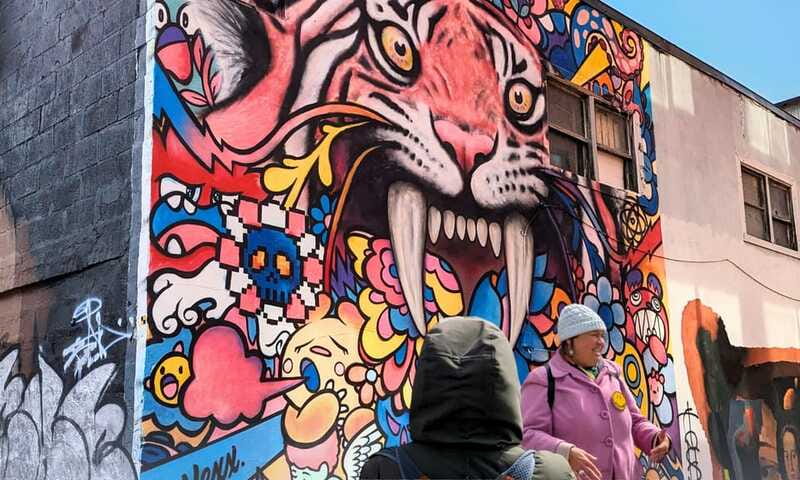
- St-Laurent Boulevard route with detours into surrounding streets and alleys, so you see more than the obvious walls
- Clear artist context as you go, with explanations of muralism’s rise and evolution in Montreal
- Phillip Adams and David Guinn mural stops that give you named works to look up later
- Mural Festival Zone photo moments tied to an event that helped democratize urban art
- Guides named Sarah and Maryse standing out in the way they explain and get you to places you’d skip
Where the Tour Starts: Maison du développement durable
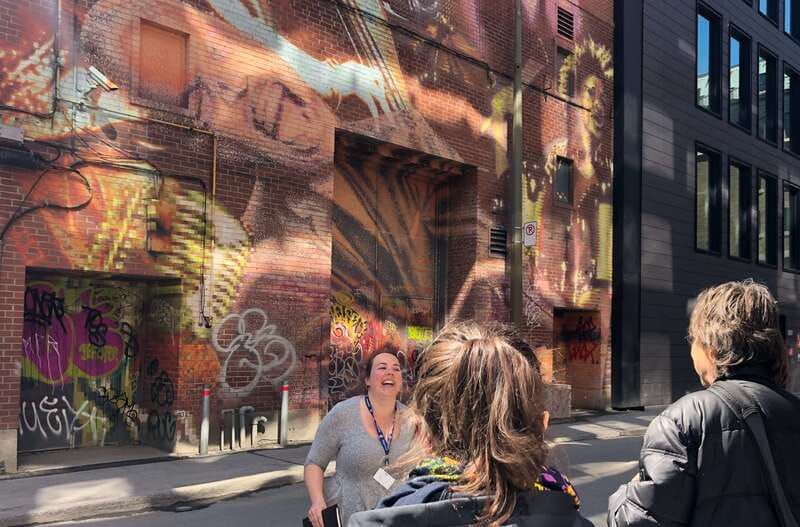
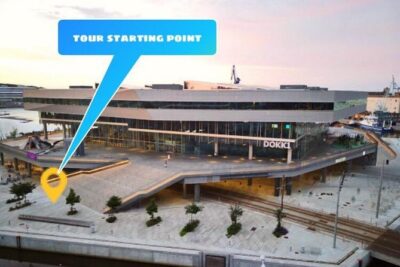
You meet your guide in front of the Maison du développement durable. It is a clean, obvious starting point, and it helps you get oriented fast before you head into the mural corridor. Because there is no hotel pickup or drop-off, you’ll want to build in a few minutes to arrive a touch early and settle in.
Once you start walking, the whole experience feels like a moving map. Your guide sets the pace, points out where to look up and where to look sideways, and keeps the focus on the art you are seeing right now—not a long lecture that only makes sense after you’re home.
You can also read our reviews of more tours and experiences in Montreal.
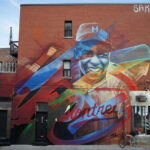

The Two-Hour Flow and Why the Timing Works
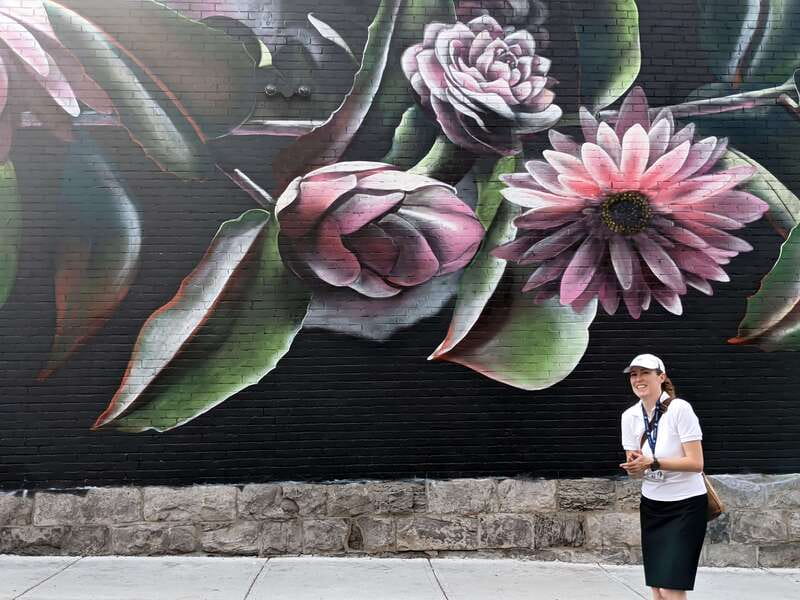
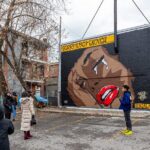
The tour lasts about two hours, which is perfect if you want street art without committing to half a day. The route emphasizes St-Laurent Boulevard first, then branches out into nearby lanes and alleys where murals often feel more personal, less staged, and more grounded in street life.
In a short window, you get a rhythm: stop, look closely, get context, then move on. That matters because murals aren’t just posters on walls. They are often shaped by the neighborhood around them, plus the artists and movements that helped make muralism a recognized part of Montreal’s identity.
Practical note: this is mostly sightseeing on foot. Bring comfy shoes and dress for the weather, since it runs rain or shine.
St-Laurent Boulevard as an Open-Air Museum
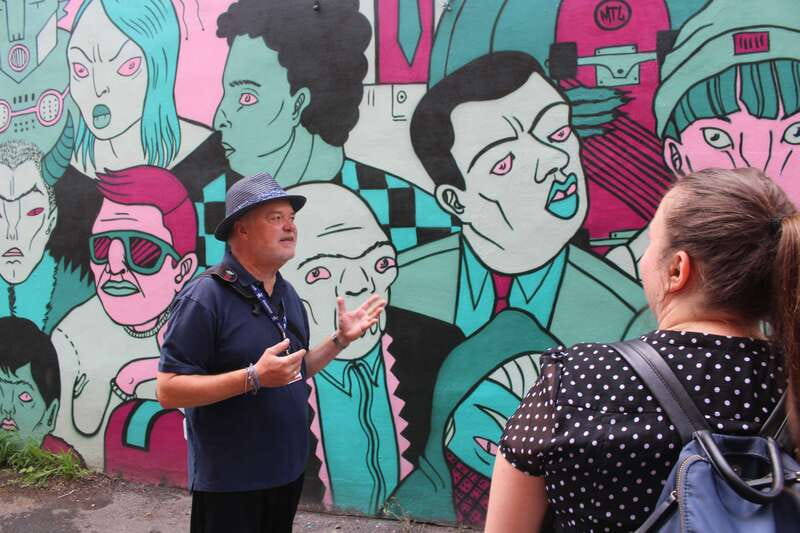
The heart of the walk is concentrated around St-Laurent Boulevard. This is where the tour earns its keep, because you can see how street art changes in style and message as the city shifts from block to block.
What I like about this setup for you is that it keeps things efficient. You do not have to guess where the good walls are, and you do not need to “tour” with your phone map the whole time. The guide shows you a path marked with eclectic works, so you keep moving through the best areas without burning time.
Also, the detours matter. Montreal street art often hides in plain sight: a side alley, a courtyard edge, a wall that only makes sense once you stand close. Those small turns are where you start understanding why the murals feel integrated into the city rather than stuck on it.
How Muralism Got Its Place in Montreal (and Why It Matters)
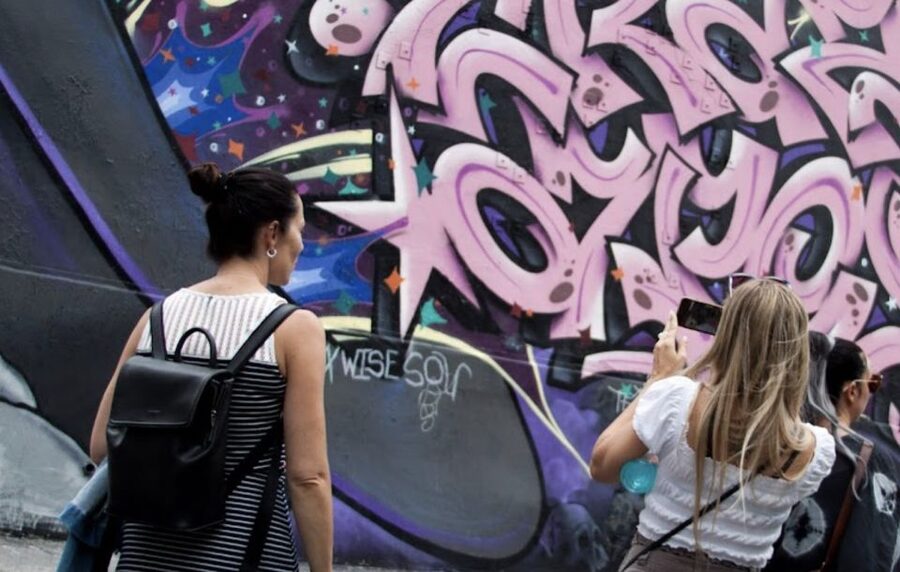
One of the most useful parts of this tour is the historical framing. You’ll hear how the muralist movement in Montreal grew over time—starting with popular themes and ideas that also reflected earlier national propaganda—then evolving into a local cultural force.
This is not history for history’s sake. It helps you read what you’re seeing. For example, knowing that muralism developed through the 1970s gives you context for why certain messages, styles, and public-facing goals show up the way they do. It also helps you notice the difference between a wall that is mainly decoration and a wall that carries social meaning.
Think of it like this: without context, you admire the image. With context, you understand why the image exists there, at that moment, for that city.
Spotting Phillip Adams and David Guinn Up Close
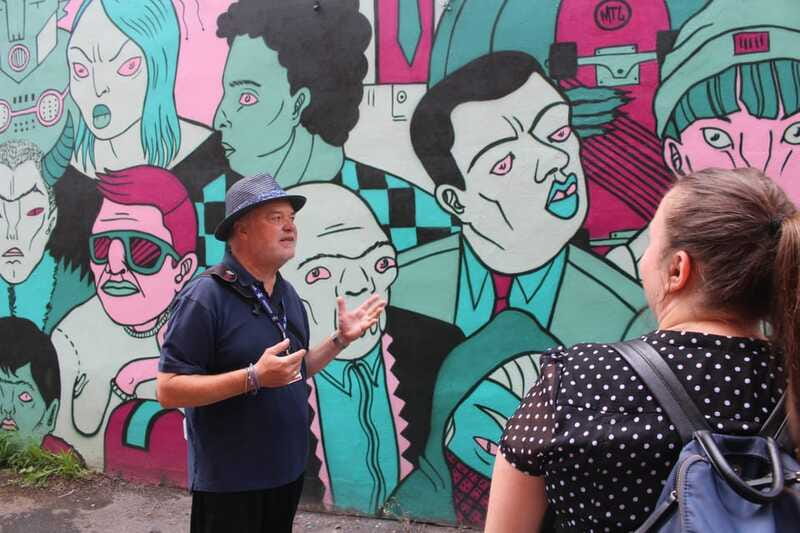
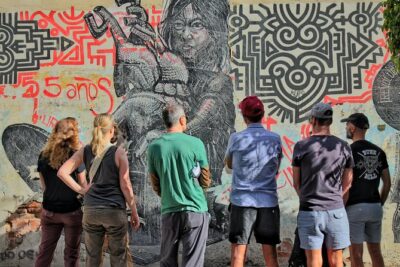
You will encounter works by renowned street artists like Phillip Adams and David Guinn. Having named artists on the route is a real advantage because you can connect visual details to a person’s style and themes.
When you stop at each piece, I find the key is not just photographing from a distance. Let your eyes adjust. Look for how the artwork interacts with the wall—color choices, scale, and how the composition reads from different angles.
And the guide’s commentary turns those observations into something you’ll remember. You get background on the artists and their subjects, and that makes the murals feel less like random street decoration and more like intentional public art.

The Mural Festival Zone: Photo Stops With a Reason
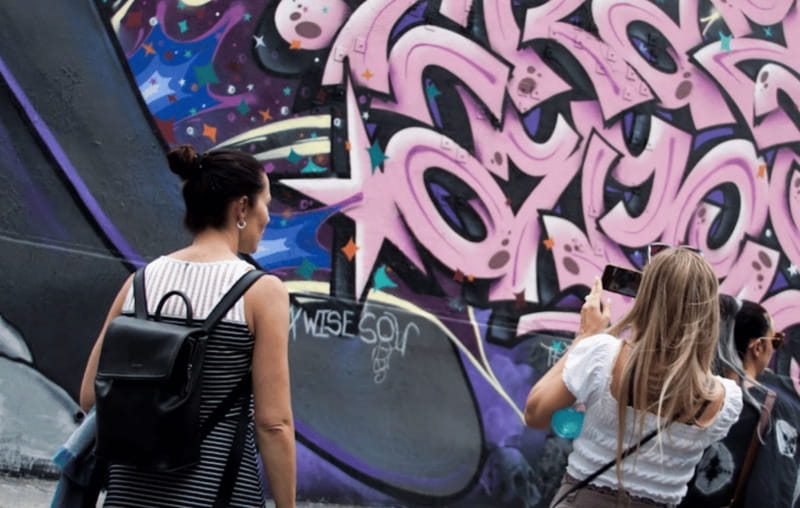
A highlight on this walk is the Mural Festival Zone, an area named after an event that played a key role in democratizing urban art. That detail changes how you think about the zone: it is not only a concentration of murals, it is tied to an effort to broaden who gets to experience and participate in this art form.
Practically, this is where you’ll snap your photos and take a breather between street segments. The murals here tend to be impressive and easy to frame, but the best move is still to look slowly. You’ll get more out of the colors, lettering, and composition if you take a few seconds longer than you normally do for quick pictures.
Entering the Entertainment District for a Different Street-Art Mood
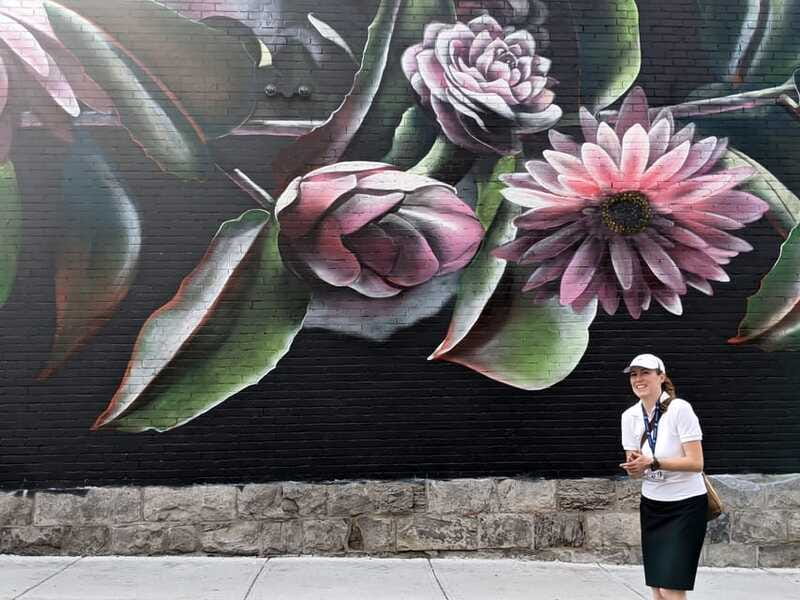
After the mural-focused stretch, the walk continues south toward the heart of the Entertainment District. This shift is useful because the vibe of street art often changes with the neighborhood.
Here, you’ll see works by artists including Phillip Adams and David Guinn again, but it feels different in context. The surrounding streets, foot traffic, and the role of public space all affect how murals land with you. It is the kind of comparison you cannot easily recreate on your own unless you already know the city’s mural geography.
If you like street scenes with people moving around, this part of the tour is a fun contrast to the quieter alley detours.
The Best Part: Guides Who Make You Look Differently
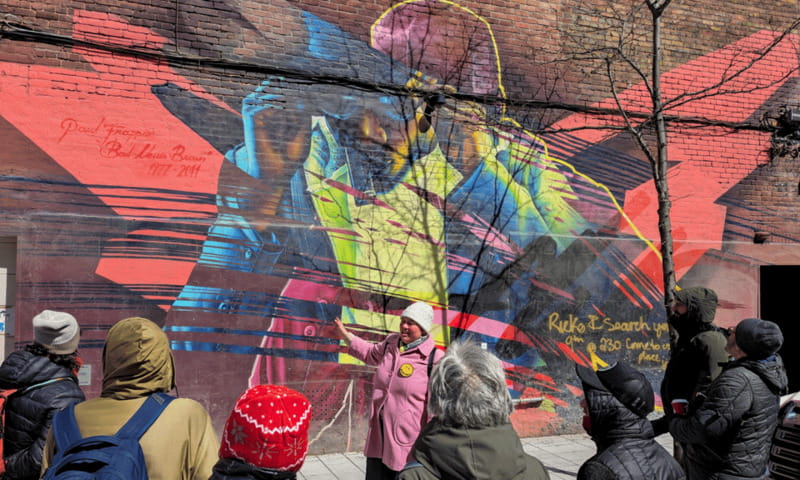
This tour is built around the guide. And the guides can make or break your experience, especially for street art where the details matter.
In the best outings, you can expect explanations to be clear and energetic, with real passion for the artists and collectives behind the walls. Names like Sarah and Maryse come up for a reason: people notice how friendly and professional they are, and how much they help you understand what you’re seeing.
I also appreciate the way guides steer you toward spots you might not naturally choose. That is the value of having a plan. Montreal has too many interesting corners to cover them blindly in two hours, so following a path marked by murals (and not just by landmarks) saves you time and leads you to better walls.
What You’ll Actually Get Out of the Tour
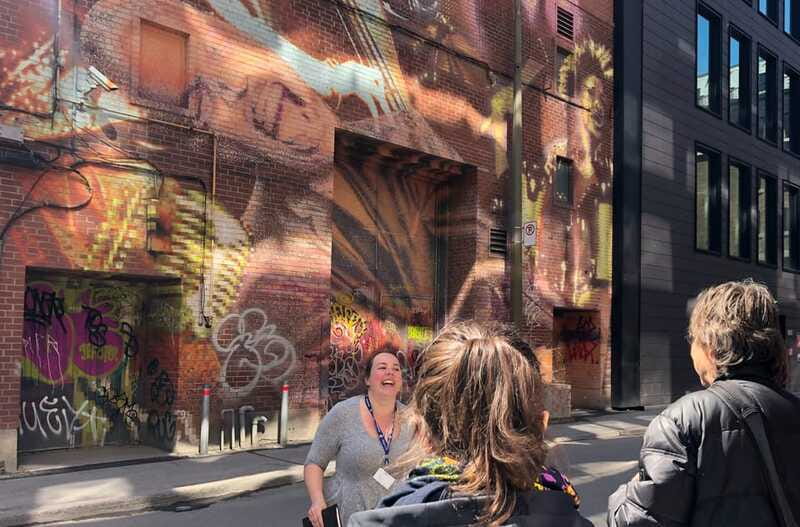
Here is what I think you’ll come away with, assuming you like street art and want the context to match.
- You’ll understand how muralism in Montreal developed and why it became culturally significant.
- You’ll recognize specific artists and learn what to look for in their subject choices.
- You’ll get a guided walking route that strings together murals into a coherent story.
- You’ll collect photo-worthy images in the Mural Festival Zone and memorable stops in the Entertainment District.
The tour’s strength is that it treats murals like public culture, not random decoration. That difference is what makes it worth doing with a guide instead of just wandering.
Price and Value: Is $25 Worth It?
At $25 per person for a two-hour guided walk, this is priced in the sweet spot for a city activity. You are paying for three things: a route you’d otherwise have to figure out, a guide who explains what matters, and a concentrated hit of murals instead of scattered searching.
Could you do something similar on your own? Sure. But in Montreal, street art rewards patience, and two hours disappears fast. The guide helps you spend that time looking closely at the right walls, with context that makes the visuals click.
If you want street art photography, history, and a structured stroll without a big budget, $25 feels fair.
Who Should Book This Tour (and Who Might Not)
This is a great fit if you:
- enjoy street art and want the story behind it
- want a short, high-impact activity that still feels cultural
- like learning about artists and how movements grow into local identity
You might want to skip or choose a different option if you:
- need wheelchair access or have mobility limitations (this one isn’t suitable)
- strongly prefer indoor activities
- dislike walking in the open, since it runs rain or shine
Also, be ready for real weather conditions. One review noted the heat, which matches the reality of walking during warmer months. Bring water when it’s hot, and dress for the day you get.
Quick Practical Tips Before You Go
- Wear comfortable shoes. You’ll be walking and stopping often.
- Bring a camera or phone with enough storage for mural shots.
- Dress for rain or shine, since the tour runs in both conditions.
- Arrive a little early so you can start calmly in front of the Maison du développement durable.
FAQ
How long is the Montreal murals walking tour?
It lasts about 2 hours.
What does the tour cost?
The price is $25 per person.
Where do I meet the guide?
Meet in front of the Maison du développement durable building.
Is the tour offered in English and French?
Yes. The guide speaks French or English.
Is hotel pickup included?
No, hotel pickup and drop-off are not included.
Does the tour run in bad weather?
Yes. It takes place rain or shine.
Should I bring anything?
Wear comfortable shoes. That is the main requirement listed.
Is the tour suitable for wheelchair users or mobility impairments?
No. It is not suitable for people with mobility impairments or wheelchair users.
Can I book a private tour?
Yes. Private or small groups are available.
What is the cancellation situation?
You can cancel up to 24 hours in advance for a full refund.
Should You Book This Montreal Murals Tour?
If you want street art with context—named artists, movement history, and a route that actually makes sense—book it. This is an efficient way to turn two hours into real understanding of Montreal’s mural culture, plus great photo stops in places like the Mural Festival Zone and the Entertainment District.
Skip it only if walking is a problem for you or if you’d rather do art exploration totally on your own. Otherwise, this is a solid use of time in Montreal, especially if it is your first trip and you want to get your bearings fast.