REVIEW · LYON
Lyon: Street Art & Street Food Tour
Book on GetYourGuide →Operated by ONCITY · Bookable on GetYourGuide
Street art in Lyon is more than photos on a phone. I love how this tour pairs Croix-Rousse street art with real street food tastings, and you learn how writers and artists read and work the walls. The main catch is simple: it’s a walk, and it may not suit people with mobility limits.
You meet your guide at the front of the fresque des canuts area in Croix-Rousse (Place des Tapis). In the guide team, you may run into names like Emma or Camélia, and sometimes an assistant such as Nita, which matches the warm, on-your-level vibe people describe.
In This Review
- Key highlights worth your time
- Croix-Rousse to the peninsula: why this route works
- Starting at the fresque des canuts: your orientation point
- Street art lessons on real walls: codes and techniques
- The street food tastings: how to eat without slowing down
- Pacing and group size: limited to 12 people for a reason
- Price and value: is $117 worth it?
- Who this tour suits best (and who might bounce)
- What to bring so the street art and food part stays fun
- Should you book the Lyon Street Art & Street Food Tour?
Key highlights worth your time
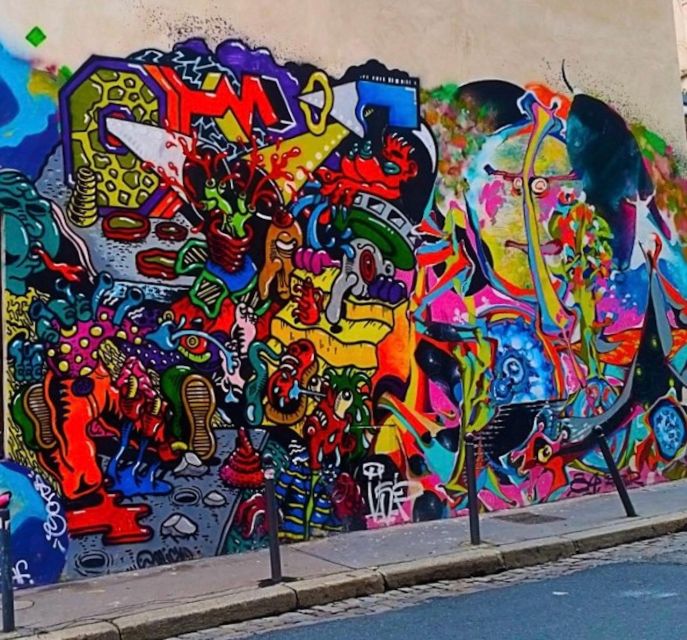
- Two-hour street circuit: a focused walk between Croix-Rousse and the peninsula without feeling rushed
- Street art as a craft: you’ll learn the history, codes, and techniques behind what you see
- Food stops that actually teach: tastings come in different forms, not one repeat bite
- Small group energy: limited to 12 people, so questions and side chats are easy
- Good pacing for a walking tour: the route is designed to keep you moving, but not sprinting
Croix-Rousse to the peninsula: why this route works
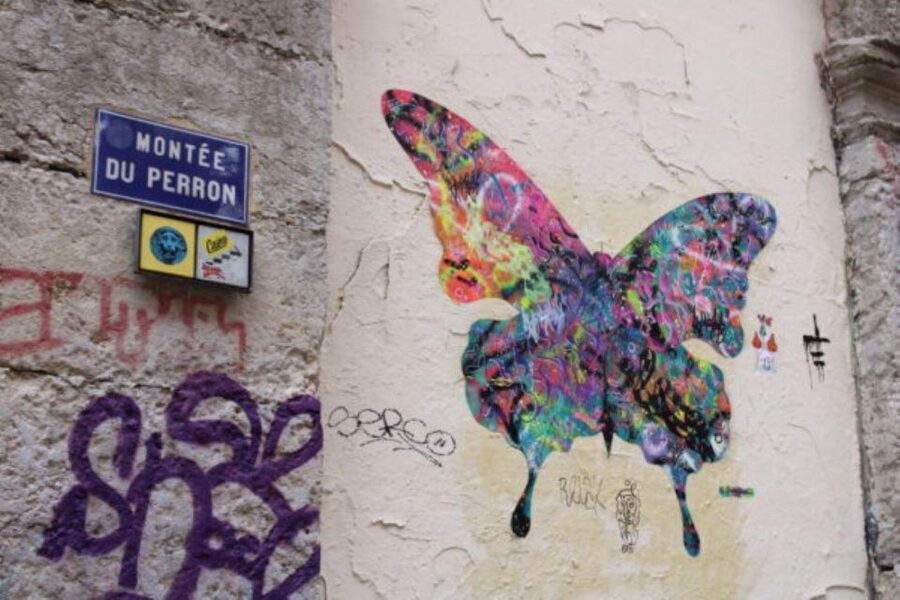
Lyon’s street art has a sense of place, and this tour chooses neighborhoods where it feels grounded, not staged. Starting in Croix-Rousse helps because the area’s walls and stories come with local texture, then you continue toward the peninsula side where the city’s urban rhythm changes.
I like that the tour doesn’t force you into a museum mindset. You’re walking through an outdoor art gallery, so you notice small details: the scale of pieces, the placement choices, and how a wall becomes part of the street’s personality.
The other win is that street food fits the route. Eating while you go is the smartest way to experience Lyon because you’re already living inside the city’s day-to-day flow, not just passing through it.
You can also read our reviews of more tours and experiences in Lyon.
Starting at the fresque des canuts: your orientation point
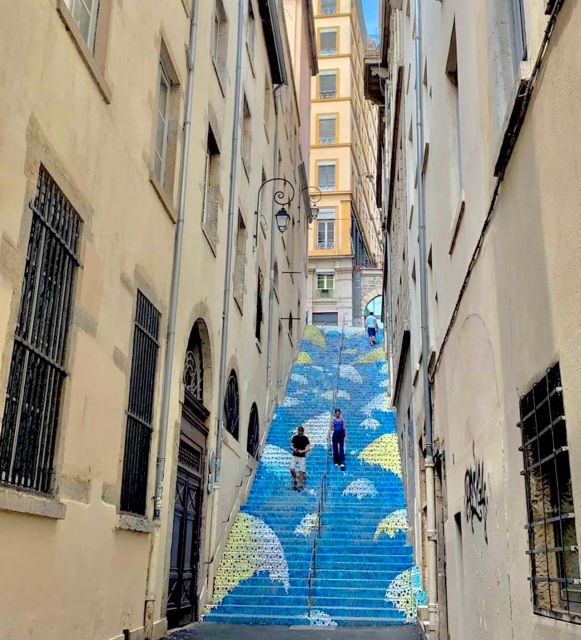
You start at the front of the fresque des canuts, which is a strong move for first-timers. It gives you a local reference point right away, so you’re not guessing what you’re looking at or why the walls matter.
Croix-Rousse is also a practical launchpad. It’s easier to understand the neighborhood when you begin there and move with a guide rather than trying to connect separate sights on your own.
If you’re the type who likes getting your bearings fast, this meeting setup helps. You’ll know where you are and what direction the tour is taking before you settle into the art-and-food rhythm.
Street art lessons on real walls: codes and techniques
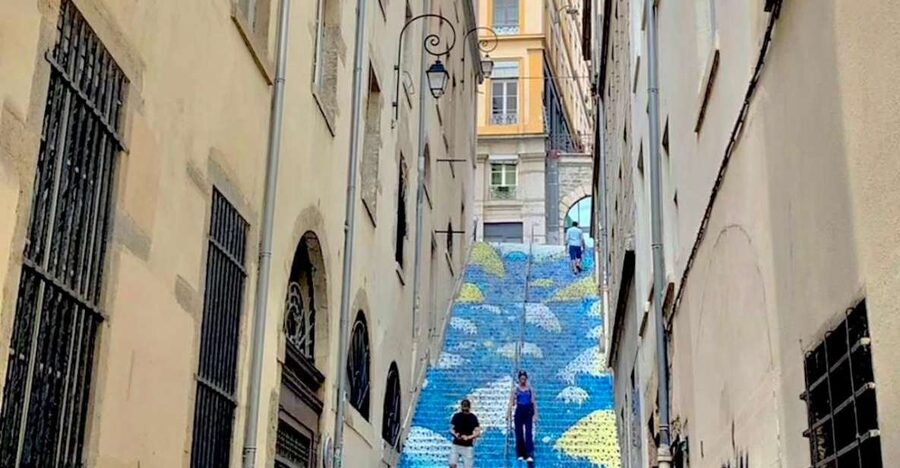
The best part of a street art tour is not the pictures. It’s the translation layer—how to read what’s on the wall and why it’s there.
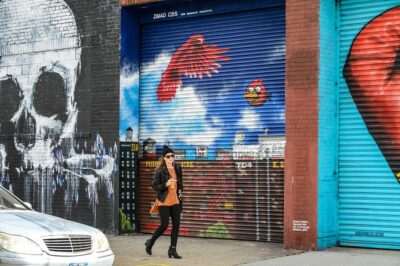
Here, you get an intro to the history, codes, and techniques of urban art as you walk. That means you’re not just hearing where an artist might be from or what style it is. You’re learning how the scene works: the signals people use, the visual grammar of street art, and the practical side of how pieces get made and placed.
Expect the guide to point out both the big moments and the smaller ones. The format includes two key works and then a spread of minor pieces that help you train your eye. Once you notice the small stuff, Lyon’s walls start feeling like a conversation.
And yes, there’s also a culinary side to this. One of the funniest parts of the experience is realizing how much street culture is visual and edible at the same time. Strolling is a science: it’s the gastronomy of the eye. The tour leans into that idea.
The street food tastings: how to eat without slowing down
Food tours can turn into either a sprint or a scattershot sampler. This one keeps it tied to the walk and the neighborhood, with tastings in various forms rather than one fixed menu.
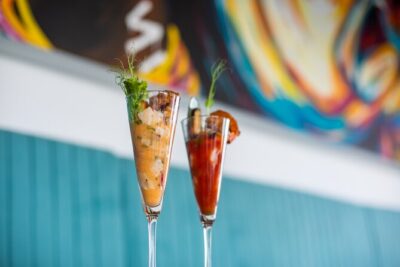
From the examples people mention, you may get things like vegetarian bagel sandwiches, Lebanese-style bites, and empanadas. That mix matters because it shows Lyon’s street food culture isn’t one-note. It’s influenced by migration, quick-serve habits, and what’s practical on the street.
The tastings are also generous in a way that feels designed for a 2-hour experience. You won’t need a second lunch plan right after. If you do have an appetite later, it’ll be because the flavors stuck—not because you were still hungry halfway through.
Practical tip: pace your bites. Since you’re walking and looking constantly, take small turns of eating so you don’t miss the explanation tied to each stop.
Pacing and group size: limited to 12 people for a reason
This is only 2 hours, and it’s limited to 12 people. That combo changes the whole feel of the tour. In a group that small, the guide can slow down for questions and still keep the route moving.
People consistently describe the walk as having a good pace, which is exactly what you want for a street-focused outing. You’re sightseeing, tasting, and learning, so you need enough time at each stop to actually look—without turning the tour into a long slog.
Two hours is also long enough to learn a few rules of “reading” street art and not just get a photo tour. You’ll build a mini framework in your head: what symbols might mean, how placement works, and how the street becomes a public canvas.
If you hate standing around, this format is likely your speed.
Price and value: is $117 worth it?
At $117 per person, you should judge value by what’s included and how hard the tour works for those two hours. You get a guided urban stroll, plus street food tastings at multiple points, and you’re paying for a live guide to interpret street art in context.
What justifies the price isn’t just walking plus food. It’s the teaching component—history, codes, and techniques—delivered while you see the actual works. That’s the part that helps you leave Lyon with more than a list of where you ate.
Also, the group size matters. Paying more for a small group is annoying only if the tour is short on effort. Here, the format is designed to keep it personal and information-heavy, with guides like Emma or Camélia bringing lots of city and art details into the walk, and assistants like Nita helping keep the experience smooth.
My advice: if street art is a curiosity for you (not just something you pass by), this price tends to make sense. If you only care about the food, there are cheaper ways to eat in Lyon—but you’d miss the lens that turns street art into a story you can actually understand.
Who this tour suits best (and who might bounce)
This tour is a strong match if you like blending cultures—street art plus street food—and you enjoy learning while you move. It’s also ideal if you want a guided route through areas you might not choose on your own, especially around Croix-Rousse.
It’s also a good fit for first-time Lyon visitors who want to get beyond the postcard highlights. The value is in turning neighborhoods into something you can read, not just something you walk past.
You might not love it if you need step-free access (the tour is not suitable for people with mobility impairments). And if you hate walking for any reason, the 2-hour format won’t feel relaxing.
What to bring so the street art and food part stays fun
Because you’re moving through real neighborhoods, you’ll want practical basics. Wear shoes you trust for uneven sidewalks and a bit of climbing around Croix-Rousse streets.
Bring a light layer if the weather is moody. Street art is visual and texture-based, and cold or wind can make it harder to enjoy the details.
Finally, keep your camera ready—but don’t let it steal the show. The guide’s explanations are tied to placement and technique, so listen first, then photograph what you can actually interpret.
Should you book the Lyon Street Art & Street Food Tour?
If you want a two-hour experience that mixes Lyon street art context with real street food tastings, I think you should book it. The small group size, the guided teaching on codes and techniques, and the fact that the walk is designed around both looking and eating makes it feel intentional.
Book it if:
- you care about street art as a craft, not only a style
- you want to eat while walking and still get explanations
- you’d rather explore Croix-Rousse with a plan than improvise
Skip it if:
- walking is hard for you
- you’re mainly there for a cheap, quick snack rather than guided art interpretation
- you dislike tours where you’re standing at multiple points to look and learn
One last thought: this isn’t a tour where you leave with one perfect photo and nothing else. It’s the kind of outing that changes how you see the street afterward, which is the best souvenir Lyon can give you.