REVIEW · BELFAST
Political Wall Murals and Peacewall
Book on GetYourGuide →Operated by Taxi Day Tours Belfast · Bookable on GetYourGuide
Belfast’s murals hit harder than you expect. In just 1.5 hours, this private taxi-style tour pairs a local guide with stops along the famous Catholic and Protestant murals on the Falls Road and Shankill, so you can connect the images to what daily life was like. The whole thing feels like walking through a history lesson you can see with your own eyes.
I love how the guide keeps it personal but still fair. Hearing what it was like as a teenager during the Troubles (with the right mix of facts, wit, and humility) makes the walls make sense instead of just looking like paint. And yes, you get plenty of chances for photos as you move from spot to spot.
One consideration: this is a hard-hitting subject. It’s also short, so if you want slow, deep questions and lots of extra stops, you may feel the time squeeze. It’s the kind of tour I’d skip for younger kids.
In This Review
- Key highlights you should know before you go
- From City-Center Pickup to Murals on the Falls and Shankill
- The Big Picture: What the Troubles Look Like on These Walls
- Catholic vs Protestant Murals: What You’re Really Seeing
- Peacewall Visit: Why Signing the Wall Matters
- Extra Stops That Add Weight: No Man’s Land and Memorial Moments
- Photo Strategy and Street Etiquette in Sensitive Areas
- Guides and Storytelling: Getting the Balance Right
- Price and Logistics: Is $162 for Up to Two Really Good Value?
- Who This Tour Fits Best (and Who Might Skip It)
- Should You Book This Belfast Political Murals and Peacewall Tour?
- FAQ
- Where does the tour take place?
- How long is the experience?
- Is this a private group tour?
- Do I get hotel pickup?
- What language is the tour guide?
- Can I take photos during the tour?
- Can I sign the Peacewall?
- Is the tour wheelchair accessible?
- What should I bring?
- Can I cancel for a full refund?
Key highlights you should know before you go
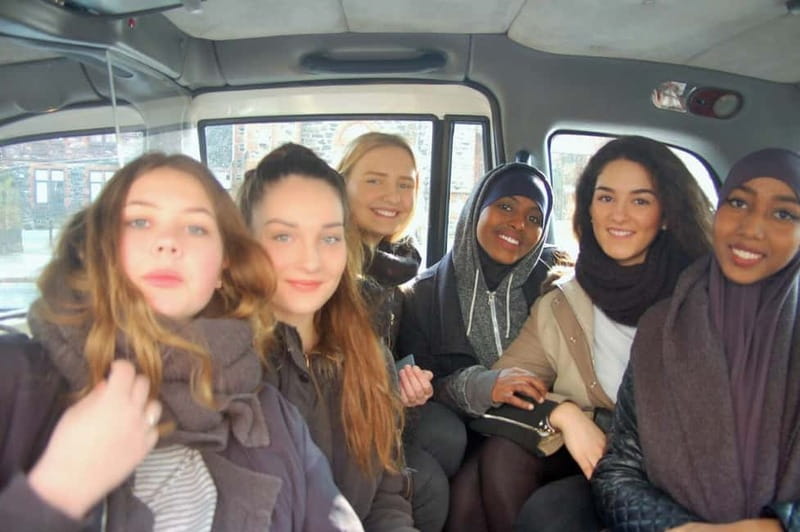
- Private, city-center pickup makes this easy to fit into a day in Belfast
- Falls Road and Shankill murals in close range, ideal for photos and quick context
- Peacewall visit plus signing the wall turns the stop into something you remember
- A guide who mixes local reality with balanced explanations (names people mention include Paul, Joe Presley, Henri, Jim, and Kevin)
- Comfortable taxi transport with high marks for getting you around smoothly
From City-Center Pickup to Murals on the Falls and Shankill
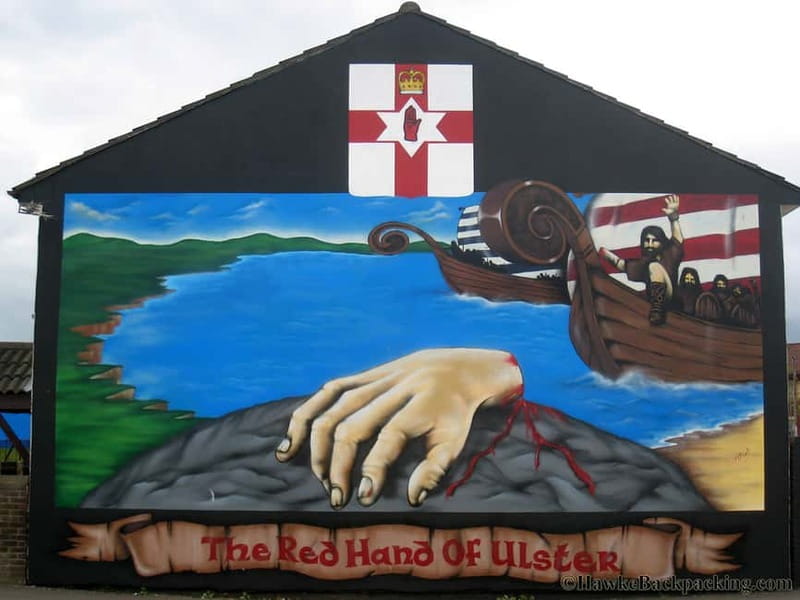
This tour is built around one simple idea: you can’t fully understand Belfast’s murals by staring at them for five minutes. The route starts with hotel pickup in the city center, which is a big deal if you’re trying to avoid wasting time on transit or parking. Then your guide takes you through the key parts of West Belfast where the murals are doing most of the talking.
Because it’s a private group for up to two people, you’re not stuck listening to someone else’s pace. You can ask questions, ask for clarification, and move on when you’re ready. The driving matters here too. Belfast streets can feel close and intense when you’re on foot, so having the short, efficient taxi hops helps you keep your focus on what you’re seeing.
Time-wise, plan for a tight, efficient route. Ninety minutes is enough to hit the major mural zones and reach the Peacewall, but it’s not enough for long detours. If you’re the type who likes to wander, you’ll appreciate getting the highlights first, then returning later under your own steam.
You can also read our reviews of more tours and experiences in Belfast.
The Big Picture: What the Troubles Look Like on These Walls
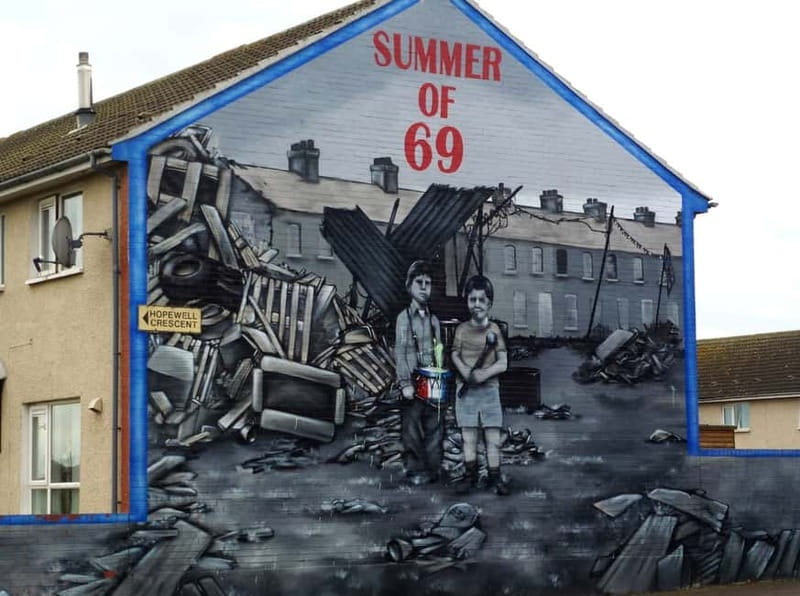
The murals aren’t just street art. They’re visual shorthand for identity, grief, pride, and argument—laid onto neighborhoods that lived with tension for decades.
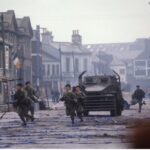
This tour sets you up to read the walls. You’ll hear how people talked about the conflict, how it shaped everyday choices, and how being young during that era felt when security and suspicion were always in the background. Your guide frames the murals so the symbols, names, slogans, and scenes stop feeling random. Instead, they click into place as part of a local story.
What I like is that the tour doesn’t treat the subject like a museum exhibit. Even if you come in with a general idea of Northern Ireland history, you’ll get the missing layer: what it meant to live there when the conflict was ongoing. That’s the difference between memorizing a timeline and actually understanding why these walls exist.
Catholic vs Protestant Murals: What You’re Really Seeing
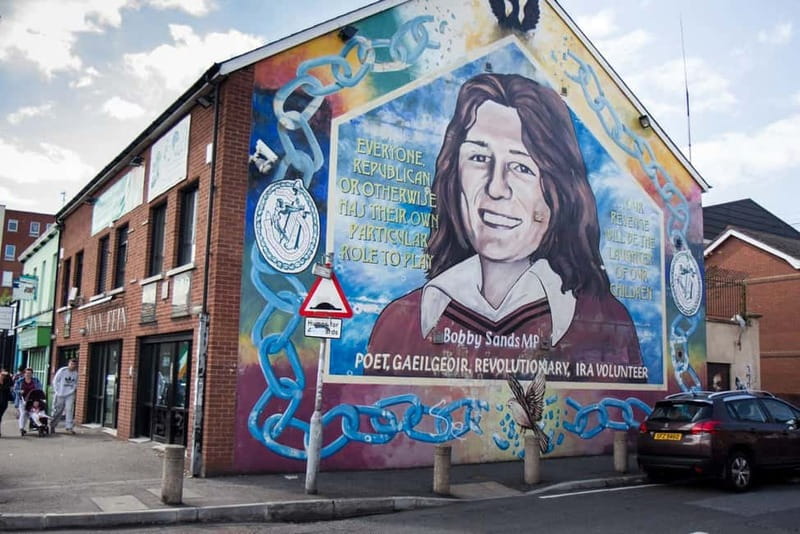
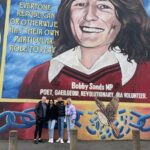
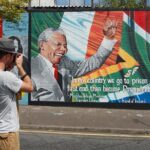
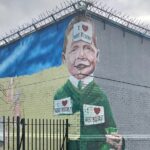
As you move through the mural areas, focus on the pattern: the route highlights the places where the Catholic and Protestant communities’ viewpoints are most visible. One of the most famous sections is the mural zone near the intersection of the Falls Road and the Shankill—where the conflict’s messages can feel like they’re only yards apart.
Here’s what I think helps the most: don’t try to read every word at once. Let the guide point out what the mural is claiming, who it’s meant for, and what kind of history or memory it’s tapping into. With that framing, you’ll start noticing details you’d otherwise miss—like how certain images are designed to send a message to the other side, not just to the wider world.
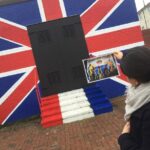
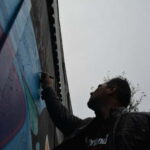
You’ll also get time for photos at multiple mural stops. My practical advice: take a few wider shots first (to show where you are), then switch to tighter photos for the key text and symbols. Later, when you’re back at your hotel, those wider context photos make the close-ups much easier to interpret.
Peacewall Visit: Why Signing the Wall Matters
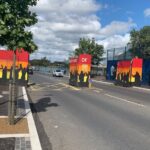
The Peacewall stop is the emotional center of the tour. This is the barrier that has divided Belfast communities for over 45 years, and seeing it in person lands differently than reading about it. The height and the line create a physical sense of separation, which is exactly what the concept is meant to do.
You’ll get a chance to sign your name on the world famous Peacewall. That small act sounds simple, but it changes your role. Instead of being a passive observer, you become part of the wall’s ongoing message: peace is something you participate in, not something you just hope for.
The best way to approach this stop is to lower your expectations of what you’ll feel. You may find it sobering; you may even feel unsettled. That’s not the tour being dramatic. It’s a realistic response to seeing a long-running division made visible.
And if you’re worried about being respectful while taking photos: do it. Just remember you’re photographing a lived reality, not a theme park backdrop.
Extra Stops That Add Weight: No Man’s Land and Memorial Moments
Most tours built around this mural-and-Peacewall route include additional stops that help explain the geography of the conflict. In the experience accounts I saw, guides often add a visit connected to No Man’s Land and a memorial honoring non-combatants killed during the Troubles.
These moments matter because they turn the story from slogans into human stakes. Murals can look like messages from a distance; memorials and conflict-neutral zones force you to think about the people who weren’t choosing violence but were still caught in its reach.
If you’re the type who gets overwhelmed by heavy topics, give yourself permission to take a breath. The guide usually keeps moving, but you can slow down with them when you need a moment.
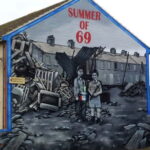
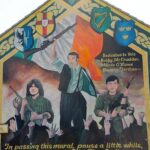
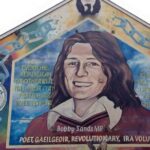
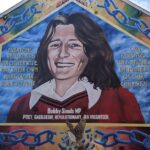
Photo Strategy and Street Etiquette in Sensitive Areas
This tour is built for taking photos. Still, it’s not a free-for-all with cameras.
Do this:
- Start with a wider shot, then move closer for details once you know what your guide wants you to notice.
- If the guide is speaking, pause your camera. Let the meaning land first.
- Don’t treat the Peacewall like a landmark selfie. Take your photo, then step back and give yourself a second.
Also, expect weather to play a role. Belfast can change quickly, and at least one guide was ready with an umbrella. Bring weather-appropriate clothing and wear shoes you can stand in comfortably. The whole point is to move smoothly between stops without feeling like you’re fighting your outfit.
Guides and Storytelling: Getting the Balance Right
What makes this tour consistently strong is the guide. People mention guides like Paul, Joe Presley, Joe, Henri, Jim, and Kevin for a reason: they explain the conflict with local context and the right tone.
A good sign: when the guide treats the subject as complicated instead of forcing one-sided conclusions. Several guide descriptions highlight a balanced approach—facts laid out clearly, plus personal perspective where appropriate, and often some humor to keep the conversation humane instead of grim.
If you want to get the most value from your time, come with one or two questions ready. For example:
- What does a specific mural symbol mean locally?
- How did daily life in these neighborhoods change over time?
- What’s different now, and what hasn’t changed as much?
With a private group, you’re not just watching—you’re participating in the learning.
Price and Logistics: Is $162 for Up to Two Really Good Value?
At $162 per group up to two, this is priced like a private guided experience, not a cheap bus tour. For the money, you get four things that add value fast:
- Private guiding for the full 1.5 hours (so you aren’t waiting for a slow group or missing your chance to ask questions)
- Hotel pickup in the city center, which saves hassle and time
- Transport that actually gets you through the key mural areas efficiently
- A guide-led focus on the most important points, rather than wandering and hoping you find the right streets
The transport quality also seems solid based on the high rating—so you’re less likely to spend your trip annoyed at cramped seating or awkward logistics.
The only value-risk is your expectations. If you want an all-day deep course with long stops and lots of extra locations, this duration may feel short. But if you want the highest-impact mural-and-Peacewall route with context, this price makes sense.
Who This Tour Fits Best (and Who Might Skip It)
This tour is best for adults and older teens who can handle serious topics with respect. The subject is difficult, and more than one guide write-up stresses how impactful it can be.
I’d especially recommend it if:
- You like street-level history where visuals and meaning connect.
- You want an explanation that’s more than a quick guidebook paragraph.
- You want the Peacewall experience without trying to navigate it alone.
I’d think twice if you’re traveling with younger children. The conflict theme isn’t “kid friendly,” even if the guide is careful with their tone.
For everyone else: go in with an open mind and comfortable shoes. You’ll walk away with a much sharper understanding of why Belfast looks the way it does.
Should You Book This Belfast Political Murals and Peacewall Tour?
Yes, I’d book it if you want a focused, high-impact introduction to Belfast’s political murals and the Peacewall. The combination of private guiding, practical photo stops, and the chance to sign the Peacewall is exactly the kind of experience that turns a city visit into understanding.
Skip it only if you’re not up for hard history or you need a longer, slower itinerary. But if you can handle a sober story and you want local context fast, this is a strong use of time.
FAQ
Where does the tour take place?
The tour takes place in Belfast, in the United Kingdom.
How long is the experience?
The duration is 1.5 hours.
Is this a private group tour?
Yes. It’s described as a private group, priced per group up to 2.
Do I get hotel pickup?
Yes. Hotel pickup in the city center is included.
What language is the tour guide?
The live tour guide speaks English.
Can I take photos during the tour?
Yes. There are plenty of opportunities for photos at the murals along the way.
Can I sign the Peacewall?
Yes. You’ll have a chance to sign your name on the Peacewall.
Is the tour wheelchair accessible?
Yes, it’s listed as wheelchair accessible.
What should I bring?
Bring comfortable shoes and weather-appropriate clothing.
Can I cancel for a full refund?
Yes. Free cancellation is available up to 24 hours in advance for a full refund.