REVIEW · BUENOS AIRES
Palermo: Graffiti and Street Art Guided Tour in English
Book on GetYourGuide →Operated by Buenos Aires Free Walks · Bookable on GetYourGuide
Street art in Palermo tells hard truths. This English walking tour connects graffiti in Palermo Soho to Argentina’s shifting politics, with real photo stops along the way. You also get a clear timeline, from early political signaling in the 1920s to the spray-paint era that kicked things into overdrive.
I love how the guide makes the messages make sense. You learn why public writing was treated like endorsement, and how it functioned as propaganda and campaign fuel. I also like the practical payoff: you’ll stop for great photos, including the Trump Wall at Madison Avenue Bar.
One thing to plan for: it’s still a walking tour even if it rains, so wear shoes you trust and bring something to cover your camera.
In This Review
- Key things that make this tour worth your time
- Palermo Soho street art is basically a live political map
- Meet at Plaza Serrano (Plaza Cortazar) and get moving fast
- The first stretch: what Palermo tags and murals teach you
- The Trump Wall at Madison Avenue Bar: why one wall can carry a headline
- 1920s Argentina: propaganda origins you can actually picture on the street
- 1969 aerosols: how the tool changed the message
- The 1970s protest energy: why street art starts multiplying
- How the guide keeps a group together for 2 hours
- Price and value: $13 for street stories you can use elsewhere
- Who should book this Palermo graffiti tour?
- Should you book Palermo: Graffiti and Street Art Guided Tour?
- FAQ
- Where is the meeting point for the Palermo street art tour?
- How long is the tour?
- Is the tour offered in English?
- Is the tour wheelchair accessible?
- Will the tour run if it rains?
- Can I cancel for a refund, and can I reserve without paying right away?
Key things that make this tour worth your time
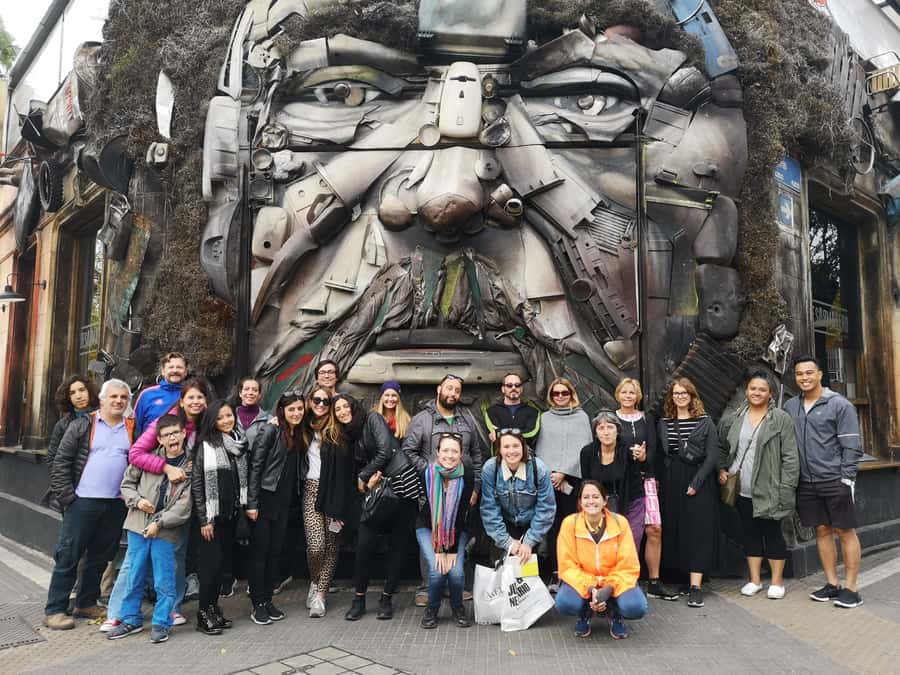
- Palermo Soho, built for walking: short hops between street-level art with time to look closely
- The Trump Wall photo stop: a specific landmark that helps you spot the bigger street-art story
- Political context, not just aesthetics: you get the why behind the spray
- Timeline you can remember: 1920s movements → 1969 aerosol shift → 1970s protest energy
- Guides with sharp storytelling: names you may encounter include Elina, Aylen, Vito, Juan, and Victor, often praised for humor and engagement
- Easy meeting point: Plaza Serrano (Plaza Cortazar), corner of Jorge Luis Borges and Honduras, with a guide in an orange t-shirt
Palermo Soho street art is basically a live political map
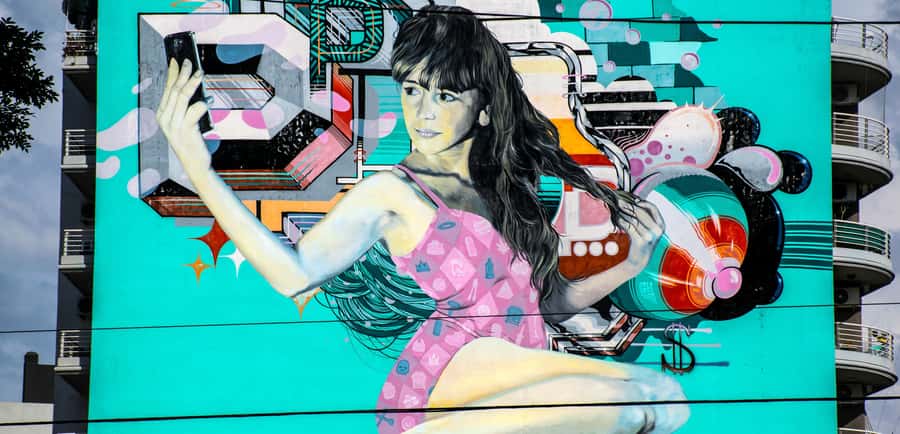
Palermo is the part of Buenos Aires where street art feels less like decoration and more like commentary. On this tour, you don’t just point at murals and walk past tags. You learn how people used walls to take positions—sometimes to support power, sometimes to challenge it.
The best part is the way the tour connects street writing to real social pressure. You’ll hear how Argentina’s protest culture changed over decades, and how that shaped what you see on the buildings today. It makes the walls feel readable, not random.
You can also read our reviews of more tours and experiences in Buenos Aires.
Meet at Plaza Serrano (Plaza Cortazar) and get moving fast
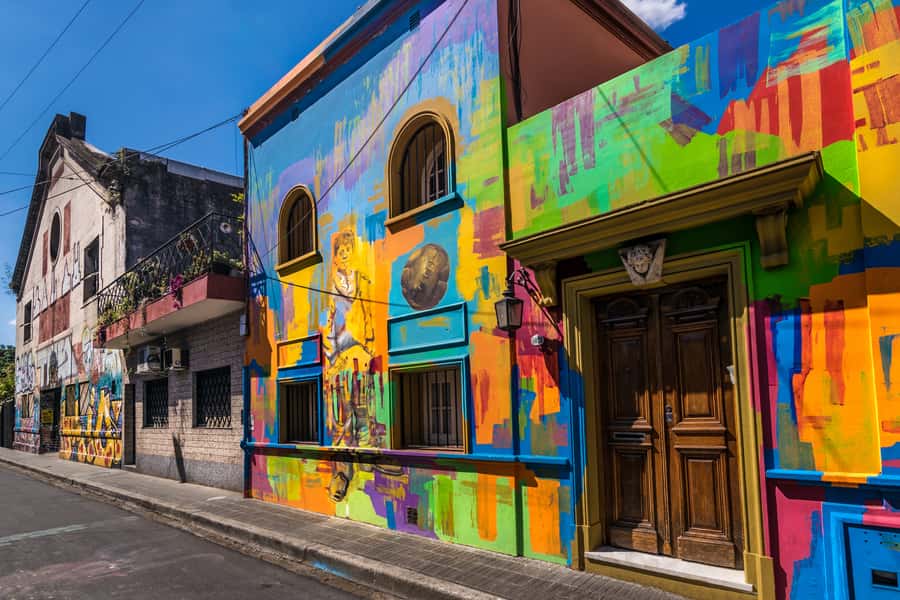
You start at Plaza Serrano (Plaza Cortazar), the corner of Jorge Luis Borges and Honduras. The guide wears an orange t-shirt and looks for the big PALERMO sign, so you can locate the group without a scavenger hunt.
The tour finishes at Plaza Inmigrantes de Armenia, so you’ll end your walk near another public square instead of getting dropped in the middle of nowhere. That matters because a good walking tour should hand you a natural place to keep exploring right after.
Practical tip: arrive a little early, especially if you’re traveling on a busy afternoon. Palermo streets can be easy to navigate, but a quick buffer helps you start relaxed.
The first stretch: what Palermo tags and murals teach you
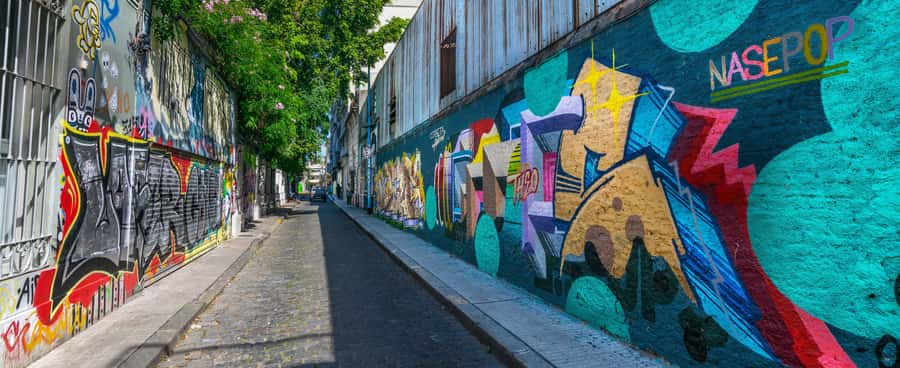
Early on, you’ll be walking through one of Palermo’s most eclectic areas. You’ll learn to look beyond the style—color, lettering, and composition—so the art’s message clicks. This is where the tour earns its value: your guide frames what you’re seeing as part of a changing public conversation.
You can also expect plenty of photo moments. The tour is built around specific art stops, not just a slow drift down a single street. And because you’re moving through a neighborhood rather than a locked-in museum setting, you get that real Buenos Aires street texture: storefronts, walls, and corners that make the art feel like it belongs to everyday life.
A drawback to note: if you prefer learning through quiet galleries, the street context can feel louder and more chaotic. But if you like street-level reality, that’s the point.
The Trump Wall at Madison Avenue Bar: why one wall can carry a headline
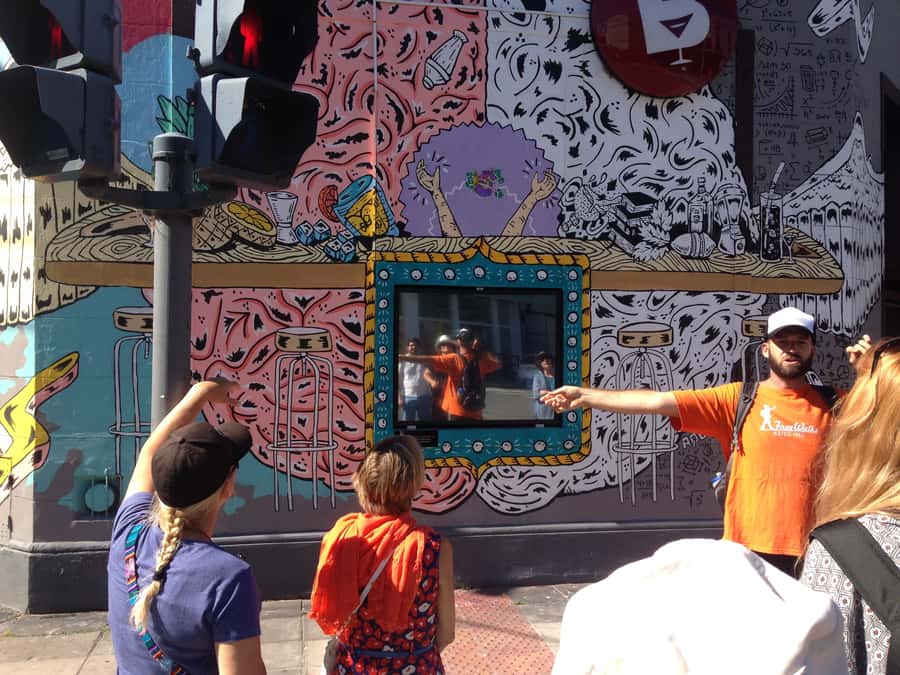
One of the clearest stops is the graffiti commonly called the Trump Wall at Madison Avenue Bar. This is a “you’ll remember this” location because it’s tied to a recognizable political figure. More importantly, it shows how street art can work like mass communication.
The guide uses this stop to explain a core idea: in Argentina, street writing wasn’t always treated as just vandalism or decoration. It could be read as endorsement, or as an aggressive public claim on attention. That matters because it changes how you judge the art when you see it elsewhere.
When you’re photographing, take a second to step back before you shoot close-ups. The best shots often include more of the surrounding wall context, because the meaning sits in the placement as much as in the paint.
1920s Argentina: propaganda origins you can actually picture on the street
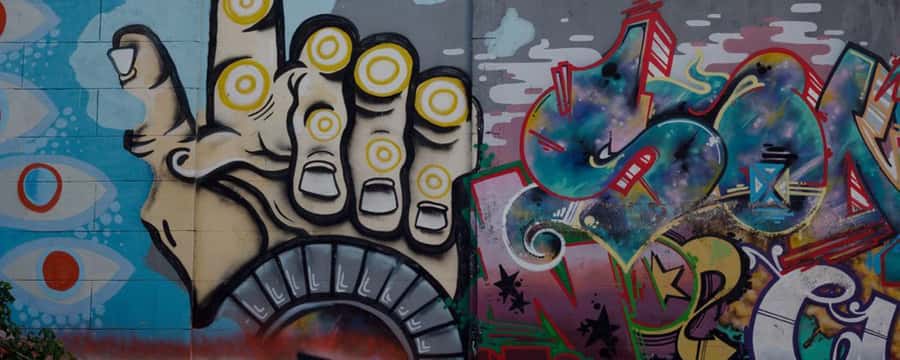
A big reason this tour works is the timeline. You travel back to the 1920s and learn how political movements were gaining traction. The guide explains how graffiti was treated as a sign of alignment—people weren’t just marking walls for fun. They were using public space to signal a stance.
This is where you’ll start connecting the dots between politics and public visibility. A wall in a high-traffic neighborhood becomes a poster you can’t ignore. Even if you don’t agree with the message, it’s still a way of competing for attention.
I like how the tour frames street art as communication rather than just an aesthetic choice. It also helps you spot patterns: repetition, symbols, slogans, and the way art tries to win attention in the public eye.
1969 aerosols: how the tool changed the message
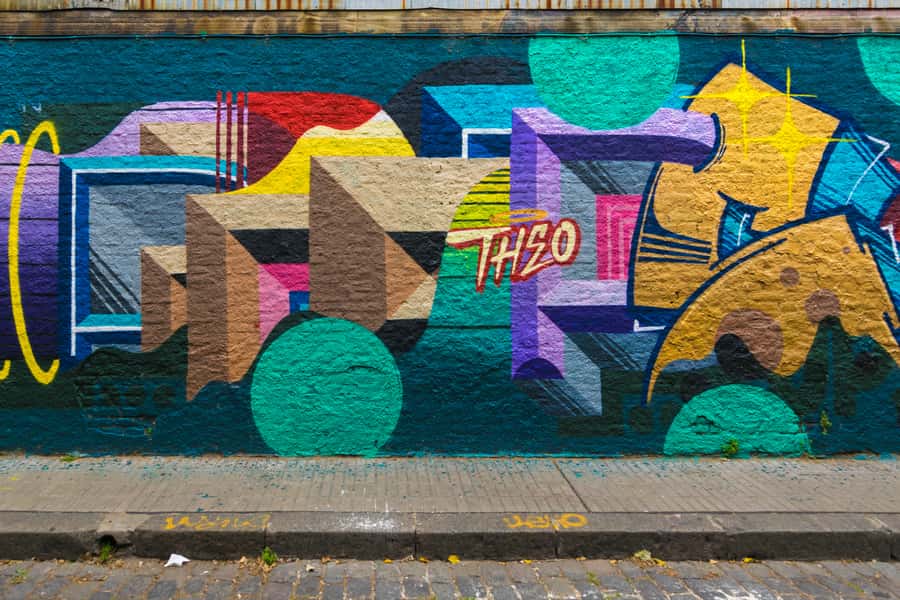
Then the story shifts to an important turning point: the arrival of aerosol paints in 1969. The guide explains that the new material allowed messages to be written much faster than older methods. That one practical change had real cultural consequences.
When you can paint faster, you can respond faster. You can react to events while they’re still hot. And that changes what street art looks like during periods of conflict. You’ll hear how different military leadership influenced the environment too, and how that shaped what people felt allowed to express.
For you as a visitor, this is the section that makes the art feel less mysterious. Instead of thinking only about style, you understand technique as part of the political story.
The 1970s protest energy: why street art starts multiplying
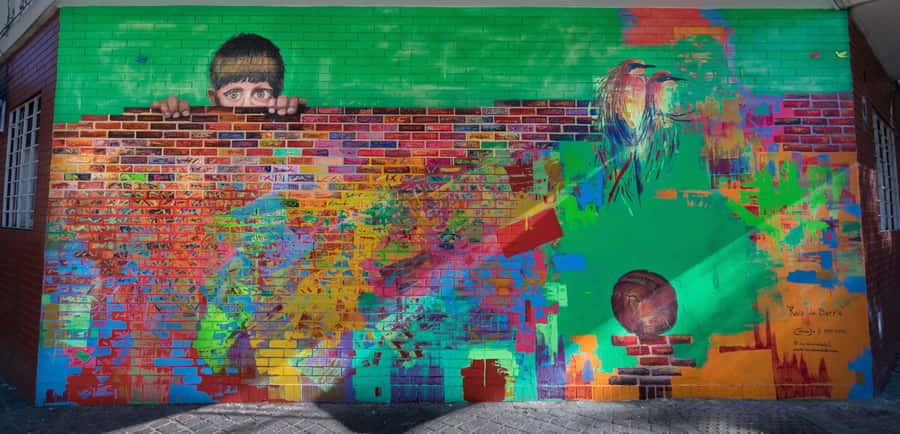
After the aerosol shift, the tour moves into the 1970s and the social conflict of the time. The guide talks about how Argentinians became more involved in protesting—and how that involvement showed up on the streets.
You’ll hear stories that connect the paint to the pressure: more tension leads to more messaging. And more messaging changes how people read walls—whether they see them as persuasion, provocation, or a record of what the city felt.
This part also helps you understand why some graffiti can look chaotic up close but purposeful from a distance. When people are trying to get a message across quickly, the result can be loud and direct. The guide gives you a lens to interpret that, not just a list of names and dates.
How the guide keeps a group together for 2 hours
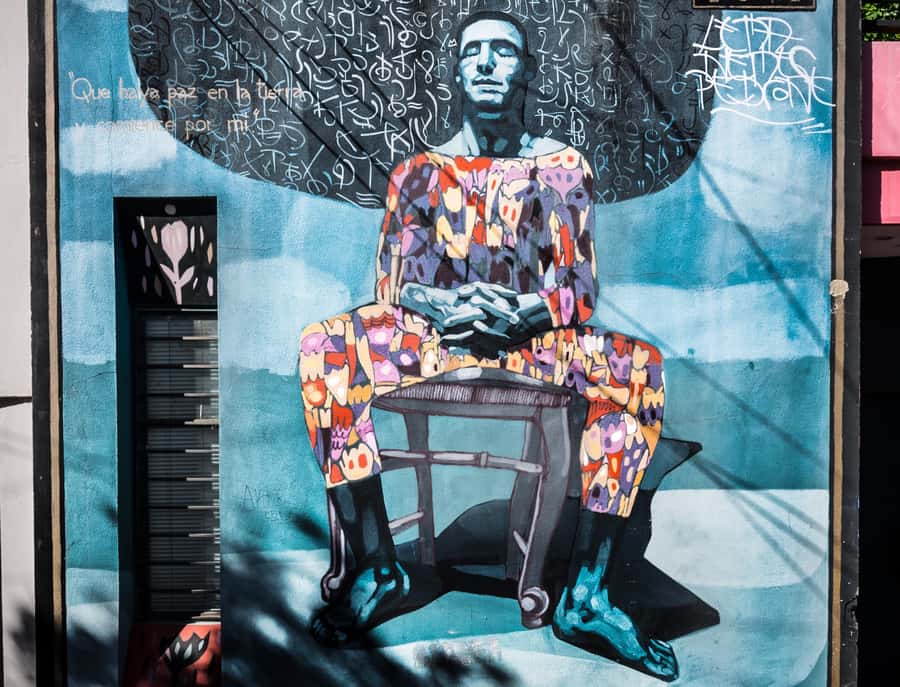
This is a 2-hour walking tour, which is long enough to see real variety but short enough that you won’t feel stuck. Reviews frequently highlight that the tour is well paced, even when the group is bigger. The important detail for you: you should be able to hear the guide throughout, so you’re not constantly asking what was just said.
Also, the guides listed in feedback—Elina, Aylen, Vito, Juan, and Victor—are repeatedly praised for humor and for weaving stories into what you’re looking at. That matters because street art can be visually rich, but it becomes much more memorable when someone explains why it exists.
What I’d watch: if you’re sensitive to political topics, this tour can feel pointed. It’s still grounded in history and explanation, but the theme is not neutral.
Price and value: $13 for street stories you can use elsewhere
At $13 per person for a 2-hour guided walk, this is strong value in a city where guided tours can easily cost much more. The best part is what you’re paying for: not just access to sites, but a way to interpret them.
You’re getting:
- A structured walk through Palermo Soho with real photo stops
- A clear political timeline, from 1920s propaganda logic to the 1969 aerosol shift
- A guide who explains what street writing meant in its original context
If you’re the kind of traveler who likes learning from your surroundings, that context makes the tour worth repeating later when you’re walking on your own. After you learn how technique and politics interact, you’ll start noticing street art in other neighborhoods too.
Who should book this Palermo graffiti tour?
This tour is a great fit if you:
- like learning city culture through what people put on walls
- want an easy 2-hour plan in Palermo Soho
- enjoy photography with specific, meaningful stops
It might be less ideal if you:
- want a purely art-focused tour without political framing
- don’t enjoy walking for 2 hours at street pace
- need frequent, long breaks to rest
Should you book Palermo: Graffiti and Street Art Guided Tour?
If you’re in Buenos Aires and you want something more satisfying than a generic “look at murals” walk, I’d book it. The combination of Palermo Soho street-level art plus a political story you can actually follow makes the time feel purposeful. And with frequent guide praise for energy and humor, you’re likely to finish with a better eye for what you’re seeing.
Book it particularly if you’re the type who gets bored on tours that only recite facts. Here, the facts are there—but they’re tied to places you can photograph and remember, like the Trump Wall stop at Madison Avenue Bar.
FAQ
Where is the meeting point for the Palermo street art tour?
Meet at Plaza Serrano (also known as Plaza Cortazar) in Palermo, at the corner of Jorge Luis Borges and Honduras St. Look for the guide in an orange t-shirt with the big PALERMO sign.
How long is the tour?
The tour lasts about 2 hours.
Is the tour offered in English?
Yes. The live tour guide speaks English.
Is the tour wheelchair accessible?
Yes, the tour is listed as wheelchair accessible.
Will the tour run if it rains?
Yes. The tour will still take place even if it rains.
Can I cancel for a refund, and can I reserve without paying right away?
You can cancel up to 24 hours in advance for a full refund. You can also reserve now and pay later to keep your plans flexible.