REVIEW · BELFAST
N0 1 Belfast black cab Irish and British mural 2hr private tour
Book on Viator →Operated by Belfast famous black taxi tours · Bookable on Viator
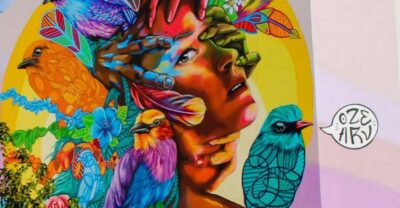
Street art tells Belfast’s hard stories. This private black cab tour strings together some of the most important places from the Troubles, plus Game of Thrones filming locations across a very tight route. You also get the city’s wall culture up close through the Peacewalls, not just from a photo in a guidebook.
I especially like that you can choose a start time that fits your day, with pickups offered across the early morning window. It’s also built for convenience: round-trip city-center accommodation pickup and a restroom on board mean you spend less time planning and more time looking.
One thing to consider: this is a fast, stop-and-go tour. With a short time at each location, and with the sound conditions that can happen inside a cab, you’ll want to pay attention early so you don’t miss the key points.
In This Review
- Key Highlights Worth Planning For
- Getting Started in Belfast: Private Pickup and a Tight Route
- Bombay Street, Peacewalls, and the Beginning of the Troubles
- Crumlin Road Courthouse and the Tunnel Route to Prisons
- A Victorian Prison and Remand Life
- Peacewall Taxi Tours: Belfast’s Belfast-Own Berlin Wall Moment
- Shankill Road Murals, Loyalism, and July Bonfire Sites
- Clonard Monastery: Peace Talks, Gerry Adams, John Hume, and M15
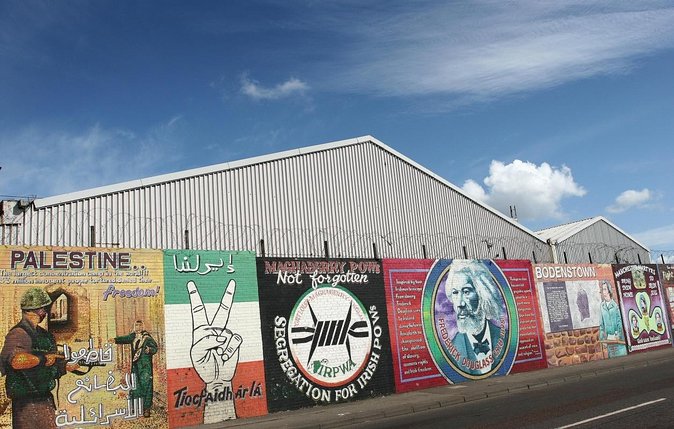
- Divis Street International Mural Wall: Messages That Go Beyond Belfast
- Bobby Sands Murals: Falls Road, Hunger Strike, and a Truce Timeline
- How Much Value You Get for the Price
- Who This Tour Fits Best (and Who Should Think Twice)
- Should You Book This Private Belfast Black Cab Tour?
- FAQ
- FAQ
- How long is the Belfast black cab tour?
- What is the price and group size?
- Is pickup and drop-off included?
- Are there start times available?
- Where is pickup free from?
- What language is the tour offered in?
- What’s included in the tour ticket?
- Is food or drink included?
- Is the tour suitable for children?
- Are service animals allowed?
- What is the cancellation policy?
Key Highlights Worth Planning For
- More than 15 Game of Thrones filming locations in one outing
- Peacewalls, up close in a way most self-guided routes can’t match
- Round-trip pickup from Belfast city-center stays, plus a restroom on board
- Prison and courthouse stops that connect sentences, transfer routes, and remand history
- Murals on both sides of the divide, including Bobby Sands and the international mural wall
- Real peace-talk context, including Gerry Adams and John Hume and the later bugging by M15
Getting Started in Belfast: Private Pickup and a Tight Route
This tour is private, so it’s just your group in the black cab. Price is listed per group (up to 2 people), which matters because you’re not splitting time or attention with strangers. For most people, that feels like better value than a larger-group bus tour when you’re trying to understand a place with complicated history.
Pickup is offered from Belfast city-center accommodations, and you’ll also get a restroom on board. Start times run early in the day (from 6:30 AM through 11:00 AM options), so you can pick a slot that avoids your later-day fatigue. If you prefer a calmer morning, take the earliest start you can manage.
There’s also a practical note about pickup distance: there’s a 1 km free pickup zone around Belfast City Hall. If your hotel is outside that area, you can request details and a cash surcharge may apply on the day. If you’re arriving by cruise, cruise-ship pickup is available too, but it’s listed separately per group.
You can also read our reviews of more tours and experiences in Belfast.

Bombay Street, Peacewalls, and the Beginning of the Troubles
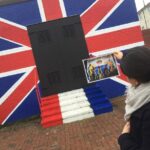
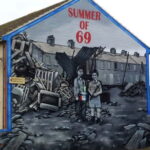
The tour kicks off in Belfast, cutting through the Peacewalls into the Republican area of Bombay Street. This is the kind of opening that changes how you see the city, because the walls aren’t treated like a background—they’re treated like the main character.
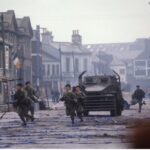
You’ll see burned-out houses from 1969, which the tour frames as the beginning of The Troubles. Even if you’re coming with only a basic sense of Northern Ireland history, this stop helps you connect the dots between damaged housing, community identity, and long-term separation.
A quick reality check: this kind of stop is brief (about 10 minutes). That’s not a flaw if you want an orientation route. It just means you should come ready to take mental notes fast and be okay with moving.
Crumlin Road Courthouse and the Tunnel Route to Prisons
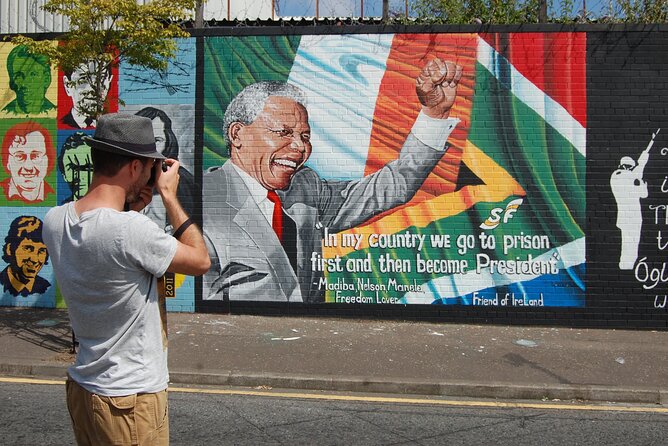
From the street level, the story shifts toward the justice system at Crumlin Road Courthouse. The courthouse faces the gaol with a tunnel underneath the main road, which is one of those details that makes the place feel painfully physical.
Here’s what stands out: you get the idea that punishment wasn’t just a courtroom event—it was a transfer. The tour explains that people were given their sentence and then transferred to the H Blocks or the Maze prison. That link between sentencing and prison transfer makes the route feel like one connected system rather than separate sites.
Timing-wise, you’re still in the “look, listen, move” mode. But the visual contrast—public street, then a hidden path—helps you understand why these locations became symbols, not just buildings.
A Victorian Prison and Remand Life
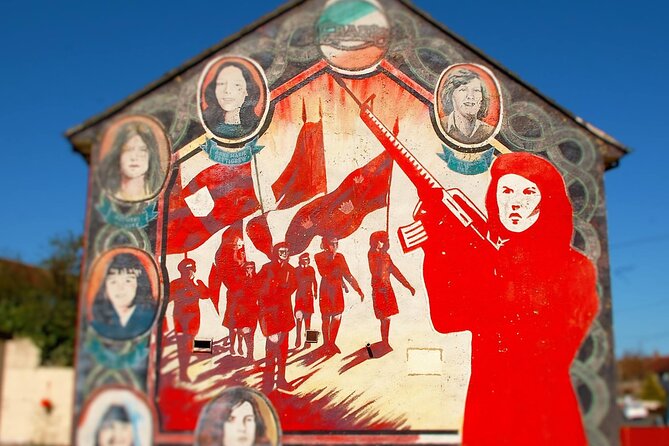
Next comes the Victorian jail and hanging jail area, built in the 1800s and used as a prison space up to the 1960s. The tour calls out that IRA and UVF UFF prisoners were housed there on remand.
This stop is heavy. What helps is the specificity: remand, not final sentences, and multiple prisoner groups. It gives you a clearer sense of what incarceration looked like in day-to-day reality, not just in headlines.
Because the tour runs short overall (about 1.5 to 2 hours), you won’t have hours to linger in every doorway. The upside is that you’ll leave with a guided timeline that’s hard to recreate on your own if you’re not already local.
Peacewall Taxi Tours: Belfast’s Belfast-Own Berlin Wall Moment
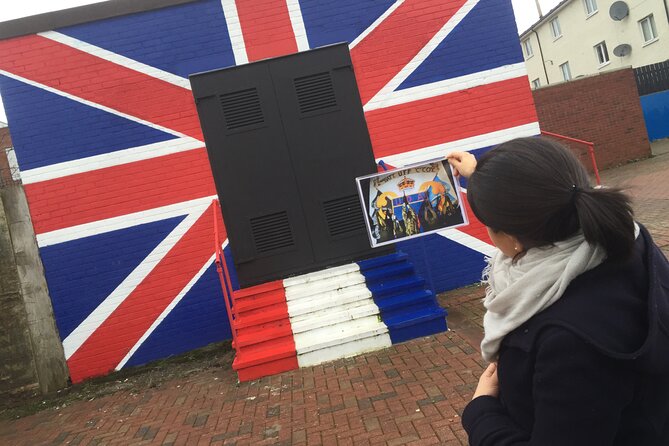
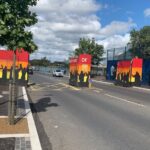
Now you shift back to the walls, because the city’s division is impossible to understand without seeing it directly. The tour describes Belfast as having its own Berlin Walls—around ten times higher—and Peacewalls that stretch across the city. The key point is how long they’ve been there: for over 50 years.
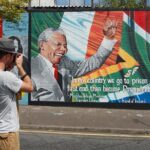
You’ll also get something a bit different from the standard history-only framing. There’s a moment to sign your name beside presidents and film stars, with quotes of peace. It’s a tourist-friendly touch, but it also reflects how Belfast’s murals and memorial culture have become a public language.
Another practical benefit: this is still within taxi-distance planning. Trying to self-drive between wall sections and mural clusters can turn into a routing headache fast. Here, you get the connections made for you.
Shankill Road Murals, Loyalism, and July Bonfire Sites
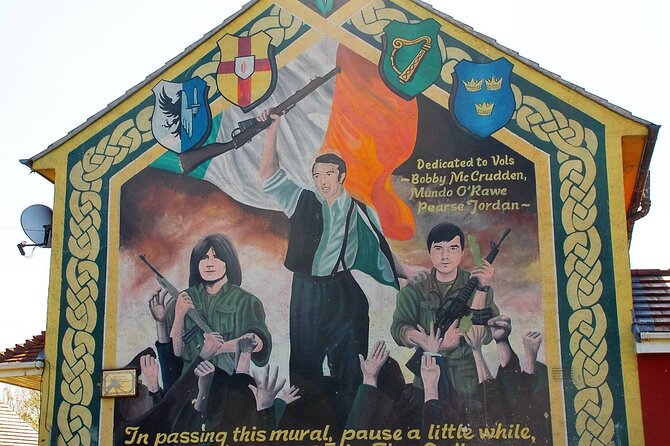
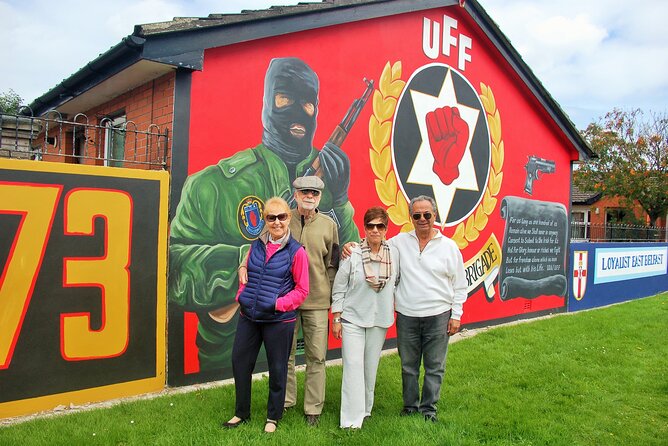
Shankill Road brings a different side of the story—one rooted in loyalism. The tour highlights more than 500 years of history as the birthplace of loyalism, connecting groups like UVF, UFF, and UDA across time.
You also get a seasonal detail: bonfire sites in July, along with learning about the loyalist fight against Republicans. Even if you’re visiting outside July, knowing what the landscape is used for culturally helps you interpret what you see in murals and street markings.
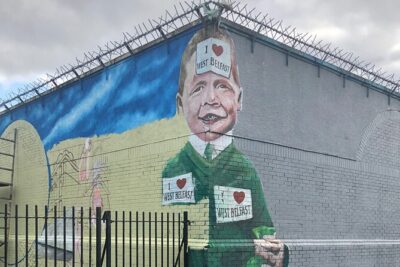
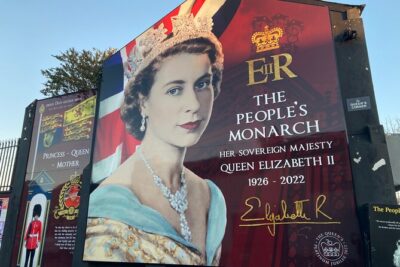
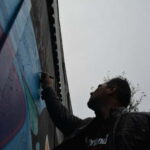
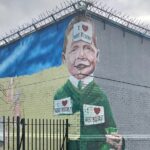
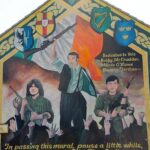
Murals are a big part of this stop. You’ll see murals that dawn the gable walls of local homes, and you can get photos taken in front of them. Just be mindful of your surroundings—these are residents’ home fronts, not staged backdrops. If you’re respectful and quick, the photos will feel like part of understanding the neighborhood, not interrupting it.
Clonard Monastery: Peace Talks, Gerry Adams, John Hume, and M15
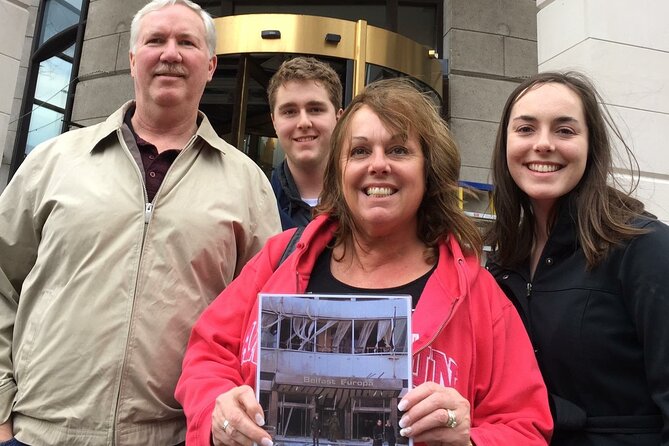
Clonard Monastery is where the tour shifts from murals and division to negotiations and consequences. The monastery is described as built in 1800 and as a secret peace talks location where Gerry Adams and John Hume met.
Then comes the twist: later, it was discovered that M15 had the talks bugged. That single detail changes the tone. It’s not just history about what was said—it’s also history about who was listening, and what that means for trust and outcomes.
Again, this stop is short (about 10 minutes). For me, that’s actually a plus here because it gives you a strong mental marker. You can carry that context forward when you see other memorial messages later in the route.
Divis Street International Mural Wall: Messages That Go Beyond Belfast
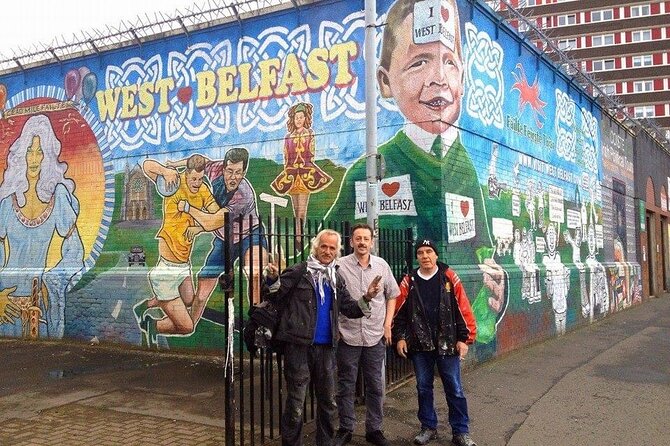
At the International Mural Wall on Divis Street, the theme becomes global. The tour describes the wall as a famous hand-painted piece by local republicans, showing conflicts and support for places far from Northern Ireland, including the Amazon rainforest.
This is a strong counterbalance to the more local, hard-edged mural messages elsewhere. It helps you understand that murals aren’t only about old fights. They can also be a way of connecting Belfast identities to wider causes and distant events.
One key note: you’ll only spend about 10 minutes here. But if you pay attention to the variety in the artwork—figures, slogans, and references—you’ll come away with a broader view of what “street art” means in this context.
Bobby Sands Murals: Falls Road, Hunger Strike, and a Truce Timeline
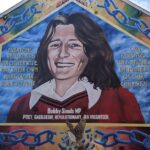
The tour includes Bobby Sands mural stops twice, with different emphasis each time. First is the birthplace area of the Provisional Irish Republican Army, where the tour points you toward what you’ve likely seen before: if you’ve watched Troubles footage, you’ll see the Falls Road. The logic is simple—this part of Belfast is consistently used in media to communicate the Troubles era.
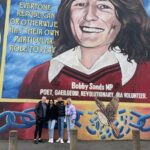
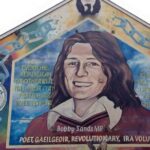
The second Bobby Sands stop focuses on the most famous Bobby Sands mural in the world. Here, the tour ties the artwork directly to the 1981 hunger strike and the truce in 1994. Those dates give the story a timeline you can anchor to, instead of leaving it as “old conflict.”
These are quick stops (about 10 minutes each), but they’re among the most emotionally loaded parts of the route. If you’re visiting with kids, keep expectations realistic: you’ll see important symbols fast, and the guide’s explanations (in English) are what will make it click.
How Much Value You Get for the Price
At $245.48 per group (up to 2), you’re paying for private access, a guided route, and city-center pickup. That can feel steep until you compare it to how much effort it would take to piece together the wall sections, courthouse/prison points, and multiple mural stops on your own.
You’re also buying time. A 1 hour 30 minutes to 2 hours window sounds short, but this tour is designed as a high-impact overview: more than 15 Game of Thrones filming locations plus key Troubles landmarks. If your goal is breadth with interpretation, the pricing starts to make sense.
Included in the ticket are the guide, pickup and drop-in from Belfast city center, a mobile ticket, and a restroom on board. Food and drink are not included, so you’ll want to plan for a break either before you go or after you return.
Who This Tour Fits Best (and Who Should Think Twice)
This tour suits you if you want a structured, guided overview that links murals to historical sites and also throws in Game of Thrones filming locations without the guesswork. It’s a good match for first-time Belfast visits, and it works well for people who feel more comfortable learning from a guide in the car than wandering on their own.
It’s also suitable for children, and child seats can be provided if you inform the operator before your tour. Service animals are allowed, and the tour is near public transportation, which helps if you’re not staying in the tightest pickup zone.
If you’re the type who needs long pauses at each location, this tour may feel a little compressed. It’s also worth considering sound and pace: if you’re sensitive to cab noise or have trouble catching fast explanations, you may want to sit where you can hear clearly and be ready to ask follow-up questions when the stops allow it.
Should You Book This Private Belfast Black Cab Tour?
I’d book it if you want a guided “big picture” Belfast route that connects Peacewalls, prisons, and murals with movie locations—without wasting time on transportation planning. The private format is especially useful for couples or small groups who want the guide’s explanations to feel continuous rather than rushed between strangers.
Skip it or think twice if your ideal history tour is slow and contemplative, or if you know you struggle with hearing explanations in noisy settings. In that case, you might prefer a longer walking-based tour or a smaller set of sites.
FAQ
FAQ
How long is the Belfast black cab tour?
The tour runs approximately 1 hour 30 minutes to 2 hours.
What is the price and group size?
It costs $245.48 per group (up to 2). It’s a private tour, so only your group participates.
Is pickup and drop-off included?
Yes. Pickup and drop-in are included from Belfast city-center accommodation.
Are there start times available?
Yes. Recommended pickup times include 6:30 AM, 7:00 AM, 7:30 AM, 8:30 AM, 9:00 AM, 9:30 AM, 10:00 AM, 10:30 AM, and 11:00 AM.
Where is pickup free from?
There is a 1 km free pickup zone from Belfast City Hall. Requests outside that zone may involve a cash surcharge.
What language is the tour offered in?
The tour is offered in English.
What’s included in the tour ticket?
The guide is included, along with pickup and drop-in, a mobile ticket, and a restroom on board. Admission tickets are included for some stops; one stop is free as described in the itinerary.
Is food or drink included?
No. Food and drink are not included.
Is the tour suitable for children?
Yes. It’s suitable for children, and child seats can be provided if you inform the operator before your tour.
Are service animals allowed?
Yes, service animals are allowed.
What is the cancellation policy?
You can cancel for free up to 24 hours in advance for a full refund.