REVIEW · BUDAPEST
Budapest: Street Art Tour
Book on GetYourGuide →Operated by Budapestflow.com · Bookable on GetYourGuide
Street art in Budapest has a message.
On this small-group walking tour, you’ll connect the dots between what you see on the walls and what’s going on in the city’s contemporary culture. You spend most of the time looking at murals, graffiti, and other street art in the Jewish Quarter, and you’re not just there for photos.
What I like most is how the guide talks through themes and context for each piece, and how the group size stays small enough for real questions. If you dislike walking or bad weather, one drawback to plan for is that you’ll be outside for a good chunk of the 3 hours, so rain gear helps.
The meeting point is easy to find: the entrance of the coffee shop My Little Melbourne, where the tour includes a complimentary cup of coffee and a short reset before you keep exploring.
In This Review
- Key highlights you’ll feel on this tour
- Street Art in the Jewish Quarter: Why it feels like a city conversation
- Meeting at My Little Melbourne and getting your bearings fast
- What you’ll see: murals, graffiti, and the art map on plain walls
- How the guide reads each piece for you (and why that’s the real value)
- The socio-political angle: art as a lens on Budapest today
- The coffee stop at My Little Melbourne: a small break that helps a lot
- Small group size and guide Q&A: the difference between hearing and listening
- Weather reality: prepare for streets, not stage lighting
- Price and value: is $53 worth it?
- Who should book this Budapest street art tour
- Should you book it? My take
- FAQ
- How long is the Budapest Street Art Tour?
- Where is the meeting point?
- Is coffee included?
- Is food included?
- How large is the group?
- Is the tour wheelchair accessible and in English?
- Is there free cancellation?
Key highlights you’ll feel on this tour
- Jewish Quarter street art focus: Most of the time is spent walking and interpreting murals and graffiti in one tight area.
- Meaning over memorization: Each artwork gets explained for its themes, socio-political context, and the artists behind it.
- A local guide with strong art context: Guides like Attila are praised for personal insights and connecting art to the neighborhood.
- Small group format: Limited participation keeps questions flowing instead of getting stuck at the end.
- Coffee break at My Little Melbourne: You get a cozy pause that makes the whole walk feel more human.
- A tour that moves even in rain: One review mentioned heavy rain, yet the time still felt like it flew by.
Street Art in the Jewish Quarter: Why it feels like a city conversation
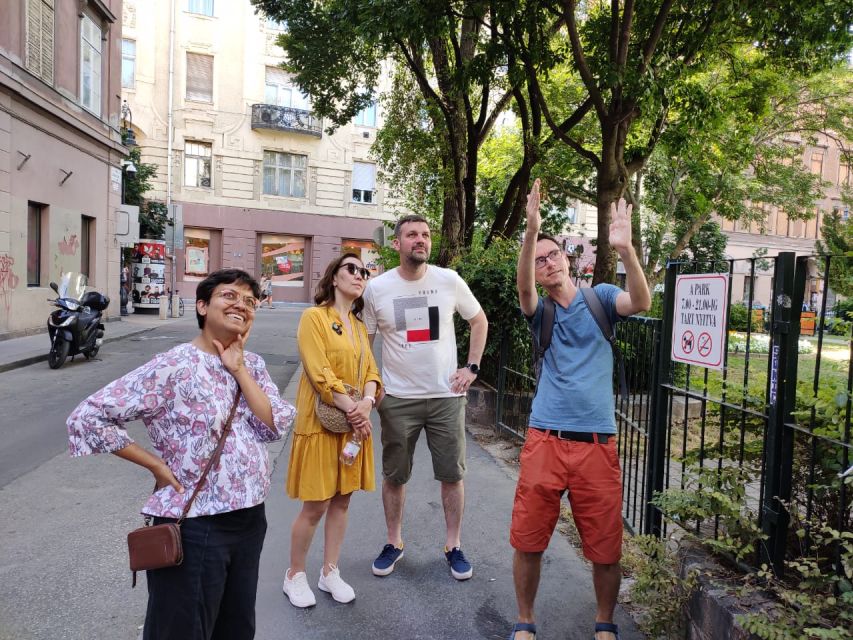
Budapest street art isn’t just decoration. It’s a public bulletin board for ideas, frustrations, hopes, and identity. In the Jewish Quarter, the walls act like a timeline you can walk through, especially when your guide turns what looks like street-level art into something you can read.
This is a good choice if you want Budapest with context. The city’s classic sights can be statues and facades; street art gives you the other layer, the one that’s sharper and more current. You’ll also notice how street art often mirrors what people care about right now: culture, politics, community, and how everyday people want to be seen.
You can also read our reviews of more tours and experiences in Budapest.
Meeting at My Little Melbourne and getting your bearings fast
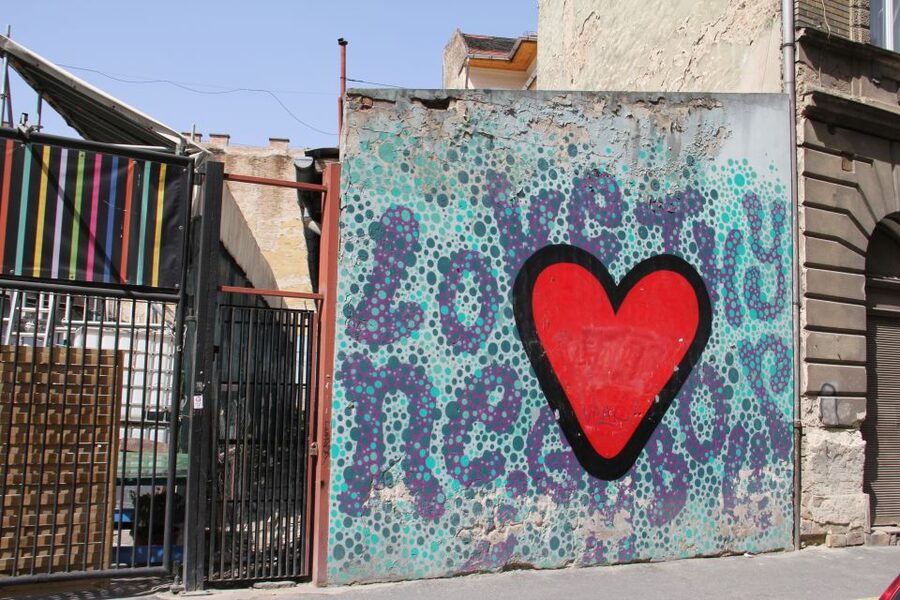
You start at the entrance of My Little Melbourne. That matters more than it sounds, because you begin in a real café setting, not a random corner. You’ll have a quick moment to settle in, grab your complimentary coffee, and get oriented before the walk turns into a series of visual stops.
I like that the coffee inclusion is simple and low-pressure. You’re not trading the tour for a meal. You’re taking a brief break that helps you stay alert for the art explanations, especially since the tour leans heavily on discussion.
And if you’re traveling with mobility needs, it’s wheelchair accessible. You’ll still want to use common sense on uneven pavement, but the tour is listed as accessible.
What you’ll see: murals, graffiti, and the art map on plain walls
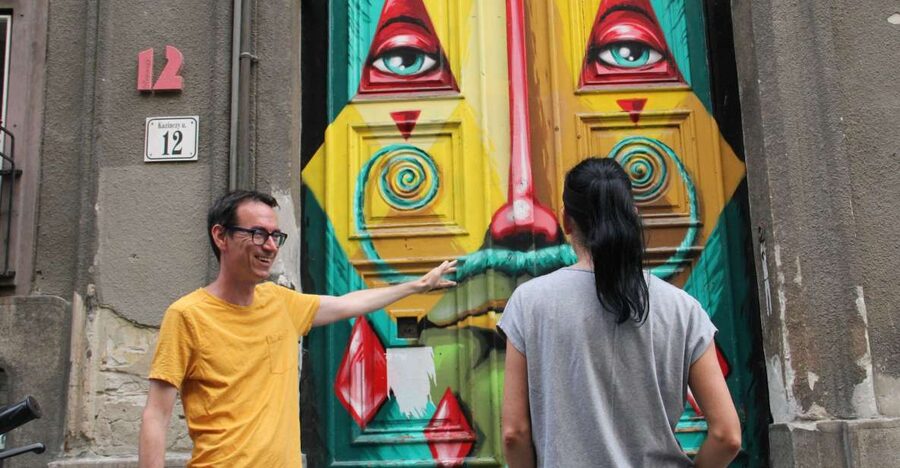
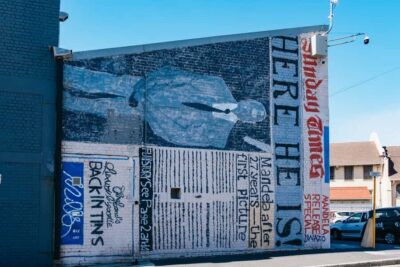
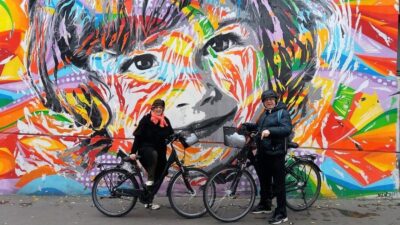
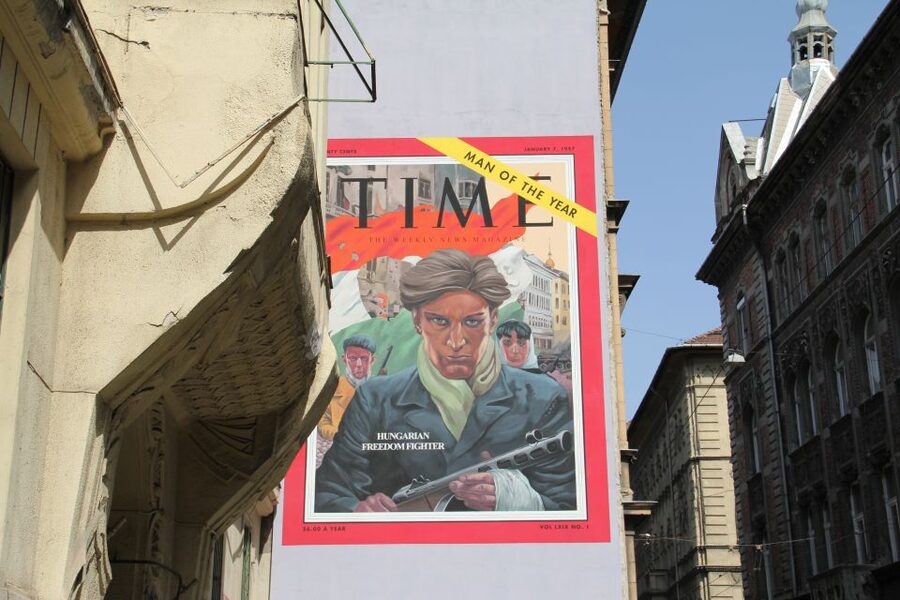
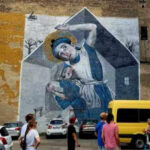
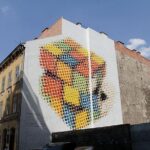
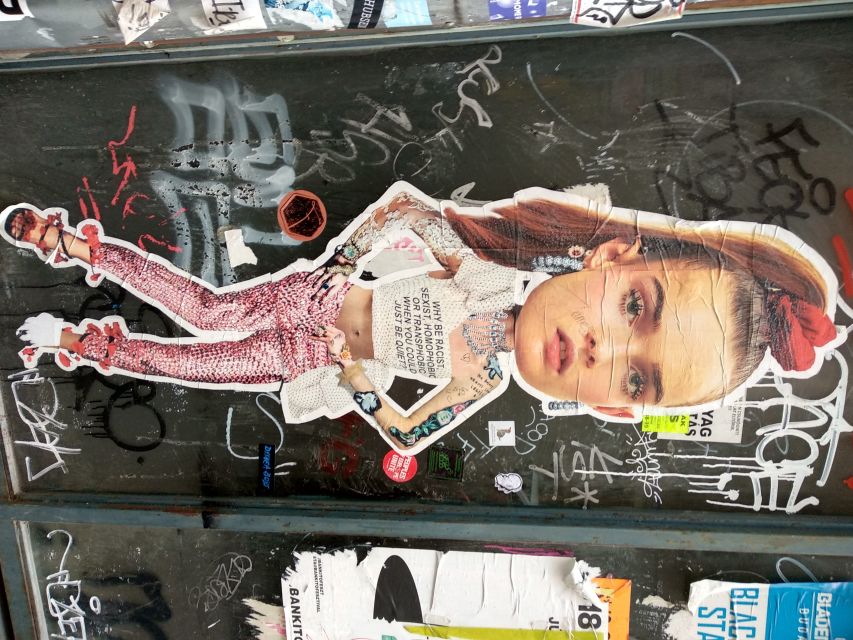
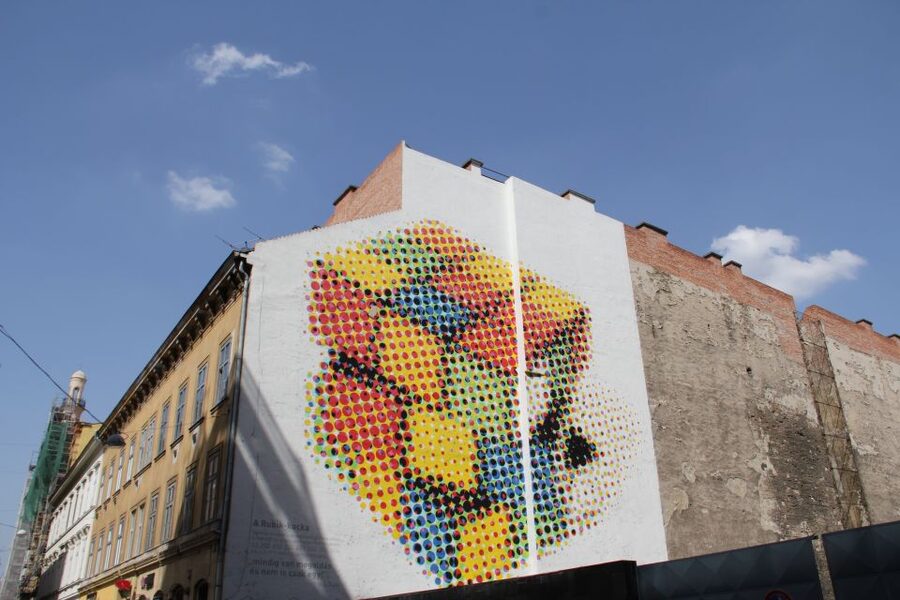
The bulk of the tour is spent looking at murals, graffiti, and other street art around the Jewish Quarter. The works are spread out enough that you slowly start to spot patterns: locations where art is used to comment, to remember, to protest, or to celebrate.
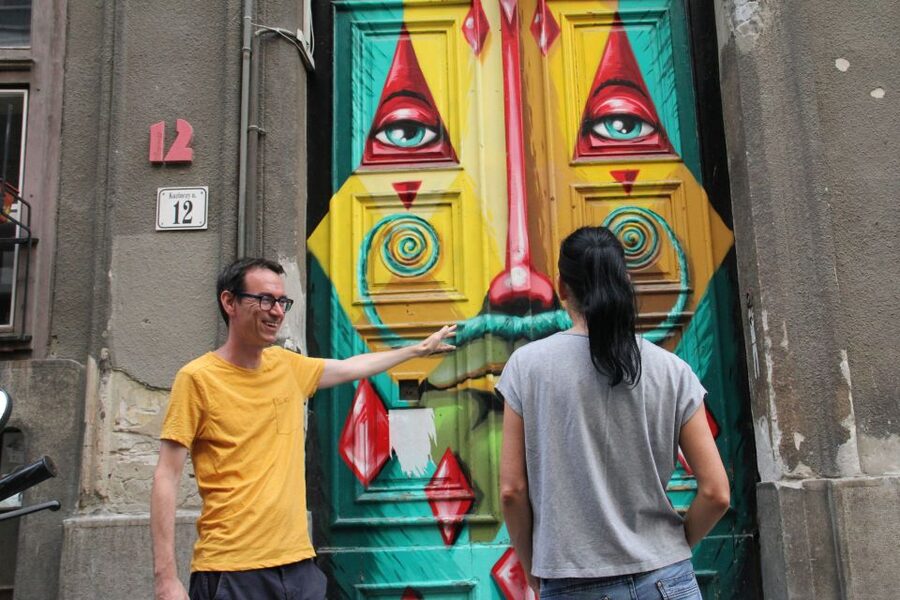
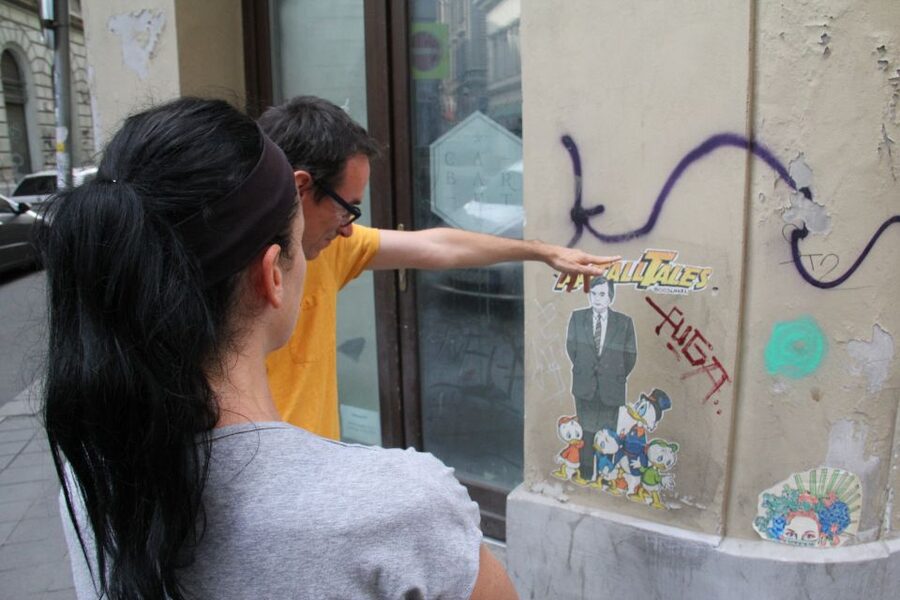
You should expect the experience to feel like an art walk plus a mini lecture. Your guide will stop at different pieces and explain what’s going on. That’s the key difference between browsing street art on your own and doing a guided walk here. You get to ask questions and you also get help noticing details you might miss.
One practical tip: wear comfortable shoes. This is a walking tour designed for lingering at each stop, not a quick drive-by scan. Even if you’re only seeing a few walls at a time, the 3 hours adds up.
How the guide reads each piece for you (and why that’s the real value)
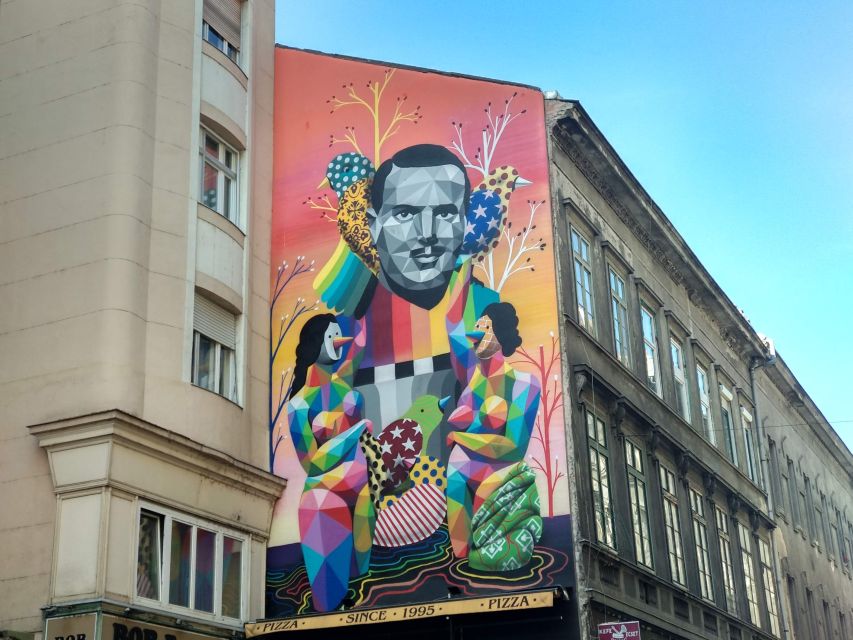
Here’s where this tour earns its praise. The guide discusses each artwork, so you understand the themes and the socio-political context, plus who created the piece. It’s not just art appreciation; it’s interpretation.
Local artists dominate the scene on this tour. That matters because street art made by locals often reads like neighborhood communication. You’re more likely to hear about the ideas and values locals care about, rather than a purely tourist-facing style.
If you like your art with context, you’ll probably enjoy how the guide connects the dots between contemporary messages and the larger story of the area. One review specifically highlighted Attila’s deep local art-scene understanding and the background he provided. Another mentioned how the guide stayed fun and responsive to questions, even when it was raining hard.
In other words: you’re not being told a generic script. You’re getting a guided conversation with the city’s visual language.
The socio-political angle: art as a lens on Budapest today
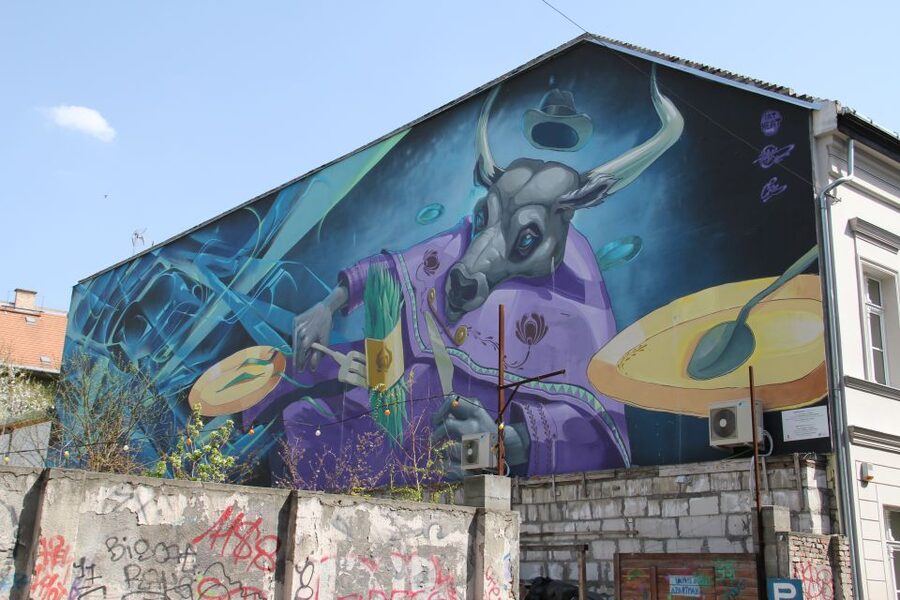
Street art tends to show up where people feel strongly. On this tour, you’ll learn how the pieces connect to the city’s contemporary culture and politics. That can mean a lot of things at once: messages about identity, social issues, historical memory, and everyday life.
The Jewish Quarter is especially fitting for this kind of look because it carries layered meaning. Your guide’s job is to help you understand how street art can fit into that layer cake without becoming random. You’re guided to see what each piece is responding to, and what it’s trying to say.
This is also where the tour becomes more than sightseeing. You’ll walk away thinking differently about what you notice on walls in the future. Instead of seeing graffiti as background clutter, you start treating it like a form of public storytelling.



The coffee stop at My Little Melbourne: a small break that helps a lot
At some point, you’ll pause at My Little Melbourne for the included complimentary coffee. This is a smart design choice for a walking tour like this.
Coffee gives you a chance to warm up, breathe, and reset your attention for the next set of artworks. It also keeps the tour from feeling purely academic. You’re still out exploring, but you get that friendly human break mid-walk.
If you’re sensitive to long explanations standing outdoors, this pause makes the tour easier to handle without losing momentum.
Small group size and guide Q&A: the difference between hearing and listening
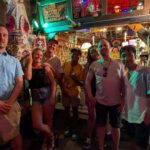
This is a small group tour, limited to 6 participants. That size is ideal for a walk like this, because each stop is an opportunity for questions. In larger groups, you’d often have to wait your turn. Here, the guide can actually respond and keep the conversation going.
You’ll feel the difference when the guide shares personal insights and invites curiosity, rather than treating the tour like a one-way lecture. The reviews underline this point, with praise for how the guide answered questions and stayed engaging.
Also, because it’s English-guided, you get clear explanations without relying on guessing. That matters when you’re interpreting symbolism, references, and socio-political themes.
Weather reality: prepare for streets, not stage lighting
One thing you should know: this tour happens outside. A review mentioned heavy rain, yet the time still seemed to pass quickly. That’s a good sign that the guide keeps the pacing steady and the focus on the art discussion.
Still, don’t count on perfect weather. Budapest can turn gray fast, and the Jewish Quarter streets are what they are. Bring a rain jacket, and consider shoes you don’t mind getting a little dirty. You’ll get more from the tour when you’re comfortable enough to focus on what the guide is pointing out.
Price and value: is $53 worth it?
$53 for a 3-hour street art tour in Budapest is a fair price when you look at what you get.
First, you’re paying for interpretation. The main portion of the time is structured around discussing specific pieces: themes, socio-political context, and the artists behind the work. That’s difficult to replicate on your own unless you already know the scene.
Second, you’re paying for group format. With a small group size, you can ask questions and get answers that help you understand what you’re seeing. If you’ve ever done a big walking tour and felt like you were just being walked past things, you’ll appreciate the difference here.
Third, the included coffee is a small cost saver, but it also signals the tour keeps things practical and human. You’re not forced into buying extra stops to survive the walk.
Bottom line: if street art and contemporary culture matter to you, this price reads as value for your time, not just a ticket to a neighborhood.
Who should book this Budapest street art tour
This tour is a great fit if:
- You want contemporary Budapest, not just postcard landmarks.
- You enjoy understanding what you see, especially when art connects to politics and social themes.
- You like small groups and the ability to ask questions mid-walk.
- You’re comfortable walking for about 3 hours and stopping often.
It may be less ideal if you’re only interested in quick photo stops and you don’t want explanations. You’ll still see street art, but the tour’s purpose is interpretation, not speed.
If you’re doing a first trip to Budapest, this can also be a smart “second layer” activity. You’ll get a different angle on the city after you’ve seen the more obvious attractions.
Should you book it? My take
Book it if you like street art with context and you want to understand why these murals and graffiti show up where they do. The combination of small group size, guided discussion of each piece, and the Jewish Quarter focus makes it feel purposeful.
Skip it only if you’re looking for a fast sightseeing loop or you dislike standing outside for discussions. Otherwise, this is a solid way to experience Budapest through its contemporary voice, one wall at a time, with a guide who keeps the conversation going.
FAQ
How long is the Budapest Street Art Tour?
The tour lasts 3 hours.
Where is the meeting point?
Meet at the entrance of the coffee shop My Little Melbourne.
Is coffee included?
Yes. A complimentary cup of coffee is included.
Is food included?
No food is listed as included.
How large is the group?
It’s a small group tour limited to 6 participants.
Is the tour wheelchair accessible and in English?
Yes, it’s wheelchair accessible and the live tour guide is English.
Is there free cancellation?
You can cancel up to 24 hours in advance for a full refund.