REVIEW · BELFAST
Belfast: Private Black Taxi Cab Political Murals Tour
Book on GetYourGuide →Operated by Hugh Jordan · Bookable on GetYourGuide
Belfast’s murals tell their stories fast.
This private Black Taxi Political Murals Tour is one of the quickest ways to understand Northern Ireland’s conflict and its aftermath, without treating the city like a museum. You’ll move through working neighborhoods while your guide connects each wall and street corner to real people, real fear, and real hope.
I especially love that this isn’t a facts-only drive. You’ll get hands-on stops at the murals, with time to look up close and ask questions rather than just stare out a window. I also like the way Hugh Jordan—named by most guests as the guide—keeps the tone grounded and human, including what it felt like to grow up during the Troubles and how complicated the politics were on both sides.
The main consideration: this is emotionally heavy material. The tour covers tensions and even recent troubled history, and it’s not built for someone who wants a light, purely sightseeing afternoon.
In This Review
- Key highlights worth knowing before you go
- Why Belfast murals feel different from postcards
- The value of a 1.5-hour private Black Taxi tour for $50
- Pickup and drop-off: keeping it easy in central Belfast
- The black taxi ride: comfort, safety, and street-level context
- Divis Tower and Albert Street: seeing the shapes of security and memory
- Falls Road murals: the neighborhood story behind the wall
- Bombay Street and the International Wall: art as argument
- The Peace Walls: what it means to sign your name
- Shankill Road: balancing the story and watching your assumptions
- What makes the guide (Hugh Jordan) the real engine of the tour
- Practical tips to help your tour go smoothly
- Who should book this Belfast murals taxi tour
- Should you book it? My take
- FAQ
- How long is the Belfast Black Taxi Cab Political Murals Tour?
- How much does it cost?
- Is this tour private?
- Where is pickup available?
- Is pickup included from the cruise port or Titanic Quarter?
- What stops are included on the route?
- Can I sign the Peace Wall?
- What should I bring?
- Is the tour wheelchair accessible?
- Is the tour suitable for hearing-impaired guests?
- Is the tour affected by bad weather?
Key highlights worth knowing before you go
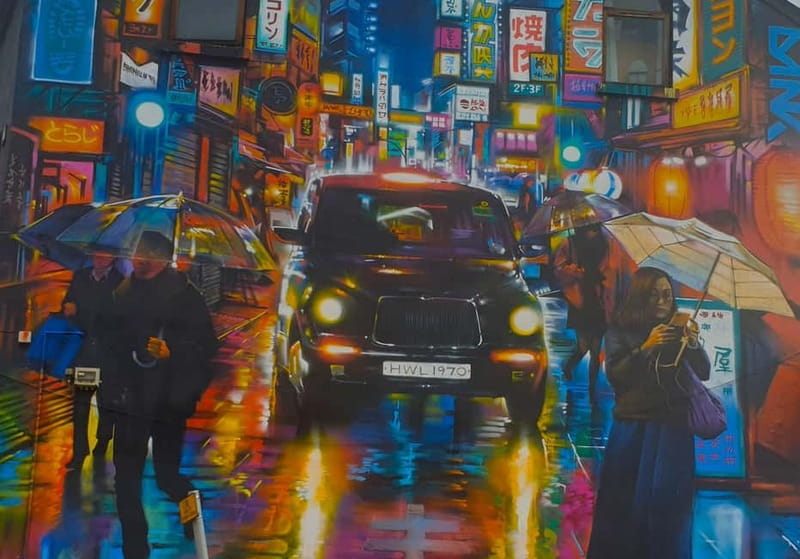
- Traditional Belfast black taxi ride with a local guide
- Firsthand, lived-experience storytelling focused on The Troubles
- Stops around Falls and Shankill while you’re guided on what you’re seeing
- Peace Wall photo stop plus sign-your-name moment
- Free hotel pickup from central Belfast and choice of drop-off points
- Rain or shine with comfortable shoes and a jacket strongly advised
Why Belfast murals feel different from postcards
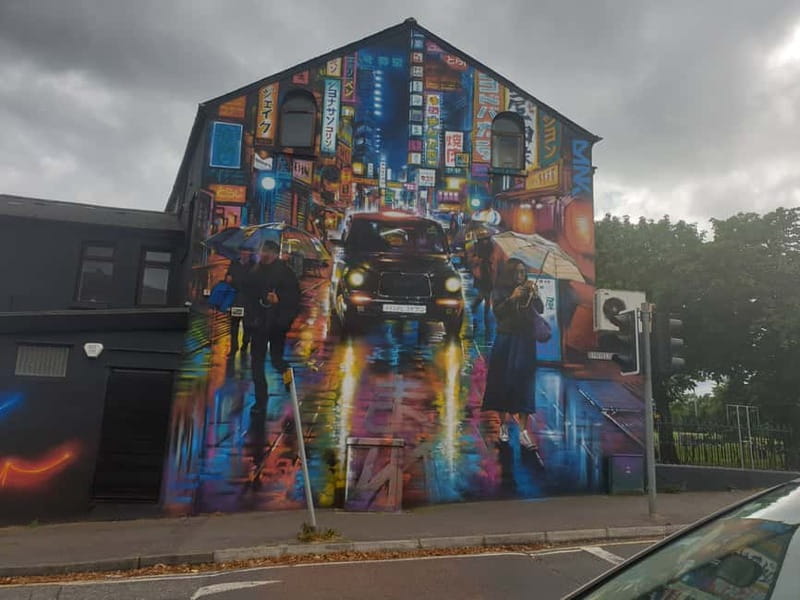
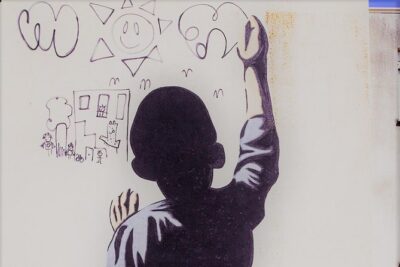
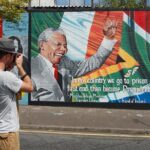
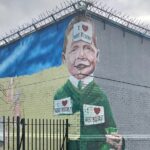
Belfast’s political murals aren’t decoration. They’re memory made visible—painted messages meant to be read, argued with, protected, and sometimes mourned. From the moment you’re in the iconic black taxi, the city starts to feel less like a destination and more like a place where history is still present tense.
This tour works because it gives you both motion and pauses. The taxi helps you get around efficiently and safely, especially through areas that visitors often only see from the main roads. The short guided stops help you slow down enough to notice what you’d miss on your own: symbols, slogans, and the way murals sit in the context of everyday street life.
And because it’s private for your group, the guide can match the story to what you want to understand—whether you’re starting from basics or you’ve already read about the conflict.
You can also read our reviews of more tours and experiences in Belfast.

The value of a 1.5-hour private Black Taxi tour for $50
At $50 per person for a 1.5-hour experience, the price makes sense if you think beyond transportation. You’re paying for a guided route through sensitive areas plus time at mural sites, with the guide shaping the information based on your questions.
A big part of the value is personalization. Many tour reviews highlight how Hugh asks expectations at the start and answers questions with depth rather than rushing you to the next stop. Another value point is that you don’t have to figure out route logic or timing—this is a guided, pre-planned circuit that also avoids the awkwardness of trying to “discover” conflict history on your own.
One more practical point: the price is for a private group, not a loose crowd. That changes everything when the topic is The Troubles, because you’ll feel more comfortable asking honest questions in a smaller space.
Pickup and drop-off: keeping it easy in central Belfast
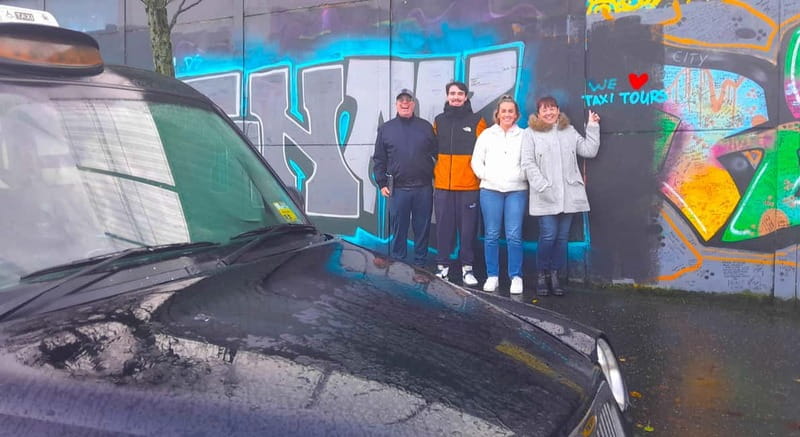
You get free hotel pickup from a list of central Belfast locations. The key detail is that the driver will not enter your hotel reception—so you should meet outside.
Pickup options include major city-center hotels and landmarks such as Belfast City Hall, the Europa Hotel, the Grand Central Hotel, the Crown Liquor Saloon, and several other centrally located properties. Your drop-off also has choice of drop-off points across the city center, which helps you finish near dinner, a pub stop, or another attraction.
One note to plan around: pickup isn’t offered from the cruise port, Titanic Quarter, Queens Quarter, East Belfast, or Stenaline Drop. If you’re staying outside the central zone, you may need another way to get to the meeting point.
The black taxi ride: comfort, safety, and street-level context
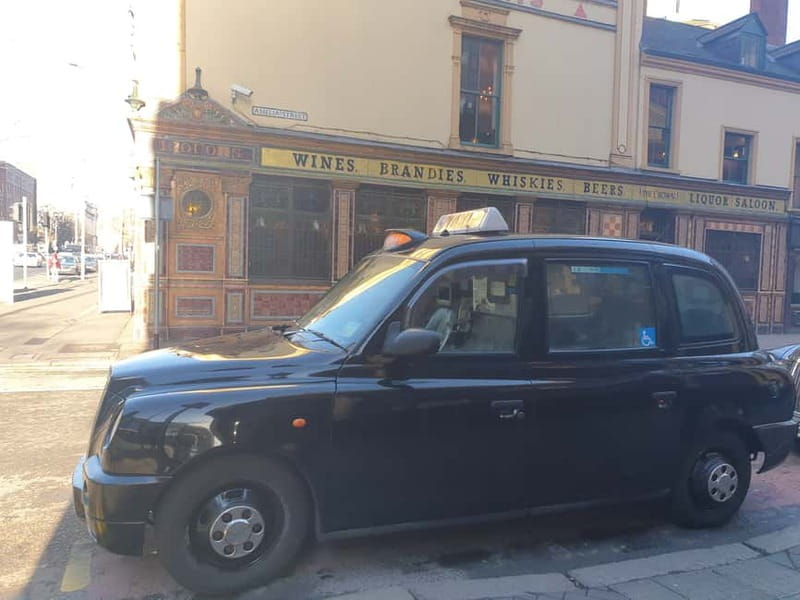
Riding in Belfast’s black cab matters more than you might expect. It’s built for navigating tight city streets, and it puts you at the right height and angle to notice murals, street layout, and peace-line barriers as you pass them.
More importantly, the cab gives your guide an easy way to explain what you’re seeing in sequence. You’ll hear context before each mural stop, then you’ll step out for a closer look—usually for around 10 minutes at key areas—before moving to the next street segment.
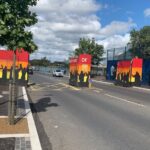
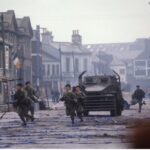
The tour also emphasizes respectful driving through places that were former centers of conflict such as the Falls and Shankill areas. You’re not just “going to murals.” You’re being guided through the geography of division in a way that helps you understand why these walls were placed where they were.
Divis Tower and Albert Street: seeing the shapes of security and memory
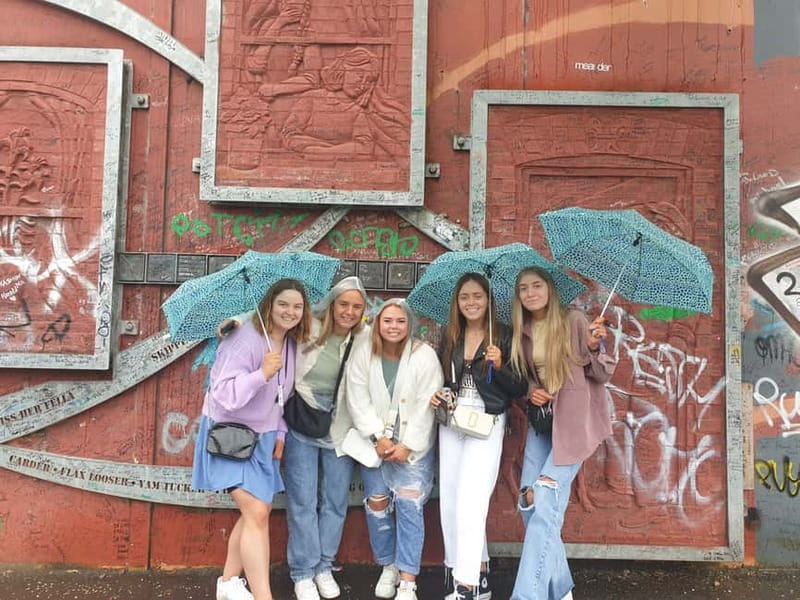
Your first real stop includes Divis Tower, with a short photo stop and guided visit. This is where the city’s built environment starts telling you a story about separation and protection. Even if you don’t know the full timeline, you’ll begin to understand why certain buildings, boundaries, and vantage points became part of everyday life.
Then you’ll head to Albert Street for another photo stop and guided visit. This is a useful bridge between “background history” and what you’re physically seeing now. The guide’s job here is to connect streetscape details—what’s close, what’s blocked, what’s visible—to the political story behind the murals.
A drawback to keep in mind: there’s a lot to take in quickly. If you’re the kind of person who likes to read every plaque and legend slowly, you’ll want to use your questions wisely, because the time each area gets depends on what people ask.
Falls Road murals: the neighborhood story behind the wall
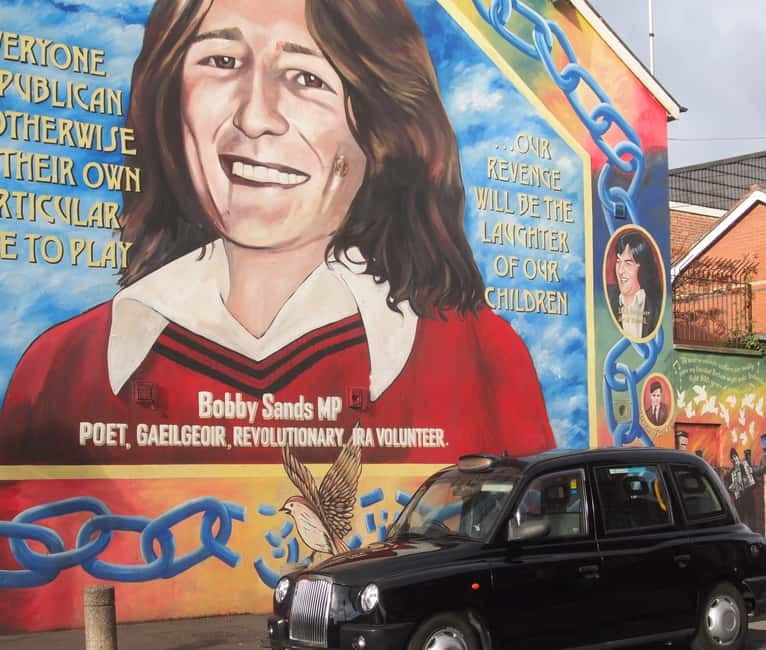
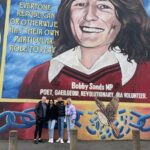
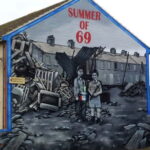
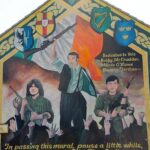
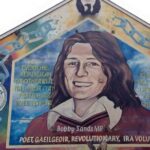
The Falls Road section includes a photo stop and guided tour time. Falls Road is one of the most recognized corridors for republican murals and political art, but what makes this stop more meaningful is the way your guide frames it.
Instead of treating murals like fixed “symbols to memorize,” you’ll hear them described as messages that changed with events—painted in response to what was happening, and read by people who lived the consequences. You’ll also get that sense of street-level reality: murals don’t hang in a gallery. They sit in a neighborhood where daily routines continued, even when the risks were real.
A practical tip: wear comfortable shoes. You’ll be outside and walking at each mural moment, even when it’s only for a short stretch.
Bombay Street and the International Wall: art as argument
From Falls Road you’ll move to Bombay Street for another photo stop and guided tour time. This area is often tied to the way murals communicate identity, resistance, and political messaging. Your guide should help you connect the visuals to the broader story of how communities understood themselves during the Troubles.
Next comes the International Wall murals area—again, with guided time. This stop is especially valuable if you’re trying to grasp how local conflict connected to wider political currents. When you look at international-style mural themes in Belfast, you start noticing how Belfast’s story echoed beyond Northern Ireland and how outsiders were pulled into debates about legitimacy, power, and identity.
If you feel overwhelmed by the volume of information, that’s normal. The best use of your 1.5 hours is to ask the “why this mural, why this message, why here?” questions. That’s where the guide’s lived experience really helps you make sense of the art.
The Peace Walls: what it means to sign your name
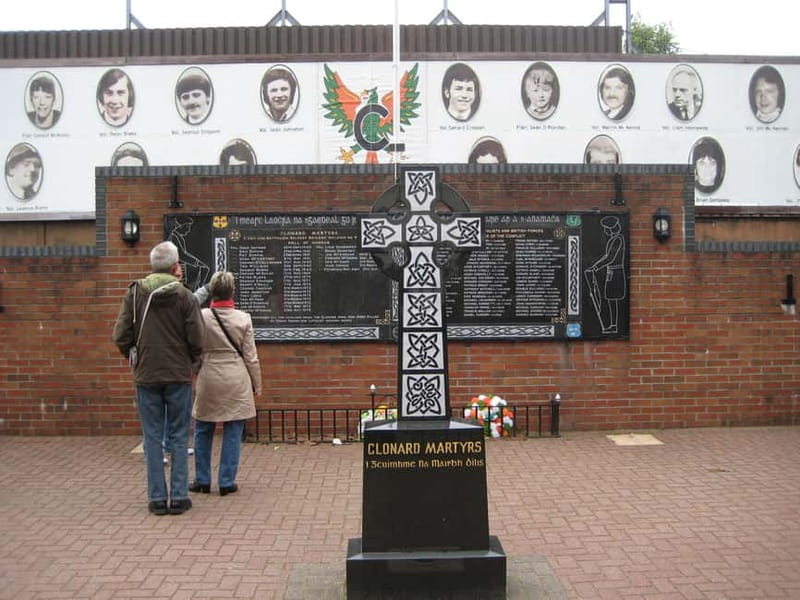
The highlight for many visitors is the moment at the Peace Walls. You’ll have a photo stop and guided time here, and you can sign your name on the Peace Wall that separates loyalist and republican areas.
That signing moment can feel small—pen to surface, a line of ink—but it has symbolic weight. You’re not just looking at history. You’re participating in a ritual of acknowledgement, and the guide often helps explain why visitors are invited to do it.
This is also where the emotional tone may shift. If you’re sensitive to heavy context, take a breath before you sign, and then ask the guide what you should notice while you’re standing there.
Shankill Road: balancing the story and watching your assumptions
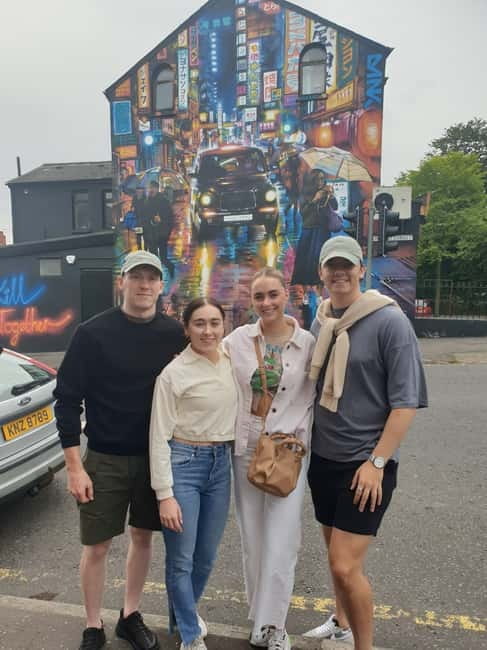
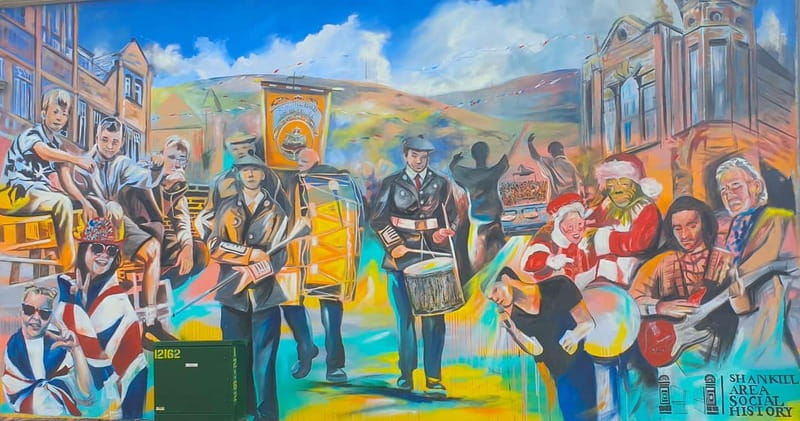
The tour then moves to the Shankill Road area, including both pass-by driving segments and photo stop and guided visit time. Shankill is commonly associated with loyalist communities, and it’s important that this part of the route doesn’t reduce everything to a single narrative.
A big theme in the guide experience is balance. Many guests emphasize that Hugh stays objective and gives both sides of the divide enough context to understand why people felt what they felt. You’ll still see political art—often stark and direct—but you’ll understand the logic behind it rather than treating it as a one-sided message.
This is also where the taxi route helps you. Seeing the geography from the cab window while hearing context can correct the common visitor instinct to interpret murals in isolation. Here, you learn to read the city as a whole system—streets, boundaries, neighborhoods, and public statements that shaped daily life.
What makes the guide (Hugh Jordan) the real engine of the tour
The experience lives or dies on the guide, and this one has a clear pattern: guests consistently mention Hugh Jordan as the reason the tour feels personal and meaningful.
What stands out in the way he leads:
- He’s friendly and makes it comfortable to ask questions early.
- He encourages interaction, not just listening.
- He explains the complexity of the historical journey to get to today.
- He answers questions with patience and often adds humor when it fits.
- He’s described as sharing lived memory of growing up during The Troubles.
That last point is why this tour is so effective. You’re not only learning dates and factions—you’re hearing how ordinary life was shaped by tension, fear, loss, and resilience.
Also worth noting: the tour can be challenging. The operator clearly warns that it may outline tensions and even recent troubled history. If there’s something you want more or less of—specific sites, events, or themes—tell the guide. The route timing is flexible based on questions.
Practical tips to help your tour go smoothly
A few things make a big difference in a rain-or-shine tour like this:
- Bring a jacket. Belfast weather can change fast, and you’ll be outside at multiple mural stops.
- Wear comfortable shoes. The walking is short, but you’ll want to stand and look closely.
- Go in ready to ask questions. This tour works best when you treat it like a conversation.
- Keep expectations realistic. The time at each area depends on what people ask, so if you want everything, you may need to prioritize your top themes.
If you’re sensitive to intense content, consider telling the guide at the start that you want a certain level of detail. The guide can adjust, because this is a private-group format.
Who should book this Belfast murals taxi tour
This tour is a strong fit if you want:
- A guided understanding of The Troubles beyond surface-level facts
- A route that includes both Falls and Shankill areas
- Up-close time at murals, plus the Peace Wall signing moment
- A private format where you can ask questions without feeling rushed
It may not be your best match if you’re looking for a light, entertainment-first afternoon. The subject matter is real, and the tour doesn’t try to soften it into something easy.
Also note: it isn’t suitable for hearing-impaired guests, based on the tour’s stated limitations. Wheelchair accessibility is listed, so if you use a wheelchair, you should still be able to participate—just confirm specifics with the operator when you book.
Should you book it? My take
If you’re going to Belfast and you care about meaning, this is one of the best ways to spend 1.5 hours. The combination of black cab comfort, short mural walk-and-look stops, and Hugh Jordan’s question-friendly, lived-experience storytelling gives you perspective you can’t get from a quick self-guided photo route.
Book it if you want to understand how murals, peace lines, and everyday streets connect to the political history of Northern Ireland—and you’re willing to sit with complex emotions for a while.
Skip it if you want a purely scenic tour, or if you need a strictly light approach. This one is about memory. In Belfast, that’s not optional.
FAQ
How long is the Belfast Black Taxi Cab Political Murals Tour?
The tour lasts 1.5 hours.
How much does it cost?
The price is $50 per person.
Is this tour private?
Yes. It’s a private group tour.
Where is pickup available?
Pickup is included from selected central Belfast locations only. Your driver will meet you outside (they won’t enter the hotel reception).
Is pickup included from the cruise port or Titanic Quarter?
No. Pickup isn’t offered from the cruise port, Titanic Quarter, Queens Quarter, East Belfast, or Stenaline Drop.
What stops are included on the route?
The tour includes stops/photo stops around Divis Tower, Albert Street, Falls Road murals, Bombay Street murals, International Wall murals, the Peace Walls (including the chance to sign), and Shankill Road murals.
Can I sign the Peace Wall?
Yes. The tour includes time at the Peace Walls where you can sign your name.
What should I bring?
Bring comfortable shoes and a jacket.
Is the tour wheelchair accessible?
Yes, wheelchair accessibility is listed.
Is the tour suitable for hearing-impaired guests?
No. It’s stated as not suitable for hearing-impaired people.
Is the tour affected by bad weather?
The tour continues rain or shine.