REVIEW · BELFAST
Belfast: Murals Taxi Tour
Book on GetYourGuide →Operated by XploreBelfastMurals · Bookable on GetYourGuide
Belfast’s walls talk back fast. This Belfast Murals Taxi Tour uses a historic black taxi and a real local guide to connect the city’s biggest mural moments to the Northern Irish Troubles. You’ll get hotel pickup, then ride the Falls and Shankill roads while the story unfolds street by street.
I love how the tour shows both sides of Belfast without turning it into a lecture, plus the guide’s personal, plain-language storytelling keeps complex history understandable. One thing to consider: the subject matter is heavy at times, so go in expecting emotional moments, not just photos.
In This Review
- Key things to know before you ride
- Belfast Murals by Black Taxi: What the 90 Minutes Really Covers
- Meeting the Troubles Where It Actually Happened
- Divis Tower: The Tour’s First Big Photo Stop
- International Wall: Murals as a Living Conversation
- Peace Line and Peace Wall: The Boundary You Can Touch
- West Belfast Murals: Stories Behind the Paint
- Bombay Street: Where the Troubles Started, Plus a Memorial Garden
- Crumlin Road Gaol: Segregation, Explained Where It Happened
- Lower Shankill: Protestant Belfast, Major Murals, and a Tight Close
- The Taxi, the Comfort, and the Role of Your Guide
- Price and Value: Is $51 Worth 1.5 Hours?
- Who Should Book This Tour (and Who Should Consider Another Option)
- Should You Book Belfast Murals Taxi Tour?
- FAQ
- How long is the Belfast Murals Taxi Tour?
- What’s the price per person?
- Does the tour include hotel pickup and drop-off?
- What vehicle is used for the tour?
- What stops will I see during the tour?
- Is there a live guide?
- Is the group private?
- Is the tour wheelchair accessible?
- What’s included in the price?
- Can I get a full refund if I change plans?
Key things to know before you ride
- A black taxi route through both neighborhoods: Falls Road and Shankill Road murals, plus key boundary areas
- Peace Line context you’ll actually remember: the why behind the daily lock-up is part of the explanation
- Stop-by-stop time for photos: quick photo breaks at major sites like Divis Tower
- Message-writing at the Peace Wall: you can add your own note during the visit
- Crumlin Road Gaol for segregation: you’ll get the human impact, not just dates
- A guide who invites questions: names you might hear include Sean, Edward, Jim, Dan, and Nigel
Belfast Murals by Black Taxi: What the 90 Minutes Really Covers
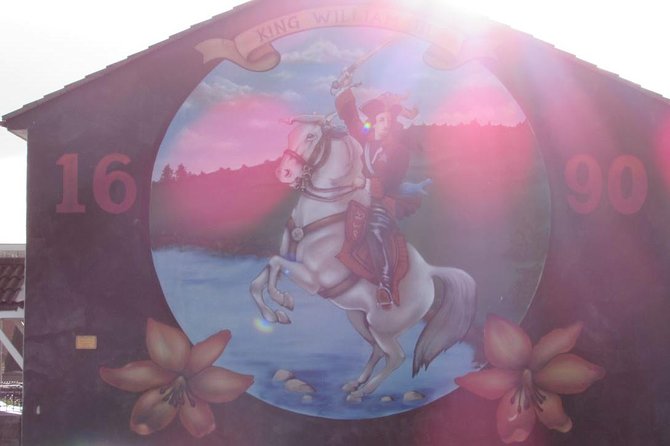
If you want Belfast history with a pulse, this is a strong way to start. In about 1.5 hours, you cover the Falls and Shankill roads—the two areas most visitors connect to the Troubles—while your guide explains how politics, community identity, and everyday life collided in the streets.
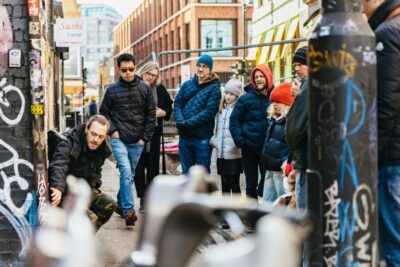
The format matters. A taxi tour keeps the pace tight but not rushed: you’re constantly moving, yet you stop often enough to see murals up close and take photos without guessing where to walk. And because the guide is with you the whole time, you get context that most people would miss if they just wandered between mural walls on their own.
This tour is also built around one key idea: the murals are not just decoration. They’re a public record—of events, heroes, losses, and beliefs—changing over time as the city’s story changes. When you see the murals as messages, the streets make more sense fast.
You can also read our reviews of more tours and experiences in Belfast.

Meeting the Troubles Where It Actually Happened
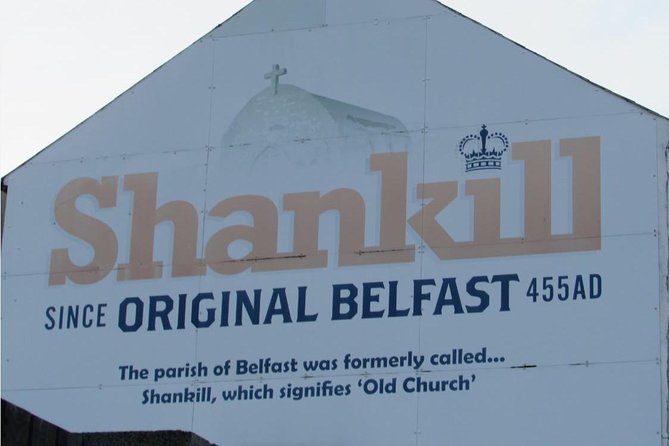
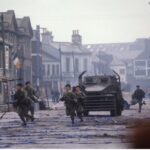
Most first-time visitors to Belfast come with the broad outline of the Troubles. This tour is designed to tighten that outline into something specific: what the neighborhoods looked like, how communities lived side by side, and how visible barriers became part of daily life.
You’ll drive through Catholic and Protestant areas, and your guide ties murals to real political history. That matters because the Troubles weren’t only about the headline events. They were about identity, segregation, fear, and loyalty—played out in the geography of Belfast.
The feel is street-level, not museum-level. Even when you’re only outside for a few minutes, you’re standing near places your guide describes as turning points—like Bombay Street—so the history lands in your body, not just your brain.
Divis Tower: The Tour’s First Big Photo Stop
Your ride begins with a move to Divis Tower, one of the iconic visual anchors for West Belfast. The key value here is timing: you see it early so you understand what your guide is talking about before you get deep into murals and walls.
You should expect a short stop that gives you time to take photos and listen. Guides typically explain why this location mattered during the Troubles and what the tower represented in the wider neighborhood story. It’s the kind of moment that helps you later when you’re trying to connect different mural themes to the same underlying conflict.
Photo tip: aim for a couple of angles—one wider for context and one tighter if the curbside conditions make the best view limited.
International Wall: Murals as a Living Conversation
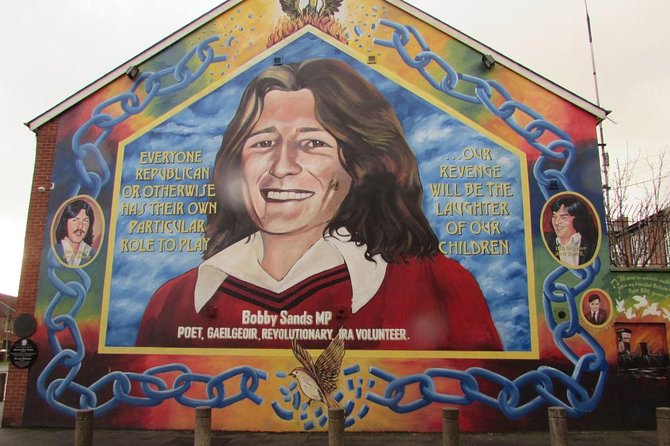
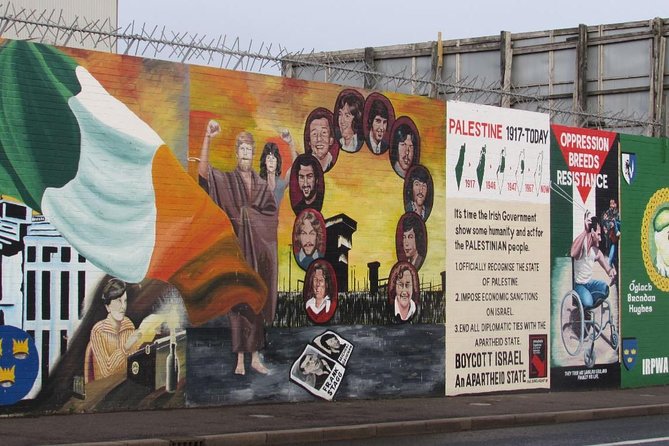
Next comes the International Wall, where you’ll learn how the wall’s murals reflect the city’s ongoing conversations and messages from beyond Belfast. The name itself is a clue: it’s not only local politics written in paint.
This stop works well because it shifts you from the Troubles era into a more current meaning. You still see the political edge, but you also start noticing how mural art can speak to broader themes—solidarity, remembrance, and protest—without the guide needing to reinvent the story from scratch.
What you’ll take away is simple: the city keeps rewriting itself in public. Murals are one of the ways Belfast remembers and reacts.
Peace Line and Peace Wall: The Boundary You Can Touch
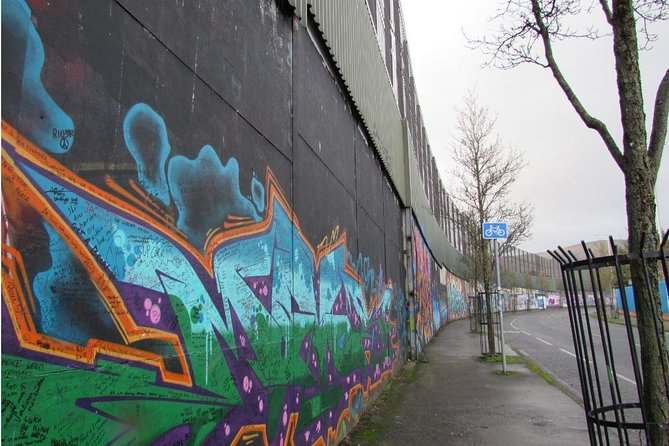
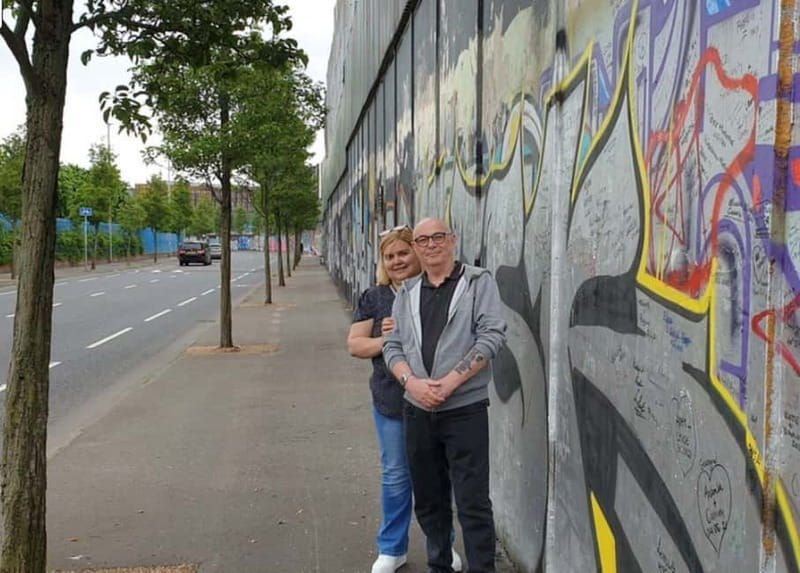
One of the most memorable parts of the tour is the area around the Peace Line, including the Peace Wall stop. You’ll learn about its history and—crucially—why it gets locked daily. Your guide connects the locking to how communities tried to control contact and reduce conflict in everyday life.
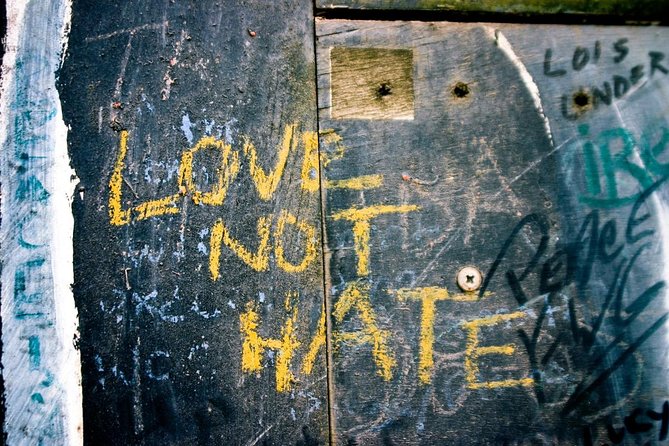
Then you get a hands-on moment at the Peace Wall: you can write a message on the wall. That small action is powerful. It turns a passive visit into participation, and it also helps you understand why these walls became canvases for meaning.
Practical note: bring a pen if you’re picky, but the tour experience as described includes the activity itself, so you likely won’t be left without something to write with. If it’s wet outside, expect the wall area to be slick, and plan your footing.
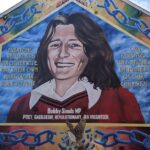
West Belfast Murals: Stories Behind the Paint
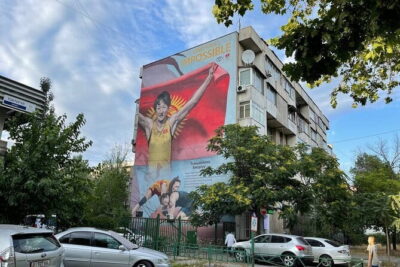
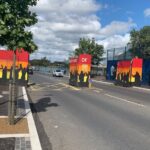
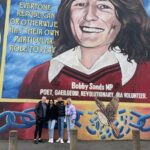
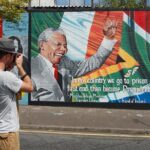
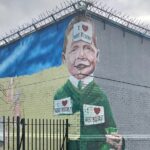
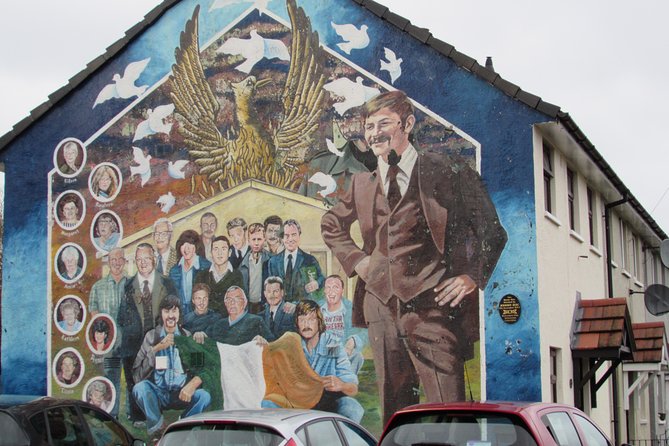
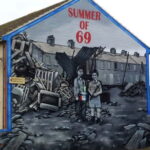
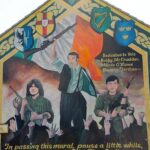
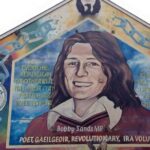
After the wall stops, the tour moves through West Belfast, where you’ll see several political murals and hear what each one represents. This is where the taxi ride becomes more than transportation. It becomes a moving map of symbols.
You’ll learn to read murals like clues: who is represented, what events the artwork points to, and how the neighborhood used public art to communicate its viewpoint. That’s why the guide’s voice is so important. Without it, you can still enjoy the art. With it, you start understanding the city’s grief, pride, anger, and hope in the same breath.
Here’s a drawback to keep in mind: mural themes can be intense, and some imagery is meant to provoke strong emotions. If you’re sensitive to conflict-related content, you may want to pause, ask for context, and decide how long to linger at each stop.
Bombay Street: Where the Troubles Started, Plus a Memorial Garden
Next is Bombay Street, described as a place where the Troubles started. This stop is often the emotional center of the tour, because it pairs a specific location with remembrance.
You’ll also visit the memorial garden, which shifts the tone from conflict history into the human cost of that history. The garden element matters because it reminds you that politics isn’t abstract here. Real people lived through real consequences.
Photo tip: in memorial spaces, take one or two careful shots, then put your phone away. The value is in paying attention while your guide explains what you’re seeing.
Crumlin Road Gaol: Segregation, Explained Where It Happened
At Crumlin Road Gaol, you’ll learn about political segregation and how imprisonment and boundaries shaped daily reality. Even if you only get a short stop, this site gives the tour a sharper edge: it connects mural messages to systems and institutions, not only street-level drama.
The practical value: you finish this stop with a clearer sense of why communities felt trapped in identities rather than freely mixing. That understanding helps you interpret the rest of the route, especially the way peace lines and murals communicate who belongs where.
If you’re the type who wants dates and facts, you’ll likely appreciate how the guide frames the setting. If you prefer a more personal tone, you’ll still get it—your guide’s storytelling style is central to how the history lands.
Lower Shankill: Protestant Belfast, Major Murals, and a Tight Close
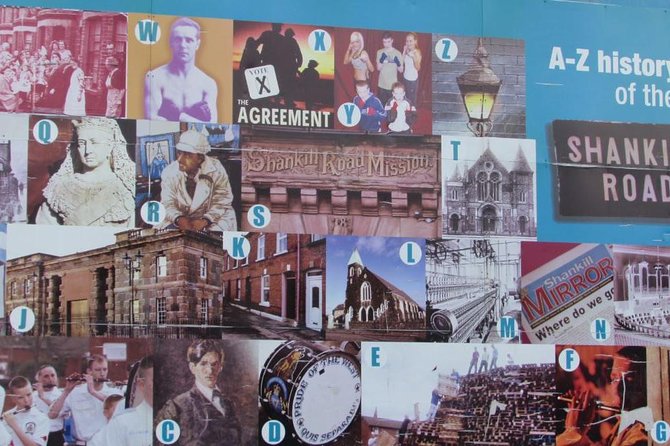
The final neighborhood stop focuses on Lower Shankill, described as Belfast’s main Protestant area. Here you’ll see the most important murals for that side and learn their history.
This portion of the tour is useful for balance. A lot of short Belfast tours tilt toward one angle. This one pushes you to see why each side tells its story differently—and how murals became a substitute for dialogue.
The ride ends with hotel drop-off. For a $51 per person outing in a private format with pickup, it’s a practical way to get educated fast without burning half a day.
The Taxi, the Comfort, and the Role of Your Guide
Your ride happens in a historic black taxi, but modern comfort shows up too. One practical note: some vehicles may look more like modern taxi vans than old-school cab silhouettes. It’s still a comfortable, arranged vehicle, and the point is that you’re getting a guided route with a proper driver.
The best part is almost always the guide. Across the experiences shared, names like Sean, Edward, Jim, Dan, and Nigel come up again and again, with the same consistent pattern: they invite questions, keep the tone respectful, and make complicated history easier to follow.
You’ll also likely get real warmth from the small extras. A few guides have shown up with umbrellas when Belfast weather turns rainy. Even if it’s not raining when you book, pack for it. Belfast can shift from drizzle to steady rain quickly.
And because this is a private group with hotel pickup and drop-off, you’re not stuck waiting on strangers while the driver plans the route. You get a smoother flow.
Price and Value: Is $51 Worth 1.5 Hours?
For $51 per person over 1.5 hours, the value is mostly in what’s included: hotel pickup and drop-off, plus private air-conditioned transport and a live English guide. You’re also paying for direction—knowing where to go, what each mural is saying, and what to pay attention to next.
You’re not just buying a drive. You’re buying interpretation. Murals can look like art until you understand the references. Walls can look like walls until you learn why they were built and why they still matter.
If you only have a short time in Belfast, this is a smart way to build context quickly, and it pairs well with other Belfast essentials like the Titanic area, because once you grasp the city’s political backdrop, everything else feels more grounded.
Who Should Book This Tour (and Who Should Consider Another Option)
This tour is a great fit if you:
- Want a guided way to understand the Troubles and the murals connected to it
- Like asking questions and getting straight answers from locals who explain history through real places
- Prefer short stops over long museum sessions
- Are okay with heavy themes and respectful discussion
You might choose something else if you:
- Want purely light sightseeing with minimal conflict content
- Dislike emotionally intense subject matter
- Need a tour with lots of walking time (this one is taxi-based with short outdoor stops)
Should You Book Belfast Murals Taxi Tour?
Yes, if your goal is to understand Belfast fast and in a human way. This is one of those experiences where the route and the guide both matter. The taxi gets you to the right places; the guide turns murals and walls into understandable history.
Book it especially if you like stories you can connect to specific streets—Divis Tower, Bombay Street, and the Peace Line moments are the kind of stops that make Belfast feel real rather than distant. If you’re sensitive to conflict topics, you can still do it, but go prepared: you’re choosing a history tour where remembrance and emotion are part of the experience.
FAQ
How long is the Belfast Murals Taxi Tour?
The tour lasts 1.5 hours.
What’s the price per person?
The price is $51 per person.
Does the tour include hotel pickup and drop-off?
Yes. Hotel pickup and drop-off in the city center are included.
What vehicle is used for the tour?
The tour takes place in a historic black taxi.
What stops will I see during the tour?
You’ll visit places including Divis Tower, the International Wall, the Peace Wall, the murals in West Belfast and Lower Shankill, Bombay Street, a memorial garden, and Crumlin Road Gaol.
Is there a live guide?
Yes, there is a live tour guide in English.
Is the group private?
Yes. It’s listed as a private group.
Is the tour wheelchair accessible?
Yes. The tour is wheelchair accessible.
What’s included in the price?
Included items are hotel pickup and drop-off and private air-conditioned transportation.
Can I get a full refund if I change plans?
The tour offers free cancellation up to 24 hours in advance for a full refund.