REVIEW · PARIS
Paris Off the Beaten Path Street Art Walking Tour
Book on Viator →Operated by Meeting the French · Bookable on Viator
Paris has art on every block.
I love that this tour focuses on Belleville’s street art stories, not the usual museum loop, so you see Paris through murals, mosaics, and painted faces. I also like the small group size (max 8), which makes it easier to ask questions and actually talk about what you’re seeing. One thing to consider: you’re outdoors for about 2 hours, so dress for the weather and be ready for chilly days.
You’ll walk through streets where music, politics, and art overlap in a way that feels personal and current. I’m especially drawn to the way the guide connects works by artists like Jérome Ménager and the Space Invader mosaics to the neighborhood’s history. The walk is relaxed, and you’re encouraged to form your own opinion on what counts as art.
The main drawback is also the nature of street art tours: the neighborhood changes, and you might not see the exact same pieces every time. If your group wants a guaranteed, one-size-fits-all checklist of famous landmarks, this may not match that style.
In This Review
- Key things to know before you go
- Why Belleville’s street art feels like real Paris
- Price and what you’re really paying for
- Getting started at Bd de Belleville (and why the meeting point matters)
- The core story you’ll carry: Piaf, low rents, and artists moving in
- Wandering Belleville: what the 2 hours actually feels like
- Jérome Ménager and Space Invader: turning names into sights
- How the guide shapes your viewing (Olga and Eloise are standout examples)
- What to wear, who it suits, and when to bring kids
- The small-group format (max 8) is more than a number
- A fair look at drawbacks and trade-offs
- Should you book this Belleville street art tour?
- FAQ
- How long is the Paris Off the Beaten Path Street Art Walking Tour?
- What is the meeting point for the tour?
- Is the tour offered in English?
- What size group is this tour?
- Is the tour ticket digital?
- Does it run in bad weather?
- Are children allowed?
- Is hotel pickup included?
Key things to know before you go
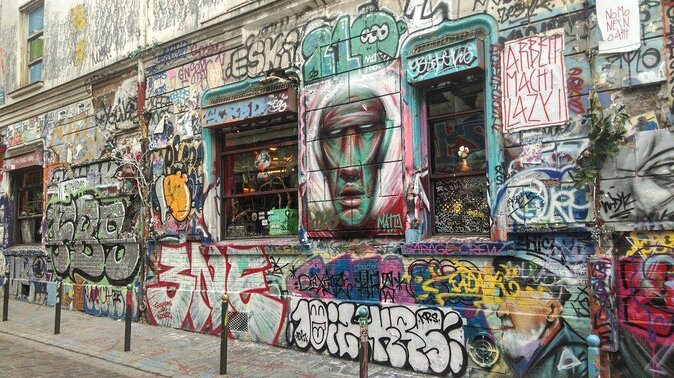
- Belleville instead of the Louvre route: you’ll trade grand galleries for wall-sized creativity in a real neighborhood.
- Max 8 people: it stays intimate, so the guide can keep the pace gentle and interactive.
- Artist names you’ll actually look for: Jérome Ménager and Space Invader show up as real visual targets.
- A neighborhood origin story you can feel: Piaf’s connection and the 1980s artist migration shape what you see.
- It’s about interpretation, not just photos: you’ll be pushed to react—beautiful, funny, political, or messy.
Why Belleville’s street art feels like real Paris
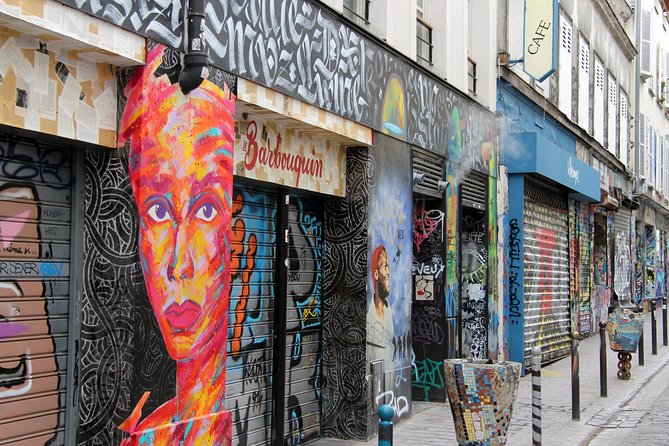
Paris street art is one of those things that sounds simple until you start paying attention. Then you realize the walls aren’t decoration. They’re how people argue, joke, grieve, celebrate, and remember—right where they live.
Belleville is the perfect place for this kind of walk. It has that small-street energy that doesn’t feel staged for visitors. And it’s tied to real cultural history, including the fact that Edith Piaf grew up here. So when you see a mural or an unusual tile pattern, you’re not just looking at paint—you’re looking at the neighborhood’s identity showing up in color.
This tour also makes sense if you’re traveling with teenagers or kids who get museum fatigue. Two hours on sidewalks and building fronts is an easier sell than another timed entry ticket. It’s still educational, just less formal, and it gives you a different angle on Paris than the classic postcard circuit.
You can also read our reviews of more tours and experiences in Paris.

Price and what you’re really paying for
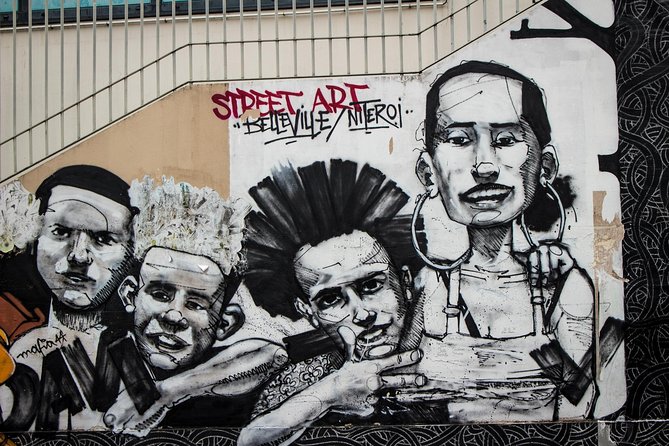
At $96.13 per person for about 2 hours, this is not a bargain-basement activity. But it’s also not “pay a lot for nothing.” You’re paying for three things that matter in a city like Paris: a local guide, a tight group size, and context you’d miss if you went solo.
Most of the value comes from what a guide can point out. Street art can look random from far away. The guide helps you read it—what a piece is saying, why a certain artist is important, and how the neighborhood shaped the style. You’re also guided through an area that many visitors pass through quickly (or not at all), so you waste less time guessing and more time seeing.
The small-group format (maximum 8) also affects the value. If you’ve ever been in a big group, you know how quickly “listening” turns into “waiting.” Here, the pacing stays leisurely, and you get room to ask questions and react to the art in front of you.
Getting started at Bd de Belleville (and why the meeting point matters)
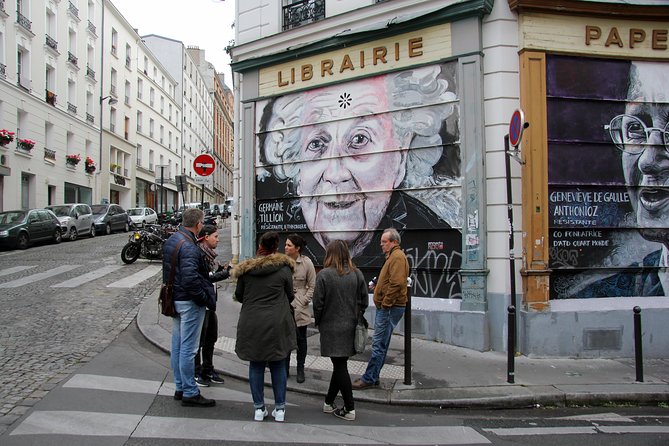
The tour starts at 130 Bd de Belleville, 75020 Paris, and it ends back at the starting point. That matters because it keeps the logistics simple: you’re not committing to a long pickup process or trying to match transfers afterward.
It’s also near public transportation, which is useful if you’re building a day around other plans. And since it operates in all weather conditions, your meeting time (start time is 10:00 am) is a reliable anchor for your morning schedule, as long as you dress appropriately.
You’ll want comfortable shoes. This is a walking tour in a real neighborhood. Even if the pace is easy, cobblestones, sloped streets, and uneven sidewalks add up over two hours.
The core story you’ll carry: Piaf, low rents, and artists moving in
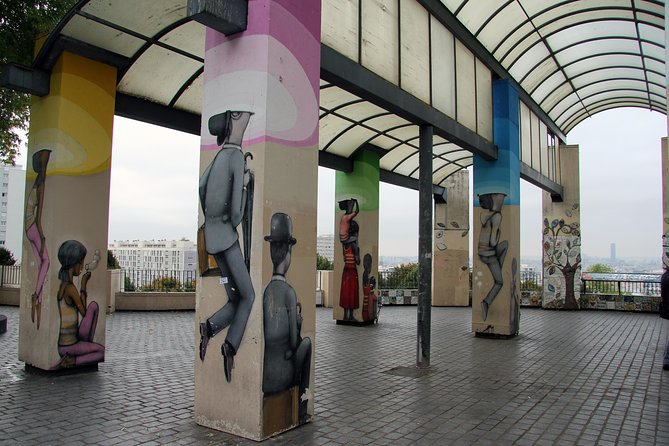
The heart of the experience is Belleville’s turnaround from industrial space to creative space. The neighborhood has long had a sense of being slightly outside the “official” Paris story. That’s why the street art hits differently here: it feels connected to everyday life, not staged for tourists.
A few big threads guide what you see on the walk:
- Edith Piaf grew up in Belleville, which gives the neighborhood a famous emotional backdrop.
- In the 1980s, many Parisian musicians and artists moved here because of lower rents.
- Industrial buildings were converted into artists’ studios, helping Belleville become an actual creative hub rather than just a place where art happens.
When your guide connects those dots, murals stop being random images and start looking like messages from a community. Even if you know nothing about Belleville before you arrive, you’ll leave with a framework that helps you interpret what you see on other streets afterward.
Wandering Belleville: what the 2 hours actually feels like
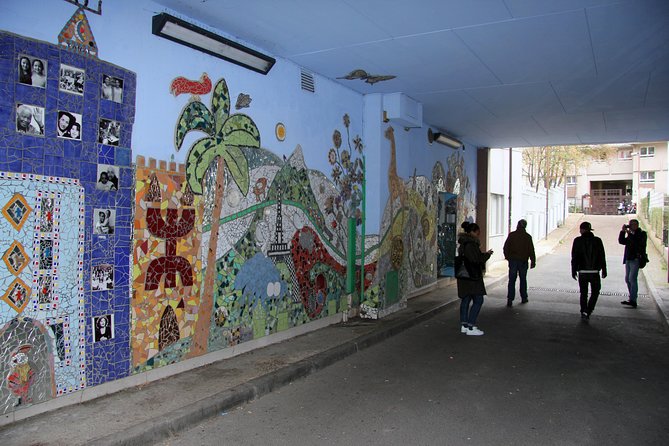
This is a leisurely paced walk, and that pacing is a feature, not a drawback. Street art is visual, so it rewards slowing down. You’ll likely spend time looking, then listening, then looking again.
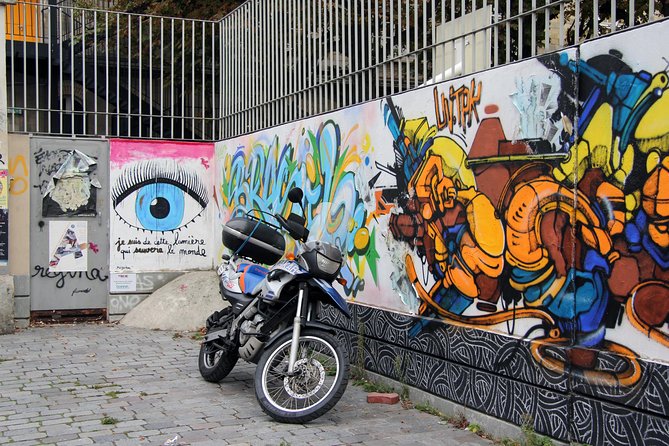
Along the route, you can expect to see murals and other works painted or installed on building sides. The neighborhood’s industrial-to-artist-studio background helps explain why the street art includes such a range—beautiful, funny, and political pieces exist side by side.
A nice detail here is that you may have moments where you spot artists at work in front of you. That’s the kind of thing that turns a “tour” into a snapshot of the present day. It also reinforces the idea that street art isn’t frozen in time. It evolves.
One more thing you should know: your guide encourages you to express your opinion. That means the experience isn’t only “here’s what this means.” You’ll be invited to react—whether you love the work, question it, or even feel it’s destruction. That conversation makes the walk more human and less like a slideshow.

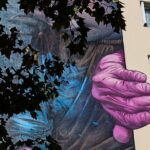

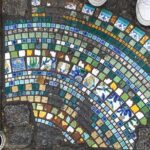
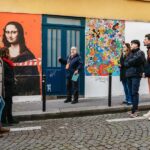

Jérome Ménager and Space Invader: turning names into sights
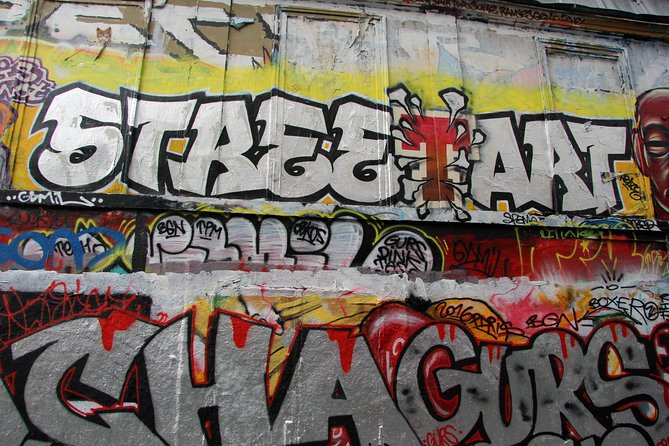
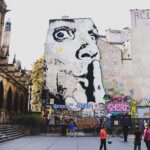
Two specific artwork targets show up as memorable anchors: Jérome Ménager’s wall fresco and the mosaic tiles by the artist known as Space Invader.
Here’s why that matters for your experience. When you’re walking without a guide, street art can blur together: faces, colors, symbols. But when you have real references—an artist name, a type of work, and the neighborhood context—you start spotting details faster. You know what you’re looking at, not just that something is painted on a wall.
- Jérome Ménager’s wall fresco gives you a bigger, more painterly kind of street art moment—something that reads like fine art, just placed in the street.
- Space Invader’s mosaic tiles are a very different vibe: recognizable, collectible-looking, and full of that playful, pop-culture energy.
That contrast is useful. The tour nudges you to think about the differences between styles and intentions. Some art aims to delight. Some aims to comment. Some feels like satire. And in Belleville, those moods share space, which makes the area feel creatively crowded in the best way.
How the guide shapes your viewing (Olga and Eloise are standout examples)
A street art tour lives or dies by the guide. The strongest part of this experience is how guides bring both history and context into the visuals, so the art becomes readable.
Guides such as Olga and Eloise come up in the best accounts. The pattern is consistent: they’re enthusiastic, they explain the stories behind artists and works, and they answer questions with enough detail that it sticks. One guide even builds in a quiz element at the end, which is a fun way to make you pay attention while you’re walking—and a good trick if you’ve got kids or teens who drift otherwise.
Also, street art is messy by nature. It can be political, funny, or controversial. A good guide helps you see the structure behind the chaos: why a piece uses certain imagery, what it’s responding to, and how it fits the neighborhood’s evolution.
If you like conversations more than lectures, this format fits. You’re not just getting facts. You’re getting a point of view—and then you get to form your own.
What to wear, who it suits, and when to bring kids
Because the tour operates in all weather, plan around the idea that you’ll be outside even when the sky decides to be Paris. Dress in layers. Bring a light rain layer if rain is likely. And don’t skip comfortable shoes—Belleville streets are not designed for fashion-model footwear.
This tour is especially good for kids and teenagers who are ready for something other than museum walls. The street art is colorful and immediate. Plus, the guide’s storytelling approach gives young visitors an anchor for what they’re seeing.
You’ll also want an adult to accompany children, since the tour specifies that kids must be accompanied. That’s standard, but it affects planning—make sure your group structure works for it.
As for who else will enjoy it: anyone who wants Paris beyond the headline attractions, or anyone who likes art that takes risks. If you’re the type who enjoys debating whether something is art, this tour turns that instinct into part of the experience.
The small-group format (max 8) is more than a number
It’s easy to see “max 8 travelers” and think it just means less crowding. The real advantage is how it changes the pacing and attention.
In a larger group, you usually get one quick stop, a photo, and then move on. Here, the walk stays leisurely. That gives you time to actually look at details and ask follow-up questions. It also makes it easier for a guide to tailor the route and conversation to what your group is noticing in real time.
This also matters for families. With kids, you don’t want a relentless timetable. A slower approach lets energy levels stay workable and keeps the walk from turning into a chore.
A fair look at drawbacks and trade-offs
The biggest consideration is that street art changes. Walls get painted over. Pieces move. Even when the tour route targets key areas, what’s visible can vary. So if you’re chasing exact “always-see-this” landmarks, street art tours come with some uncertainty.
Another trade-off is that the experience is opinion-based. The tour encourages you to share how you feel about pieces, including whether you think some work is destruction. For some people, that’s a great way to connect. For others, it can feel uncomfortable if you prefer a strictly factual museum vibe.
Finally, the price is on the higher side for a walking tour. You’re paying for a guide and interpretation, not just access to an area. If you’re the type who enjoys wandering on your own and looking up details later, you might need to decide if the guided context is worth it for your travel style.
Should you book this Belleville street art tour?
I think this is a smart choice if you want a more modern side of Paris that isn’t just “another attraction.” It’s also a strong pick for families and mixed-age groups because it blends walking, storytelling, and visual creativity without requiring museum stamina.
Book it if you’ll enjoy art that mixes styles—serious fresco moments next to playful mosaics, plus political pieces that make you think. Book it if you want a local guide to connect the dots between Belleville’s history and the street works you see.
Skip it (or at least rethink the timing) if you need guaranteed, fixed “see these exact sights” experiences, or if you’re only interested in the most famous Paris art. Belleville is about interpretation and atmosphere, and it rewards people who are willing to react.
If you go in with flexible expectations and good shoes, you’ll come away with a part of Paris many people miss—and a way of reading the walls that will follow you after the walk ends.
FAQ
How long is the Paris Off the Beaten Path Street Art Walking Tour?
It’s about 2 hours.
What is the meeting point for the tour?
The start location is 130 Bd de Belleville, 75020 Paris, France, and the tour ends back at the meeting point.
Is the tour offered in English?
Yes, it’s offered in English.
What size group is this tour?
The tour is limited to a maximum of 8 travelers.
Is the tour ticket digital?
Yes, it uses a mobile ticket.
Does it run in bad weather?
It operates in all weather conditions, so you should dress appropriately.
Are children allowed?
Yes, children must be accompanied by an adult.
Is hotel pickup included?
No hotel pickup or drop-off is included.