REVIEW · PARIS
Private Graffiti Workshop
Book on Viator →Operated by Street Art Tour Paris · Bookable on Viator
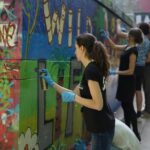
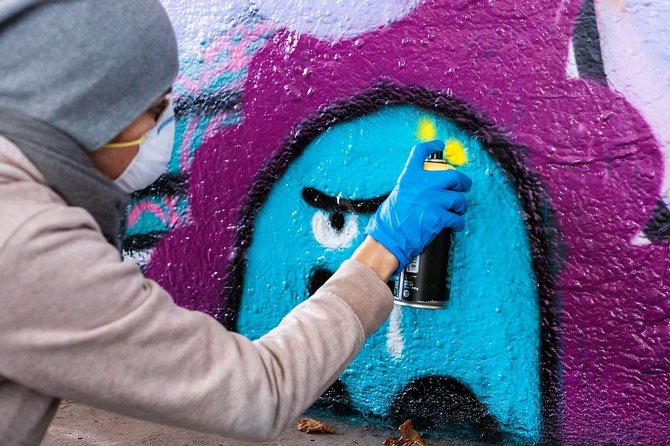
Spray paint stops being scary fast. In Paris, you get a private graffiti-painting street art workshop in Puteaux, guided in English by professional artists, with an outdoor setup that’s tolerated for painting. It’s hands-on from minute one, and the safety kit (masks and gloves) is part of the plan.
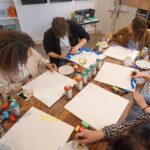
I love two things most: the personalized guidance as you sketch and paint your own piece, and the fact that you don’t need to bring supplies. Paper, pens, crayons, and multiple spray colors (plus spray caps) are included, so you can focus on learning the medium instead of shopping for gear.
One consideration: you’ll be working in an outdoor public space (though under a rooftop), and the basics are masks and gloves. If you have breathing problems, this isn’t recommended, and you may want to plan for extra protection like overalls and shoe protection, which can be purchased separately.
In This Review
- Key points I’d write on a sticky note
- Why graffiti lessons feel different here
- The 2-hour plan: sketch, stencil, spray, refine
- Materials and safety gear: what’s included, what to consider
- Bercy Village start: a convenient Paris launch point
- The workshop space in Puteaux: outdoor realism under a rooftop
- Learning techniques: stenciling, caps, and effects
- What makes it truly private (and not just a class)
- Price and value: is $295.73 per person fair?
- Who this workshop suits best
- The practical stuff: what to bring and what to expect
- Should you book this private graffiti workshop?
- FAQ
- What’s the duration of the graffiti workshop?
- Is the workshop private?
- What language is the workshop offered in?
- Do I need to bring art supplies?
- What safety protection is provided?
- Is the workshop outdoors?
- What’s the minimum age?
- Can I get overalls or shoe protection?
Key points I’d write on a sticky note
- Private by design: only your group joins the workshop.
- Materials included: spray colors, caps, paper, pens, and more are provided.
- Beginner-friendly teaching: you’ll start from the basics even if you’ve never sprayed before.
- Real street-art technique practice: stencils, sketching, spray caps, and effects.
- Safety is built in: masks and gloves are included, and the work is under a rooftop.
- Age minimum: minimum age is 12 years old.
Why graffiti lessons feel different here
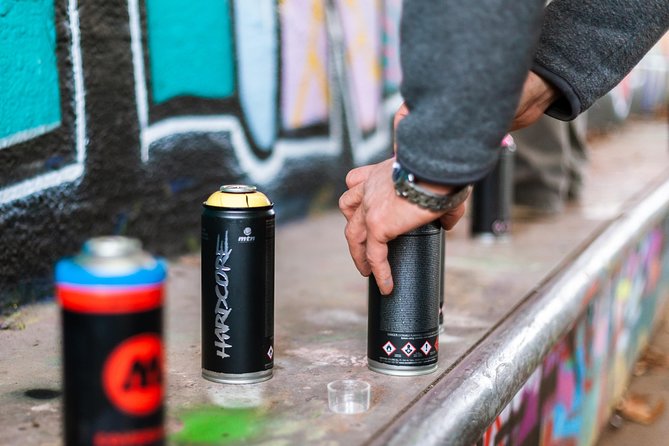
Graffiti can look simple in videos. In real life, the wall fights back. Getting the line width, the fade, and the feel of the spray takes practice—so this workshop is set up to teach you the practical moves fast, without making you feel behind.
What makes this one work is the teaching style. You’re not just watching from the side. You’re making choices, getting feedback, and learning how artists translate an idea into paint. It turns street art from a concept into something you can actually do.
Also, you’re not stuck indoors under fluorescent lights. The workshop happens outside in a public space where painting is tolerated, under a rooftop. That means you get a more realistic feel for the environment without being fully exposed to the elements.
You can also read our reviews of more tours and experiences in Paris.

The 2-hour plan: sketch, stencil, spray, refine
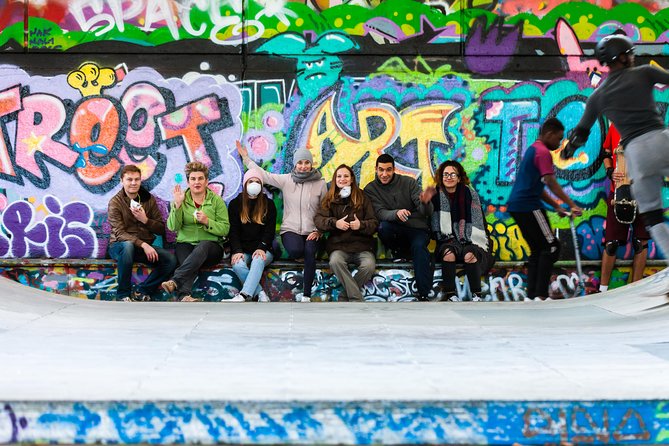
This is a short workshop, around 2 hours, which means the pacing matters. You’ll move through the core steps instead of spending hours on theory.
Expect a flow like this:
- You start with an intro to the medium and contemporary street art context.
- You then do some sketching first, so your final piece has a plan.
- Next comes the material handoff: spray colors and different caps, plus supporting supplies like paper and pens.
- You create your own design with guidance, and you refine the look as you go.
Even if your artistic skills are shaky, you’ll still get a workable result. The teaching approach is built for first-timers, so you don’t need prior experience to keep up.
And yes—spraying is harder than it looks. Caps change the way the paint behaves, and small adjustments make big visual differences. This is where the workshop earns its keep: you’re not guessing. You’re learning how to get the effect you’re aiming for.
Materials and safety gear: what’s included, what to consider
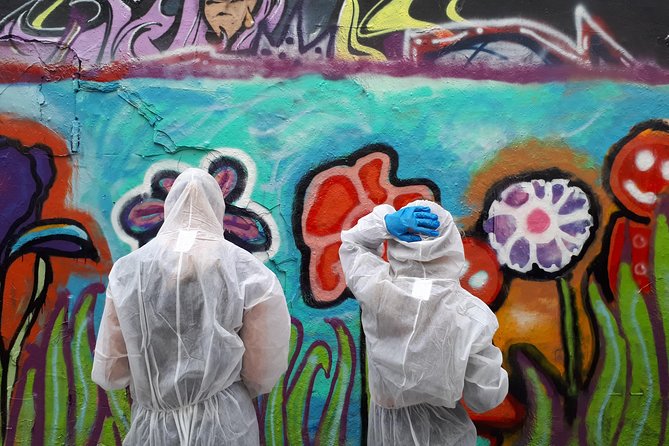
One of the best value angles here is the materials list. You get the core tools right away, including:
- Spray with multiple colors
- Spray caps
- Paper, pens, and crayons (for the sketch and design planning)
- Basic protection: masks and gloves
That saves you time and mental load. You don’t need to figure out which spray you’re allowed to buy, which caps work, or how to bring a messy kit across the city.
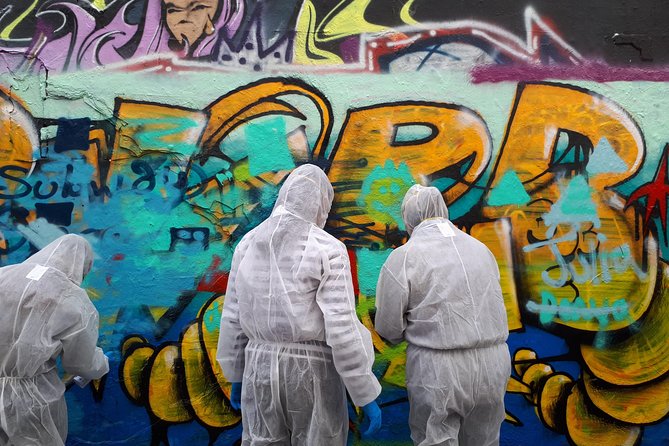
There’s also a practical note: overalls and shoe protection are not included, but they can be purchased as an extra. If you’re wearing your favorite clothes or shoes, I’d treat this like a hands-on craft day. Plan to protect yourself, even if your guide provides masks and gloves.
Important health consideration: the workshop is not recommended for people with breathing problems. Even with protection, spray art isn’t the right activity for everyone.
Bercy Village start: a convenient Paris launch point
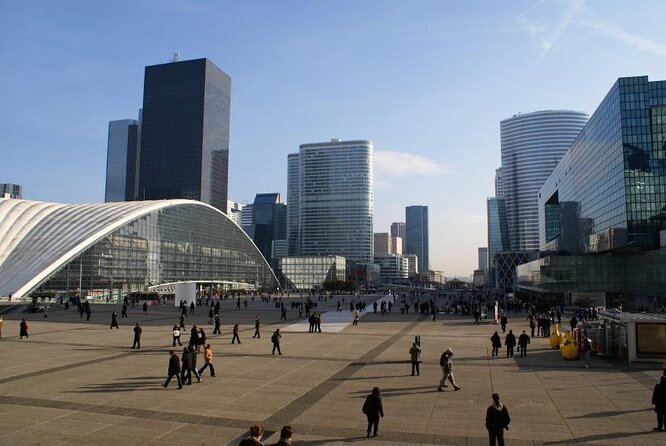
The experience starts at 114 Rue de Bercy, 75012 Paris. The good news for planning brains: it’s near public transportation, so you won’t need a long trek just to begin.
Starting in this area also sets the tone. You begin in a more central part of Paris, then you move toward the side of the city where street art energy feels more “you’re there” than “you’re sightseeing.” That transition matters because graffiti isn’t a museum activity—it’s about making marks in a real place.
If you like to arrive early for a quick coffee or a bathroom break before hands-on stuff, build in a little time. The workshop is only about two hours, so you’ll want to start with a full battery.
The workshop space in Puteaux: outdoor realism under a rooftop
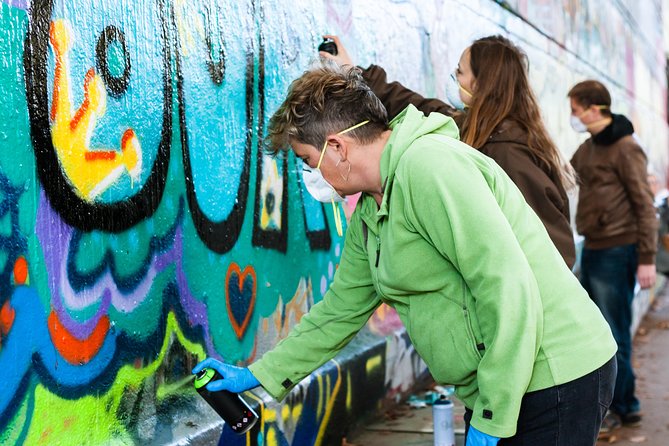
Even though you’ll be outside, you’re not completely exposed. The painting spot is in a public area where graffiti is tolerated, but it’s under a rooftop, which helps you work comfortably.
This setup is worth understanding because it affects your experience:
- You’ll get the true street-art mood—without the sense of being in the open for hours.
- You’ll still feel the outdoor conditions (light, airflow, and the reality of spray).
- You’re painting in a context that’s meant for the activity, not just wandering around and hoping it works.
So if you enjoy authenticity—seeing how street art happens when it’s allowed—you’ll likely appreciate this part more than you expected.
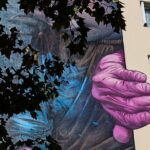
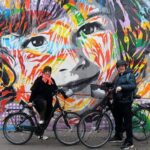
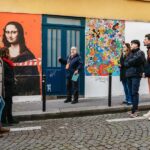

Learning techniques: stenciling, caps, and effects
Here’s the core of what you’re actually learning: you start with the basics of contemporary street art and then you practice the mechanics.
Stenciling shows up as a key teaching tool. It helps you get structure and readable forms, even if your freehand skills are still warming up. It’s also a shortcut to results that look intentional.
Then you get into spray technique:
- You’ll try different spray caps so you can see how the paint pattern changes.
- You’ll learn how to control your distance and motion to build the look you want.
- You’ll adjust as your piece comes together, instead of treating it like a one-shot guess.
The most satisfying part is getting feedback while you’re working. You’re not left alone with the supplies. You’re coached while you create, and that guidance can be the difference between something that looks random and something that looks like a real design.
In past sessions, hosts like Mr. Byste and Kasia have been praised for patient teaching and clear communication—especially when it comes to helping people improve the effects they’re going for.
What makes it truly private (and not just a class)
A private tour/activity means only your group participates. That matters more than it sounds.
In a small, private setting, you tend to get:
- More time with the artist
- Faster feedback on what to change
- A pace that matches your group’s questions and comfort level
It also makes the workshop feel like you’re in an artist’s workspace, not like you’re waiting for your turn in a crowded lineup. If you’re traveling with friends or family and you want something interactive (not another “stand here and listen” stop), this is the type of experience that delivers.
Price and value: is $295.73 per person fair?
At $295.73 per person, this isn’t a bargain-basement activity. But it can feel fair when you look at what’s included and what you’re buying.
You’re paying for:
- A private, group-only workshop
- Artist-led instruction in English
- Included materials (spray, caps, paper, pens, crayons)
- Safety gear (masks and gloves)
- A guided process that takes you from sketching to painting within about two hours
So the value is partly about convenience (you’re not bringing gear) and partly about coaching (you’re not just handed cans and told good luck).
If you’re the kind of traveler who loves doing one memorable “make something” activity—something you’ll actually keep mentally, even if you don’t take home a souvenir described here—then it can be worth the cost.
If you’re mainly looking for a passive activity or photos without getting messy, you might decide it’s pricier than it needs to be.
Who this workshop suits best
This workshop fits best if you:
- Want a hands-on creative experience in Paris
- Like learning by doing, with coaching as you go
- Enjoy contemporary street art and want to try techniques like stencils and spraying
- Are traveling in a group that prefers a private format
It also fits families with older kids. The minimum age is 12. That makes it easier for teens who are curious about art, design, or street culture.
You should reconsider if:
- You have breathing problems (it’s not recommended)
- You’re expecting a full indoor studio experience
- You want a no-mess, no-protection activity (even with masks and gloves, you’ll still be painting)
The practical stuff: what to bring and what to expect
The good news: you don’t need to bring art supplies. The workshop provides the materials you need.
Still, I’d plan for “paint day” reality:
- Wear clothing you don’t mind getting stained or marked.
- Consider buying the extra protection like overalls and shoe protection if you’re worried about mess.
- Bring a calm, curious attitude. Spray art rewards patience and small adjustments.
Most importantly, expect to learn quickly. This workshop is designed so you can get your first real steps without years of practice. You might still find spraying challenging at first—that’s normal. The point is that you’ll improve during the session.
Should you book this private graffiti workshop?
Book it if you want a creative, guided Paris activity that feels grounded in real street-art practice—one where you actually make something and get coaching, not just watch.
Skip it if you’re sensitive to spray exposure or if you want a dry, indoor experience with no risk of getting messy. Also, if you’re on a strict budget, $295.73 per person will feel steep.
For the right traveler, though, this is the kind of workshop that gives you a story with details: your stencil plan, the first time a cap finally does what you pictured, and the moment your design starts to look like it belongs on a wall.
If you want one “I did this” creative memory in Paris, I think it’s a strong pick.
FAQ
What’s the duration of the graffiti workshop?
It lasts about 2 hours.
Is the workshop private?
Yes. Only your group participates.
What language is the workshop offered in?
It’s offered in English.
Do I need to bring art supplies?
No. Sketch paper, pens, and plenty of paint colors are included, along with spray and other materials.
What safety protection is provided?
Masks and gloves are included as basic protection.
Is the workshop outdoors?
Yes. It takes place in an outdoor public setting, but it is under a rooftop.
What’s the minimum age?
The minimum age is 12 years old.
Can I get overalls or shoe protection?
Overalls and shoe protection are not included, but they can be purchased as an extra.