REVIEW · PARIS
Private Street Art Tour in Paris with Local Expert
Book on Viator →Operated by Friendly Local Guides · Bookable on Viator
Paris street art feels like a secret you can walk into. This private tour strings together major wall art sites and quieter side streets with a local expert who can tailor what you focus on. I like that it starts right from your hotel lobby, so you’re not wasting time hunting meeting points.
Two things I really like: you get real attention from your guide on a private outing, and the stops are free to visit, so your money goes mostly toward the route and the storytelling. As a bonus, the guide-led pace makes you notice details you’d probably miss on your own, like layers of style and recurring artist signatures.
One possible drawback: like any street-art day, the experience can depend on crowd levels and weather—especially around Montmartre—so wear sensible shoes and keep your expectations flexible.
In This Review
- Key Highlights You’ll Care About
- A Private Street Art Walk That Starts at Your Hotel
- Rue Oberkampf and Belleville: Paris as an Open-Air Museum
- Rue Saint-Maur’s Rotating Art Wall and the Crossroads Command Performance
- Cobblestones, Lazoo, and Canal-Linked Street Art You Might Skip
- Rue Riquet’s Rosa Parks Tribute and Montmartre’s Quiet Side
- How the Guide Shapes What You See (More Than You Think)
- Price and Time: What $139 Gets You in Real Value
- Who This Tour Fits Best (and Who Might Skip It)
- Should You Book This Private Paris Street Art Tour?
- FAQ
- Is this tour private?
- How long is the street art tour?
- Where do we meet the guide?
- Do I need to buy tickets or pay for admissions?
- What language is the tour offered in?
- Is pickup included, or do we meet somewhere else?
- What’s not included in the price?
- What kind of fitness level is needed?
- Is there free cancellation?
Key Highlights You’ll Care About
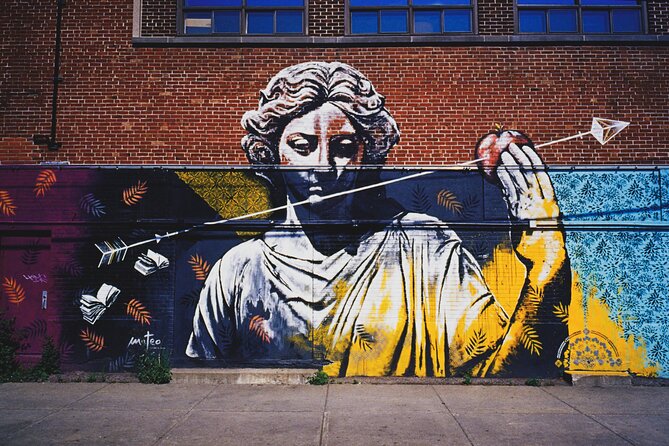
- Hotel-lobby pickup: you start with minimal friction, not a trek to a landmark.
- Private, fully flexible route: you can steer toward the styles and artists you care about.
- Rue Oberkampf open-air modern art: a dense start that teaches you what to look for fast.
- Belleville to Montmartre flow: you’ll see street art changing neighborhood by neighborhood.
- Guide detail matters: some guides show artist info in binders and can point you to women artists you might otherwise skip.
- All stops are free: you pay for the guide and the walking plan, not entry tickets.
A Private Street Art Walk That Starts at Your Hotel
This is a 3-hour, private walking tour in central Paris designed so you don’t spend your day “figuring it out.” Your guide meets you in the lobby of your hotel (or hostel/vacation rental), and you can pick from multiple start times to match your schedule.
Because it’s private, you’re not squeezed into a large group. That sounds small, but it changes everything: you can ask questions, pause for photos, and get explanations at the pace you want. It also helps if you have to slow down—one past guest specifically noted a guide who was attentive while walking with a cane.
A practical note: you’ll be walking several blocks across different streets. Sidewalks can be uneven, and one section includes cobbled pavement, so bring shoes you trust.
You can also read our reviews of more tours and experiences in Paris.

Rue Oberkampf and Belleville: Paris as an Open-Air Museum
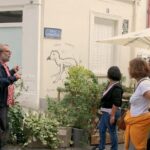
The tour’s first big “wow” comes early at Rue Oberkampf, where the neighborhood has an open-air modern art feel. You’ll meet at 107 Rue Oberkampf and start seeing graffiti and murals that range from playful to thought-provoking. The point isn’t just the visuals—it’s learning how to read them: technique, themes, and how the wall becomes part of the street scene.
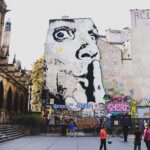
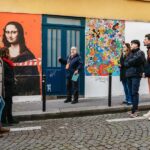
From there, you’ll walk through Belleville’s street art stretch—particularly Rue Saint-Maur and the crossroads at Rue de l’Elysée Ménilmontant / Rue Julien Lacroix. One of the best parts is the way the tour guides you to “zoom in” with your eyes. You’re encouraged to notice small details, not just the headline piece.
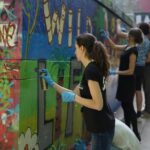
You’ll also get a sense of how street art updates in real time. One review mentioned the fun (and crowd-drawing) experience of watching local graffiti get updated, which is exactly the point: this isn’t a museum collection frozen in time. It’s living work.
If you love photography, this is a strong start. The early streets give you lots of surfaces, angles, and color to practice on—without needing to fight for access inside.
Rue Saint-Maur’s Rotating Art Wall and the Crossroads Command Performance
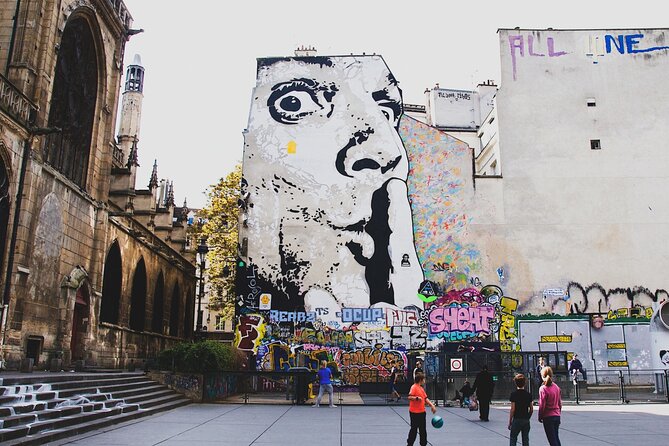
Rue Saint-Maur is where the tour turns from “look at art” into “understand how it changes.” You’re looking at a focused exhibition space (reported as 24 sq.m.) where new artwork appears every couple of weeks. That time-based change is a big value for visitors on a short trip: you’re not just seeing old paint—you’re catching the current version.
The guide’s job here is to connect style to artist. In at least one highly-rated experience, Claire arrived with a binder showing artist information and examples of different styles and mediums. That kind of prep helps you go beyond naming an artist and actually describing what you’re seeing.
Then you move back into the “wall crowd-pleaser” mode at the crossroads near Rue de l’Elysée Ménilmontant and Rue Julien Lacroix. These corners are often packed with complex frescos, and the tour encourages you to explore the smallest elements. The upside is you’ll leave with real visual memory. The potential downside is time: if you rush, you’ll miss what makes the work feel layered.
Cobblestones, Lazoo, and Canal-Linked Street Art You Might Skip
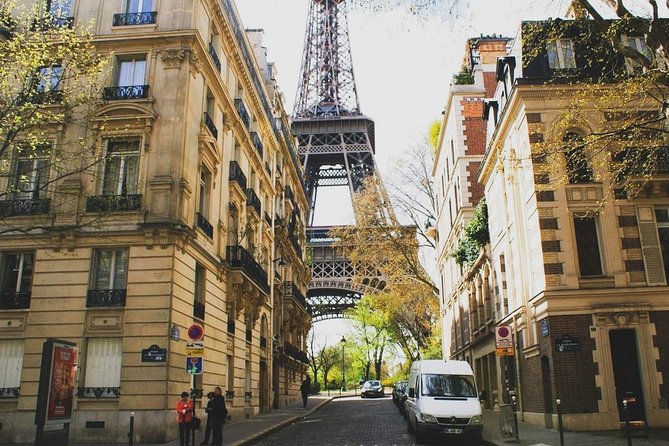
At Rue Laurence Savart, you get a different texture of street art. The sidewalks here are cobbled, and the street feels more like a maze of narrow corners and tucked-in walls. This stop is about accumulation: a constantly growing collection that you experience by walking slowly and looking sideways.
Next comes Boulevard de la Villette, where the street art has a named anchor: the artist Lazoo. The area includes a massive modern fresco overlooking a community garden, and Lazoo’s name shows up around the neighborhood. I like this kind of stop because it gives you something to track across multiple walls, instead of seeing one mural and moving on.
From there you’ll head to Rue des Cascades, a place described as a mix of urban charm and romantic. If you’re the type who likes variety—different color palettes, different mural compositions—this is a good mid-tour reset. You’ll have “camera ready” moments all around, not just in one spot.
The tour then stretches toward Rue de l’Ourcq, with street art that relates to the canal areas (including Canal de l’Ourcq and Canal Saint Martin). The idea is big: purpose-built walls and other surfaces like abandoned industrial buildings and iron bridges contribute to long-running displays. Even if you’re not a specialist, it helps you understand how street art in Paris can operate like an outdoor gallery system tied to infrastructure.
Rue Riquet’s Rosa Parks Tribute and Montmartre’s Quiet Side
One of the most distinctive stops is Rue Riquet, known for a 500-meter-long wall covered in graffiti honoring Rosa Parks (covered in 2015, as described). This is more than “pretty street art.” It’s public messaging with an identifiable historical reference, and the tour points you to the international artists involved, including women artists.
That emphasis matters because street art can feel like a free-for-all until you know what to look for—who made it, why it’s there, and how the symbols communicate. In one top-rated tour, Claire specifically helped a guest interested in women artists by guiding them to exact places to see the work.
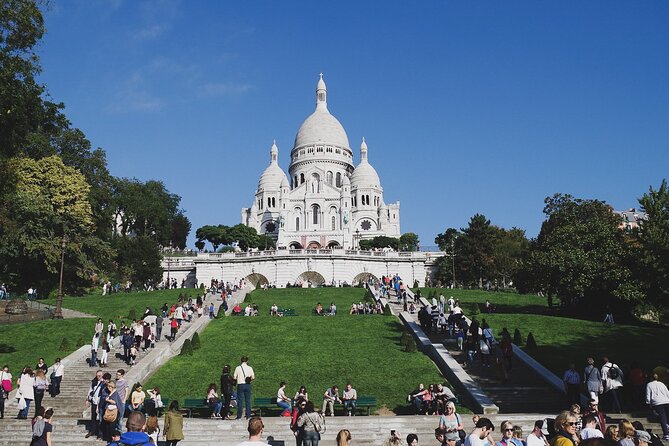
Then the tour finishes in Montmartre. The route is built to help you see street art without getting trapped in the most crowded tourist lanes. You’ll end with a longer 45-minute focus, framed as a more underground perspective—meaning you’re looking for street-level art culture rather than just the famous view photos.
If you hit Montmartre on a packed day or rainy weather, you may need to adapt your pacing. One past experience noted that weather and crowds can affect the feel, even when the guide is friendly and prepared. The good takeaway for you: bring layers, plan to move with the crowd, and keep your camera handy for quick, changing moments.




How the Guide Shapes What You See (More Than You Think)
This tour lives or dies on the guide, and the reviews back that up. Some guides show deep personal engagement with street art culture and styles. Others can be more straightforward in how they present information.
In strong reviews, guides like Sanny and Oksana were praised for being easy to talk with and for knowing street artists well. Another guest highlighted Mehrdad doing real homework and helping them and their wife find art that felt genuinely special.
The most practical lesson from these experiences is simple: street art becomes much more enjoyable when you can connect styles, artists, and neighborhood context. Ask your guide what they think you’ll like best—then follow their suggestions. If your guide brings tools (like Claire’s binder), use it. If they don’t, ask questions like:
- Which artist is this trying to reference?
- What style detail should I notice first?
- Where should I look for the signature?
Because your tour is private, you have room to do that without slowing down a group of strangers. It’s a better setup for learning, not just sight-seeing.
Price and Time: What $139 Gets You in Real Value
At $139 per person for about 3 hours, you’re paying for a private, guided route across multiple street art zones. Street art itself is free at the stops listed, so you’re not buying museum tickets on top of the experience.
So where does the value land? In three places:
- Time saved: your guide already knows the best streets to connect into a walkable arc.
- Context: explanations make the artwork more legible, not just colorful.
- Access and pace: private means more attention and easier photo stops.
The trade-off is that it’s not a silent “wander anywhere” deal. If you want constant storytelling or deep style breakdowns, you’ll want to choose a time when you can slow down and actually listen. One lower rating complained about pacing and engagement, which suggests that presentation style can vary by guide.
If you’re the kind of visitor who enjoys art books, interviews, and explanations, you’ll likely feel the value quickly. If you only want photos and minimal talk, you can still enjoy it, but you may want to guide your guide toward the level of detail you prefer.
Who This Tour Fits Best (and Who Might Skip It)
This is a great match for street art fans who want more than quick “look here” stops. If you’ve already visited a couple of major Paris sights and want something current and human-scaled, this fits perfectly.
It also works well for people who like off-the-beaten-path neighborhoods. The route leans into places like Belleville and the street art corridors near canals—areas where you’ll see the city’s daily texture in the same frame as the artwork.
It may be less ideal if you’re uncomfortable with moderate walking. The tour is described for travelers with moderate physical fitness, and you’ll cover a lot of ground across different street surfaces.
If you care about specific artist categories—like women artists—the guide can be a big advantage. One review specifically called out that Claire knew where to go for women artists, and that detail made the entire tour feel personally tuned.
Should You Book This Private Paris Street Art Tour?
I’d book it if you want a guided street art day that feels like Paris right now, not a curated detour to one mural. The combination of hotel pickup, a private format, and free public art stops is a solid value play for a 3-hour window.
You should think twice if you’re expecting a museum-like lecture with the same tone every time. Even with preparation, guide style varies, and street conditions can change how the experience feels—especially around Montmartre.
Best move: treat this as an art walk with a smart local translator. If you go in curious, you’ll leave with new “street reading” habits. You’ll start spotting signatures, styles, and references everywhere, even after the tour ends.
FAQ
Is this tour private?
Yes. It’s a private walking tour, meaning only your group participates.
How long is the street art tour?
It lasts about 3 hours (approx.).
Where do we meet the guide?
The guide meets you in the lobby of your hotel (or centrally-located hotel/hostel/vacation rental). You provide the exact hotel name and address.
Do I need to buy tickets or pay for admissions?
The stops listed are marked as free (Admission Ticket Free).
What language is the tour offered in?
The tour is offered in English.
Is pickup included, or do we meet somewhere else?
Pickup is offered in the form of hotel lobby meeting. You don’t need to call to confirm; the supplier contacts you by email.
What’s not included in the price?
Food and drinks are not included, and gratuities are optional.
What kind of fitness level is needed?
The tour is for travelers with moderate physical fitness level, since it’s a walking experience with neighborhood streets.
Is there free cancellation?
Yes. You can cancel for a full refund up to 24 hours before the experience’s start time.