REVIEW · CARTAGENA
Cartagena: Graffiti Tour in Getsemani
Book on GetYourGuide →Operated by Gran Colombia Tours · Bookable on GetYourGuide
Color speaks louder than words in Getsemaní. I love how this private graffiti walk turns street art into real-world context, not just pretty walls. I also love that the tour ends with a traditional snack made by local Getsemaní folks, so the neighborhood leaves you with a taste, not just photos.
One thing to consider: the route can involve walking farther into the barrio than you might expect, so you’ll want your guide to set a smart, comfortable pace from the start.
In This Review
- Key takeaways
- Why Getsemaní’s Walls Tell the Real Cartagena Story
- Private Pickup and a Three-Hour Rhythm That Actually Works
- Walking Calle de la Media Luna, Calle San Juan, Calle Larga
- Reading Murals and Graffiti Through Culture and Politics
- How the Neighborhood’s Bohemian Spirit Shows Up on the Street
- Centenary Park and the Traditional Snack That Closes the Loop
- Price and Value: Is $53 Worth It?
- Who This Graffiti Tour Fits Best
- Should You Book This Cartagena Graffiti Tour?
- FAQ
- How long is the Cartagena Getsemaní graffiti tour?
- What does the tour cost?
- Is this a private tour?
- What languages are available?
- Does it include hotel pickup and drop-off?
- What will I see during the walk?
- Is the tour food included?
- Is the tour weather-dependent?
Key takeaways
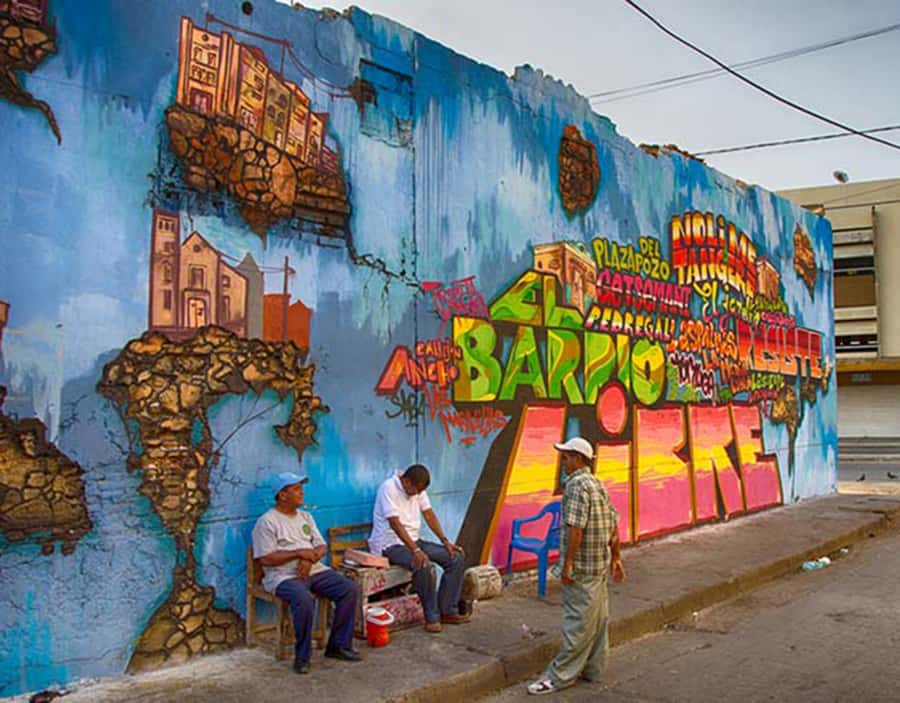
- Private guide, focused time: your attention stays on Getsemaní, not on a big group herd.
- Murals as a political language: you’ll connect what you see on walls to how artists and activists respond to the country’s reality.
- Iconic street names on the walk: Calle de la Media Luna, Calle San Juan, and Calle Larga anchor the route.
- Local faces in the mix: you’ll pass homes where people are out in the street, and that matters.
- Centenary Park + snack finale: the tour has a natural closing rhythm with a traditional bite.
Why Getsemaní’s Walls Tell the Real Cartagena Story
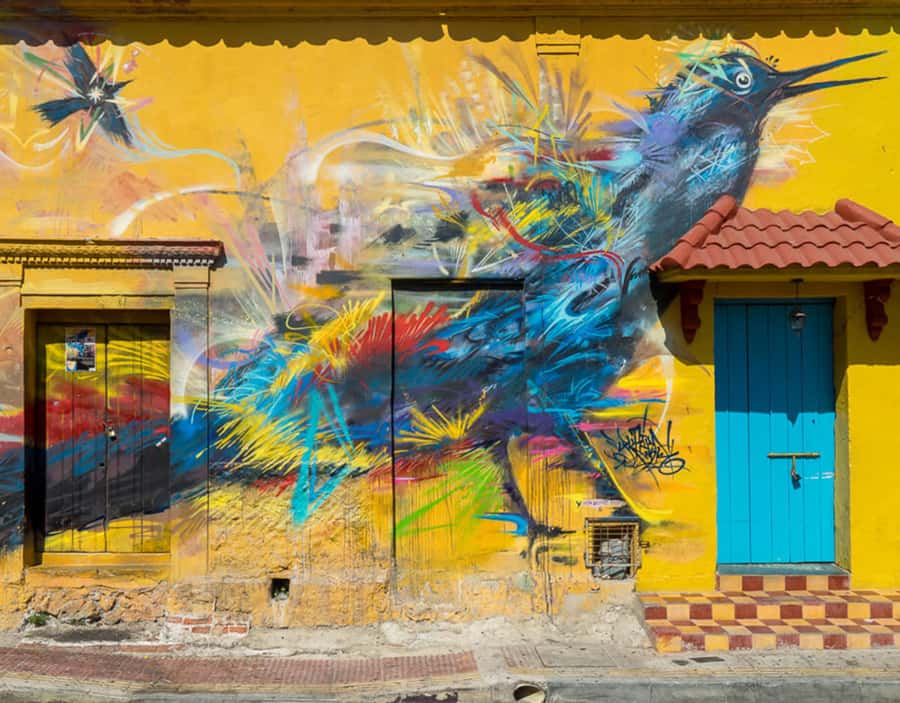
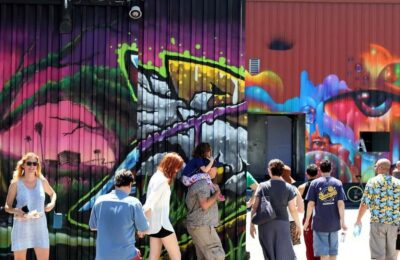
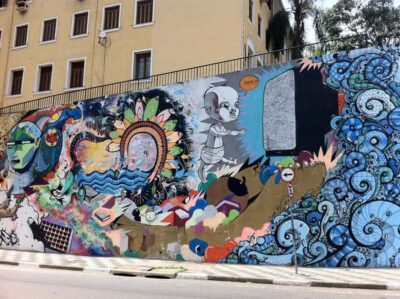
Getsemaní is the kind of neighborhood where art isn’t decoration. It’s commentary. On this walk, the murals and graffiti feel like a public bulletin board—except the headlines are painted, layered, and full of emotion.
What makes this experience especially useful is that you don’t just memorize images. Your guide helps you read them. You’ll hear how social and artistic projects helped shape cultural and political change, and how artists and activists use walls to express their perspective on the country’s reality. That shift changes how you look at everything. A tag stops being random. A painted scene starts to feel like a message.
I also like the pacing. Street art can be fast and superficial on other tours. Here, you slow down enough to notice detail: the way the colors sit beside older layers, the way different styles crowd the same corner, the way the neighborhood holds onto its creative energy.
Private Pickup and a Three-Hour Rhythm That Actually Works
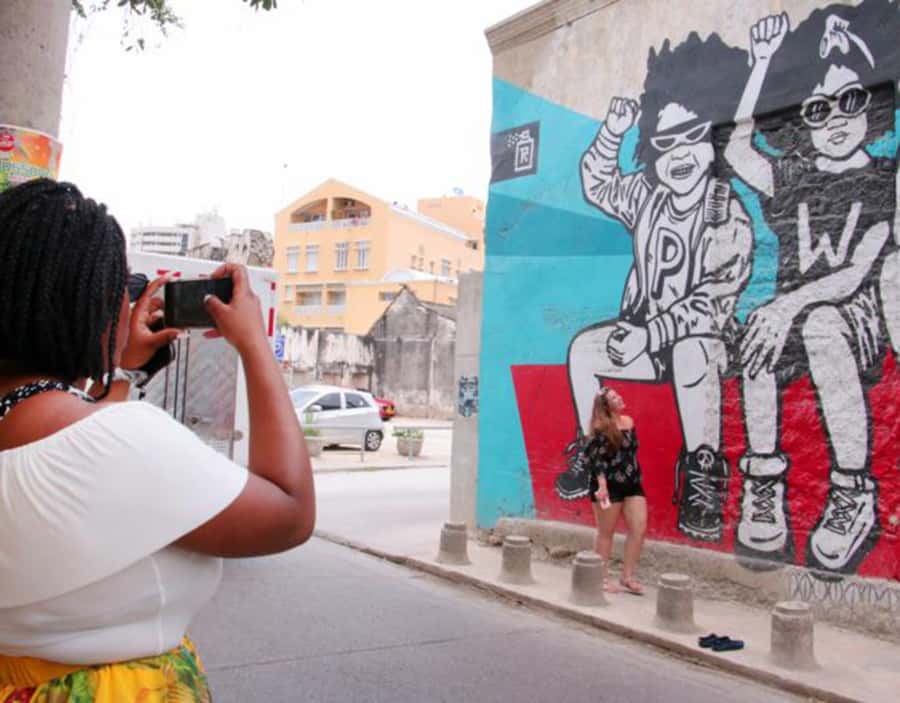
This tour is built for people who want the neighborhood experience without the stress of figuring logistics out yourself. You get hotel pickup and drop-off in Cartagena, and you meet your guide outside your accommodation or at a chosen point of interest. Then you head into Getsemaní on foot.
The total time is about 3 hours, with around 1.5 hours spent in the guided walking portion in Getsemaní. Practically, that’s long enough to get context and see multiple streets, but short enough that you’re not stuck out in the heat for the entire day.
Another practical win: the tour runs in all weather conditions. That means you should plan like it could rain or be bright. Bring the basics—comfortable shoes, water, sunscreen, and weather-appropriate clothing—because you’ll be moving the whole time.
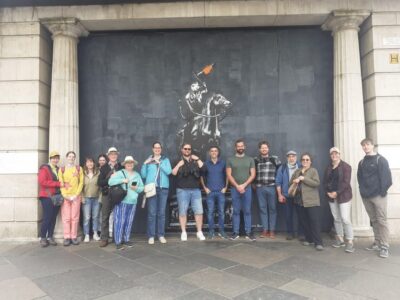
You’ll also appreciate the format: it’s a private group, so you can ask questions as they come up. Some guides have a knack for explaining things clearly in English and Spanish, and that matters when you’re trying to connect what you see with what it means.
Walking Calle de la Media Luna, Calle San Juan, Calle Larga
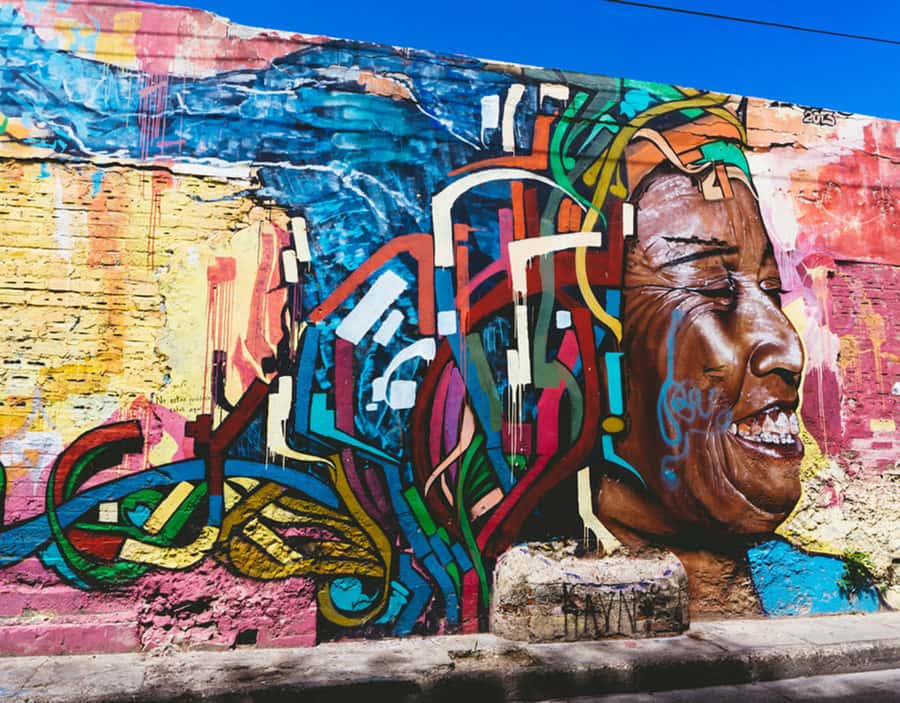
Once you’re in Getsemaní, the tour route gives you structure. You don’t wander aimlessly. You pass through the neighborhood along Calle de la Media Luna, Calle San Juan, and Calle Larga, plus other nearby streets that connect the story.
Each street name feels like a checkpoint. You start to notice how street art changes block by block. Some corners are dense with layered murals. Others lean more toward graffiti lettering and smaller statements. By the time you reach the later streets, you’re not just seeing art—you’re seeing how the neighborhood builds its identity street by street.
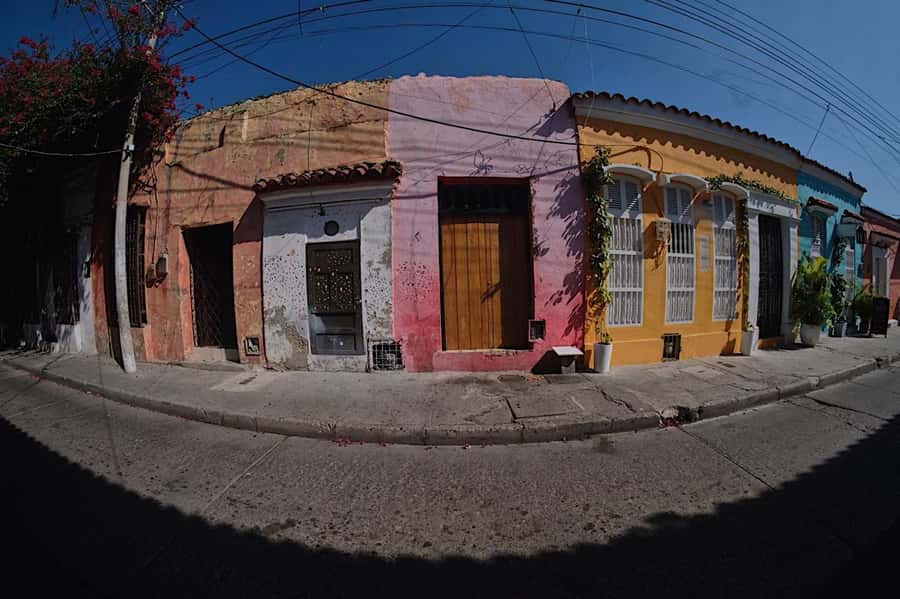
A big part of the enjoyment is the “in-between” moments. You’ll walk past colorful houses and the bohemian street vibe that makes Getsemaní feel like a lived-in creative district. You’ll also see people out near their homes as you stroll. Those little real-life interruptions are valuable because they remind you this is a neighborhood, not a theme park set.
As for guide style, names you might recognize from past tours—like Jhon, Dan, Edgar, and Edward—often come up in connection with clear explanations, patience, and humor. The common thread is context, not a rushed slideshow.
Reading Murals and Graffiti Through Culture and Politics
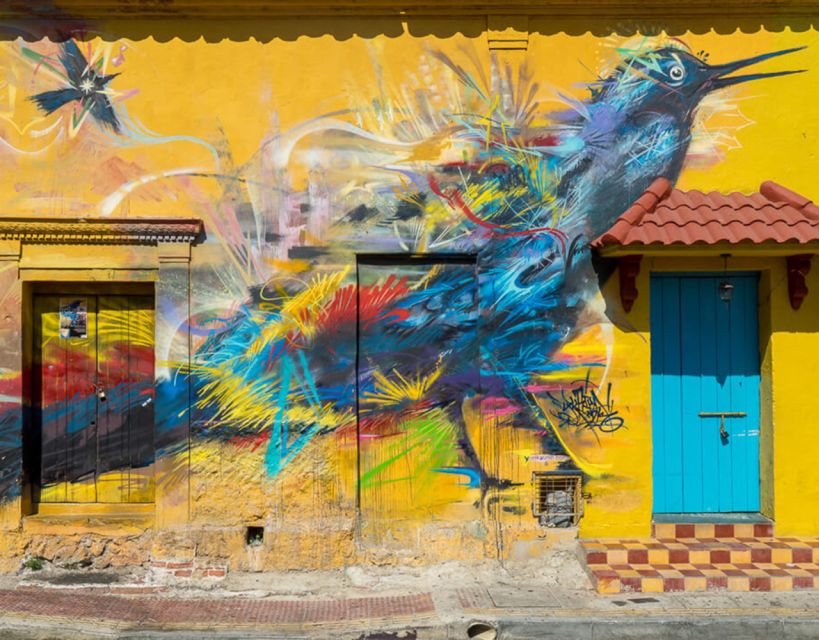
The art on these walls isn’t random. Your guide connects it to culture and politics—how artists and activists try to make statements about the country’s reality through graffiti and painting.
Here’s what that looks like in a practical way. As you walk, you’re shown pieces with different tones: some feel like cultural pride, others like critique, others like calls for attention. Your guide helps you connect the visual style to the message. Instead of thinking only about who painted what, you start thinking about why they painted it.
That’s also where Getsemaní’s “transformation” story comes into play. You’ll learn how social and artistic projects helped shift cultural and political changes over time. The murals become a record of that momentum: the neighborhood evolves, artists respond, and the walls keep adapting.
This is one reason the private format helps. If something hits your interest—maybe a symbol, a character, or a specific theme—you can ask. A group tour can gloss over those moments. Here, the guide stays with you and keeps answering.
How the Neighborhood’s Bohemian Spirit Shows Up on the Street
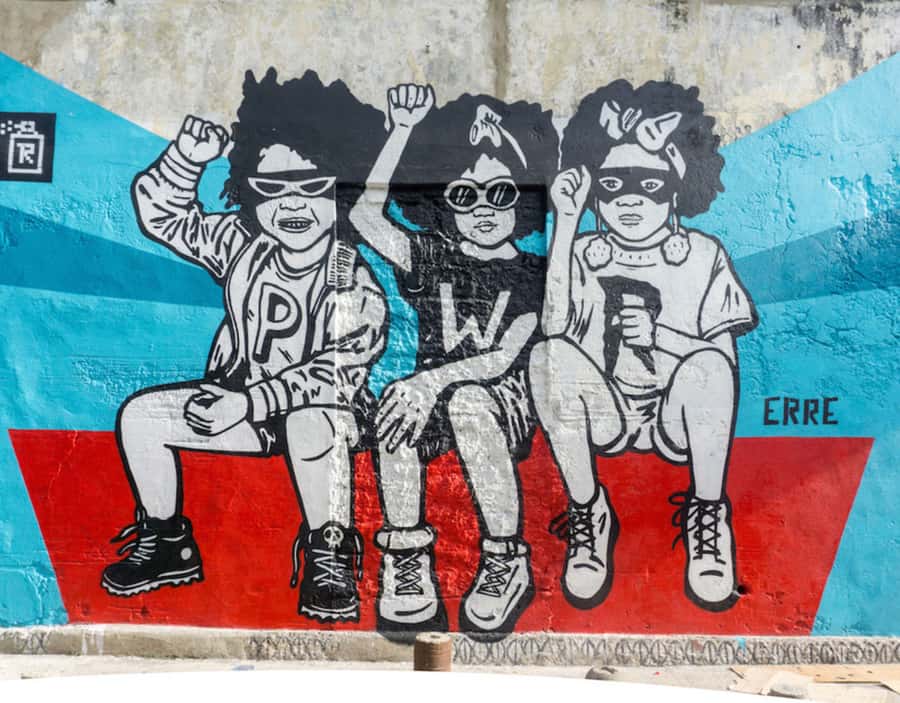
For me, the best part of a street art tour is when it stops being about the walls and starts being about the place around them. That’s exactly what happens in Getsemaní.
You’ll notice the neighborhood’s bohemian spirit in the daily scenes you pass: people hanging out outside homes, conversations in the street, life happening right beside painted walls. It’s not quiet museum energy. It’s messy, real, and sometimes a little loud in a good way.
You also learn by watching how people interact with the neighborhood over time. Meeting locals sitting outside their houses as you stroll adds another layer to the experience. It helps you understand that the art isn’t just for tourists. It belongs to the community’s identity, history, and ongoing conversations.
One small caution, based on a past experience reported with this tour: the walk can begin from a part of the barrio that feels farther out than you expect. That doesn’t mean you’ll have a bad experience. It does mean you should ask your guide about the exact starting point and route, and pay attention to comfort and pace right away.
Centenary Park and the Traditional Snack That Closes the Loop
The tour doesn’t just end with a time check. It builds to a satisfying finish.
After the main Getsemaní walking portion, you’ll take a walk along Centenary Park. It’s a nice change of rhythm. You step out of the densest street-art blocks and get a broader sense of space before the final bite.
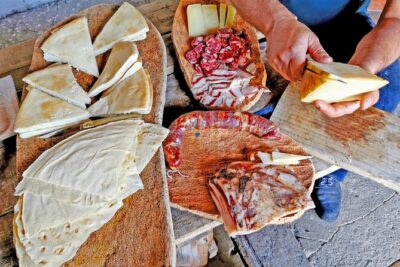
Then comes the best kind of souvenir: food you actually eat. You’ll taste a traditional snack made by locals in Getsemaní. This matters because it ties the art back to everyday life. You get the neighborhood through images, through stories, and then through taste.
It’s also a smart way to manage energy. You’re on your feet, you’re looking up and around, and you’ll probably take more photos than you planned. A snack at the end keeps the experience from turning into a hungry scramble.
And since lunch is not included, this ending also helps you plan the rest of your day. You can either grab lunch afterward or turn this into a late afternoon activity.
Price and Value: Is $53 Worth It?
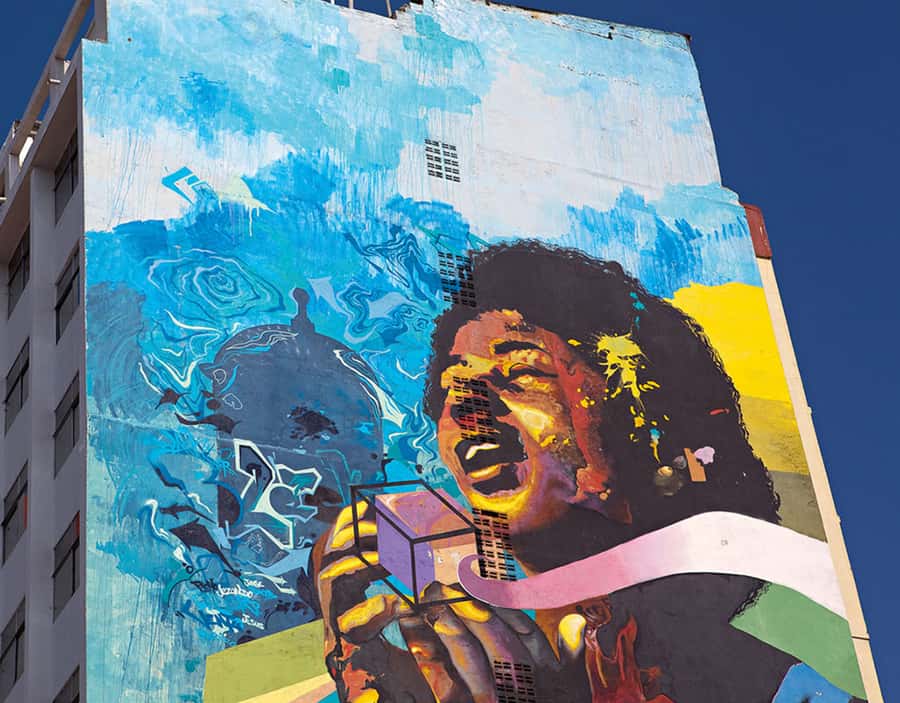
At $53 per person for about 3 hours, this tour is priced like a true guided experience, not a casual wander. Here’s what you’re paying for:
- A local guide who explains what you’re seeing and adds context.
- Hotel pickup and drop-off, which saves time and reduces hassle.
- A private group setup, so you’re not split across multiple languages, attention spans, or schedules.
- A traditional snack included at the end.
- A walking route through multiple streets and key areas, including Centenary Park.
What you’re not getting is lunch, so budget for that separately. But value-wise, the snack and guide time do a lot of work. If you’re the type who enjoys understanding what you’re seeing—why a mural exists, what a message means—this price starts to feel reasonable fast.
Where it becomes a great deal is if you’re visiting with flexibility and want an experience that’s both fun and informative. Where it might feel less worth it is if your goal is purely photo stops with zero explanations. This tour is built for talking, learning, and connecting dots.
Who This Graffiti Tour Fits Best
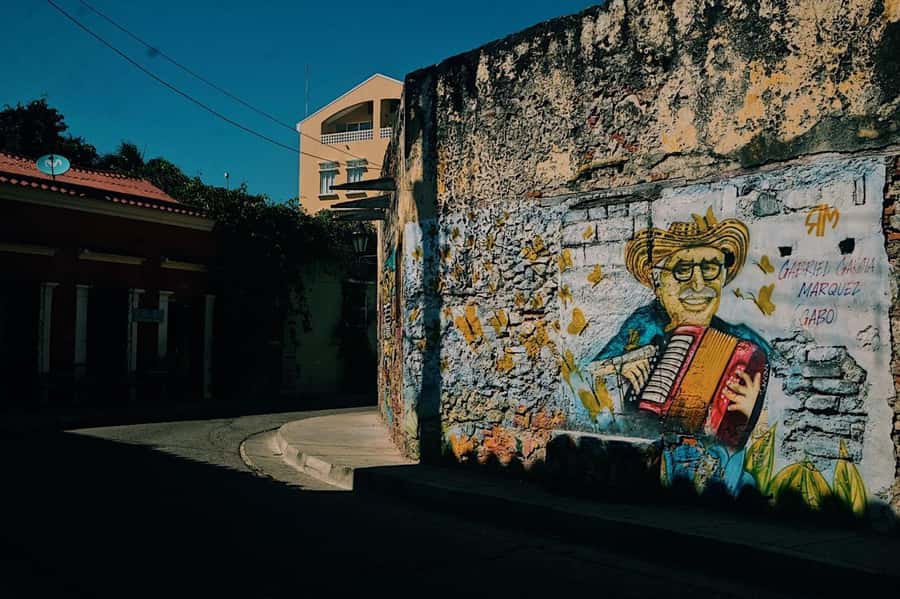
I think this tour is a strong match if you like street art with meaning. If you enjoy history and culture but don’t want museum walls, this is a practical substitute. It also works well if you’re curious about how art and activism show up in daily life—through messages on corners, house-fronts, and the neighborhood’s creative tone.
It’s especially good for:
- First-time visitors to Cartagena who want a real-feeling side of the city.
- People who prefer a slow-to-moderate walking pace rather than a sprint between photo spots.
- Travelers who appreciate clear explanations in English or Spanish and want time to ask questions.
It might be less ideal if you can’t handle walking in changing weather, because the tour runs in all weather conditions. It also might not suit you if you’re extremely sensitive to routes that start farther into an area than expected—though you can manage that by clarifying your starting point and expecting a guided walk, not a casual shortcut.
Good shoes are non-negotiable. Bring water. And if you want the art details, keep your camera ready, but don’t forget to look up with your own eyes too.
Should You Book This Cartagena Graffiti Tour?
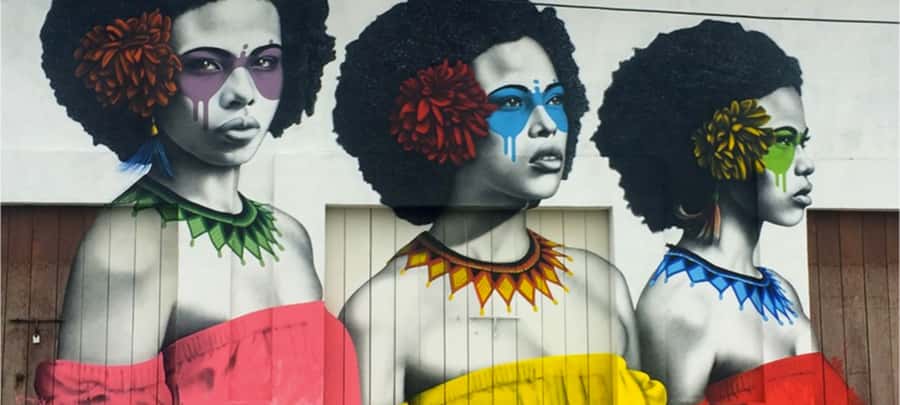
Book it if you want your Cartagena experience to go past the postcard version. The combination of private guidance, specific street stops, thoughtful explanation, and a local snack makes it feel like a real neighborhood visit.
Skip it only if you mainly want quick photos and you don’t care about the stories behind the walls. Also consider your comfort with walking routes in the barrio and the fact that it operates in all weather.
If you do book, come with one simple mindset: slow down. This isn’t about rushing from mural to mural. It’s about learning how Getsemaní writes its messages in color, and letting those messages change how you see the city.
FAQ
How long is the Cartagena Getsemaní graffiti tour?
The tour lasts about 3 hours total, including pickup and drop-off.
What does the tour cost?
It costs $53 per person.
Is this a private tour?
Yes. It’s listed as a private group, meaning you’ll have a dedicated guide experience.
What languages are available?
The guide speaks Spanish and English.
Does it include hotel pickup and drop-off?
Yes. Pickup and drop-off are included, with your guide meeting you outside your accommodation or another chosen point of interest.
What will I see during the walk?
You’ll walk through Getsemaní and see street art and murals around key streets, including Calle de la Media Luna, Calle San Juan, and Calle Larga, plus other nearby spots.
Is the tour food included?
Yes. You’ll have a traditional snack at the end. Lunch is not included.
Is the tour weather-dependent?
No. It operates in all weather conditions, so you’ll want to dress appropriately and bring essentials like water and sunscreen.