REVIEW · MEDELLIN
Graffiti Tour comuna 13 and cable car (made by local guides)
Book on GetYourGuide →Operated by World Lion VIP Tours Medellin · Bookable on GetYourGuide
Medellín’s Comuna 13 hits hard, then lifts. I really love the cable car views and the way you get hands-on with graffiti (not just photos). One thing to plan for: you’ll walk and climb quite a bit, so comfy shoes matter, and it can be intense because the tour covers the armed conflict.
This is built for a short, 3-hour window that still feels meaningful. You meet at San Javier metro, ride the cable car, head to 20 de Julio by bus, and then spend the afternoon in the Independence sectors (1, 2, and 3) with local guides telling the story through murals, dance, rap, and the moving escalators. If you like art you can actually read—plus a guided explanation for why it exists—this tour fits well.
In This Review
- Key things you’ll remember
- From San Javier metro to the cable car: the views set the tone
- 20 de Julio by bus: getting into the neighborhoods instead of around them
- Independence sectors 1–3: armed conflict context through street art
- Graffiti experience: make something, not just watch it
- Soccer pitch, Casa 3D/Neon, and the escalators that move for real
- The Mass Grave Mountain: the tour’s sobering ending with purpose
- Food, coffee, and the small local breaks that make it feel human
- Price and value: why $33 feels fair for what you get
- Who should book this Comuna 13 graffiti and cable car tour
- Should you book it? My honest take
- FAQ
- Where do we meet for the tour?
- How long is the tour?
- What’s included in the price?
- What languages are the guides available in?
- Does the tour run in rain?
- Is there any food or drink during the tour?
- What’s not allowed during the tour?
- Can I cancel or pay later?
Key things you’ll remember
- Cable car first, so you start with Medellín’s big views before the history
- Graffiti experience, not only sightseeing—hands-on and creative
- Performance stops with break dance and rap tied to the community’s story
- Moving escalators + Casa 3D/Neon, classic Comuna 13 photo moments with context
- Mass grave mountain visit, handled with clear historical framing
- Local food breaks like ice cream and coffee/tea stops during the walk
From San Javier metro to the cable car: the views set the tone
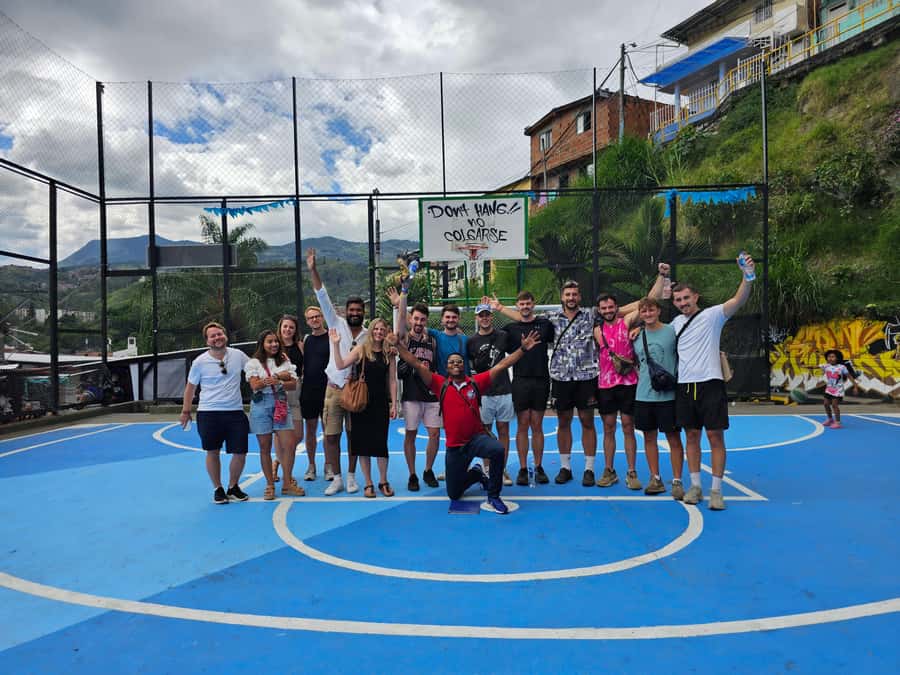
You’ll start at Estación metro San Javier, outside on exit B. The meetup is easy to spot if you’re looking for a guide in a red T-shirt or red jacket near the red public phones.
Before you even reach the street art, you get the cable car ride. It matters more than you might think. From the air, Medellín stops looking like a postcard and starts looking like a real city with steep hills, tight neighborhoods, and transport routes that locals rely on every day. It gives you context fast—then the tour explains how people built community in hard conditions.
This is also one of the easiest ways to see Comuna 13 without spending the entire day stuck in traffic or figuring out routes on your own.
What to watch for: if it’s windy or rainy, the air ride can feel chilly. Bring a light layer even in warm weather.
You can also read our reviews of more tours and experiences in Medellin.
20 de Julio by bus: getting into the neighborhoods instead of around them
After the cable car, you switch to a bus to reach the 20 de Julio neighborhood. This short ride does two useful things: it saves energy, and it makes it clear you’re going to lived-in streets—not a fenced-off attraction.
Once you arrive, you walk into the Independence sectors: number 1, 2, and 3. That detail is important. These sectors give structure to the story. Instead of one long, confusing loop, the guide moves you through areas tied to community change and local identity.
You’ll also get a real sense of how the neighborhood flows—where you pause to look, where you listen, and where you take in viewpoints. Expect a mix of walking, photo stops, and guided explanation.
My practical tip: this tour can be physically demanding in short bursts, so pace yourself. If you need to slow down, it’s better to do it early than after your legs are already burning.
Independence sectors 1–3: armed conflict context through street art
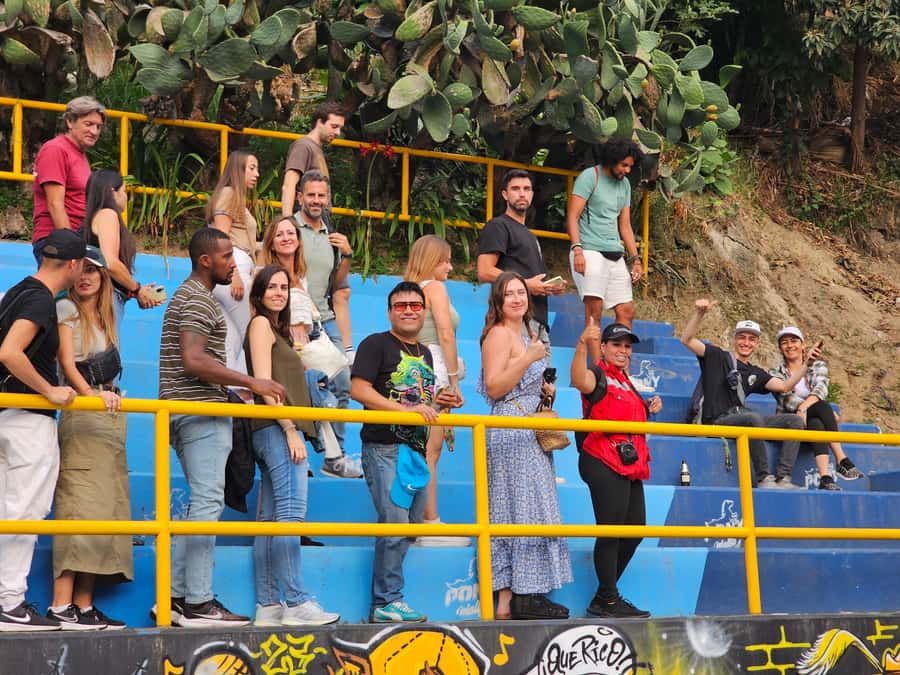
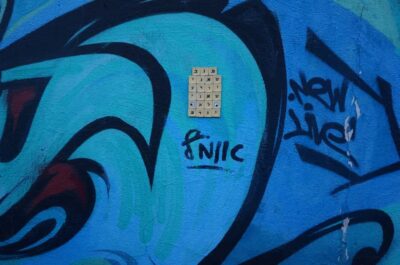
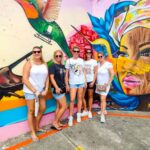
Now you get the heart of the experience: the tour guide explains the armed conflict that affected Comuna 13 from 1990 until 2002. This isn’t just a date-and-facts lecture. The point is to connect the history to what you see on the walls today—graffiti, murals, and public creative expressions that come from the community itself.
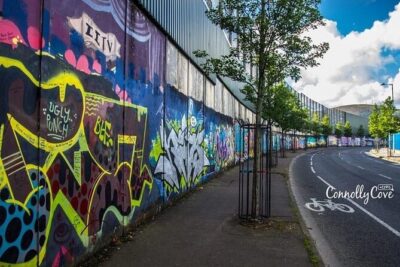
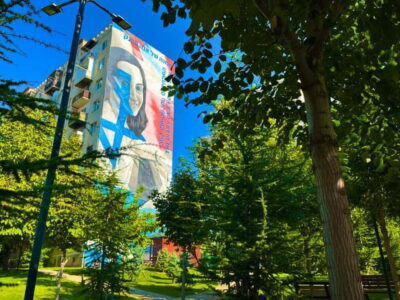
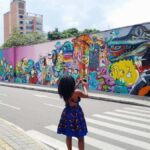
You’ll learn how different artists contributed murals and graffiti across Comuna 13. The guide ties the visuals to social transformation, so the art becomes more than decoration. It becomes evidence of rebuilding: people reclaiming space, telling their own stories, and turning painful memory into public meaning.
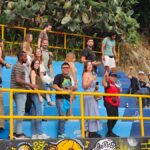
Then the tour adds movement and sound. After the walk and explanation, you’ll see performances including break dance and rap. This is one of the best parts if you like street culture that actually has roots, not just a staged show.
A fair caution: the topic can be emotionally heavy. If you’re not in the mood for history tied to violence, go anyway but go slowly—listen, take breaks, and don’t force yourself through it faster than you can handle.
Graffiti experience: make something, not just watch it
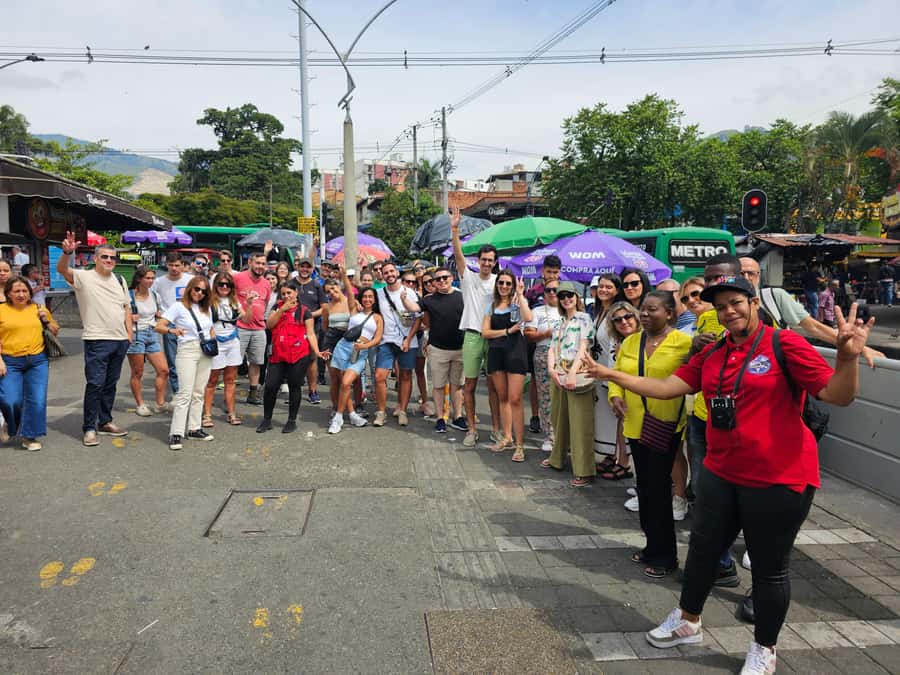
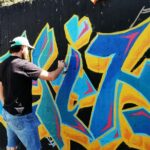
A true highlight here is the chance to do graffiti during the tour. That’s the difference between this and a standard mural walk: you’re not only consuming. You’re participating.
The guide leads you through the experience in a way that fits the setting of Comuna 13. You’ll see the difference between seeing art and making it—how much thought goes into marks, composition, and message. Even if you’re not an artist at all, you’ll probably find it surprisingly satisfying.
This also gives you an extra layer of understanding. After you make something, the murals and walls you saw earlier don’t feel random. You start noticing how artists communicate identity, history, and community pride.
Small practical note: keep your expectations realistic. This is a short tour activity, not a long workshop. It’s meant to get you creating and understanding, not turning you into a street-art pro by the end.
Soccer pitch, Casa 3D/Neon, and the escalators that move for real
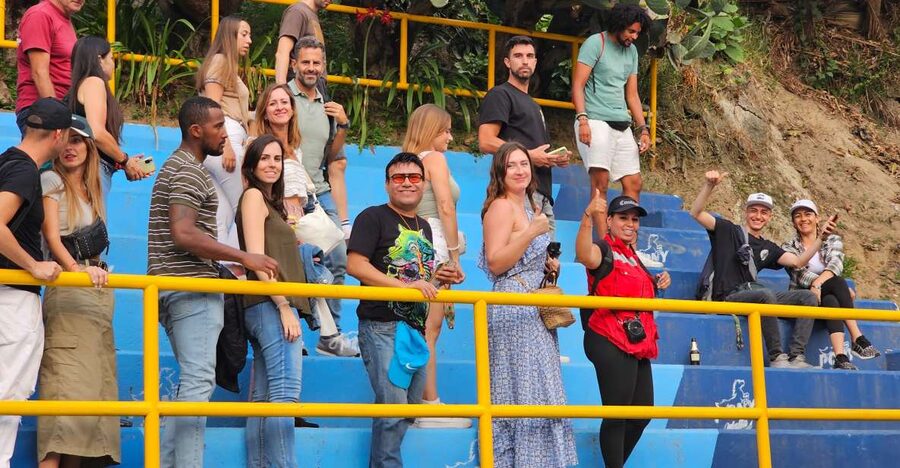
After the performances, the route shifts toward famous landmarks that many people associate with Comuna 13—plus the reasons they became part of the story.
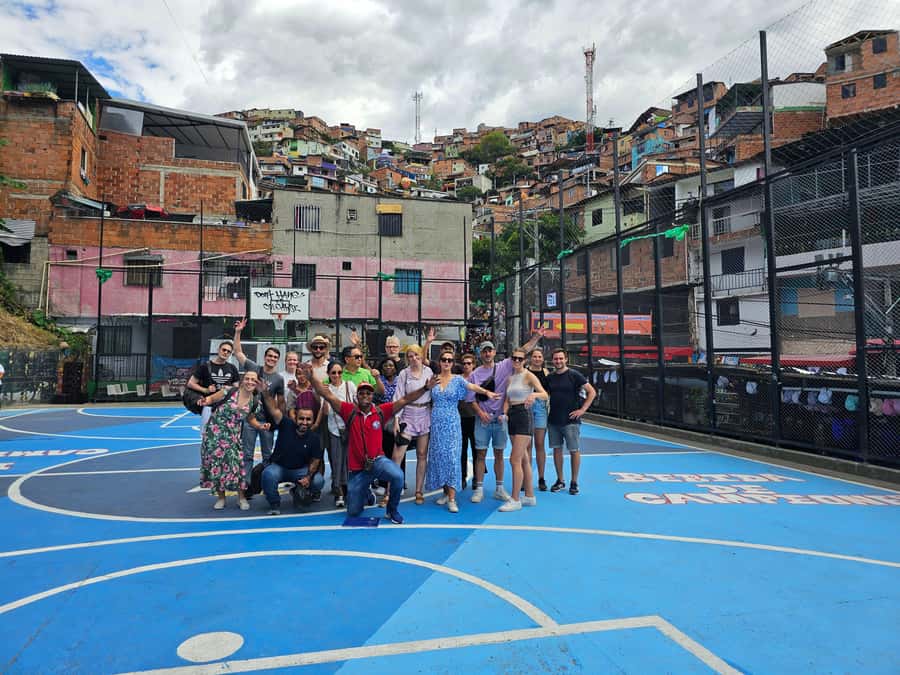
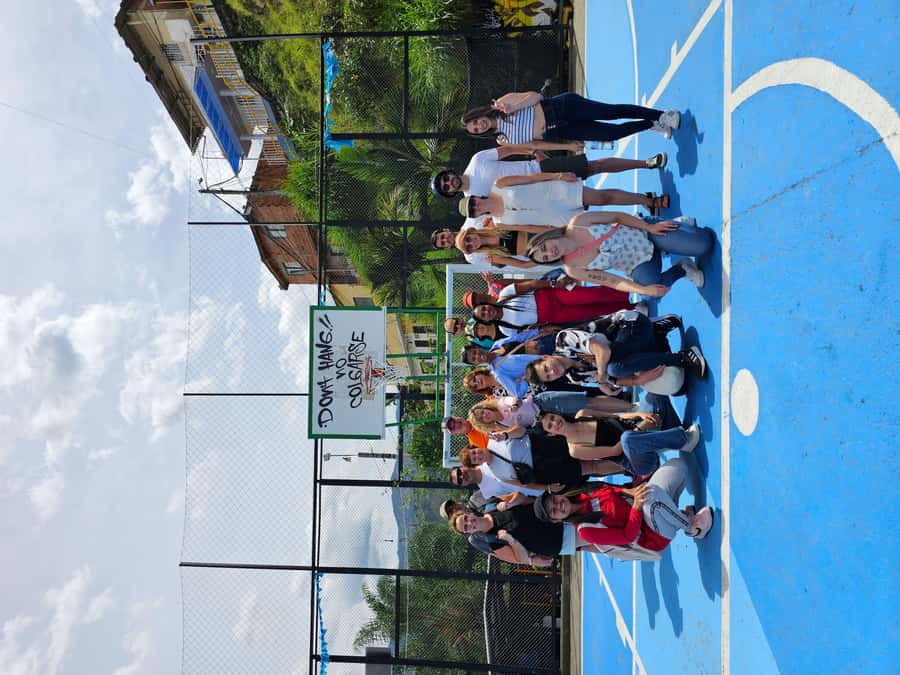
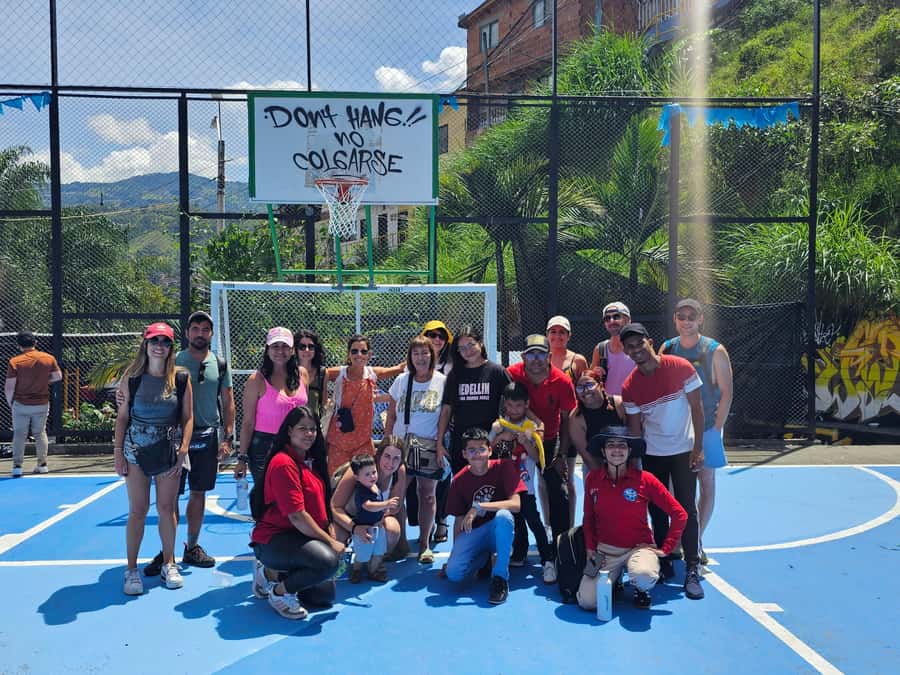
First, you visit a soccer pitch where some celebrities recorded video clips. Even if you don’t care about celebrity cameos, this stop works because it shows everyday life. Sports is one of the places where young people connect, dream, and spend time together—long before any camera arrives.
Next comes Casa Neon or Casa 3D (depending on what’s available on the day). It’s a fun stop, and yes, it’s very photo-friendly. But the best way to enjoy it is as a contrast point: art and creativity aren’t only on walls; they show up in spaces meant for interaction, curiosity, and play.
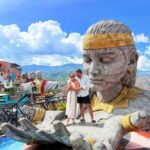
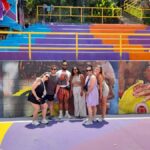
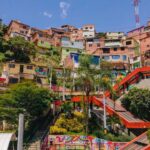
Then you take the escalators to reach higher viewpoints. These moving escalators are one of those practical marvels that become emotional fast. They symbolize access—how easier movement changes what people can reach, and what outsiders can understand.
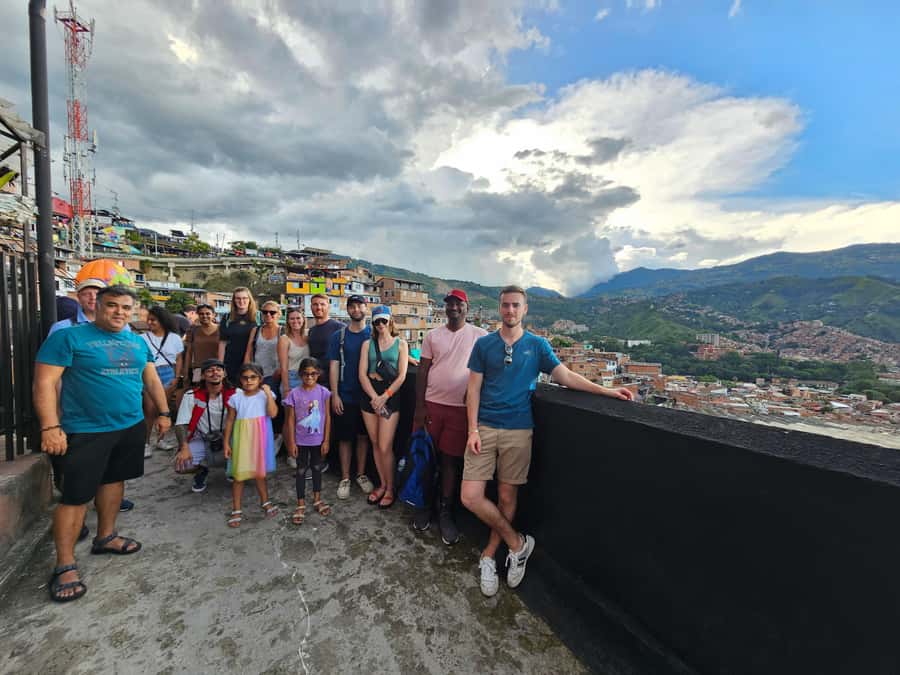
Don’t rush the viewpoint moment. The city spread below you helps the story click: you can see the scale of the neighborhood and how the creative transformation became visible.
The Mass Grave Mountain: the tour’s sobering ending with purpose
The final big history stop is the mass grave mountain, described as one of the largest in South America. This is the part of the tour where the tone turns serious.
The guide connects this place to the broader theme of social transformation. The goal isn’t fear, and it’s not shock for shock’s sake. It’s remembrance, explained with care so you understand why Comuna 13’s creative expression carries weight.
You’ll then finish at another spot with a good view, where the guide talks more about social transformation—tying together what you saw: cable car access, street art, music performances, escalators, and everyday community life.
How to handle this emotionally: if you feel overwhelmed, give yourself permission to step back from the group for a moment. Being quiet and reflective is part of what you’re there for.
Food, coffee, and the small local breaks that make it feel human
One reason this tour keeps scoring well is how it builds in small breaks. You get ice cream and a refreshing drink during the day, which sounds simple—until you’re walking in the sun and heat and you realize how much it helps.
There’s also a local café stop for tea, shopping, and coffee tasting (around 15 minutes). If you enjoy coffee, this is one of the easiest ways to taste the neighborhood rather than just walking past it.
From past tour experiences shared by visitors, people often recommend trying cold, lemon-style coffee. I’d treat that as a good option if it’s offered that day.
You’ll also have time that feels less like rushing: photo stops and short breaks are built in, and the pacing gives you a chance to breathe between history, art, and movement.
What I like as a traveler: it’s not only “see, go, repeat.” The food and little shopping moments keep you human-sized in the middle of a serious topic.
Price and value: why $33 feels fair for what you get
At $33 per person for about 3 hours, this tour is priced in a way that usually makes sense for Medellín. You’re not just paying for a guide’s time. You’re also paying for transportation (cable car and bus), entry to key stops (including Casa 3D/Neon), and structured entertainment (dance and rap shows).
The value piece is that your money buys both sides of the experience: the visual parts you can photograph and the explanation that helps the walls make sense.
If you’re trying to do Comuna 13 in one afternoon without piecing together public transport and timing yourself, that’s where the value clicks. A local guide does the hard part—sequencing the story so it lands.
A realistic expectation: it’s a 3-hour tour, so it won’t replace a longer stay in the neighborhood. Think of it as a strong introduction—with enough depth to make you understand why the art matters.
Who should book this Comuna 13 graffiti and cable car tour
This is a great fit if you want a guided experience that combines street art with context. It’s especially good for you if:
- you like creative neighborhoods where music and murals are part of daily identity
- you want views without dealing with complicated routes yourself
- you’re comfortable with history that includes conflict and recovery
It’s also a smart choice if you care about feeling safe while walking in areas you might not find on your own. Local guides keep the pace respectful and explain what you’re seeing as you go.
Best mindset to bring: curious, open, and a little ready for emotion.
Should you book it? My honest take
Yes, I’d book it—if you want more than photos. The cable car gives you perspective, then the Independence sectors explain the conflict and the transformation behind what’s painted and performed. The graffiti experience and the moving escalators add hands-on and sensory moments, so you leave with memories that actually mean something.
Just go prepared: wear comfortable shoes, expect steps and walking, and don’t schedule anything demanding right after.
If you’re the kind of person who likes to understand a place instead of just passing through it, this tour will do that in a few hours.
FAQ
Where do we meet for the tour?
You’ll meet outside Estación metro San Javier at exit B, near the red public phones. The guide wears a red T-shirt or red jacket.
How long is the tour?
The tour lasts about 3 hours.
What’s included in the price?
The tour includes the cable car, bus, ice cream, a refreshing drink, dance and rap performances, escalators, graffiti experience, Casa 3D/Neon, art galleries, views, and a tour guide. It also includes history and sightseeing.
What languages are the guides available in?
The tour is offered in Spanish and English.
Does the tour run in rain?
Yes. It takes place rain or shine.
Is there any food or drink during the tour?
Yes. You get ice cream and a refreshing drink, and there is also a short local café stop for tea and coffee tasting.
What’s not allowed during the tour?
Alcohol and drugs are not allowed. Explosive substances are also not allowed.
Can I cancel or pay later?
You can cancel up to 24 hours in advance for a full refund. You can also reserve now and pay later.