REVIEW · TOKYO
Graffiti in Tokyo Walking Tour: Shibuya and Harajuku
Book on GetYourGuide →Operated by Elena Calderon/ Totemo · Bookable on GetYourGuide
Tokyo’s walls tell stories you miss. On this Shibuya–Harajuku graffiti walk, I love how your guide helps you find hidden spots and connect street tags to Japanese culture.
I also like the mix of legal walls and big, visual murals, so you see how Tokyo street art works on different levels—from quick signatures to larger statements.
One consideration: this is an outdoor, back-street experience, so you’ll want comfortable shoes and to be ready for weather changes during the walk.
In This Review
- Key things you’ll notice on this graffiti tour
- Starting at Manhattan Records: where the tour really begins
- What Tokyo graffiti teaches you (if you know where to look)
- Shibuya City: the main loop where the art “clicks”
- Harajuku in 10 minutes: a quick style shift, not a detour
- Legal walls, secret spots, and how the tour keeps things respectful
- Art galleries, discounts, and what to do after you leave the streets
- Price and value: is $38 a fair deal for two hours?
- Who this Shibuya–Harajuku graffiti tour fits best
- Should you book the Graffiti in Tokyo: Shibuya and Harajuku tour?
- FAQ
- Where is the meeting point?
- How long is the tour?
- What languages is the live guide available in?
- What’s included with the $38 price?
- Are meals included?
- Do I need to pay for art galleries or museum entry?
- What should I bring?
- Is the tour suitable for everyone?
Key things you’ll notice on this graffiti tour
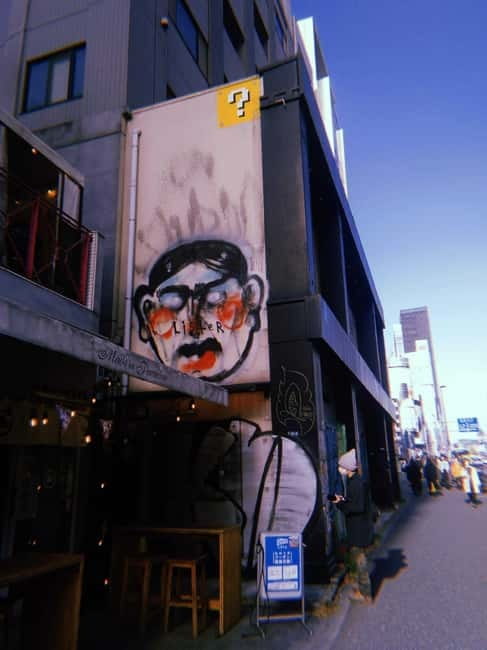
- Manhattan Records Shop (Shibuya) is the launchpad for a fast, practical intro to what to look for
- Elena Calderon (Totemo) brings 10+ years as a graffiti researcher plus art-curator context
- A focus on both tags/throw-ups and larger pieces, including spots you’d miss alone
- A short Harajuku stop that adds variety beyond Shibuya’s intensity
- Stops built around hidden corners and local-level spotting skills, not just famous murals
Starting at Manhattan Records: where the tour really begins
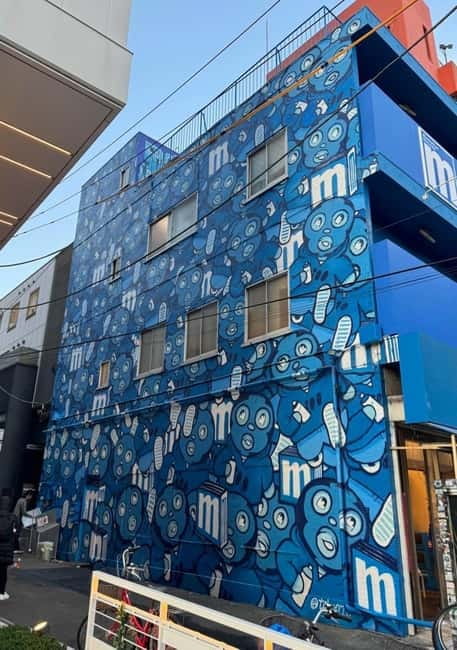
The meeting point matters more than people think, especially for graffiti. You’ll meet at Manhattan Records Shop in Shibuya, then head into side streets where the art isn’t arranged for postcards. That shift—from big intersections to quieter corridors—sets the tone fast: you’re here to see differently, not just walk and look up.
This tour is also timed tightly for a reason. With a 2-hour total duration, you won’t waste long stretches searching. You get a guide who knows what’s worth stopping for and why, and you’ll learn how to spot work that can look accidental if you’re not paying attention.
One small but helpful detail from the tour rules: you’re told to bring water and cash, and to have a camera. That’s a hint this isn’t just talk—it’s an active walking session where you’ll be taking photos and moving on quickly.
Also note the guide offers English and Spanish, so you can expect explanations to stay clear and practical rather than vague “art lecture” territory.
What Tokyo graffiti teaches you (if you know where to look)
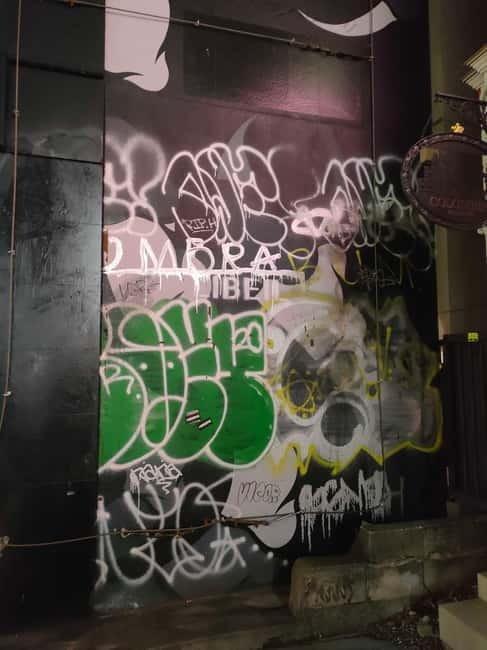
Graffiti in Tokyo can be frustrating at first. From far away it can look like clutter—random marks, stickers, and quick scrawls. The difference on this tour is that you’re taught how to read what you’re seeing.
You’ll learn to recognize common forms you’ll notice around Shibuya and Harajuku, including the kinds of tags, quick throw-ups, and larger murals that show up when you’re looking with purpose. And because the guide is a graffiti researcher with art-curator experience, you’re not left with only visuals. You get the stories behind the art—why it appears where it appears, and what it signals inside Tokyo’s urban culture.
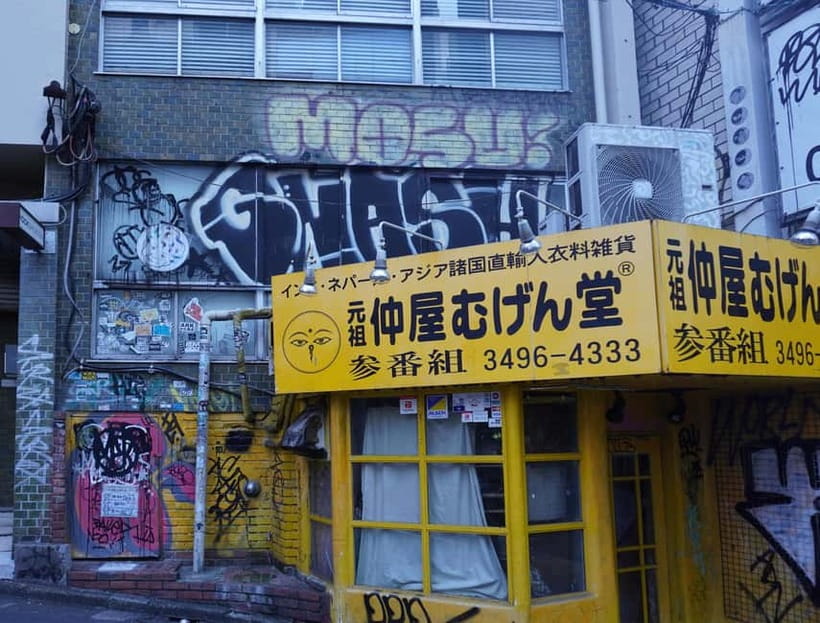
A big part of the value is that the tour goes beyond the obvious street-art corners. It includes exclusive access to hidden graffiti spots, the kind of places locals know and visitors often walk past. One reason this works: the guide pays attention to how art is placed, concealed, or revealed depending on the angle and the street flow.
In practical terms, this is the kind of tour that changes your next day in the city. After you learn what to look for, you’ll start noticing more on your own—stickers on unglamorous surfaces, smaller signatures in places you’d usually ignore, and bigger pieces that sit just out of the main pedestrian lines.
Shibuya City: the main loop where the art “clicks”
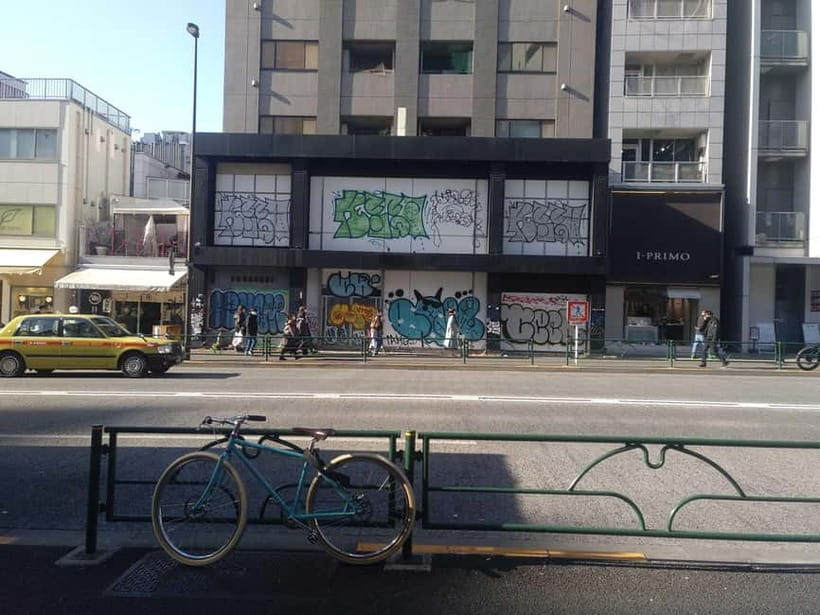
Shibuya is the perfect starting point because it’s dense, fast, and layered. On this tour, Shibuya City is the core part of the walk, where you’ll spend the most time. The route isn’t described like a checklist of landmarks—you’ll be moving through back streets and side alleys, with the guide directing your attention to pieces you’d likely miss without help.
What I like about this approach is that you don’t need to be an art expert to enjoy it. You just need to be willing to slow down for ten seconds at a time. The guide points out what you’re seeing and adds context so your photos actually mean something later.
You can expect a balance of:
- Street-level pieces that feel raw and immediate
- Work that blends into the urban environment in clever ways
- Spots with different “rules,” including the contrast between legal surfaces and more unofficial, hard-to-find places
This is where the guide’s background shows. When the tour focuses on the stories behind each piece, the city becomes readable. You start seeing graffiti less as random markings and more as a language—one that takes shape through crews, styles, and locations.
There’s also a practical photography advantage here. One review detail that really matches what you’ll experience: the guide helps you identify murals you’ll want to return to and photograph again after the walk. That’s exactly how a good urban art tour should work—teaching you enough to keep exploring when you’re on your own.
Harajuku in 10 minutes: a quick style shift, not a detour
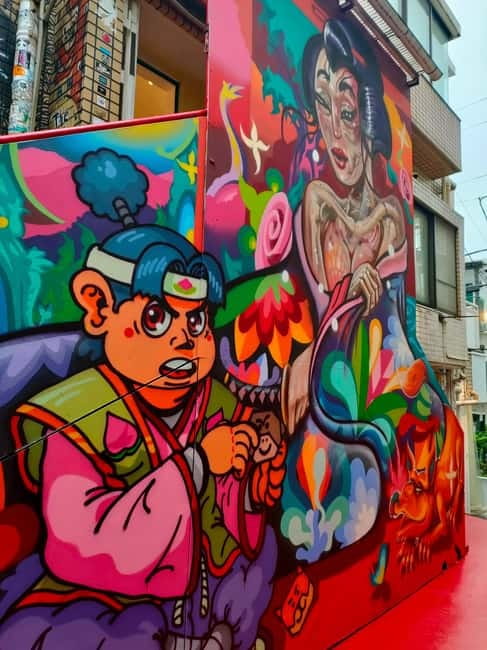
Harajuku is often known for fashion, but it’s also part of Tokyo’s street-art ecosystem. In this tour, Harajuku is a short stop—about 10 minutes—which is just enough time to add variety without dragging you away from the main Shibuya energy.
Think of it like a palate cleanser. You’ll be walking through streets where the visual language of Tokyo feels slightly different: the mix of style, signage, and artistic marks can change block to block. Even if you don’t spot the biggest works in that brief window, the value is learning how graffiti and street expression can shift with neighborhood character.
Because the tour is guided and time-aware, you don’t need to ask yourself: Is Harajuku worth it? The answer here is simple. It’s not about covering Harajuku in detail. It’s about giving you a glimpse of how street art lives alongside Tokyo’s everyday look.
If you want the most complete experience, treat Harajuku as a bonus. The serious attention—and the most time—is already in Shibuya City, where you’re trained to see and understand the work.
Legal walls, secret spots, and how the tour keeps things respectful
One of the trickiest parts of graffiti tours is the legality question. This tour doesn’t pretend that every piece is the same kind of situation. It’s explicitly about Tokyo’s graffiti scene, including legal walls and secret street spots, and it asks you to respect local laws.
That balance is important. You’re not being invited to treat graffiti like a scavenger hunt where rules don’t matter. The experience is framed around understanding the art, learning its context, and observing it responsibly.
The tour also sets behavioral boundaries that keep it sane:
- No smoking
- No alcohol and drugs
- No littering
- Bring what you need (especially water) so you’re not distracted by comfort issues
Why that matters for you: you’ll be close to surfaces and street corners, where a careless moment could be annoying—or worse. A respectful tone also helps you focus on the art itself. You’re there to learn street culture, not create friction in the neighborhoods that host it.
Art galleries, discounts, and what to do after you leave the streets
This tour isn’t limited to what’s on the walls during the walk. It includes insider knowledge on top art galleries and even discounts in art galleries and restaurants tied to the experience.
Even though the tour is about graffiti, the gallery add-ons matter because they connect street work to the larger art ecosystem. You can use what you learn on the walk to decide what to see next—whether you want more street-art related exhibitions or simply want to compare how galleries interpret similar themes.
You’re also told that entrance to most museums is usually free (though entrance is not included in the tour price). That means your time planning can stay flexible. You can use the tour’s guidance to choose what fits your schedule after the 2-hour walk.
Practical tip: take notes on your photos while the impressions are fresh. If the guide shows you a mural you want to revisit, snap a photo and then record a quick marker like the street name or a nearby landmark. It’s the difference between finding it again later and spending 30 minutes walking in circles.
Price and value: is $38 a fair deal for two hours?
$38 per person for a 2-hour walking tour is not cheap-cheap, but it can be good value if you’re serious about seeing more than the obvious.
Here’s what you’re paying for:
- A live guide, Elena Calderon (Totemo), described as a graffiti researcher with 10+ years and also an art curator
- Exclusive access to hidden graffiti spots
- Context that turns your photos into something you can explain later—stories, placement, and how the culture works
- Insider tips on art galleries and discounts at participating spots
If your goal is purely sightseeing, you could wander Shibuya and Harajuku on your own and still see graffiti. But this tour is built for people who want the why and the where. The “hidden spots only locals know” promise isn’t just marketing fluff here—it directly affects what you’ll notice after the tour.
Also, because it’s 2 hours, you’re not committing half a day. You’re buying a focused hit of street art knowledge and street-reading skills. That’s often exactly how you want urban tours to work: you leave with memories plus a new way to look.
Who this Shibuya–Harajuku graffiti tour fits best
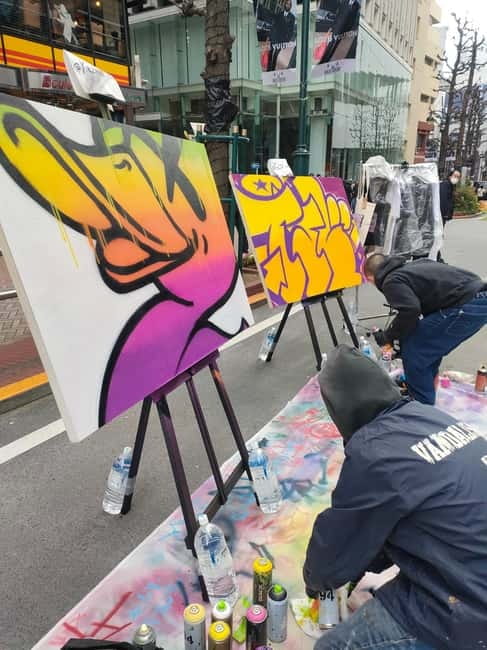
This is a great match if you:
- Love street art and want more context than you get from casual wandering
- Want a guided way to find graffiti that’s not obvious
- Prefer a walk-and-learn pace with plenty of stops
- Travel with a camera and like photographing details
It’s less ideal if you:
- Need mobility accommodations, because it’s a walking tour and is listed as not suitable for people with mobility impairments
- Have very small children, since it’s not suitable for babies under 1 year
- Are at the other end of the age range, since it’s listed as not suitable for people over 95 years
The good news: the tour seems family-friendly in spirit, and the vibe is about learning street culture rather than turning it into a lecture. If you can walk comfortably and keep the rules in mind, you’ll likely enjoy it.
One more practical note: wear comfortable shoes and bring water. You’ll be outside, moving between streets, and your feet will set the pace.
Should you book the Graffiti in Tokyo: Shibuya and Harajuku tour?
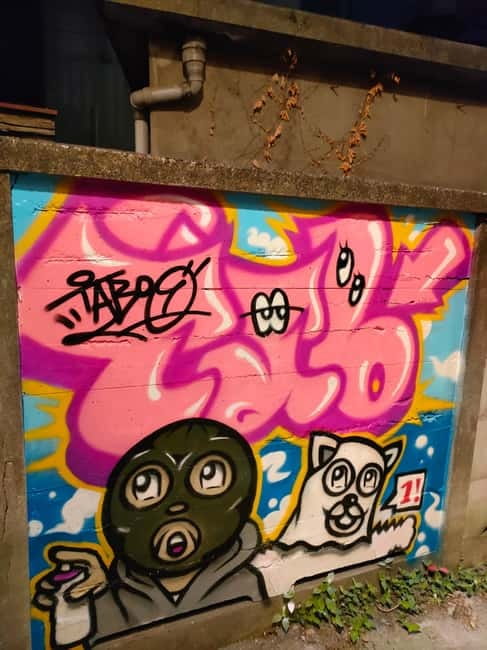
I’d book this tour if you want Shibuya and Harajuku to feel less like a theme park and more like a living city. The core reason to choose it is simple: you’ll be shown graffiti that’s harder to find, and you’ll get the stories that make it click.
Choose another option if you only want major landmarks or you dislike street-level walking. This tour is about small visuals, quick stops, and paying attention—so you have to be willing to slow down.
If you do book, go in with the mindset of a street-reader. Bring your camera, keep your eyes open for small marks and stickers, and ask yourself one question at each stop: why would someone place art here, in this exact spot? That question is basically what the guide is teaching you, and it turns two hours into a much longer-lasting Tokyo experience.
FAQ
Where is the meeting point?
You meet at MANHATTAN RECORDS SHOP (Shibuya).
How long is the tour?
The tour duration is 2 hours.
What languages is the live guide available in?
The tour is guided in English and Spanish.
What’s included with the $38 price?
You get an expert guide (graffiti researcher for 10+ years and an art curator), access to hidden graffiti spots, insider knowledge about Tokyo’s graffiti scene and top art galleries, plus discounts in art galleries and restaurants.
Are meals included?
No. Meals and drinks are not included.
Do I need to pay for art galleries or museum entry?
Entrance to art galleries/museums is not included, though most of them are described as free of charge.
What should I bring?
Bring comfortable shoes, a camera, water, and cash.
Is the tour suitable for everyone?
No. It’s listed as not suitable for people with mobility impairments, babies under 1 year, and people over 95 years.