REVIEW · LISBON
Lisbon: Street Art and Historical Walking Tour
Book on GetYourGuide →Operated by My Lisbon Tours · Bookable on GetYourGuide
Lisbon walls tell stories when you look up. I love how this tour turns street art into a way to understand Lisbon’s people and power—who makes art, why it shows up in public, and what the messages mean. I also love the Miradouro views built into the walk, so you’re not only staring at murals—you’re getting city context. One drawback: the streets are uneven and the tour is not suitable for people with mobility impairments.
This is built as a small-group walk limited to 8 people, led by a licensed local guide in English. In the best runs, guides like Rui, Andriy, and Andre bring a serious “art + city life” perspective, with good attention to practical safety while you’re crossing streets and stepping around cracked pavement and stone tiles.
In This Review
- Key points before you go
- Miradouro da Graça: the view that sets the tone for street art
- Graça, Mouraria, and Alfama: how the walk reveals real neighborhood rhythm
- Lookouts like Miradouro Portas do Sol: photos with meaning, not just backdrops
- São Jorge Castle: the heritage reference point for the urban art story
- The street art itself: Vhils, Nomen, Odeith, and Gonçalo Mar.Pro
- “Licensed local guide” means street-smart walking, not just facts
- Timing and pace: why 3 hours feels just right here
- Price and value: what $35 buys you in Lisbon
- Who should book this tour—and who should skip it
- What makes the ending memorable (and different)
- How to make the most of the walk
- Should you book this Lisbon Street Art and Historical Walking Tour?
- FAQ
- How long is the Lisbon Street Art and Historical Walking Tour?
- How much does the tour cost?
- What neighborhoods and sights are included?
- Where do I meet the guide?
- Is the tour in English?
- What should I wear or bring?
- Is the tour suitable for people with mobility impairments?
- What is included in the price?
Key points before you go
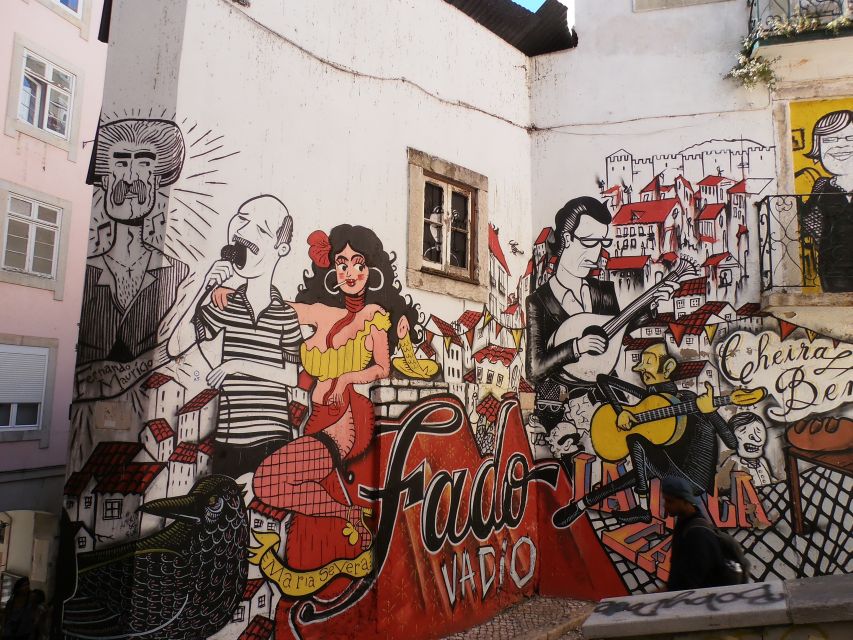
- Start at Miradouro da Graça and get your bearings fast before you hit the street-level art.
- Graça, Mouraria, and Alfama are the focus, which means less tourist-only scenery and more real neighborhood texture.
- Lookouts pay off with stops like Miradouro Portas do Sol, plus nearby São Jorge Castle context.
- You’ll see specific artists tied to Lisbon’s urban scene, including Vhils, Nomen, Odeith, and Gonçalo Mar.Pro.
- Small-group pacing keeps the walk comfortable enough for 3 hours, mostly downhill.
- Guides handle safety—paying attention to traffic and uneven sidewalks is part of the job.
Miradouro da Graça: the view that sets the tone for street art
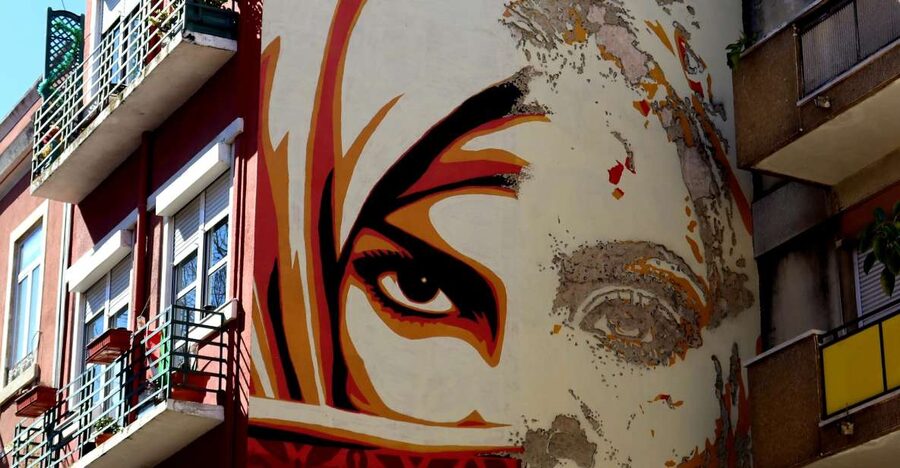
Most street art tours start with paint. This one starts with elevation. You meet at the church at Miradouro Sophia de Mello Breyner Andresen—also known as Miradouro da Graça—right along Calçada da Graça (1100-265 Lisboa). That spot matters because Lisbon’s street art doesn’t exist in a vacuum. The city’s hills shape foot traffic, visibility, and where artists can be seen.
From the viewpoint, you get a quick mental map of Lisbon’s layers: rooftops, steep streets, and the sense that neighborhoods cling to hillsides for a reason. Then the guide links that geography to what you’re about to see. It turns the walk into a story you can actually follow.
You can also read our reviews of more tours and experiences in Lisbon.



Graça, Mouraria, and Alfama: how the walk reveals real neighborhood rhythm

After the viewpoint, the tour moves into a street art walking circuit centered on Graça, Mouraria, and Alfama. These are different neighborhoods, and the guide treats them like more than a list of places.
- Graça gives you the “high-to-low” feel—good for first impressions of how Lisbon opens and closes as you descend.
- Mouraria adds a more lived-in street atmosphere, where the walls and the sidewalk flow together.
- Alfama is where you start noticing the city’s older bones: narrow lanes, steep grades, and that mix of everyday life right next to public art.
The practical win for you is that you’re walking through multiple neighborhoods in a compact 3-hour window. If you’ve only been sticking to the biggest sights, this route helps you understand how Lisbon actually moves at street level.
Lookouts like Miradouro Portas do Sol: photos with meaning, not just backdrops

A good street art walk has a problem: it’s easy to lose the big picture and end up with a “wall tour,” nothing more. This one solves that by building in lookouts where the guide can talk about Lisbon as a city—its layout, its boundaries, and how people experience it from above.
As you head east side, you’ll reach Miradouro Portas do Sol. This is the kind of stop that gives you context for why street scenes look the way they do. It’s also a short reset for your legs, especially if the day is hot or crowded elsewhere in town.
And yes, you’ll get the classic Lisbon postcard views. But the difference here is that you’re not treating them as a pause. You’re using them to understand what you’ll see next.
São Jorge Castle: the heritage reference point for the urban art story
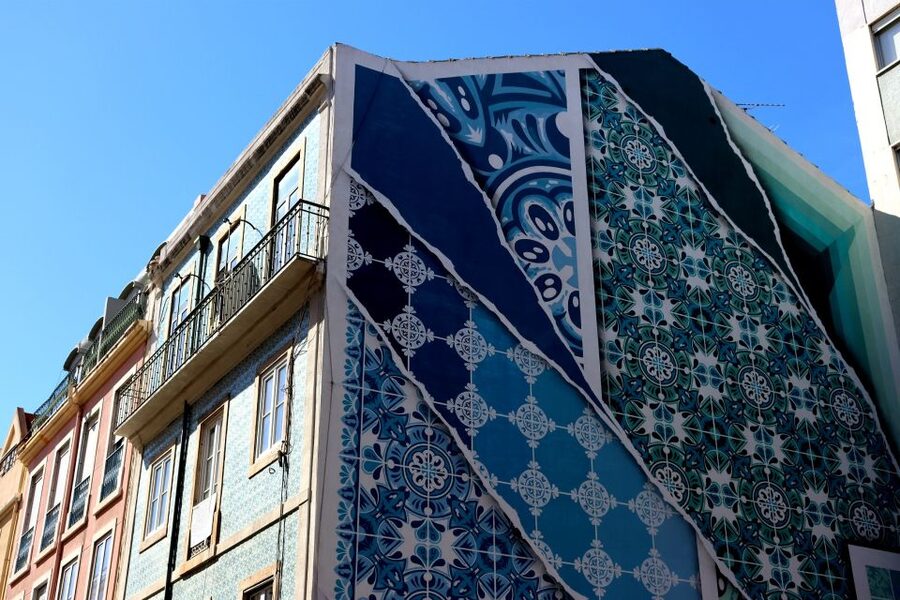
The tour also includes a look at the impressive São Jorge Castle area and uses it as a heritage touchpoint. Castle views alone are nice. The smart move is how the guide ties heritage to the present—how public space, identity, and power show up both in old stone and in newer street works.
This helps you see the murals as part of a longer conversation. You’re not only learning names and styles—you’re learning how Lisbon people read public walls, especially when the city is shaped by history and politics.
If you’re the kind of person who likes art, but also likes why people argue about art, this is a strong pairing.
The street art itself: Vhils, Nomen, Odeith, and Gonçalo Mar.Pro
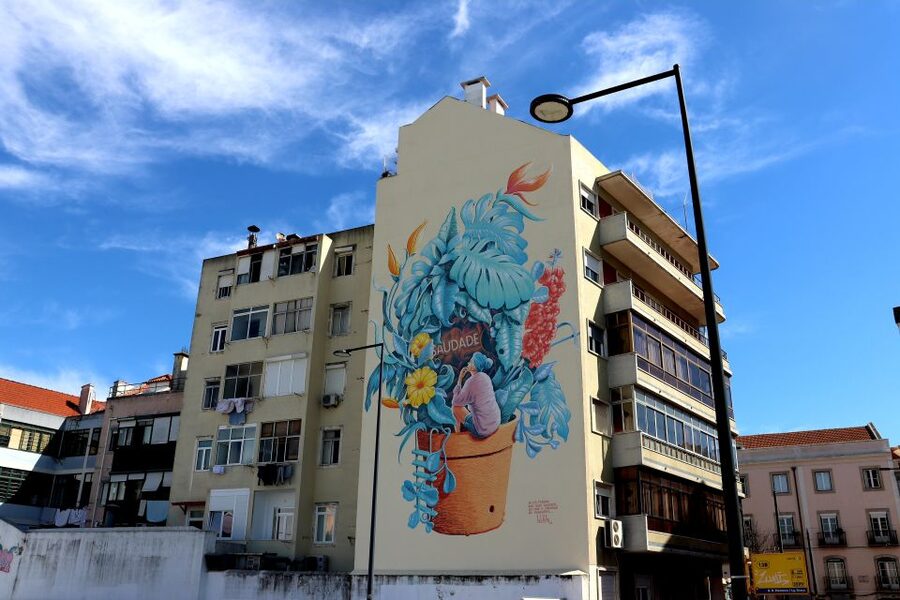
This tour is aimed at people who want more than a quick glance. You’ll see street art connected to urban artists such as Vhils, Nomen, Odeith, and Gonçalo Mar.Pro. The goal is to connect what’s on the wall with the bigger story behind the artist.
Here’s what you should expect the guide to do with these works:
- Explain how different street artists approach public space (style, material, visibility).
- Connect artwork to the city’s social and political mood, not just aesthetics.
- Help you spot recurring themes so the walls feel like a network, not random images.
From the high ratings, the most praised angle is how guides talk about the artists’ lives and the politics around the work. One standout review praised the tour for covering history, politics, and even literature-style connections—basically treating street art as part of culture, not decoration.





“Licensed local guide” means street-smart walking, not just facts
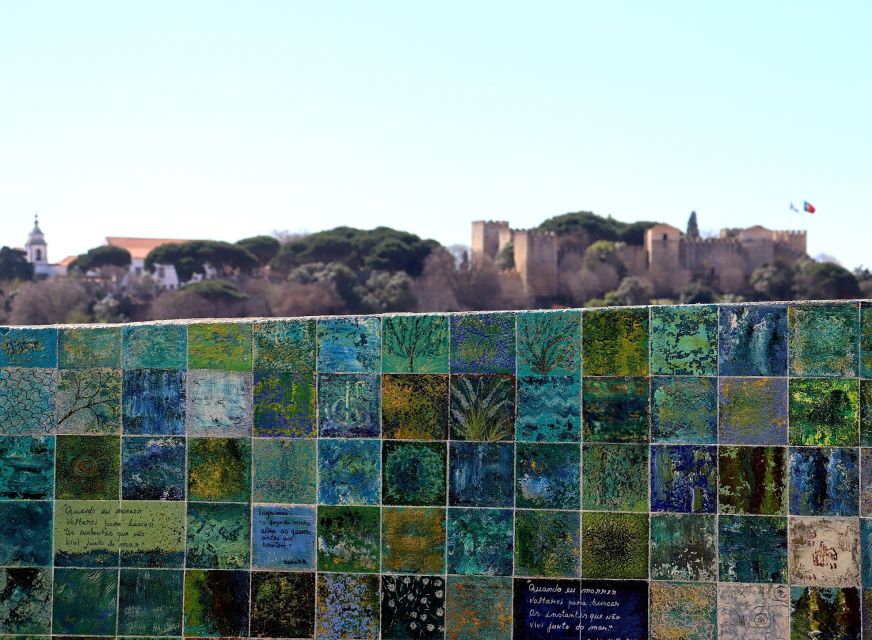
A big part of why this tour works is how the guide handles the walking itself. Lisbon sidewalks can be a maze: cracked stone, protruding tiles, and traffic that doesn’t always slow down for pedestrians.
In excellent groups, the guide stays attentive to safety while navigating traffic, sidewalk hazards, and the general chaos of narrow streets. That’s not glamorous, but it’s the difference between a relaxing 3 hours and a tense one.
Also, this is where you’ll notice the small-group size. With only up to 8 participants, the guide can adjust pace and attention. One review even mentioned that the guide adapted the amount of information to group interests. That’s what you want: context, not a lecture.
Timing and pace: why 3 hours feels just right here
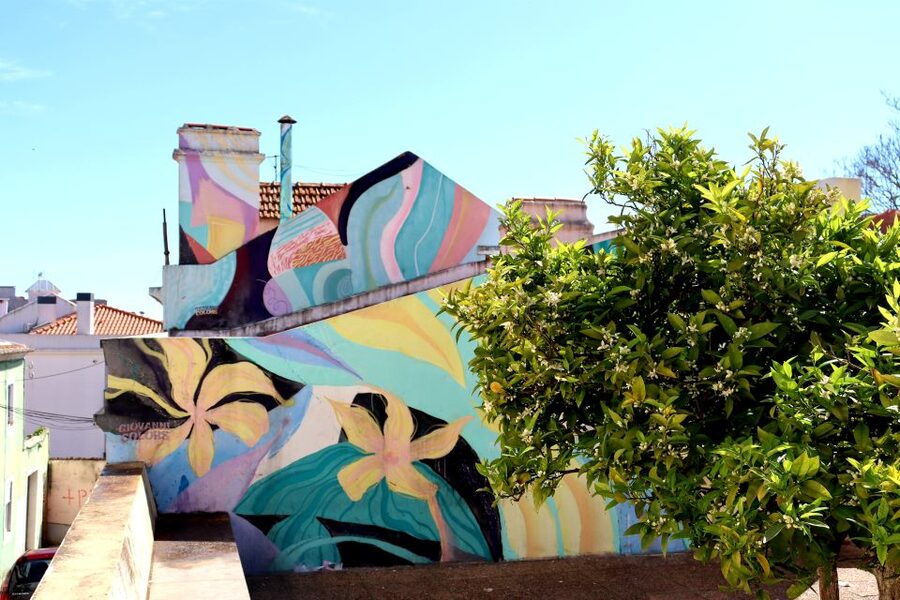
The tour runs about 3 hours. That length is a practical sweet spot for Lisbon walking: long enough to cover multiple neighborhoods and viewpoints, short enough that you still feel fresh for dinner.
One review specifically noted that the pace felt perfect and mostly downhill. Even if your route day is slightly different, the general logic holds: you’re combining uphill energy at the start with easier grades later, which matters because Lisbon streets are rarely flat.
What to bring is simple: comfortable shoes. Even if you’re a confident walker, you’ll want grip and support. This isn’t the place for fashion footwear.
Price and value: what $35 buys you in Lisbon
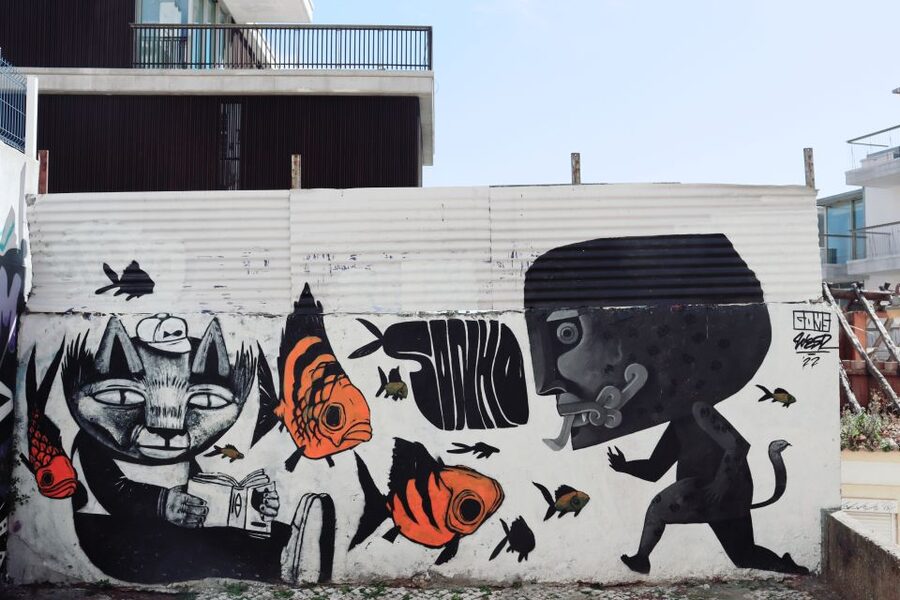
At $35 per person, this tour is priced like a value-focused city experience. You get a live guide and local taxes included. You don’t get meals or drinks, and there’s no hotel pickup or drop-off, so you’re expected to meet at Miradouro da Graça and handle your own food breaks.
So is it worth it? For me, street art tours usually fall into two buckets: quick-and-cheap photo walks or more thoughtful “art in context” walks. This one aims squarely at the second bucket. You’re paying for:
- Access to multiple neighborhoods (Graça, Mouraria, Alfama)
- Lookouts that help you interpret what you’re seeing
- Specific artist references (not random murals)
- A guide who links street art to history and politics
You also get the small-group factor. With only 8 people, you’re less likely to feel herded and more likely to actually ask questions.
One review also mentioned that the pieces shown are permitted by the city, which is worth taking seriously. It’s safer for you and it keeps the walk focused on legitimate public works.
Who should book this tour—and who should skip it
This tour fits best if you:
- Like street art but also want meaning behind it (history, politics, motivation).
- Enjoy walking neighborhoods that feel lived-in, not only tourist corridors.
- Want a quick route that still hits major viewpoint spots and a heritage anchor near São Jorge.
It’s not for everyone. It’s not suitable for people with mobility impairments. Even beyond that, if you hate stairs and uneven pavement, Lisbon’s streets can wear you down fast.
If you’re traveling with kids or older teens, it can be a hit because it mixes views, storytelling, and real city texture. But you should still plan for walking time and have the right shoes.
What makes the ending memorable (and different)
One small detail I like about this tour design: it’s not guaranteed to end at the most obvious, most photographed mural spot. In at least one highly rated experience, the tour ended in an unexpected place that turned out to be the most impressive work of the day.
That tells you something useful for your expectations. The guide is probably picking stops based on art quality and interpretive value, not just convenience.
How to make the most of the walk
Here are a few practical tips that will help you enjoy this more, especially if Lisbon is busy when you go:
- Arrive a few minutes early at the Miradouro da Graça meeting point so you’re not rushed.
- Wear shoes with good grip. Cracked stone tiles are a real thing here.
- Bring water if it’s warm. Meals aren’t included, and you’ll be on your feet.
- If you’re not into art, still go. You’ll get city life and neighborhood history woven into the murals, which can surprise you in a good way.
Should you book this Lisbon Street Art and Historical Walking Tour?
Book it if you want Lisbon street art with context. For the money, you get a smart mix of neighborhood walking, lookout views, and artist-based storytelling, all with a licensed English guide and a group size small enough to feel human.
Skip it if your mobility is limited, or if you’re looking for mostly indoor sights or a super-easy stroll. Lisbon’s ground is uneven, and the tour is built around actually walking the city.
If you’re planning a first or second day in Lisbon and you want to understand the city beyond the big monuments, this is a strong choice. You’ll come away seeing walls differently—like they’re part of Lisbon’s street-level conversation, not just decoration.
FAQ
How long is the Lisbon Street Art and Historical Walking Tour?
The tour lasts 3 hours.
How much does the tour cost?
It costs $35 per person.
What neighborhoods and sights are included?
You’ll explore Graça, Mouraria, and Alfama, with viewpoints such as Miradouro da Graça and Miradouro Portas do Sol, plus an impressive São Jorge Castle stop.
Where do I meet the guide?
Meet at the church at Miradouro Sophia de Mello Breyner Andresen, also known as Miradouro da Graça. Address: Calçada da Graça, 1100-265 Lisboa, Portugal.
Is the tour in English?
Yes, the live tour guide speaks English.
What should I wear or bring?
Wear comfortable shoes, since the tour involves walking on city streets.
Is the tour suitable for people with mobility impairments?
No, it is not suitable for people with mobility impairments.
What is included in the price?
The price includes the guide and local taxes and fees. Meals and drinks, and hotel pickup/drop-off, are not included.