REVIEW · MEDELLIN
Medellin: Comuna 13 Graffiti Tour, Cable Car & Street Food
Book on GetYourGuide →Operated by The best tours in Medellin SAS · Bookable on GetYourGuide
Medellín’s Comuna 13 hits you fast. This 4-hour small-group tour pairs public transit with cable car mountain views, then walks you through Comuna 13 street art, coffee, and local food with real context. I like that it’s not just photos and murals; it’s built around how the neighborhood changed over time and what the art means. I also like the human touch: guides such as Santiago, Natalia, Martin, and Melina bring stories you can actually follow. One drawback: expect stairs and uphill walking, so the day may feel tiring for anyone who’s not comfortable moving on foot.
The pacing is tight, but it’s designed to keep you moving without feeling rushed. You’ll ride the metro, take the metrocable into the hills, hop on a local bus, then do a guided walk through the graffiti district with stops for coffee and a street-food bite. The main consideration is simple: this is active sightseeing, not a slow city stroll, and it’s not suitable for people with mobility impairments or those over 70.
In This Review
- Key things I’d mark on your mental map
- Riding Medellín’s Metrocable: The Mountain-View Part You’ll Remember
- Coffee Museum Stop: How Medellín Coffee Gets Its Flavor
- Comuna 13 on Foot: Graffiti That Tells You Why the Walls Changed
- Dance Show Moment: Music and Performance in the Middle of the Walk
- Arepa With Cheese and Real Snack Energy
- The Viewpoint Bar: Beer, Soda, or Water With Skyline Views
- How the Route Fits Into 4 Hours (and How Hard It Feels)
- Why Small Group Size Matters on Public Transport
- Price and Value: Why $18 Feels Fair for This Amount of “Day”
- Who This Tour Is Best For (and Who Should Skip It)
- Book or Skip: My Take
- FAQ
- How long is the Medellín Comuna 13 tour?
- What does the tour include for food and drinks?
- What transportation do we use during the tour?
- What language will the tour guide speak?
- Is the street dance show guaranteed?
- Where do we meet?
- Is this tour suitable for everyone?
Key things I’d mark on your mental map
- Metrocable skyline views that make Medellín feel bigger and calmer at the same time
- Coffee museum + tasting focused on how beans go from farm to cup
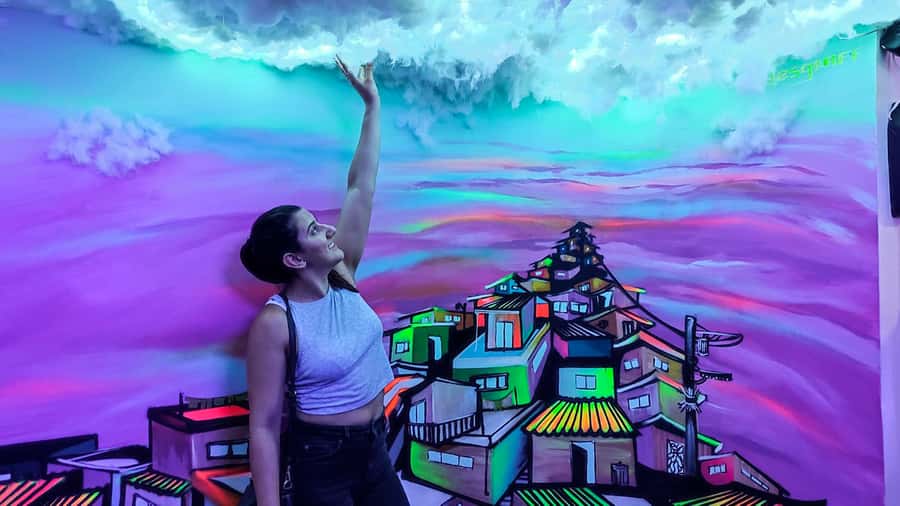
- Graffiti with meaning, including stories behind pieces made by local artists
- A street dance show (timing can shift with weather)
- Arepa with cheese + one included drink at a viewpoint bar
- Small group (up to 10) so the guide can keep everyone together on public transport
Riding Medellín’s Metrocable: The Mountain-View Part You’ll Remember
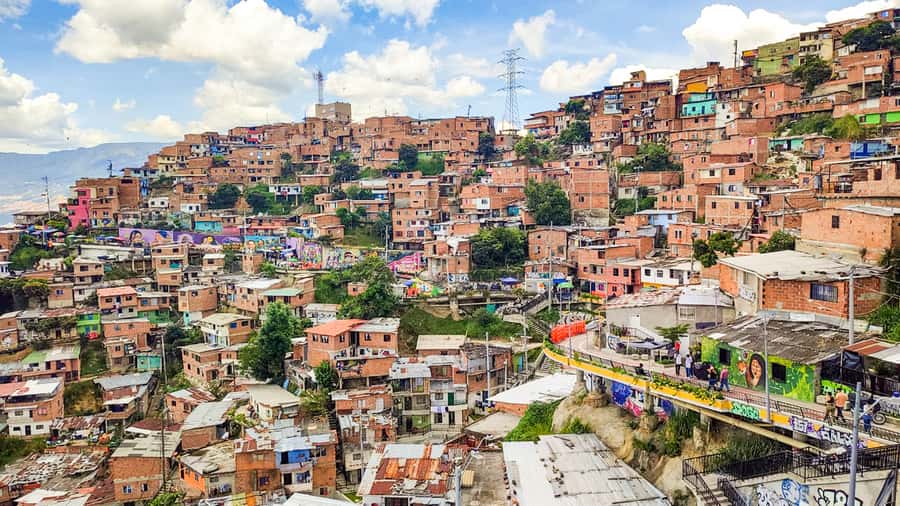
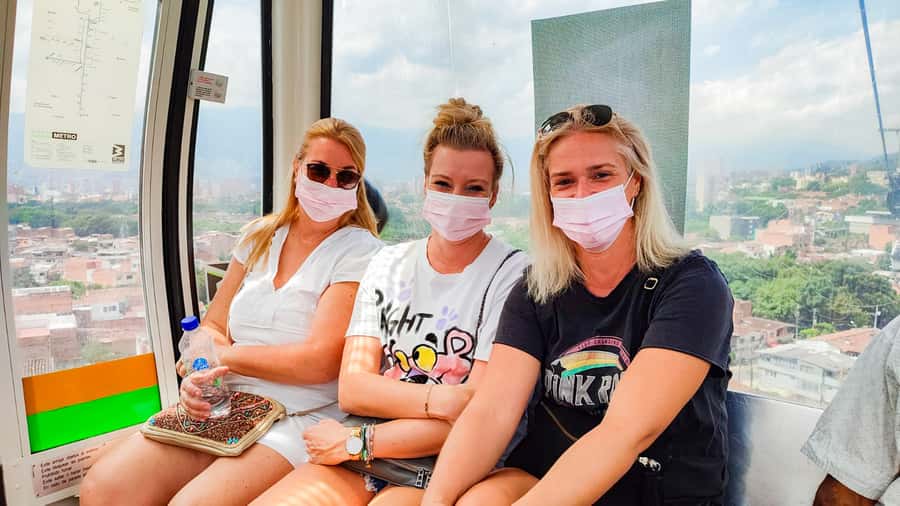
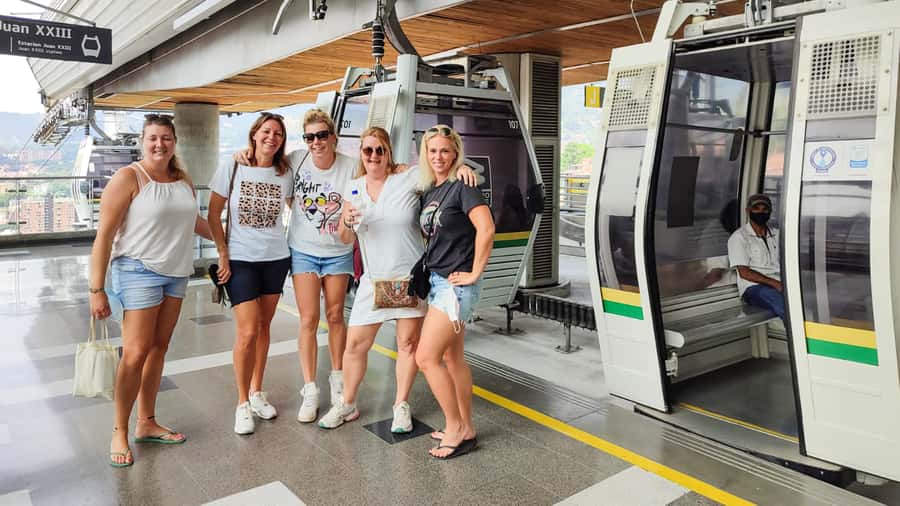
If you’ve only seen Medellín from the flat streets, the metrocable changes your scale. You start near the Poblado metro station, then take the metro for a short hop before switching to the cable car system that climbs into the mountains. That ride is more than a transfer. It’s your first big “oh, wow” moment because the city unfolds under you—dense blocks, winding roads, and those hill neighborhoods you’d never reach on foot.
What I like about this setup is the realism. Instead of doing a private car ride to a viewpoint, you’re using the city’s transit like locals. The cable car also comes with built-in learning: your guide explains how the transportation connects communities, not just where to stand for a photo.
Timing matters here. In a 4-hour tour, the metrocable segment is one of the few parts where you get both a break from walking and a real payoff in views. Plan your posture for cool air and occasional wind at higher points, and bring a light layer if you run cold easily.
You can also read our reviews of more tours and experiences in Medellin.
Coffee Museum Stop: How Medellín Coffee Gets Its Flavor
Right after the transit and orientation, you’ll hit the coffee stop—set up like a mini lesson with a tasting at the end. You’re not just handed a cup. You learn about processing and the work done by farmers around Medellín, which helps the tasting make sense.
This is a smart inclusion for two reasons:
1) It grounds the day in everyday life, not only in street art.
2) It gives you a flavor reference before you leave the neighborhood, so you can compare what you try later.
You’ll get a high-quality cup (and you’ll likely notice the difference in how it’s served and what you’re told to pay attention to). If you like coffee, you’ll enjoy the small details your guide shares about the steps between the farm and your cup. If you don’t love coffee that much, you still get a cultural context pause—short, but useful.
Comuna 13 on Foot: Graffiti That Tells You Why the Walls Changed
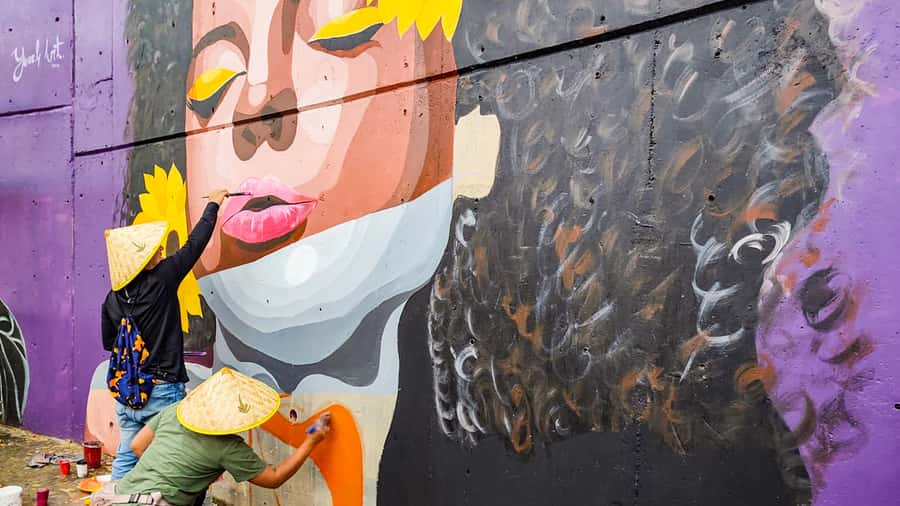
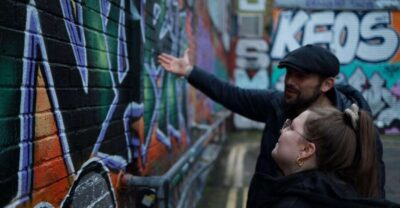
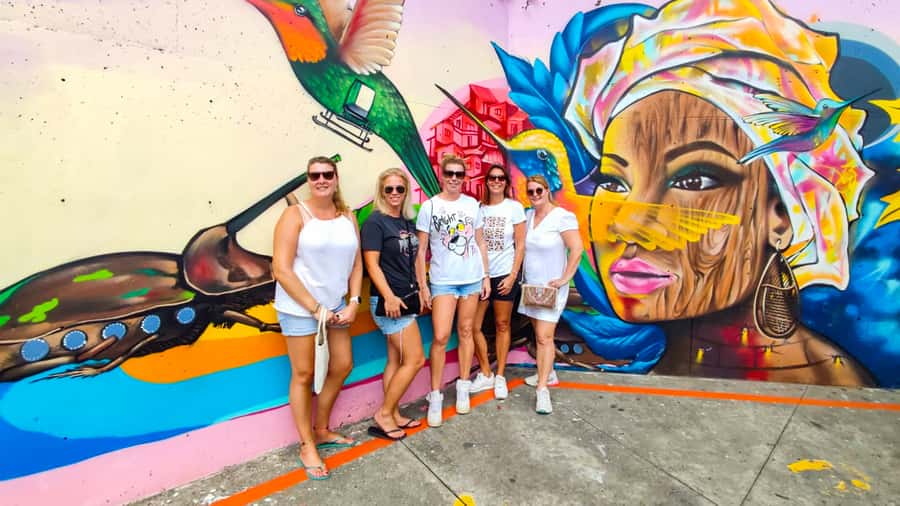
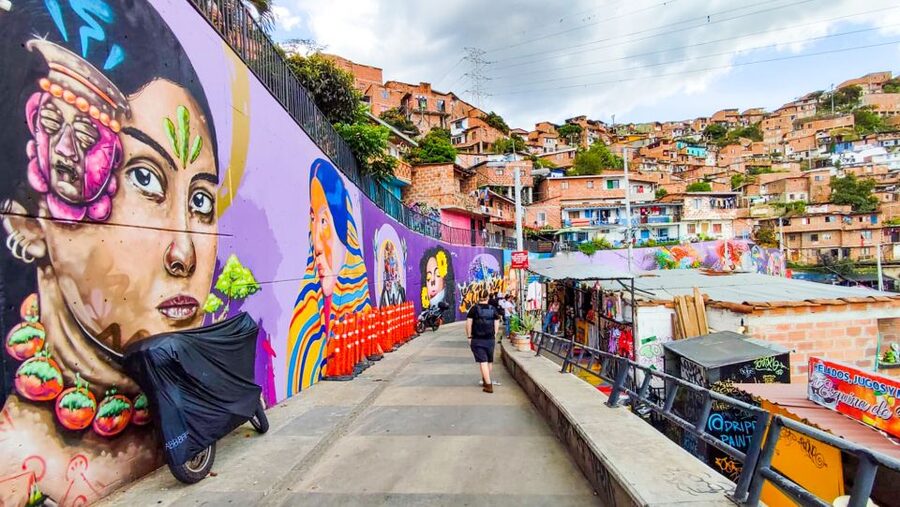
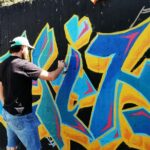
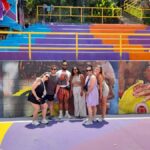
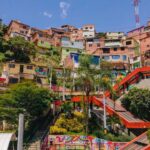
Now comes the heart of the trip: the guided walk through Comuna 13’s street art district. This is the part you came for, and it’s handled in a way that keeps the art from feeling random.
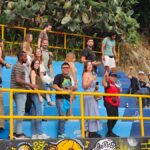
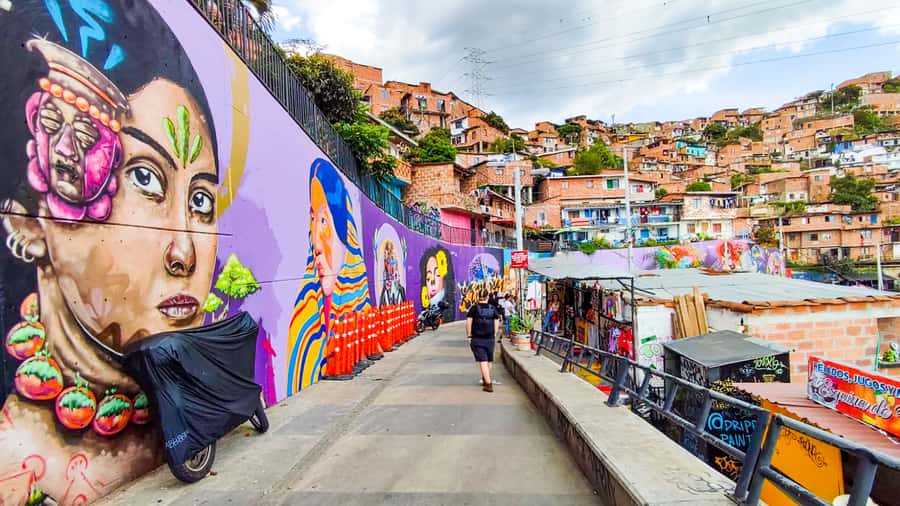
You’ll see expressive graffiti across the streets and walls, but you’ll also encounter related visuals like oil paintings and even clothing printed with art. That variety matters. It shows you that this isn’t just a “graffiti sightseeing stop.” It’s an evolving visual language tied to people, identity, and the neighborhood’s story.
The guide is the difference-maker. They explain the meaning behind key pieces—how local artists used murals and street art to communicate lived experience—and how the area has changed over time. Guides such as Santiago or Natalia are praised specifically for connecting the art to the larger history of Medellín and the community behind it.
Practical tip: wear shoes you can trust. Even when the route doesn’t feel like a hike on paper, you’re walking through uneven terrain and climbing stairs. You’ll get breaks, but you shouldn’t assume it’s flat.
Dance Show Moment: Music and Performance in the Middle of the Walk
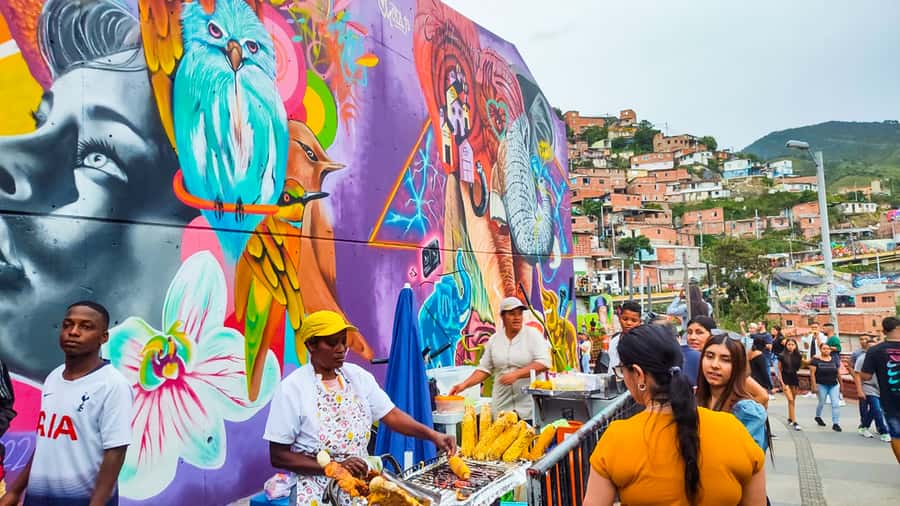
Comuna 13 is known for art in multiple forms, and the tour includes a street dance show stop. The timing can be sensitive to conditions, so the show may be adjusted or subject to weather.
When it happens, it works as a reset. You’ve spent time reading walls and listening to history, so performance gives your brain a different kind of input—rhythm, movement, and that community energy you can’t replicate in a photo-heavy walk.
This stop also makes the tour feel less like a lecture. Even if you’re not a dance fan, the show adds personality and helps explain why this neighborhood’s creativity isn’t only visual. People are making art in real time, in public.
Arepa With Cheese and Real Snack Energy
Food on this tour is intentionally simple: you get one arepa with cheese, a classic Colombian street food you’ll see again and again across the country. You’re not promised a full meal spread. That’s fine, but it means you should treat the arepa as a tasty checkpoint, not dinner.
The bigger value is how the food fits the setting. You’re eating at a point when you’ve already learned enough to appreciate what street food represents: quick, comforting, local, and meant for normal daily life.
One useful note from the field: some people recommend bringing extra cash for small extras like water or tips, because a single included drink may not cover everything you want mid-walk. You’ll get one included drink, but if you’re the type who drinks constantly while walking uphill, having a little extra on hand can save your mood.
The Viewpoint Bar: Beer, Soda, or Water With Skyline Views
Near the end, you head to a bar with an amazing view of the city. This part feels like the emotional punctuation mark of the day. You’ve walked, listened, learned, and stood near art. Now you sit down, share a drink, and look out across Medellín.
Your included drink choice is beer, soda, or water, depending on what you prefer. In the best versions of this tour, guides keep the group together well so you actually get to relax and enjoy the panorama rather than feeling like you’re rushing again after the walking portion.
This is also where the small group vibe clicks. With fewer people, you get a bit of casual conversation with other travelers, and your guide can still handle questions. If your guide is strong—many are praised for strong storytelling—this is where their final “put it all together” moments often land.
How the Route Fits Into 4 Hours (and How Hard It Feels)
The itinerary is tight by design. You’re looking at about:
- a short metro segment
- a metrocable ride
- then a bus into the graffiti district
- a guided walking portion that includes coffee time, a dance stop, street food, and an extended explanation walk
Even with the structure, the most important thing to know is the physical side. Multiple participants call out uphill walking and stairs as part of the experience. That’s exactly why the tour is labeled not suitable for people with mobility impairments and it’s also a poor fit for anyone who doesn’t handle climbing comfortably.
If you’re in good walking shape, you’ll probably find it manageable—just plan for effort. If you’re near the edge of your comfort zone, wear grippy shoes, pace yourself, and keep your plan simple for the rest of the day. This isn’t a “then go clubbing” kind of afternoon unless you don’t mind being tired.
Why Small Group Size Matters on Public Transport
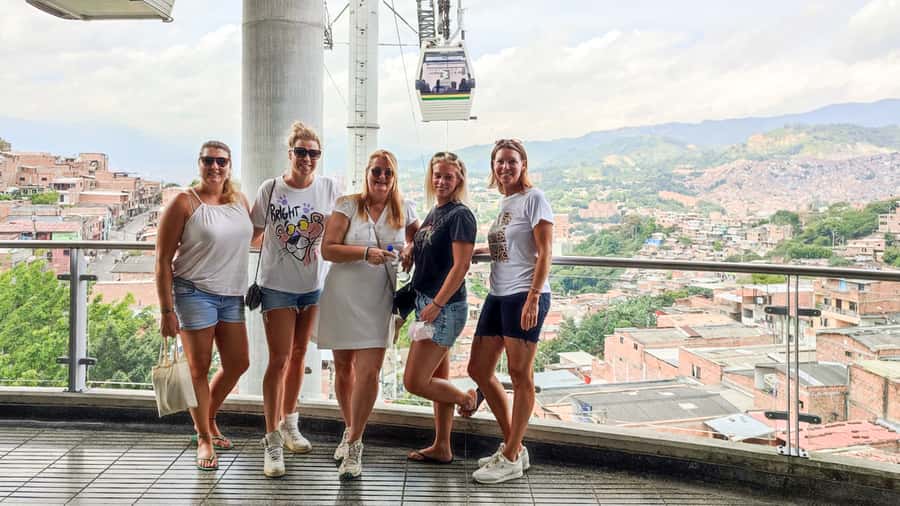
With a maximum group size of 10 participants, the guide can manage the flow. That matters in Medellín because you’re moving through systems—metro stations, cable cars, local buses, and a busy neighborhood street network. In a larger group, you’d feel lost. Here, you’re more likely to stay together and not miss key explanations.
This also shows up in guide performance. In the feedback you’ll see names like Martin, Camilo, Melina, and Madina associated with organization and keeping everyone moving smoothly. The tour is run to make public transit feel like part of the experience, not a stressful chore.
Language is another practical plus: the guide works in English and Spanish, so you can follow the key stories instead of just collecting visuals.
Price and Value: Why $18 Feels Fair for This Amount of “Day”
Let’s talk value, because $18 can sound either cheap or suspicious depending on what’s included. Here, it’s mostly fair because you’re getting a bundle:
- Metro, cable car, and bus tickets
- A guided walking tour in Comuna 13 with graffiti explanation
- Coffee tasting at a coffee museum stop
- Street dance show (when conditions allow)
- One arepa with cheese
- One included drink at a bar with city views
- Extra recommendations and guidance so you can keep exploring after
The transit alone would cost you time and money if you tried to piece it together. The guide’s job isn’t just leading you between points; it’s translating the neighborhood’s visual language into a story you can follow. And the coffee + snack + drink are not huge portions, but they’re well-placed and help you keep energy up without turning the day into a food tour.
So, if you want a compact “greatest hits” afternoon—views, coffee, street art meaning, performance, and local flavor—this hits the mark for the price.
Who This Tour Is Best For (and Who Should Skip It)
I’d put this tour near the top of your list if you:
- care about street art beyond the photo op
- want to understand Comuna 13’s transformation through guided context
- like using public transit as part of the travel story
- want one afternoon that packs multiple Medellín experiences into 4 hours
I’d skip it if you:
- have mobility limitations, since stairs and uphill walking are part of the route
- are older than 70, since it’s not suitable for that age group in the provided info
- prefer relaxed, low-effort sightseeing with minimal walking
Also, if you’re picky about food: you’re getting one arepa and one drink. It’s not designed to fill you up for a long day, so plan a proper meal before or after.
Book or Skip: My Take
Book this tour if you want a guided, structured way to see Comuna 13 with context. The combination of metrocable views, coffee tasting, meaningful graffiti explanation, a street dance moment, and a drink at a skyline bar makes the afternoon feel complete instead of patchy.
Skip it if you want a purely visual walk with no history component, or if your legs need a break from stairs. In that case, you’ll probably feel the effort more than the payoff.
If you’re planning Medellín for the first time and you only have a few hours, this is one of the easiest ways to see a side of the city that’s both artistic and human—without getting lost in logistics.
FAQ
How long is the Medellín Comuna 13 tour?
The tour duration is 4 hours.
What does the tour include for food and drinks?
You get 1 arepa with cheese and 1 included drink at a bar (beer, soda, or water). Additional drinks are not included.
What transportation do we use during the tour?
You use the metro, the metrocable (cable car), and a public bus as part of the route.
What language will the tour guide speak?
The live tour guide speaks English and Spanish.
Is the street dance show guaranteed?
The street dance show is subject to weather conditions.
Where do we meet?
The meeting point may vary depending on the option booked. One starting option is near the Poblado metro station.
Is this tour suitable for everyone?
It is not suitable for people with mobility impairments or people over 70 years.