REVIEW · BELFAST
Award Winning Express 2 Hours Belfast Black Taxi/Cab tours
Book on Viator →Operated by Belfast famous black taxi tours · Bookable on Viator
Belfast history has hard edges. I love how this private black taxi tour turns murals and street corners into clear stories about the Troubles, and I love the hotel pickup that saves you from figuring out meeting points. The main thing to consider: several stops don’t include admission tickets, so you may run into small extra costs depending on what you’re visiting.
This is a fast, focused 2-hour format, yet it still feels personal. You ride in a Belfast cab with your guide, you choose a start time that fits your day, and you stay within a tight route that’s built for understanding—not rushing.
Expect a somber, informative tone. The stops are mostly about what people built, wrote, or painted, so you’ll be looking at Belfast up close rather than checking boxes in quick photo bursts.
In This Review
- Key highlights you should know before you go
- Private Belfast Black Taxi in 2 Hours: Why This Tour Works
- Hotel Pickup, Private Cab Transport, and the Real Cost Value Check
- Stop 1 on the Route: Shankill Road Murals and Loyalist History
- Stop 2 and the Role of Transportation: Belfast’s Community Drivers Story
- Stop 3: Divis Street International Mural Wall and the World Messages in Belfast
- Stop 4: Bobby Sands Mural and the IRA vs British Army Story on the Street
- Stop 5: The Peace Wall, Quotes, and What Separation Looks Like Today
- Stop 6: Clonard Monastery and the First Secret Talks That Started the Peace Process
- Scheduling Tips and Tour Tone: What the Private Guide Adds
- Price, Extras, and the Small Costs to Watch
- Who Should Book This Belfast Black Taxi Tour—and Who Might Want Another Option
- Should You Book the Award Winning Express 2 Hours Belfast Black Taxi Tour?
- FAQ
- How long is the Award Winning Express Belfast black taxi tour?
- What’s the price per person?
- Do you get hotel pickup and drop-off?
- Is the tour private?
- Are admission tickets included at each stop?
- What if I’m arriving from a cruise port?
- What is the cancellation policy?
Key highlights you should know before you go
- Hotel pickup and drop-off near Belfast City Hall keeps the tour simple, even if you’re new to the area
- Shankill Road murals explain loyalist history in a way guidebooks usually skip
- Divis Street International Mural Wall showcases world messages painted by local communities
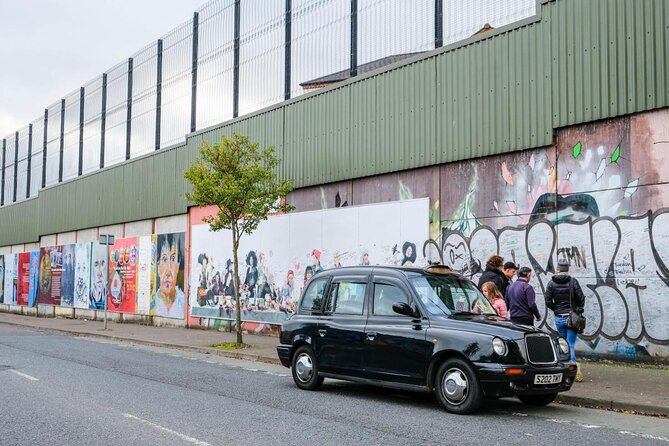
- Bobby Sands and the Peace Wall connect art to real political struggle and lasting separation
- Clonard Monastery ties the route to first secret talks between key figures in the peace process
Private Belfast Black Taxi in 2 Hours: Why This Tour Works
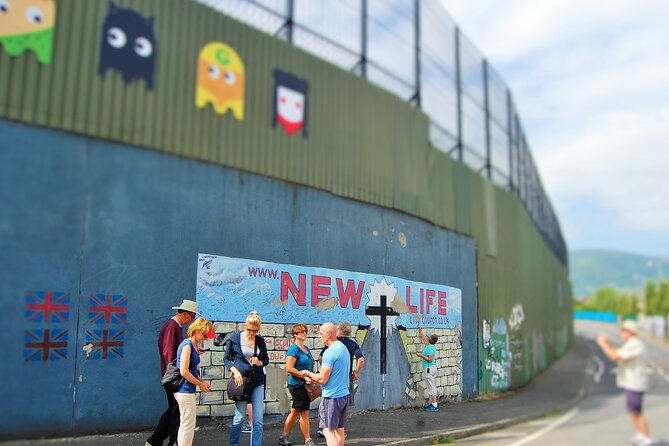
If you want Belfast with context, this Express-style black taxi tour is built for you. You get a tight route, a real guide, and a vehicle that keeps you moving without turning the day into logistics. In two hours, you’re not trying to learn everything about Belfast—you’re learning the parts that explain why the city still looks the way it does.
I like that the tour focuses on lived experience, not just dates. Your guide’s job is to connect what you see—murals, walls, and key buildings—to the politics and personal consequences behind them. The tone is described as somber and informative, but the route also carries a thread of hope and acceptance. It’s the kind of tour where you start noticing patterns: who had a voice, who had power, and how people chose to remember.
One practical upside: the tour is private. Only your group goes. That means questions don’t have to wait for a busier timetable, and the pace can match your comfort level. If you prefer to take in hard subject matter slowly, a private setup helps.
You can also read our reviews of more tours and experiences in Belfast.

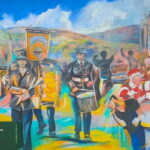
Hotel Pickup, Private Cab Transport, and the Real Cost Value Check
Let’s talk value, because $109.62 per person is not the cheapest thing on a travel day. What you’re paying for is the full package: a guide, transport by private vehicle Belfast cab, and hotel pickup and drop-off within a defined area near Belfast City Hall.
That pickup matters more than it sounds. It means you don’t waste energy hunting down a meeting point, especially in a city center where directions can feel less intuitive than they should. It also makes it easier to fit the tour around meals and sightseeing plans.
There is one cost consideration to plan for. The tour notes a cash surcharge if your pickup location is outside the 1 km free pick-up zone from Belfast City Hall, and cruise port guests have an additional surcharge each way (paid in British pounds to the guide on the day, per tour). If you’re staying close, you’ll likely avoid that added friction.
Also, several stops list admission tickets as not included. You may not pay much, but the key point is this: your headline price may not cover every last entry fee at each point. So for the best budgeting, I suggest you treat the $109.62 as the base and carry a little extra for anything the guide flags at the moment.
Stop 1 on the Route: Shankill Road Murals and Loyalist History
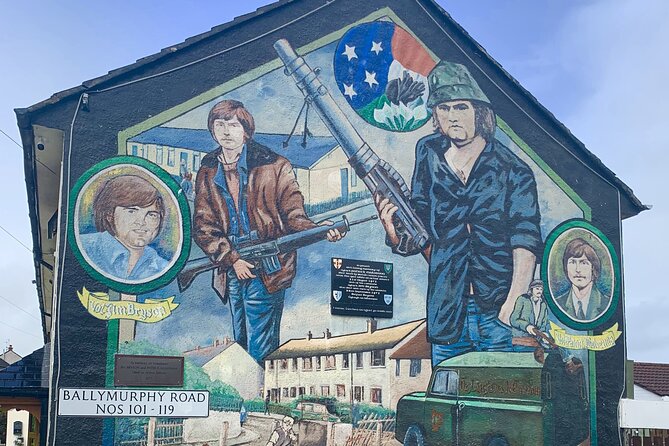
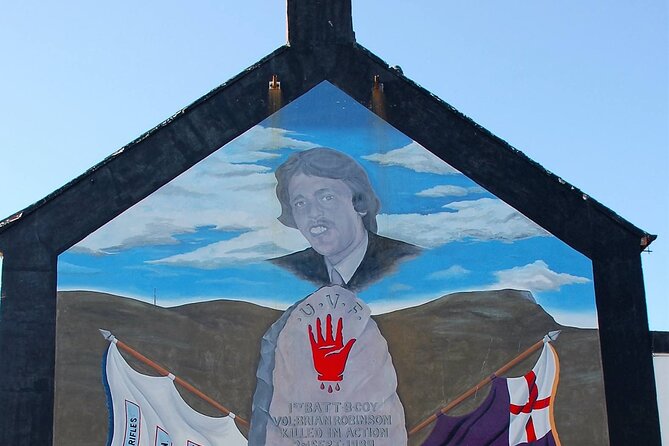
Stop 1 is Shankill Road, and it’s the kind of place where Belfast becomes instantly legible—even if you’ve only read a little about the Troubles. You spend about 30 minutes here, and the focus is the murals on the walls and the way local traditions like bonfires connect to community identity.
You’ll hear loyalist history that includes the birth place of the UDA and UVF. That matters because these aren’t abstract terms once you see the street-level artwork around you. Murals in Belfast often function like public memory: they signal allegiance, mark loss, and communicate identity without needing a museum label.
What I like about starting here is that it sets a baseline. Before you bounce to other neighborhoods and themes, you learn how one side of the conflict remembers itself. It also helps you understand why walls and street art are still used today—not just as past evidence, but as living statements.
The drawback is also simple: this is intense subject matter. If you’re looking for a light, feel-good “photo tour,” Shankill Road won’t be that. But if you want to understand why Belfast politics is visible on the street, it’s a strong first stop.
Stop 2 and the Role of Transportation: Belfast’s Community Drivers Story
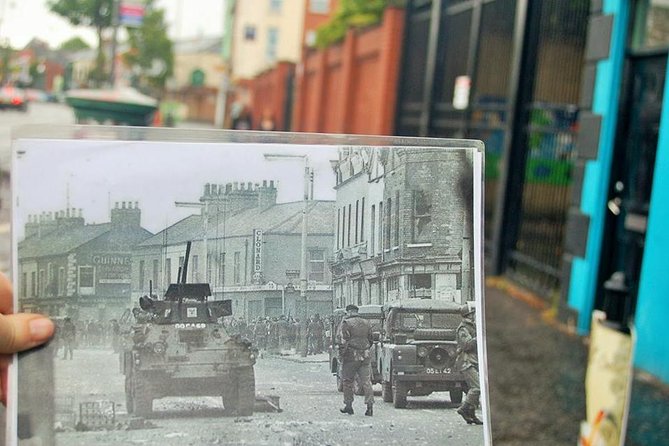
Next is Stop 2: Belfast. You’ll spend about 10 minutes here, and it’s presented as a story you won’t get from a quick guidebook read.
The tour centers on the original drivers who supplied their communities with a transport system when the government refused. It also includes a heavy detail: eight drivers lost their lives. That’s the kind of information that changes how you interpret everything you’ve seen so far. Transportation sounds mundane until you connect it to exclusion, risk, and survival.
You’ll also hear about 800 years of Irish and British history in this segment. Even in a short stop, the point isn’t to memorize a timeline. It’s to understand that Belfast’s conflict wasn’t born yesterday. The guide uses the local story to point back to larger historical forces that shaped identities.
The practical benefit here is timing. Ten minutes is enough to absorb the message without turning the tour into a lecture. If you’re someone who gets overwhelmed by long explanations, you’ll probably appreciate this pacing.
The only downside is that the stop is short, so you’ll want to ask questions if something doesn’t click. With a private tour, you can do that without slowing down a larger group.
Stop 3: Divis Street International Mural Wall and the World Messages in Belfast
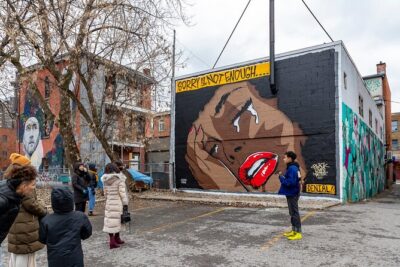
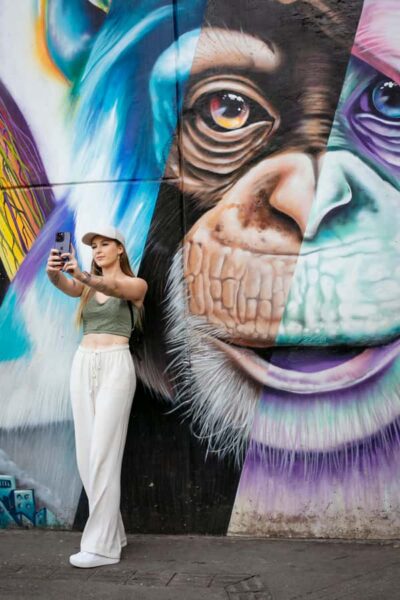
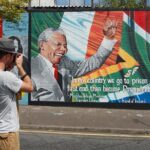
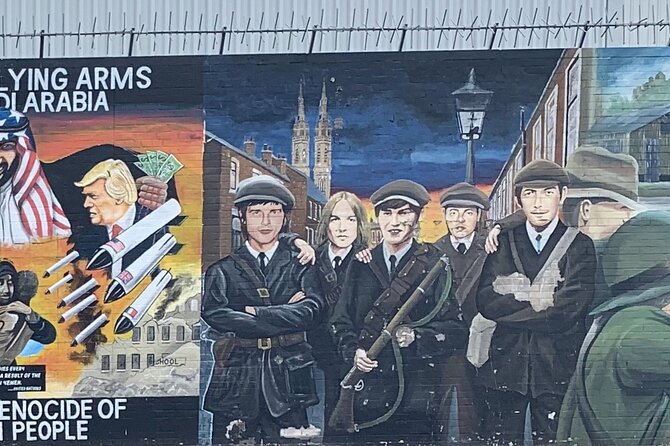
Stop 3 takes you to the International Mural Wall on Divis Street, and you’ll spend about 20 minutes here. This is one of the most striking “Belfast is connected to the world” moments on the route.
You’ll view Divis flats and an international mural wall with over 40 murals featuring places and communities such as Palestine, the Kurds, and Cubans. The tour framing also notes that republican communities would support these themes, which adds another layer: these aren’t random art choices. They’re political and moral statements.
I like this stop because it widens the conflict from local borders to international solidarity. It’s a reminder that Belfast wasn’t isolated during the Troubles. People looked outward, shared causes, and used walls to communicate values when other channels were limited.
Potential drawback: because this is street-based art, it can be visually powerful but also emotionally heavy. If you’re sensitive to political messaging, take your time. The guide’s context is what makes the murals more than just pictures on a wall.
Also, the tour lists admission tickets as not included for this stop. That doesn’t guarantee there’s an entry fee every time, but it’s a heads-up that you shouldn’t assume everything is fully covered.
Stop 4: Bobby Sands Mural and the IRA vs British Army Story on the Street
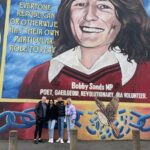
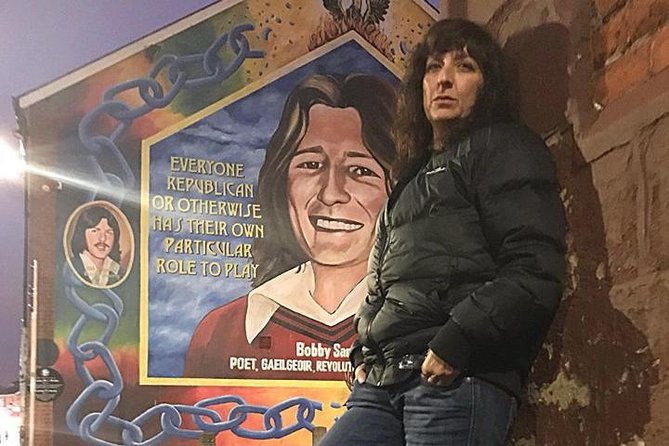
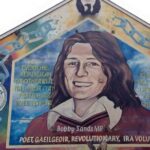
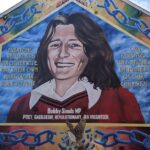
Stop 4 is the Bobby Sands mural. You’ll spend about 20 minutes, and this stop is built around the street-level power of remembrance.
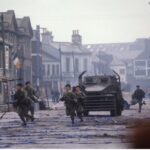
You’ll see master pieces associated with Bobby Sands and you’ll hear about the war between the IRA and British Army on the street, including the detail that this area is described as the birth place of the PIRA. Whether you already know the names or you’re starting from scratch, the guide’s explanations are what help the artwork make sense.
This stop stands out because it connects art to a specific person and a wider conflict. Murals like these can feel like they belong to history, but the message isn’t frozen. They reflect ongoing identity and ongoing interpretation of what happened.
The downside is that it can feel raw. Even if you’re an informed traveler, seeing this kind of public memory up close can hit differently than reading about it. That said, if you’re doing a black taxi tour, that emotional realism is part of the point.
Again, admission tickets are listed as not included. If there’s any access fee tied to a specific viewing point, it isn’t covered in the tour price.
Stop 5: The Peace Wall, Quotes, and What Separation Looks Like Today
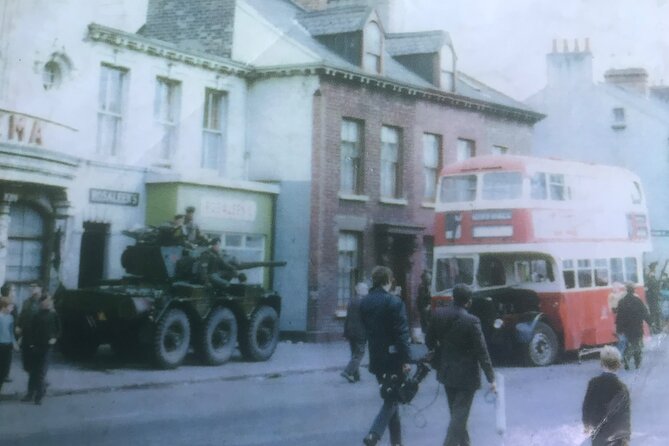
Stop 5 brings you to the Peace Wall area, where you’ll spend about 20 minutes. The tour explains that peace walls stretch through the city and divide republican and loyalist communities in Belfast.
This is where the tour becomes undeniably about the present as much as the past. Walls like these are physical reminders that the Troubles didn’t end with a switch flipped overnight. Even in 2 hours, this stop is a turning point: you go from learning how conflict formed identity to seeing how identity is protected and separated now.
One of the most memorable details is that you can write a quote beside names associated with peace efforts such as President Clinton, Lady Gaga, and Morgan Freeman. That’s a fascinating contrast: the Peace Wall is a divider, but the tour frames it as a message space for hope and peace.
Practical note: because this is an outdoor visual area, you’ll likely do a lot of viewing from the street. That’s convenient, but you may need to stand for a while, so wear comfortable shoes.
Admission tickets aren’t included for this stop either, so treat it as part of the “context by walking and looking” portion of the tour.
Stop 6: Clonard Monastery and the First Secret Talks That Started the Peace Process
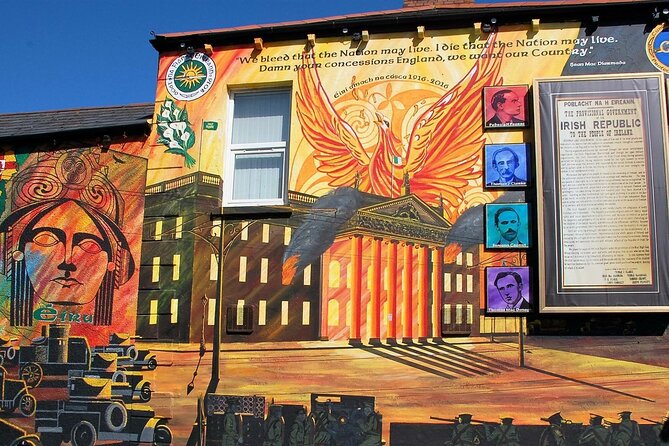
Stop 6 is Clonard Monastery, another 20-minute segment. This is a more architectural and symbolic change of pace compared with the murals and walls.
The tour describes it as the place where Gerry Adams and John Hume had their first secret talks to start the peace process. That detail matters because it shows a different side of political action—quiet negotiation rather than public confrontation. It’s also a reminder that peace processes rely on people working behind the scenes.
It also notes that the building is beautiful craftsmanship. I like this stop because it gives you something to reset your eyes and your mind. After street-level conflict memory, you get a physical space that feels designed for contemplation, not slogans.
One consideration: admission tickets aren’t included for this stop. If the monastery has any paid access or special viewing, you’ll likely have to cover it separately.
Scheduling Tips and Tour Tone: What the Private Guide Adds
A big reason this experience earns strong marks is the guide approach. The tour is described as personal history, somber, and informative, with guides able to speak from direct experience of the Troubles. That kind of guide doesn’t just explain what happened—they explain how it felt and how it affected everyday life.
You’ll also appreciate the flexibility around scheduling. The tour format is designed so you can pick a start time that fits your day, and your guide and company can work with your timing needs.
As for the structure, you get a clear set of stops, but not a rigid “no questions” script. With a private vehicle, you’re more likely to get answers that match what you actually care about—whether that’s the loyalist side, the republican side, or how both communities shaped the city’s visible memory.
The key is expectation-setting. This is not a general city tour. It’s a story-driven route through the parts of Belfast where politics is still written in public.
Price, Extras, and the Small Costs to Watch
Let’s do a quick reality check on what could cost you extra.
Included in the tour price:
- guide
- hotel pickup and drop-off within the 1 km free zone from Belfast City Hall
- transport by private vehicle Belfast cab
- a free pic (so you won’t have to rely only on your own camera)
- mobile ticket
- tour language is English
- private setup: only your group participates
Not included:
- drinks and food
- any admission tickets listed as not included on multiple stops
Extra cash surcharge considerations:
- if you’re outside the 1 km free pickup zone from Belfast City Hall, a cash surcharge is added on the day paid to the guide
- if you’re coming from the cruise port, there’s a £25 British pound surcharge each way per tour paid in cash to the guide on the day
How to budget like a pro:
Plan for the tour price as your main spend, and bring a little extra cash just in case the guide notes an admission fee or your pickup location triggers the surcharge. That’s the easiest way to avoid an awkward moment mid-ride.
Also, carry patience. Some stops are about looking closely at murals and walls. That’s not always a quick stop, even if the schedule shows a set time.
Who Should Book This Belfast Black Taxi Tour—and Who Might Want Another Option
This tour fits best if you want political context you can see with your own eyes. If Belfast history feels confusing, or if you want to understand why murals and peace walls are still central to daily life, this route is a strong match.
It’s also ideal for travelers who like guided storytelling and prefer private pacing. You get a guide who can explain not only what happened, but the lasting effects on mothers, children, and everyday routines. That human scale is a major part of why the experience is recommended so often.
You might want a different plan if you’re looking for a purely recreational Belfast day with light commentary. The subject matter is somber, and you’re visiting places that carry real political weight.
Practical suitability points based on the tour details:
- Children must be accompanied by an adult.
- Most travelers can participate.
- The tour runs in English.
- It’s near public transportation, but pickup is available if you’re in the free zone.
Should You Book the Award Winning Express 2 Hours Belfast Black Taxi Tour?
I’d book it if your goal is real understanding in a short time. You’re getting a private cab ride, hotel pickup near Belfast City Hall, and a structured route that connects murals, walls, and key buildings to the stories that shaped modern Belfast.
The strongest reasons to choose it are simple:
- The guide-driven, personal history angle makes the visuals meaningful rather than just striking.
- The route is designed for comprehension in two hours, not for checking off random stops.
- Pickup and private transport reduce friction, which is huge when you’re only in Belfast briefly.
The main reason to hesitate is also clear: some stops don’t include admission tickets, and the topic is heavy. If that feels like too much, or if you need a lighter tour style, skip it.
If you’re okay with a somber, honest perspective and you want to see why Belfast’s streets remember, this Express black taxi tour is a solid call.
FAQ
How long is the Award Winning Express Belfast black taxi tour?
It runs for about 2 hours.
What’s the price per person?
The price is listed as $109.62 per person.
Do you get hotel pickup and drop-off?
Yes. Hotel pickup and drop-off are included for locations within a 1 km radius from Belfast City Hall.
Is the tour private?
Yes. It’s a private tour/activity, so only your group participates.
Are admission tickets included at each stop?
No. Several stops list Admission Ticket Not Included. Stop 2 notes an admission ticket is free.
What if I’m arriving from a cruise port?
The cruise port isn’t in Belfast city centre, so there is a £25 British pound surcharge each way per tour, paid in cash to the guide on the day.
What is the cancellation policy?
You can cancel for a full refund up to 24 hours before the experience’s start time. Free cancellation is allowed, and any changes within 24 hours aren’t accepted.