REVIEW · BELFAST
Belfast Famous Black Taxi Tour Political Murals & Peace Wall 2 Hr
Book on Viator →Bookable on Viator
A taxi tour of Belfast politics hits different.
This 2-hour Belfast conflict and mural tour uses a classic black taxi route to show you how murals and memorials grew from conflict into messages of hope. Two things I especially like are the lots of short stops built for photos and the way your driver ties each wall and street name to what happened on the ground.
You’ll also get to the Peace Wall, where you can literally write a message for peace, plus see how it fits into a wider network of barriers across the city. The main drawback to plan for is the subject matter: it’s serious, and the driver may steer the tone toward listening and respect, not casual conversation.
In This Review
- Key highlights worth building your plan around
- Why Belfast’s black taxi route feels more real
- Price and what you really get in 2 hours
- Pickup details: where your tour starts in Belfast
- Divis Flats, the Falls Road murals, and the International Wall
- Peace Wall stop: messages of hope and how barriers multiply
- Clonard Monastery and the quieter power of architecture
- Clonard Martyrs Memorial Garden: names, dates, and the 1969 turning point
- Bobby Sands mural, Falls Road identity, and learning beyond slogans
- Saint Peter’s Cathedral and a song written on site
- Shankill Road: loyalism, the UVF/UFF origin story, and what you’ll notice
- Shankill Graveyard murals and the photo moment you should plan for
- How the driver’s tone shapes the whole experience
- Who this tour suits best
- Should you book this Belfast black taxi mural tour?
- FAQ
- How long is the Belfast Famous Black Taxi Tour Political Murals & Peace Wall?
- What’s included in the tour price?
- Where does pickup happen in Belfast?
- What language is the tour offered in?
- Is this a private tour?
- Can I cancel for a full refund?
Key highlights worth building your plan around
- Black taxi pacing: you cover major neighborhoods without feeling rushed like on a big bus
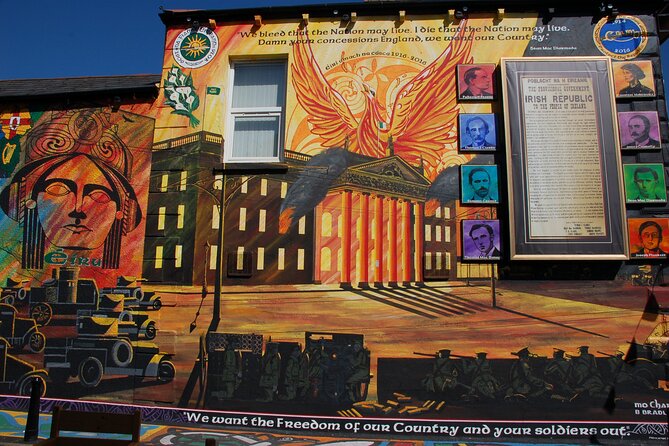
- Murals-focused stops: plenty of time for photos at the International Wall area and the Shankill side
- Peace Wall participation: write your name and a message of hope while learning how the barrier system works
- Clonard’s architecture and memorial details: you get specific names, dates, and locations, not vague storytelling
- A balanced route: Falls Road and Shankill Road views side by side, with the same level of attention
Why Belfast’s black taxi route feels more real
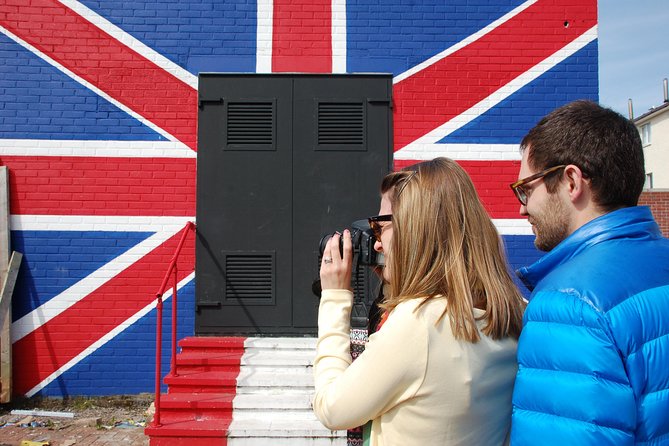
This tour is built around the classic black taxi experience, which changes the feel of Belfast fast. Instead of watching from behind glass, you sit closer to your driver, hear stories as you pass key blocks, and then step out at a few tight, high-impact places.
That matters here because the visuals are doing real work. In Belfast, street art and memorial sites are not just decoration. They’re part of community memory: statements of identity, grief, pride, and, in some places, a push toward peace. A taxi route also helps you catch the “neighborhood” side of the city, not just the headline sights.
You’ll also notice how the tour stays photo-friendly. The schedule is packed with stops, but most are short enough that you can get your bearings quickly and then move on while the light is still good for pictures.
You can also read our reviews of more tours and experiences in Belfast.

Price and what you really get in 2 hours
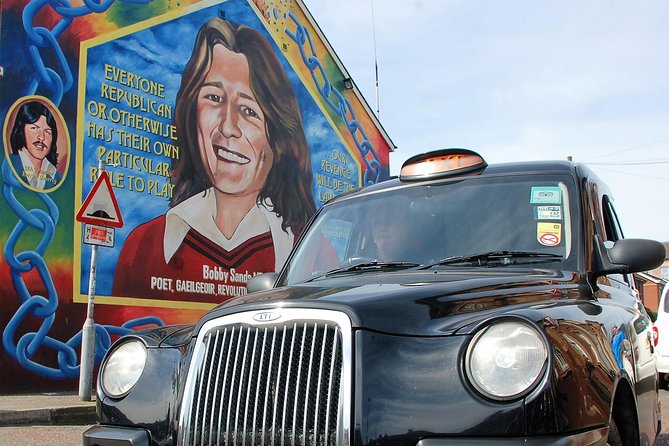
The price is $116.69 per person for about two hours, and that sounds steep until you look at what’s included. You’re paying for private transportation in a black taxi setup, multiple neighborhood stops, and a driver who provides first-hand-style context as you go.
Also, several of the stops note admission ticket free, which means you’re mainly paying for the ride plus the guided interpretation, not separate entry fees. The overall value depends on how well the pickup fits your schedule. There’s a free city-center pickup within 1 km of Belfast City Hall, and it’s offered in English.
One more cost consideration: if you need pickup tied to train, airport, or cruise/cruise port, there’s a pickup surcharge due in cash on the day. The exact amount isn’t stated in the details you provided, so plan to carry cash just in case your location triggers that surcharge.
Pickup details: where your tour starts in Belfast
The meeting point setup is straightforward if you’re staying near the center. You can get a pickup option within 1 km of Belfast City Hall, and you’ll also want to plan around the fact that direct cruise ship port pickup isn’t offered.
For cruise passengers, there’s a workaround: use the free shuttle bus from Visit Belfast that drops you at Belfast City Hall, which then lines up with the taxi pickup area.
If you’re coming from an airport or train station, you may still be able to arrange pickup, but the details you shared specify that those pickups involve a cash-only surcharge paid on the day. If you’re budget-minded, it’s worth checking how close your hotel is to City Hall before you assume pickup will be included in the same way.
Divis Flats, the Falls Road murals, and the International Wall
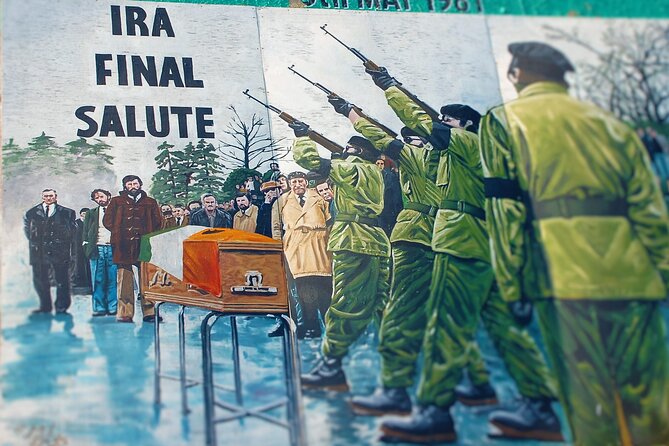
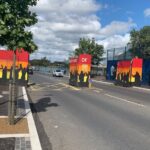
The tour’s first big emotional and visual stop is Divis on the Falls Road side. You’ll learn about the Divis Flats area and how it related to British Army occupation, including the period noted as 2007 when top floors were occupied. Even if you don’t know the local geography, Divis is one of those places where the neighborhood layout and the mural walls help you understand why this conflict became part of everyday life.
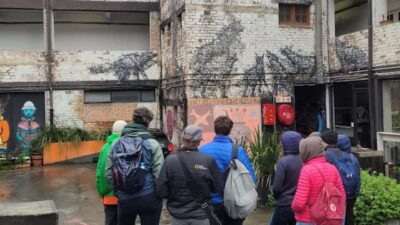
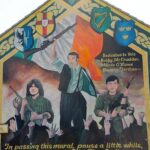
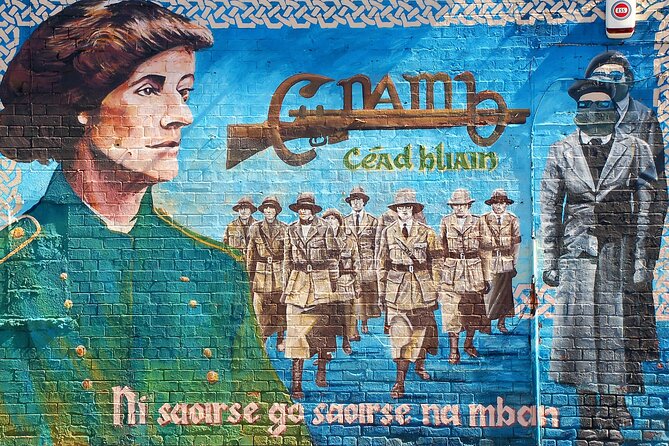
Then you shift into mural territory at the International Wall / Divis Street area. This is where Belfast’s street art works like a language. The murals commemorate, cate, and display culture and history, and the themes tend to reflect what matters to each community.
One helpful detail for photo planning: the schedule gives you ample photo opportunities at this start segment. So if you’re trying to capture more than one mural, start here while you still have energy and time before the route continues.
Peace Wall stop: messages of hope and how barriers multiply
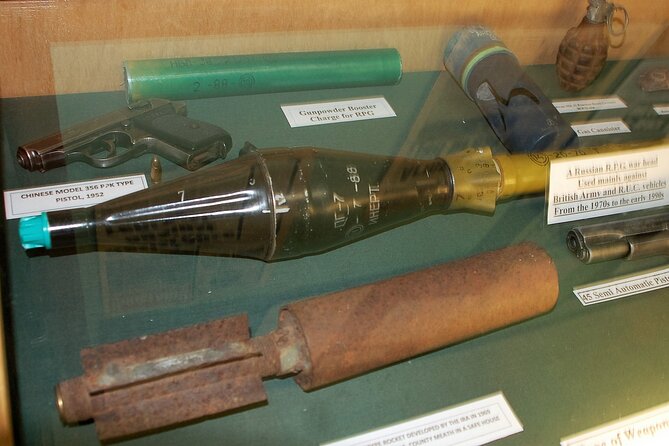
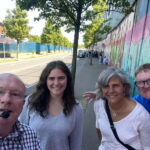
The Peace Wall stop is short but meaningful. You’ll get a tour and history on the wall that still divides Belfast today, and you can write your name and a message of hope.
Two specifics add weight here. First, notable signatories mentioned include Bill Clinton and the Dalai Lama. Second, you learn that there are over 40 peacewalls around the city, described as stretching about 20 miles like a chessboard. That “many barriers, many small boundaries” idea helps you understand why a single wall can symbolize a whole system.
If you’re looking for the hope portion of the tour, this is where it becomes real. It’s not hope as a slogan. It’s hope as a message people physically add to a barrier that still exists.
Clonard Monastery and the quieter power of architecture
Moving from the mural intensity, you’ll see Clonard Monastery, positioned on the Falls Road. The key detail here is the building story: it’s noted for architecture built by local craftmen and Italians.
That might sound like a side note compared with conflict history, but it actually helps your brain reset. Belfast isn’t only murals and memorials. It’s also faith architecture, craftsmanship, and the local labor that shaped the city long before the Troubles became the headline.
The stop is brief, so treat it like a “look and learn” moment. Focus on the exterior and the setting, then keep moving while your guide’s context is still fresh.
Clonard Martyrs Memorial Garden: names, dates, and the 1969 turning point
Next comes Clonard Martyrs Memorial Garden, where you’ll get history tied to the start of a major shift in 1969.
This stop is detailed in a way most tours never manage. You’ll see the memorial’s specifics, including the address: Bombay Street, Clonard, plus who the site commemorates. The information you’re given includes:
- Fallen volunteers of C Company, 2nd Battalion, Belfast Brigade, Oglaigh na hEireann
- Civilian casualties from the Greater Clonard area
- Deceased republican prisoners from the Greater Clonard area from 1916 to 1970
- Commissioned by the Greater Clonard Ex-Prisoners’ Association
- Unveiled 20 August 2000, with additional plaques unveiled 11 March 2001
- An annual commemorative march held around 11 March
If you’re the type who likes understanding the human facts behind a place, this is one of the most valuable stops. The names and date ranges make the conflict feel less like a timeline on a screen and more like a chain of lives tied to specific streets.
Bobby Sands mural, Falls Road identity, and learning beyond slogans
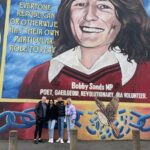
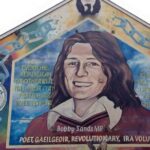
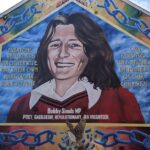
On the Falls Road side again, the tour highlights the Bobby Sands Mural. The message here is bigger than one person. The details you’re given place Falls Road as the birthplace of the Provisional Irish Republican Army and a heart of Republicanism, with your guide connecting that to Irish history reaching back about 900 years.
That long view matters because it keeps the story from becoming a simple “recent event” label. You get context for why certain symbols, murals, and memory practices keep showing up on these streets.
Also expect a calm but firm tone: this is where the tour’s respectful listening mode becomes important, especially if you’re the chatty type.
Saint Peter’s Cathedral and a song written on site
You’ll also stop at Saint Peter’s Cathedral, noted for outstanding craftsmanship built in the 1800s. The other reason this stop lands is a cultural one: it’s connected to where a famous Republican song was written by a Catholic priest.
Even if you don’t know the song ahead of time, this is a smart moment to see how religion, music, and identity overlap in Belfast. In a place where murals can carry messages for years, the arts do the same job—sometimes quietly, sometimes publicly.
Shankill Road: loyalism, the UVF/UFF origin story, and what you’ll notice
The route shifts to the Shankill Road, described as the heart of loyalism. Here, the tour focuses on British historical connections and the protest community’s fight against Republicanism.
Two landmark details are highlighted:
- Shankill Road dates over 500 years
- It’s described as the birthplace of UVF and UFF
As you’re walking and photographing, notice that the symbolism and tone on this side can feel different. The murals and painted works you’ll see later aren’t repeating the same message. They’re communicating a different identity story, one that also lives with long memory.
Your driver’s narration is the bridge. Without it, it can read like “two sides, two murals.” With it, you start to see why people on each side interpret the conflict through their own experiences and symbols.
Shankill Graveyard murals and the photo moment you should plan for
Along the Shankill Road, you’ll reach the Shankill Graveyard stop. This is the part where you can take photos of works of art painted by locals, described as showing support for the crown.
Because this stop is time-limited, it helps to have your camera ready and your priorities set. Decide quickly what you want: wide shots for context, or tighter images that catch the painted details.
This is also a good moment for a behavior reset. When you’re photographing memorial-adjacent art, keep it respectful, and avoid getting in the way of anyone who treats the site as part of community life.
How the driver’s tone shapes the whole experience
One theme from the feedback you shared is that the driver is courteous and informative, but also cautious about what you say. That can feel a little tense at first—especially if you’re used to casual tourism chatter.
In practical terms, here’s the best way to handle it: let your driver lead the conversation topics. Ask questions if the moment fits, but keep the tone respectful and serious. You’ll get more out of it that way, and it makes the stories easier to absorb.
Also, expect the route to be sobering. Even when the tour includes hope, you’re still looking at places built out of real grief and long-standing division. If you get uncomfortable with heavy subjects, this won’t magically turn light.
Who this tour suits best
This black taxi conflict and mural tour is ideal for you if:
- You’re seeing Belfast for the first time and want the “street level” version of the Troubles
- You want a route that includes both Falls Road and Shankill Road themes
- You like photo opportunities that also come with context
- You prefer a private group experience rather than standing with a crowd
It’s less ideal if you want a purely upbeat city tour with minimal political content. This tour is designed for understanding, and understanding includes the hard parts.
Should you book this Belfast black taxi mural tour?
If you’re curious about Belfast beyond the headlines, I think this is a smart booking. The combination of mural stops, a Peace Wall participation moment, and memorial sites with real dates and names gives you more than scenic photos. You’ll walk away with a clearer map of how the conflict shaped everyday space and still shapes it today.
Just go in with the right expectations: it’s serious, and you may need to follow your driver’s lead on tone. Plan for a couple hours of reflection, not a party outing.
FAQ
How long is the Belfast Famous Black Taxi Tour Political Murals & Peace Wall?
The tour is listed as about 2 hours.
What’s included in the tour price?
The price includes the black taxi experience, a mobile ticket, and pickup offered in the Belfast area (with some surcharges for airport/train/cruise situations noted separately). Several stops list admission as free.
Where does pickup happen in Belfast?
There is free city-center pickup within a 1 km radius of Belfast City Hall. You can also request pickup anywhere within that 1 km radius. For cruise passengers, direct cruise port pickup is not offered, but you can use a free shuttle to Belfast City Hall.
What language is the tour offered in?
The tour is offered in English.
Is this a private tour?
Yes. It’s described as a private tour/activity, with only your group participating.
Can I cancel for a full refund?
Free cancellation is offered. To get a full refund, you must cancel at least 24 hours in advance of the experience’s start time. If you cancel less than 24 hours before, the amount you paid won’t be refunded.