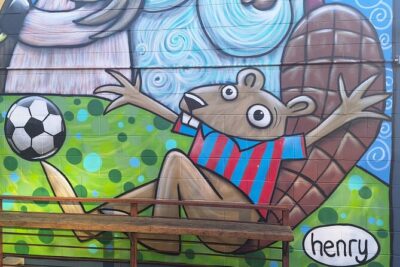
REVIEW · BORDEAUX
Bordeaux: Street Art Guided Tour
Book on GetYourGuide →Operated by My Urban Experience · Bookable on GetYourGuide
Street art in Bordeaux has a history lesson. I love how this walk turns Chartrons into a classroom without killing the fun, and I really like the way the guide points out real artists and real wall stories through the area’s former wine world. One possible drawback: there’s at least one reported case where the guide didn’t arrive and no message was sent, so I’d plan to keep the meeting details handy.
You start at the Tram B stop Les Chartrons and follow the route from the Garonne riverside quays into the neighborhood, moving toward the antique dealers around Rue Notre Dame. In about 1.5 hours, you’ll see street art by names like Clet, A-MO, Mr Poulet, and Alber while the guide adds local context and quick anecdotes along the way. This is family friendly, French-language only, and it’s wheelchair accessible.
In This Review
- Key points
- Chartrons: the street-art quarter with a port-and-wine backstory
- Meeting at Tram B: Les Chartrons and starting where the story begins
- The Garonne quays to Chartrons streets: why the route matters
- The wall artists you’ll spot: Clet, A-MO, Mr Poulet, Alber
- Chartrons as a former wine-trading quarter: history that doesn’t feel heavy
- A fun, family friendly French tour that stays approachable
- Timing and pace: what 1.5 hours actually buys you
- Price and value: why $18 can feel like a bargain
- Logistics that matter: where to go and how to avoid the bad scenario
- Who should book this street art walk in Bordeaux
- Should you book Bordeaux: Street Art Guided Tour?
- FAQ
- Where is the meeting point?
- How long is the tour?
- What language is the guide?
- Is the tour family friendly?
- What can I expect to see?
- Is the tour wheelchair accessible?
- What should I bring?
- Is there free cancellation?
- Can I reserve without paying right away?
Key points
- 1.5-hour walking tour focused on Chartrons so you get a quick, high-impact feel for the neighborhood
- From the Garonne quays to Rue Notre Dame links river-port geography to today’s street art
- Artists you can name on the spot like Clet, A-MO, Mr Poulet, and Alber
- History told through walls: Chartrons grew as a wealthy 17th-century wine-trading quarter
- French guide and family friendly pace makes it approachable even if you’re not a hardcore art person
Chartrons: the street-art quarter with a port-and-wine backstory
If you think street art is only about attitude, this tour nudges you toward something better: street art as local conversation. Chartrons wasn’t always the cool, mellow neighborhood you’ll see today. It developed north of Bordeaux’s center from the 17th century, starting as a distinct area that gradually became wealthier as it grew tied to the port and wine trade.
That’s why the walls feel like they have something to say. When a neighborhood is connected to commerce, movement, and lots of different visitors, it attracts the kind of creative energy that likes to claim public space. The tour leans into that idea by treating the street art as a mirror of the area’s shifts over time—less museum lecture, more walking narrative.
I also like the way this tour doesn’t act like you need art jargon to enjoy it. You’re not being asked to decode everything like a puzzle. You’re learning what you’re looking at, who the artists are, and why the imagery landed there.
Meeting at Tram B: Les Chartrons and starting where the story begins
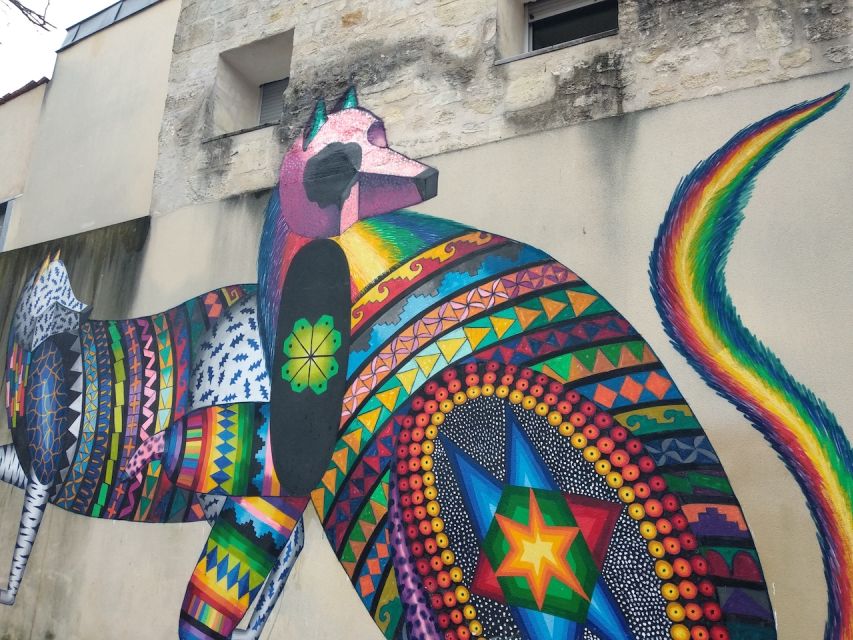
Your practical starting point is Tram B, stop Les Chartrons. That matters because Bordeaux is easier when you’re not guessing your way around. Once you’re on foot, you stay in a walkable zone that connects key parts of the neighborhood’s identity: the river side and the streets that lead you deeper into Chartrons.
Timing is built around an easy walking rhythm. It’s listed as 1.5 hours, which is short enough to stay lively, but long enough for a guide to point out multiple pieces and connect them to the neighborhood story. If you like tours that don’t drag, this duration is a sweet spot.
Also, bring comfortable shoes and a camera. You’ll be looking up, stopping for explanations, and taking photos as the art changes from façade to façade.
The Garonne quays to Chartrons streets: why the route matters
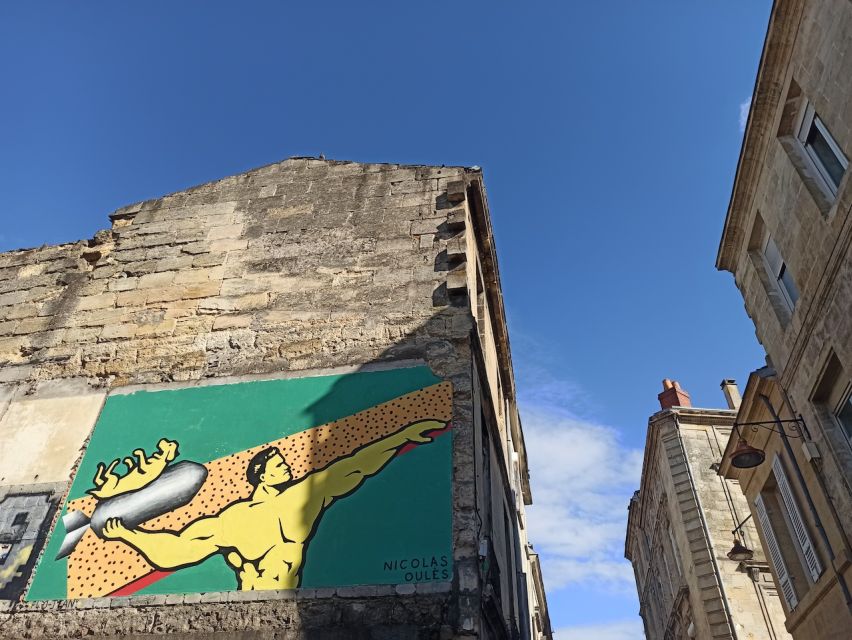
The tour’s route isn’t random. It starts by linking the river and the neighborhood—Garonne quays first—then moves inland toward the heart of Chartrons.
That sequence does something smart. It gives you the geography behind the culture. The Garonne isn’t just a pretty backdrop. It’s part of the port-and-wine logic that shaped Bordeaux’s trading life. From there, the guide takes you toward streets where the old wine storehouses and the later neighborhood evolution created the kind of surfaces that street artists love.
As you walk, you pass through layers: quays and their movement, then wine storehouses in the background of today’s streets, then the more shop-and-street character around Rue Notre Dame. The point is to feel how the neighborhood grew from function into character, and then into a canvas.
Even if you’re not into art theory, it’s a nice way to get oriented in Bordeaux. You finish with the feeling that you understand the neighborhood’s logic, not just its photos.
The wall artists you’ll spot: Clet, A-MO, Mr Poulet, Alber
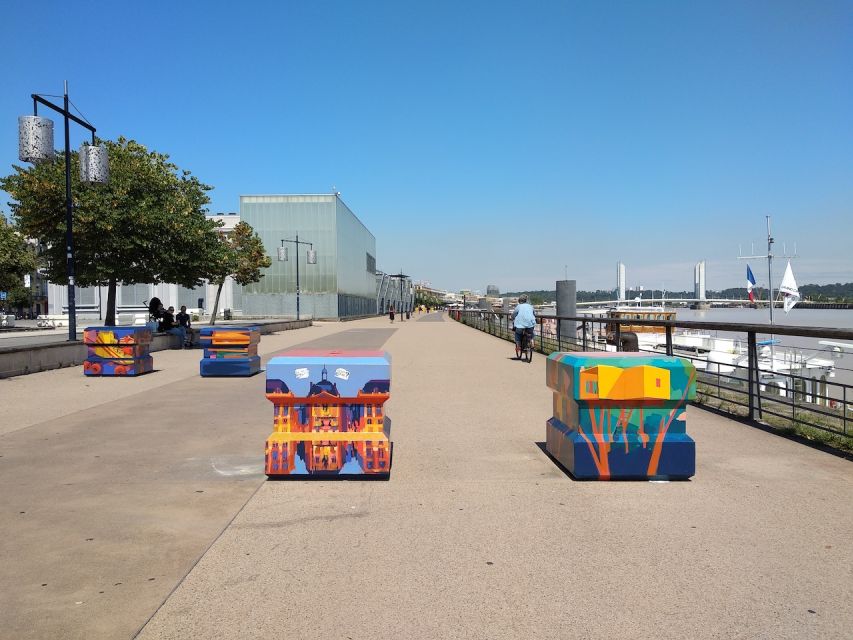
This tour is especially satisfying if you enjoy seeing names you can connect to specific pieces. The art list isn’t vague. You’re told about street artists such as Clet, A-MO, Mr Poulet, and Alber as part of the walk.
Why that’s useful: it turns street art from random wallpaper into a set of personalities and styles. Even if you don’t know these artists already, you can start mapping what you see to a name, then remember the neighborhood by the artwork you photographed.
The guide also adds context and anecdotes, which matters for two reasons. First, it helps you read the art with less confusion. Second, it helps you see why certain works show up where they do—how an artist chooses a surface, how a neighborhood becomes a gallery, and how time affects what you notice.
Chartrons as a former wine-trading quarter: history that doesn’t feel heavy
The tour’s “history” is meant to be light but meaningful. Chartrons began expanding north of the city center from the 17th century. Over time it became a wealthy area linked to wine trading and the port quays. That blend—money, trade routes, incoming visitors, and built surfaces tied to storage—creates conditions where street art can thrive later.
The guide ties this backdrop to what you see today. The neighborhood’s charm and variety are part of why street artists from all over were able to claim walls. In other words, the art isn’t treated like random decoration. It’s treated like a response to place.
One of the best things I take from the enthusiastic reviews is that the guide doesn’t just recite facts. They connect the neighborhood’s past to the street art in a way that feels like a story you can walk through. That makes a big difference if you’ve ever been stuck on a tour where the guide speaks and everyone else goes quiet.
A fun, family friendly French tour that stays approachable
This tour is in French, and it’s family friendly. That combination is a real plus for the right group. If you’re traveling with kids, you usually want a pace that doesn’t feel like a lecture. Here, the focus is on seeing, walking, and learning through the neighborhood’s visual culture.
What if your French is only basic? You can still get a lot. The tour is built around visible art, visible streets, and visible context. Even without perfect comprehension, the guide’s explanations and the artwork itself do most of the work.
From the reviews, the tone that comes through is passion paired with friendliness. You’re not getting a cold “read this plaque” experience. You’re getting someone who wants to share the story of street art and Bordeaux in a way that keeps energy up.
Timing and pace: what 1.5 hours actually buys you
One reason walking tours can disappoint is when they’re too short for meaningful context or too long for attention. At 1.5 hours, you’re in a workable zone: enough time for the guide to show multiple pieces and weave them into the neighborhood story, without making you feel like you’ve been on a street tour marathon.
You also don’t need to plan your entire day around it. Pick a time when you’re awake, comfortable walking, and ready to look around. If you’ve already done the main sights elsewhere in Bordeaux, this is a good second act. It gives you a different perspective on the city—more human-scale and less grand-building.
And yes, the tour can run in rain. A rainy-day walk through street art can be better than you’d expect because the surfaces and colors can look sharper. Just keep it practical: you’re on your feet the whole time.
Price and value: why $18 can feel like a bargain
At $18 per person for a guided, 1.5-hour walk, the value depends on what you want. If you’re chasing big-ticket attractions, this isn’t that kind of experience. But if you want a guided look at neighborhood art and local context, it’s hard to beat.
Here’s what you’re really paying for:
- A guide who can explain what you’re seeing (artists plus context)
- A structured route through Chartrons, so you don’t wander randomly
- Neighborhood history tied to what’s in front of you, not separated from it
At this price, it’s an easy “yes” if you care about street art as part of real city life. If you’re only interested in taking photos and you don’t want explanations, you might decide the money would be better spent elsewhere. But if you like a guided narrative, $18 is a pretty friendly number.
Logistics that matter: where to go and how to avoid the bad scenario
The meeting point is Tram B stop Les Chartrons. That’s clear, which helps. Still, one reported problem is worth taking seriously: there’s at least one case where the guide didn’t show up and the group waited in heat without being informed.
That doesn’t mean you should panic. It means you should be smart. Plan to arrive early, and keep your booking confirmation accessible so you can quickly check any day-of updates. If you’re traveling with limited time, treat the start time as real and don’t plan to stroll in at the last second.
If something feels off, you’ll want a way to contact the tour team fast. Having the meeting details handy makes the difference between a mild annoyance and a full-blown mess.
Who should book this street art walk in Bordeaux
You’ll probably love it if:
- You want a neighborhood tour with a story, not just a photo hunt
- You like street art and want it explained by a local guide
- You’re staying in Bordeaux long enough to explore beyond the postcard sights
- You’re traveling with family and want a friendly, French-speaking experience
You might skip it if:
- You don’t want a French-only guide
- You hate walking with frequent stops for explanations
- You’re the type who only enjoys art in controlled settings like museums (this is outdoors and moving)
Accessibility is listed as wheelchair accessible, so it can work for mobility needs, too. Just remember it’s a walking tour, so weather and street conditions will still matter.
Should you book Bordeaux: Street Art Guided Tour?
Yes, I’d book it if your goal is to understand Chartrons through what’s painted on it. The combination of route (Garonne quays to Rue Notre Dame), the named artists (Clet, A-MO, Mr Poulet, Alber), and the local history around wine trading makes it feel like more than a quick art stroll.
The one caution is the rare no-show report. If you’re the kind of traveler who likes calm mornings and firm plans, arrive early and keep your confirmation handy. Do that, and the odds are good you’ll walk away with photos you understand and a Bordeaux neighborhood that feels more real.
FAQ
Where is the meeting point?
You meet at the Tram B stop Les Chartrons.
How long is the tour?
The tour lasts about 1.5 hours.
What language is the guide?
The tour is guided in French.
Is the tour family friendly?
Yes, it’s described as family friendly.
What can I expect to see?
You’ll walk through the Chartrons area and see street art, with the guide explaining artists including Clet, A-MO, Mr Poulet, and Alber, while sharing history and anecdotes.
Is the tour wheelchair accessible?
Yes, it’s listed as wheelchair accessible.
What should I bring?
Bring comfortable shoes and a camera.
Is there free cancellation?
Yes. You can cancel up to 24 hours in advance for a full refund.
Can I reserve without paying right away?
Yes. It offers a reserve and pay later option, so you can book your spot and pay nothing today.