REVIEW · LONDON
ADVANCED GRAFFITI STREET ART TOUR / SHOREDITCH / EAST LONDON
Book on GetYourGuide →Operated by Jam Graffiti Tours · Bookable on GetYourGuide
Street art here has a backstory. On this Advanced Graffiti Street Art Tour in Shoreditch and East London, you walk the real streets and learn how to read what you’re seeing, not just admire it. Expect at least 3 Banksy stops (up to 4 depending on access), plus plenty beyond the headline names.
Two things I really like: the way this tour pairs art with context, and the focus on learning the codes, slang, and references behind graffiti styles. You’ll also get James leading the walk with solid structure and time to ask questions, which keeps the experience from turning into a fast photo sprint.
One consideration: this is an outdoor walking experience and it’s not suitable for wheelchair users. Also, if you’re planning to photograph a street artist at work, you’ll need to stay discreet and only shoot with express permission.
In This Review
- Key highlights you’ll feel on the walk
- Shoreditch walls aren’t random. They’re a language.
- What makes it Advanced: reading pieces like a local
- Shoreditch + Brick Lane: the route that turns corners into clues
- Banksy stops in East London: why the “famous pieces” are never just famous
- Ben Eine: the link between graffiti and street art styles
- Team Robbo vs Banksy: a feud you can actually explain
- Photo opportunities, plus etiquette when artists are working
- Small group pacing: why you won’t feel rushed
- Price and value: $22 for a guided eye-training session
- Who should book (and who should rethink it)
- Should you book this Advanced Graffiti Street Art Tour?
- FAQ
- How long is the advanced graffiti street art tour?
- Where does the tour take place?
- How many Banksy artworks can I expect to see?
- What group size is this tour?
- Is photography allowed?
- Is the tour suitable for wheelchair users?
- Who runs the tour and what language is used?
Key highlights you’ll feel on the walk
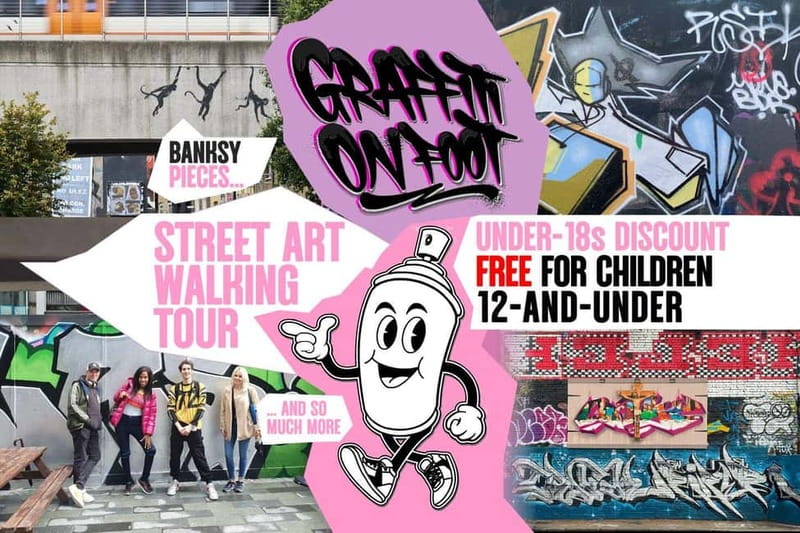
- Small group size (max 15) keeps the pace friendly and questions flowing
- Banksy artworks: 3+ in East London (up to 4 pending access) with history and controversy
- Grafitti codes and slang so you can decode styles, hierarchies, and references
- Team Robbo vs Banksy explained as more than drama
- Ben Eine in the mix, showing how graffiti and street art overlap
- Lots of photo opportunities across Shoreditch and Brick Lane, without making it a selfie hunt
Shoreditch walls aren’t random. They’re a language.
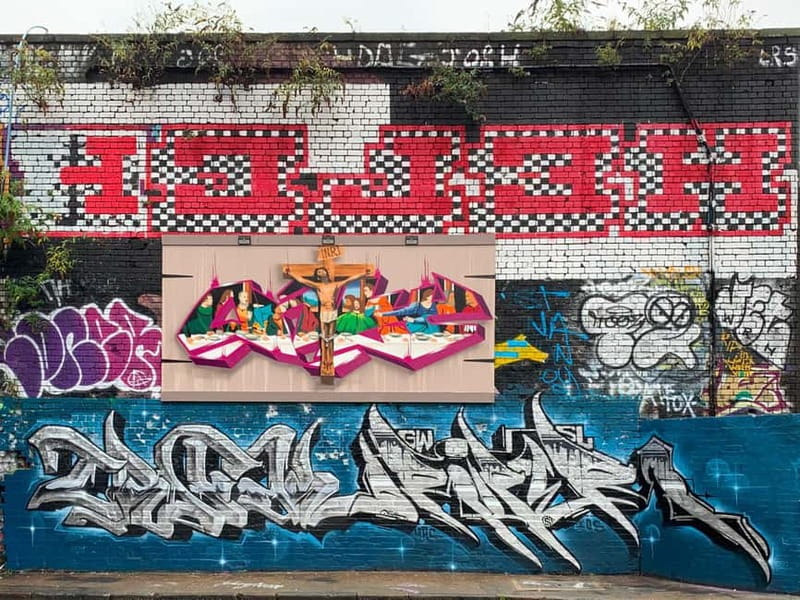
East London’s street art scene is easy to enjoy at a glance. But once you understand the rules, it becomes more fun and more meaningful. This tour is built for that moment when a wall stops being background and starts acting like a message you can read.
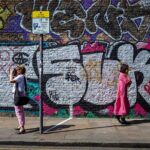
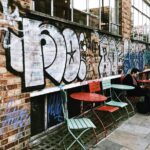
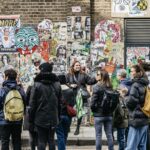
You’ll walk through Shoreditch and Brick Lane, where you’ll see a mix of well-known names and lesser-seen work by lots of different writers. The big shift is that you don’t just look for famous signatures. You learn what to notice: style cues, references, and the social world behind the piece.
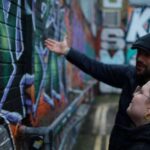
James also keeps the tone practical. You’re not stuck in art-speak. You get history, yes, but it’s tied to politics, class, and the reality of how cities change—especially through gentrification and social media.
You can also read our reviews of more tours and experiences in London.
What makes it Advanced: reading pieces like a local
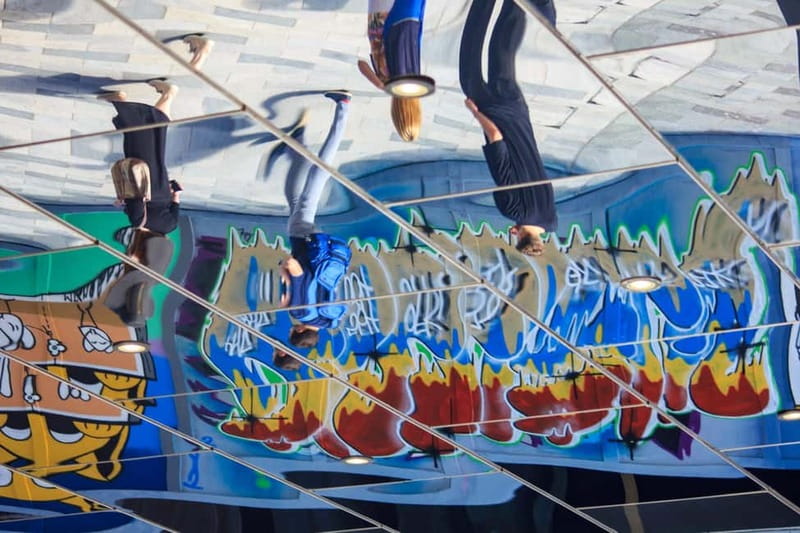
Plenty of street art tours point at art and say “this is Banksy.” This one aims higher. You’ll get an in-depth analysis of graffiti and street art styles, plus the codes that connect writers to each other.
That matters because graffiti is not one style. It’s a set of systems. On this walk, you’ll learn how writers communicate through format, lettering choices, placement, and recurring references. You’ll also hear about codes, hierarchies, and rivalries—so when you see something that looks like it’s responding to another piece, you know what you’re looking at.
You’ll come away with a better habit, too: when you pass a wall later, you’ll start asking better questions. Not just Who made it? but What is it referencing? and Why does this style matter here?
Shoreditch + Brick Lane: the route that turns corners into clues
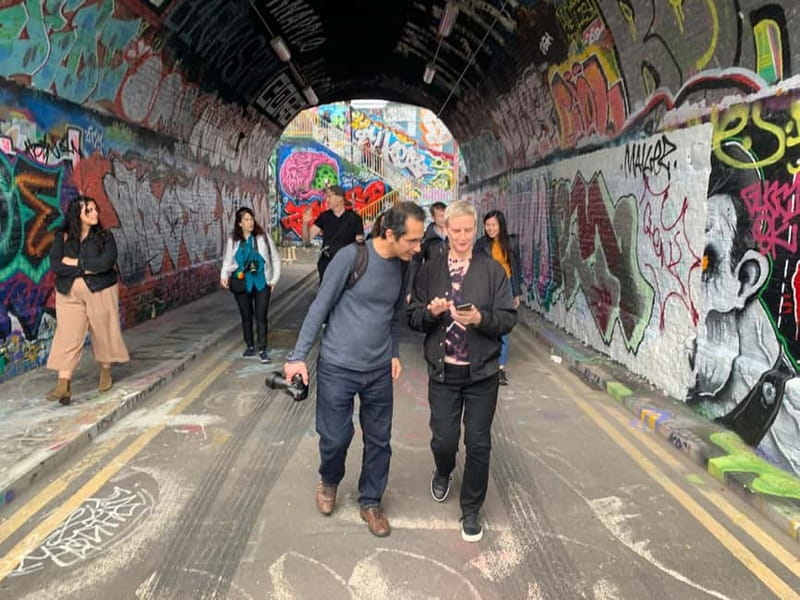
The tour focuses on the streets that made modern UK street art loud. You’ll cover Shoreditch, including Brick Lane, and move through areas that are packed with surfaces that artists use as a canvas.
I like how the route is designed for discovery. You don’t just march along one main road. You’ll have a sense of how the scene sits in neighborhoods—where work appears in public view, how it’s discussed, and how the city’s changes affect what’s possible.
And because the group stays small (max 15), you don’t lose the plot while everyone shuffles for the next photo. That small size also helps when you want details. You can ask why a piece is placed there, what a style is signaling, or how graffiti culture evolved in the UK.
One extra plus: you might come across graffiti writers at work. In that case, the tour guides you on how to behave so you don’t accidentally turn a live moment into a disruption.
Banksy stops in East London: why the “famous pieces” are never just famous
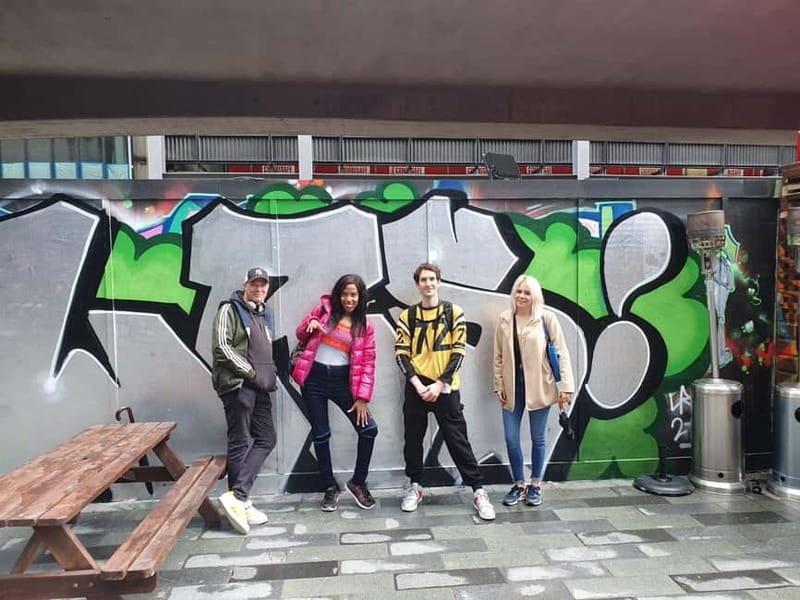
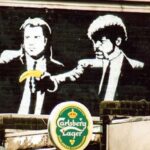
Banksy is the headline, but the tour treats Banksy like a starting point, not the finish line. You’ll see at least three Banksy artworks in East London, with the chance of up to four depending on access.
What you gain is the back-and-forth between artwork and context:
- inspiration and influences
- the history that shaped the style
- and the controversies that come with an internationally famous street artist
That mix is valuable because Banksy can feel like a brand online. On the street, the meaning shifts. You’ll learn how the work connects to local culture, why it lands differently in the UK scene, and why debate keeps following it.
There’s also practical value. You’ll be better at spotting details later, because you’ll know what to look for beyond the obvious stencil image. The tour helps you train your eye: composition, references, and the mood created by how the piece fits the surrounding neighborhood.
Ben Eine: the link between graffiti and street art styles
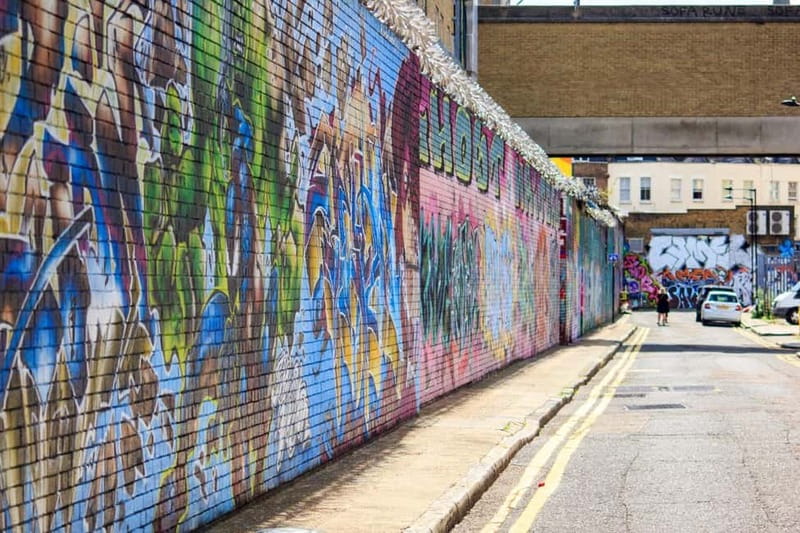
This tour doesn’t stop at stencil art. You’ll also cover Ben Eine, a writer who has mastered both graffiti and street art. That’s a useful inclusion because it shows you how the categories blur.
You’ll learn why style and technique matter. You’ll also see how the lettering approach can carry meaning—how color, form, and repeated visual habits build recognition over time. Even if you’re new to street art, this portion helps you understand that graffiti isn’t just about names on walls. It’s about visual language.
Ben Eine also makes the tour feel more “London” and less like a worldwide street art checklist. You get a clearer sense of the UK scene as its own ecosystem, shaped by the city’s specific politics and street culture.





Team Robbo vs Banksy: a feud you can actually explain
There’s one story the tour treats with real attention: the infamous Team Robbo vs Banksy conflict. The value here isn’t gossip. It’s understanding what rivalries mean in graffiti culture.
In practical terms, you’ll learn why conflicts like this become part of the artwork’s meaning. Writers aren’t operating in a vacuum. They’re responding to scenes, to reputations, and to the way public attention changes what artists can do.
When you know that background, you start seeing more layers in the walls. You can recognize when a piece is reacting to a larger debate or when it’s part of an ongoing conversation between different styles and groups.
If you’ve ever wondered why street art fans argue online like it’s sports, this is where the “why” clicks.
Photo opportunities, plus etiquette when artists are working
Yes, you can take photos. Photography is allowed and encouraged. The key is how you do it.
The tour notes that if you see artists at work, you should stay discreet and avoid photographing them without express permission. It’s a simple rule, but it matters. It keeps the relationship respectful and keeps the scene from feeling like a drive-by spectacle.
For your photos, the tour’s structure also helps. You’ll stop at spots where the art fits the street context, so your photos don’t look like disconnected thumbnails. You’ll get frames that show the piece and the surrounding textures that make it feel part of East London.
Small group pacing: why you won’t feel rushed
The tour runs about 2.5 hours, and the group size caps at 15. That combination is what makes the experience feel “advanced” without being exhausting.
You’re not competing for attention. You can ask questions and still get answers that connect back to what you’re seeing. That’s a big difference from tours where the guide talks at you for 90 minutes and then hands out free time.
I also appreciate that the pace supports different levels. If you’re brand-new, the tour brings you up to speed on origins and how graffiti evolved in the UK. If you’re already a fan, you get deeper analysis of artistic styles and references.
Price and value: $22 for a guided eye-training session
At $22 per person for a 2.5-hour walking tour, the value comes from what you’re buying. You’re not paying just for the right neighborhood or for a couple of famous walls.
You’re paying for:
- Banksy pieces (3+ up to 4 depending on access) in a concentrated area
- specialist-style interpretation (codes, hierarchy, references)
- and a guide who can answer questions about graffiti culture and style details
When you add in the small group size, that price starts to look fair. For a city like London, the cost is low compared to the time you’d spend trying to figure this out on your own—and the walls are changing, while the tour gives you a stable framework to understand what you’re seeing.
Who should book (and who should rethink it)
This tour is a great fit if you:
- want more than a famous-artist scavenger hunt
- like the idea of learning how to read graffiti codes and visual references
- want to see Shoreditch and Brick Lane with an informed lens
- enjoy photography and want stops that actually work for pictures
It can also work well for families, including teens, because the structure and storytelling keep things moving. And you’ll come away with a way to notice more in any city, not only London.
Two people should rethink it:
- If you need wheelchair access, it isn’t suitable.
- If you only want quick photo spots with minimal explanation, this is likely more theory and analysis than you want.
Should you book this Advanced Graffiti Street Art Tour?
If you’re the kind of traveler who likes to understand what you’re looking at, I’d book it. You’ll get Banksy in context, plus the broader graffiti world: codes, slang, rivalries, and style reading. Even at $22, it’s a smart value because the guide helps you train your eye fast.
If you’re mainly after a simple stroll for photos, you might find the “advanced” focus a bit heavier than you expected. But if you want the street art to make sense—politics, gentrification, social media, and all—this is exactly the sort of walk that changes how you see the city.
FAQ
How long is the advanced graffiti street art tour?
The tour lasts 2.5 hours.
Where does the tour take place?
It covers Shoreditch and Brick Lane in East London.
How many Banksy artworks can I expect to see?
The tour includes at least three Banksy artworks, with the possibility of up to four depending on access.
What group size is this tour?
The group is kept small, with a maximum of 15 people.
Is photography allowed?
Yes. Photography is allowed and encouraged. If you see artists working, you should be discreet and do not photograph them without express permission.
Is the tour suitable for wheelchair users?
No. It is not suitable for wheelchair users.
Who runs the tour and what language is used?
The experience provider is Jam Graffiti Tours, and the live guide speaks English.