REVIEW · LONDON
London Street Art Tour of the East End Exclusive Walking Tour
Book on Viator →Operated by Babylon Tours London · Bookable on Viator
East London street art has a story. This tour mixes murals with neighborhood history, from gangster days to today’s fashion and design scene. You’ll also see work tied to names like Banksy and Shepard Fairey, with time built in for photos.
I especially like the relaxed pace. The guide gives context as you walk, so you’re not just spotting graffiti-you’re understanding why these spots matter, and how Shoreditch and Brick Lane changed. If you get a guide like Becky L. (praised for making the history click), you’ll finish feeling like you get the East End, not just the headlines.
One possible drawback: you’ll cover several areas on foot, and the route includes narrow lanes and passageways. If you’re not used to walking for a solid stretch, plan for comfortable shoes and a moderate pace.
In This Review
- Key things I’d plan around before you go
- Street Art With East End Backstory: What You’re Really Paying For
- Where You Meet and How the 2.5-Hour Walk Flows
- East End Origins: Kray-Era Lore, Cockney Rhyming Slang, and Major Mural Names
- Petticoat Lane Market: A 400-Year-Old Market With a Modern Shopping Mix
- Artillery Passage and Old Spitalfields Market: Narrow Lanes to Victorian Halls
- Whitechapel and Jack the Ripper: How the Tour Turns Dark History Into Context
- Brick Lane to Shoreditch High Street: Murals, Markets, and Modern-Day Contrasts
- Guide Style and Why It Matters More Than You Think
- Practical Tips: Shoes, Weather, and What to Bring
- Should You Book This London Street Art Tour of the East End?
- FAQ
- How long is the London Street Art Tour of the East End?
- Where does the tour start and end?
- Is there an admission fee for the places you stop at?
- What time does the tour run?
- Does the tour run in bad weather?
- Can you visit the attractions from inside?
Key things I’d plan around before you go
- Private-guide feel (with the option that keeps it fully yours): you get a guide’s attention for the whole walk.
- Street art plus real context: you’ll connect murals to shifting neighborhoods, slang, and local lore.
- A market-and-alleys route: Petticoat Lane, Artillery Passage, and Old Spitalfields Market add variety beyond wall-to-wall art.
- History that sets the mood: Kray-era references and Jack the Ripper locations are part of the walk.
- Rain or shine: the tour runs in all weather, so bring what you need for London conditions.
- Photograph-friendly stops: you’ll get built-in moments to take pictures of recognizable street art styles and artists.
Street Art With East End Backstory: What You’re Really Paying For
This isn’t a “look at art” stroll. It’s a guided walk where the street art is the hook, but the guide is what turns it into something you can track. You start with a cultural overview of the East End, then layer in neighborhood change across Shoreditch, Brick Lane, and Spitalfields.
At $62.54 per person for about 2 hours 30 minutes, the value is tied to two things: you’re paying for interpretation and pacing, and most of what you’ll see is outside (so you’re not burning money on paid attractions). The stops are described as free-admission on the tour’s side, and the real cost is the guide time and planning.
The tour is also framed as a way to step off the usual tourist track. If you’ve already done the big London hits and want something that feels more local, this format makes sense. The street art is the visible part, but the East End history is the thread.
You can also read our reviews of more tours and experiences in London.



Where You Meet and How the 2.5-Hour Walk Flows
You’ll start in central East London and finish at Shoreditch High Street station. Meeting point details provided here point to the Kindertransport statue at Liverpool Street Station, and the tour runs at either 10am or 2pm.
One small thing to double-check in your confirmation: some descriptions list a meeting near the Goat Statue on Brushfield Street. Since you’ll get a confirmation at booking time, use that for the exact meetup spot and time.
Expect a walk that stays outdoors through changing districts. Some stops are short (around 10 minutes), so your best move is to stay present. If you drift into photo mode without listening at least for a minute or two, you can miss the context that makes the art land.
East End Origins: Kray-Era Lore, Cockney Rhyming Slang, and Major Mural Names
The heart of the tour begins with East London as a living story. You’ll start with a cultural overview, then head toward Shoreditch High Street, picking up tales of the East End’s past glory and its rougher years, including references to the Kray gangsters.
From there, the walk focuses on the neighborhoods that are now known for art and fashion but were once working-class areas. Shoreditch and Brick Lane are the main anchors, and you’ll hear about the transformation from old rhythms to the hipster-forward identity people associate with the area today.
The tour also brings in street-level language. You’ll learn about the origins of Cockney rhyming slang, which is a fun match for a district full of character and coded references. Then there’s the darker London side: chilling tales of Jack the Ripper are worked into the walk as you move through the Whitechapel area later.
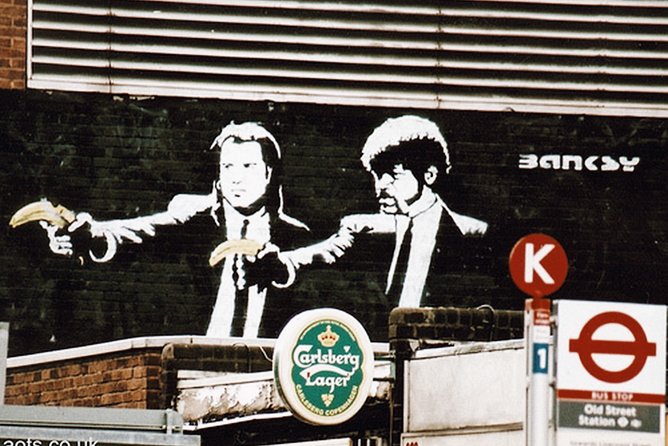
On the street art side, you’re not just told to look. You’ll be guided to iconic styles tied to major names like Banksy and Shepard Fairey, and you’ll have chances to photograph what you see. The best part of this approach is that you’ll stop noticing art as random and start noticing it as communication.
Practical note: some attractions may not allow inside visits due to security measures, so plan for mostly exterior looking and listening.
Petticoat Lane Market: A 400-Year-Old Market With a Modern Shopping Mix
Petticoat Lane Market adds a needed change of pace. Even if street art is your main goal, markets help you feel the area as a working neighborhood instead of a theme park.
You’ll learn that the market traces back over 400 years, originally linked to French Huguenots selling petticoats and lace. Today, it’s known for clothing for men, women, and children. That shift is part of the East End story too: layers of history changing shape while the streets keep their momentum.
Because this stop is short, don’t expect a slow browse where you try on everything. Go with a goal. If you want souvenirs, look for something small and wearable. If you want photos, catch street scenes and stall signage quickly, then move on so you don’t miss the next sections.
Artillery Passage and Old Spitalfields Market: Narrow Lanes to Victorian Halls
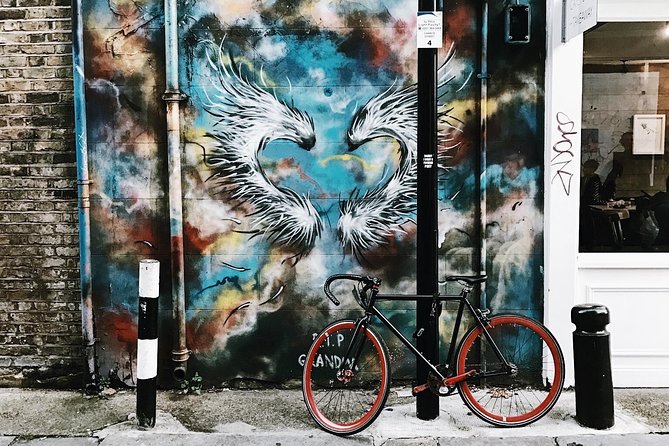
Artillery Passage is the “step back in time” moment. You get a glimpse of 17th-century London through narrow lanes, passages, and courtyards inside a conservation area. You’re surrounded by modern streets, but this is where the bones of the old city show up.
Then you’ll head to Old Spitalfields Market, a Victorian market hall from the 1800s. It was refurbished in the early 2000s and is now a shopping, eating, and drinking area with boutique fashion, design, lifestyle stores, and restaurants. In other words, it’s not just an old building preserved for looks—it’s functioning in today’s East End.
This pairing works well because it gives you two different “London time” experiences. Artillery Passage gives you a quiet sense of the older street layout. Old Spitalfields gives you the same era in a more structured, indoor-feeling form. Even if you don’t plan to shop, you’ll still benefit from understanding what made this part of London a trade and goods hub.






Whitechapel and Jack the Ripper: How the Tour Turns Dark History Into Context
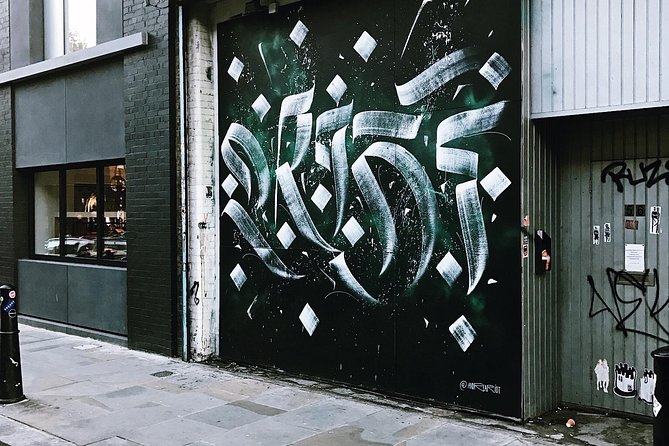
Whitechapel is built into the route for a reason. The walk points you to the area associated with the Whitechapel Murders of Jack the Ripper in the late 1880s. It’s handled as story context, not just name-dropping.
Here’s why this matters for your street art interests: dark history is part of East London’s identity, and it influences how people talk about places. When the guide places the murals in that wider setting, you get a sense of why certain neighborhoods become symbols in the public imagination.
If you prefer a tour with atmosphere and story, this is one of the most memorable sections. If you’d rather avoid heavy crime-related tales, you can still enjoy the art and architecture, but do know this part of the route explicitly references the Ripper era.
Brick Lane to Shoreditch High Street: Murals, Markets, and Modern-Day Contrasts
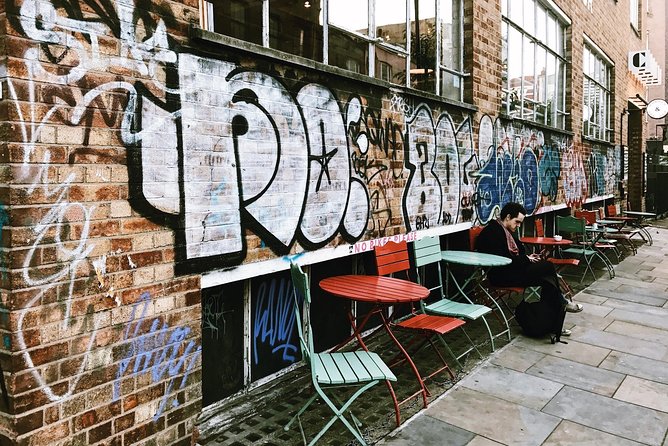
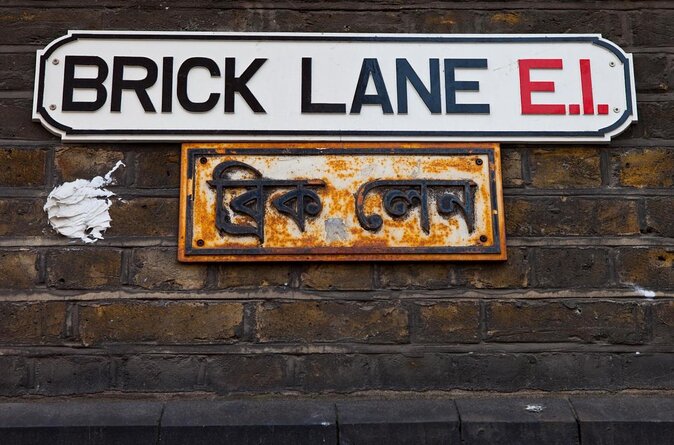
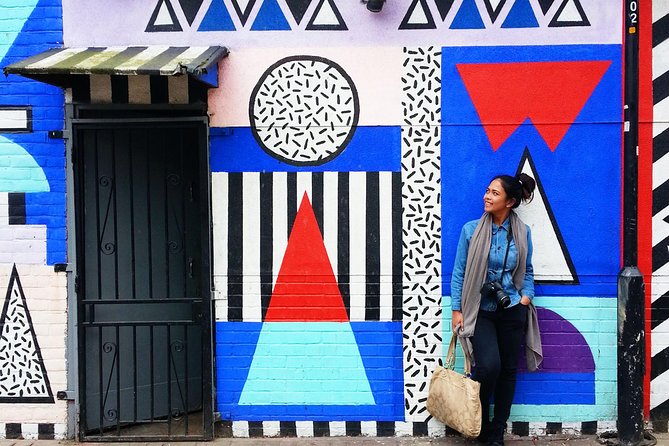
Brick Lane is one of the big payoff areas. It runs from Bethnal Green through Spitalfields all the way to Whitechapel, and it’s described as a street known for breweries and markets, while also housing an artistic community. The walking focus here is street art: you’ll be able to see the impressive artwork around you as you move along.
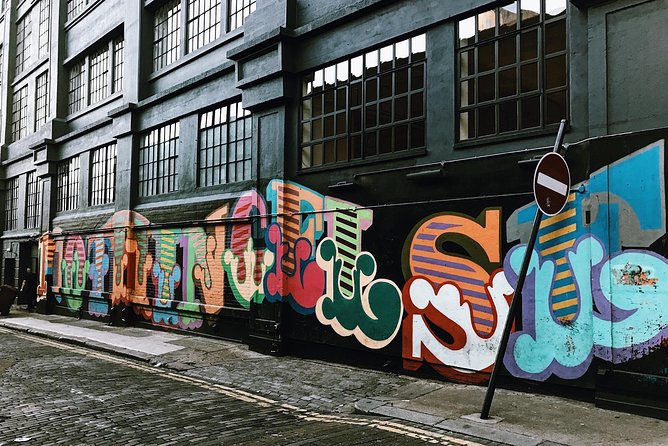
This is where the tour does a smart thing. You don’t treat street art like a separate activity. You treat it like a piece of everyday life in an evolving neighborhood. That makes it easier to notice how styles change with the streets you pass.
Then you finish by walking along Shoreditch High Street, described as the old main street of Shoreditch. It’s also positioned as a base for trendy bars and authentic restaurants, with plenty of atmosphere. Since the tour ends at Shoreditch High Street station, it’s a convenient landing spot for your next move—dinner, a drink, or simply continuing to explore on your own with your newfound neighborhood map in your head.
Guide Style and Why It Matters More Than You Think
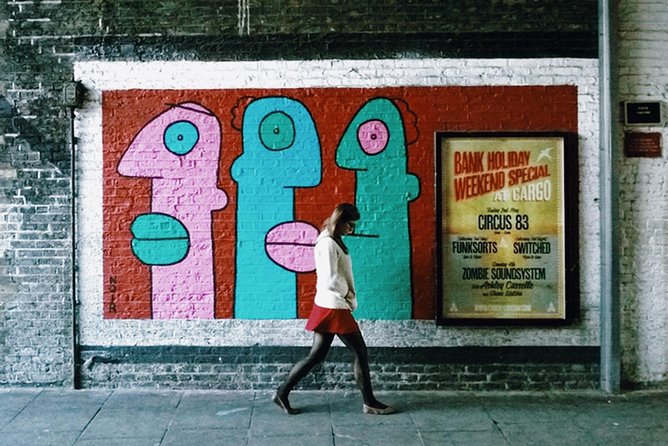
This tour is private, meaning you’re not sharing the guide voice with a dozen strangers. Your guide is there to shape what you notice and how quickly you connect it. That matters on a street art tour because the difference between “cool art” and “I get it” is usually explanation and timing.
The information you’re given appears to be a highlight. Guides like Becky L. are praised for making neighborhood history interesting, and Ivo is credited with entertaining, info-packed storytelling. Even if you don’t get those exact guides, the pattern is the same: you’re meant to leave with context that feels usable, not just facts recited at you.
The other thing I like is the pacing. The tour is described as relaxed, with a feel-and-explore approach. That means you’re not constantly being rushed from one photo spot to the next. You can slow down when you care and keep moving when you’re ready.
Practical Tips: Shoes, Weather, and What to Bring
This is a walking tour with a moderate physical fitness level requirement. The best support you can bring is simple: comfortable shoes and a water bottle.
It runs rain or shine, so pack for London weather. If rain is in the forecast, bring an umbrella. In summer, a hat helps. Also, you’ll want to travel light because no large bags or suitcases are allowed on the tour.
If you’re planning to take lots of photos, keep your phone ready during the street art stops. And remember: you’ll get the most out of the stops if you listen for the quick context first, then take photos.
Also check your mobile ticket details at booking. You’re asked to provide a mobile phone number (including country code), so have that info ready.
Should You Book This London Street Art Tour of the East End?
Book it if you want East London beyond postcard sightseeing. This tour is built for people who like street art but also care about why neighborhoods change, how slang and local legends fit into place, and what major artists’ styles look like in context.
Skip it if you hate walking and prefer everything to be inside and close together. Also, if heavy crime-related stories like the Jack the Ripper references are a hard no for you, you might want to choose a different type of street art tour.
Overall, the strongest “yes” is this: you’ll spend about 2.5 hours with a guide who connects art to East End identity, with markets and old lanes added so the walk stays interesting from start to finish.
FAQ
How long is the London Street Art Tour of the East End?
The tour lasts about 2 hours 30 minutes.
Where does the tour start and end?
It starts near the Kindertransport statue at Liverpool Street Station (Liverpool St, London EC2M 7NH) and ends at Shoreditch High Street station.
Is there an admission fee for the places you stop at?
Admission tickets for the listed stops are described as free on the tour’s side, and the included experience is the guided walking tour.
What time does the tour run?
The tour is offered at 10am or 2pm.
Does the tour run in bad weather?
Yes. The tour runs rain or shine, so dress appropriately for the conditions.
Can you visit the attractions from inside?
Some sites may not be visitable from the inside due to security measures, so expect the experience to focus mainly on what you can see while walking.