REVIEW · TBILISI
Tbilisi: Street Art and Graffiti Guided Walking Tour
Book on GetYourGuide →Operated by TbilisInSight · Bookable on GetYourGuide
Street art is the fastest shortcut to Tbilisi’s vibe. In just 3 hours, you’ll follow a guided route through neighborhoods where graffiti and murals reveal how people here think, dream, and argue. I especially like the focus on lesser-known walls instead of the usual postcard stuff. You also get a guide who can connect what you see to everyday city life, not just spray cans and paint.
Two more things make this tour work well: you’ll move with hotel pickup and transport, so you spend less time figuring out logistics, and you’ll get an interactive, conversation-friendly experience with guides like Giorgi, George, and Sara (depending on your group). One consideration: this is still a walking tour in real weather, and large bags or luggage aren’t allowed, so pack light and wear proper shoes.
In This Review
- Key points before you go
- Why Tbilisi street art feels personal
- Price and what’s actually included (so you can judge value)
- Duration, group size, and guide languages that fit your plans
- Meeting up: hotel pickup, transport, and the 5-minute reality
- The opening walk on the alternative side
- Translating the murals: local artists, international influence, and Niko P
- District contrasts: from gritty expressions to newer university areas
- How public transport helps you see more in less time
- What to bring: shoes, weather gear, and light packing
- What kind of traveler should book this tour
- Should you book the Tbilisi Street Art and Graffiti tour?
- FAQ
- How long is the Tbilisi street art and graffiti guided walking tour?
- What does it cost?
- What languages are the guides?
- Is hotel pickup included?
- Is food or drinks included?
- Are luggage or large bags allowed?
Key points before you go
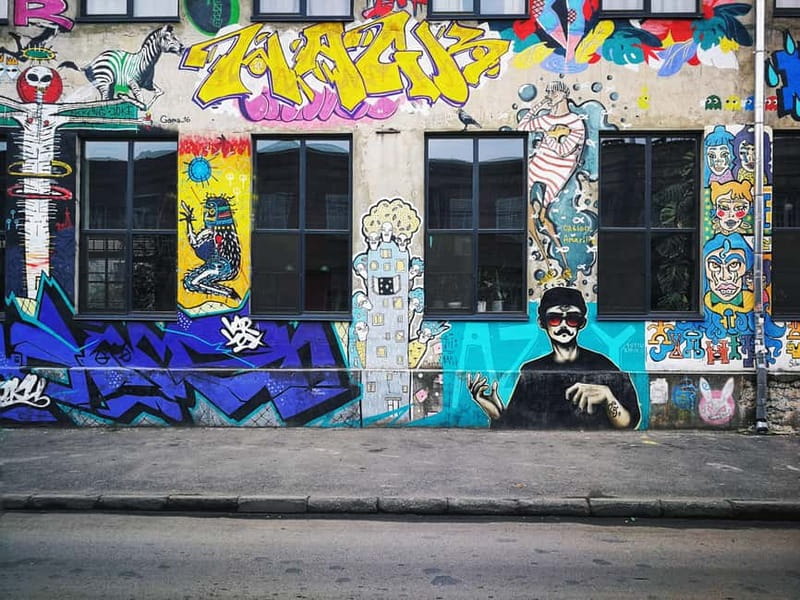
- Local guide stories, not just captions: you’ll hear the meanings behind murals, plus context about Tbilisi life
- Hidden street art spots: the route targets the walls that usually stay off most people’s radar
- Meet established artists up close (through the guide’s network): George, for example, brings extra insight through personal artist connections
- District contrasts in one loop: gritty alternative areas versus newer university zones
- Public transport used smartly: it helps you cover ground without turning the day into leg day
- Clear, practical value for $24: guide, transport, and pickup/drop-off are built in
Why Tbilisi street art feels personal
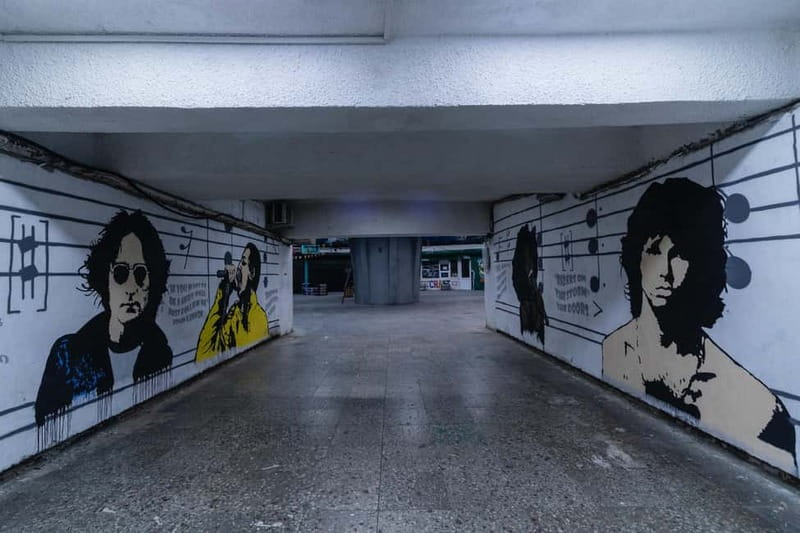
Tbilisi’s street art doesn’t feel like decoration. It feels like a conversation written on brick. You’ll see pieces that reflect different eras and attitudes—some raw and edgy, others polished and carefully planned. The tour is built around that idea: you don’t just look at murals, you learn how Tbilisi reads them.
There’s also a broader global thread. Street art started spreading worldwide when the Americans helped popularize the form, and Berlin helped refine it into an art-world language. Tbilisi is clearly in that conversation too—artists here remix styles, but the messages stay local. The best moments on this kind of tour are when the guide points out details most people would miss: a symbol, a recurring character, a style choice that hints at what the artist wanted to say.
And because you’re walking through multiple districts, you get more than “cool art photos.” You get a sense of how different parts of the city live side by side—what feels experimental nearby, and what feels newly built and institutional somewhere else.
You can also read our reviews of more tours and experiences in Tbilisi.


Price and what’s actually included (so you can judge value)
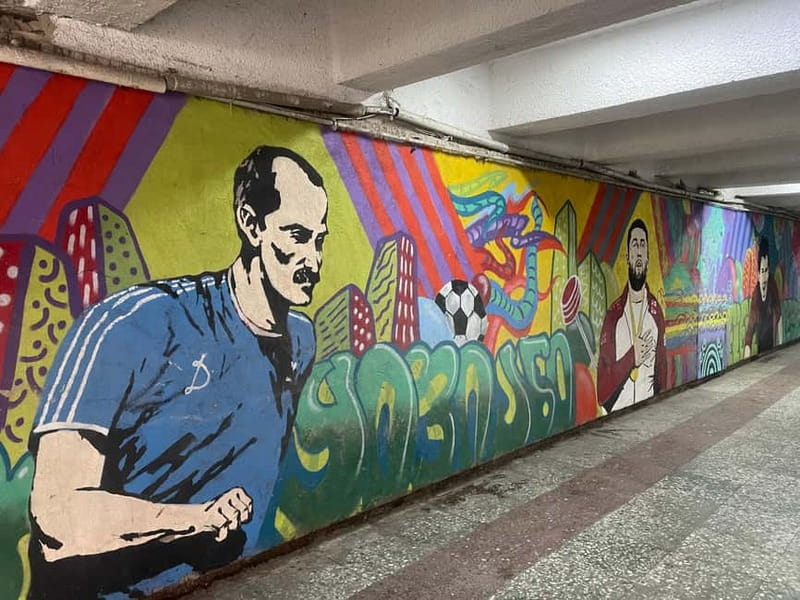
This tour costs $24 per person for a 3-hour experience. That price is only a real bargain if you’re getting more than a generic walking loop—and you do. The guide, hotel pickup and drop-off, and transportation are included, and you’re not responsible for arranging the route yourself.
Why that matters: Tbilisi can be easier than people expect, but it still helps to have local legs and local timing. Pickup means less time hunting for the right starting point. Transport means you can cover neighborhoods without turning every stop into a long trek. In a city where your best street art is often tucked away from main drags, that saves you energy for the moments that count.
Food and drinks are not included. That’s normal for a walking tour, but it’s also why I suggest you plan a snack and water before you start. If you get hungry mid-walk, you’ll enjoy the murals more if your energy stays steady.
Duration, group size, and guide languages that fit your plans
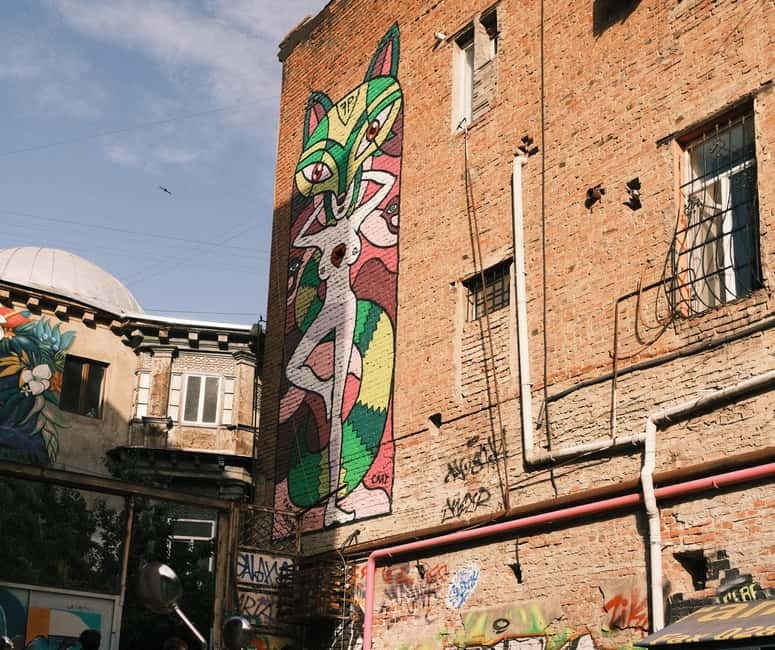
The tour runs 3 hours, which is long enough to see a meaningful spread of art styles and neighborhoods, but short enough that it won’t steal your whole day. It’s ideal if you want something memorable that still leaves you time to explore Tbilisi on your own later.
The guide is available in English and Russian. If you’re relying on English, it’s worth choosing a start time that matches a tour language you can understand comfortably. The experience also offers private or small groups if you want a quieter pace or more direct Q&A.
If you’re the type who likes to ask questions while walking—Where did this idea come from? What does this symbol mean?—this format tends to pay off. Several guides are described as both friendly and fully engaged, which usually means the conversation isn’t forced and you aren’t stuck listening to a one-way script.
Meeting up: hotel pickup, transport, and the 5-minute reality
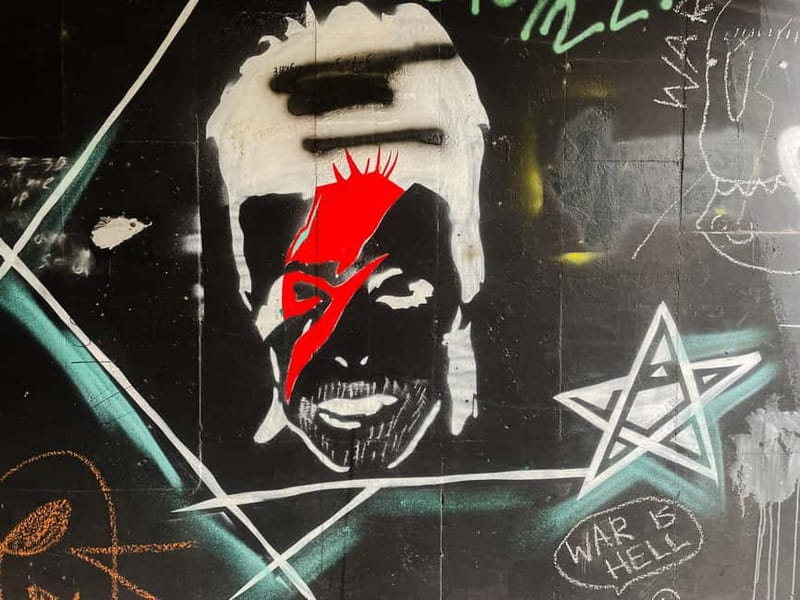
The tour includes hotel pickup and drop-off, so you don’t have to coordinate a public meeting point. You’ll need to wait in your lobby about 5 minutes before your scheduled pickup time. The car waits no more than 5 minutes after that.
That detail matters more than it sounds. If you’re coming from breakfast at a slow café or you’re finishing a last-minute packing task, build in buffer time. This is also one reason I like booking tours like this early or mid-day: you’re more likely to be fully organized and ready to head out.
There’s also a practical rule: no luggage or large bags. If you’re traveling heavy, consider stowing your bigger items back at your hotel. Wear comfortable shoes because the experience is built around walking, and you want your feet happy the whole time.
The opening walk on the alternative side
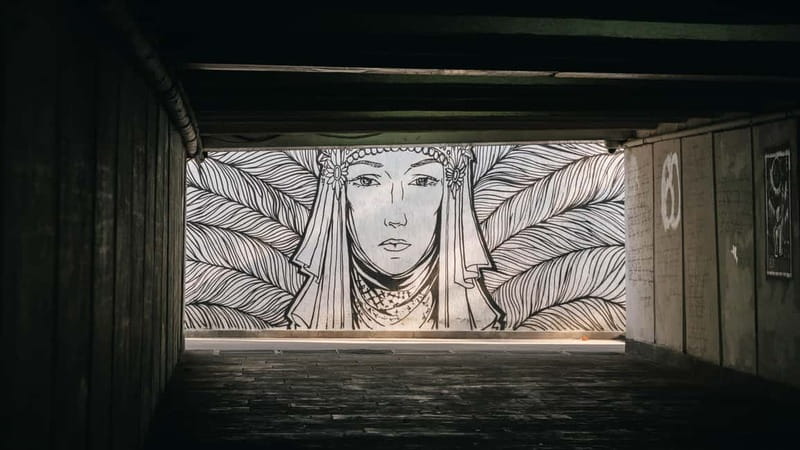
The route starts from the alternative side, where the street art tends to feel more raw and gritty. That matters because it sets your baseline. Once you see the more experimental edges first, you’re better able to notice contrasts later—what changes in style, what changes in message, and what changes in how confident the artwork feels.
In this early phase, your guide typically helps you learn how to look. You’ll start recognizing patterns: how artists place work in relation to foot traffic, how certain walls become canvases over time, and how a neighborhood’s vibe shows up in the art. This is also where you often get the best “wait, look again” moments—because the art isn’t always in the biggest, easiest spot.
Even when the murals are striking, the guide’s job is to slow you down. You’ll notice that street art isn’t only about visuals. It’s about local identity—politics, pop culture, humor, and sometimes provocation.
Translating the murals: local artists, international influence, and Niko P
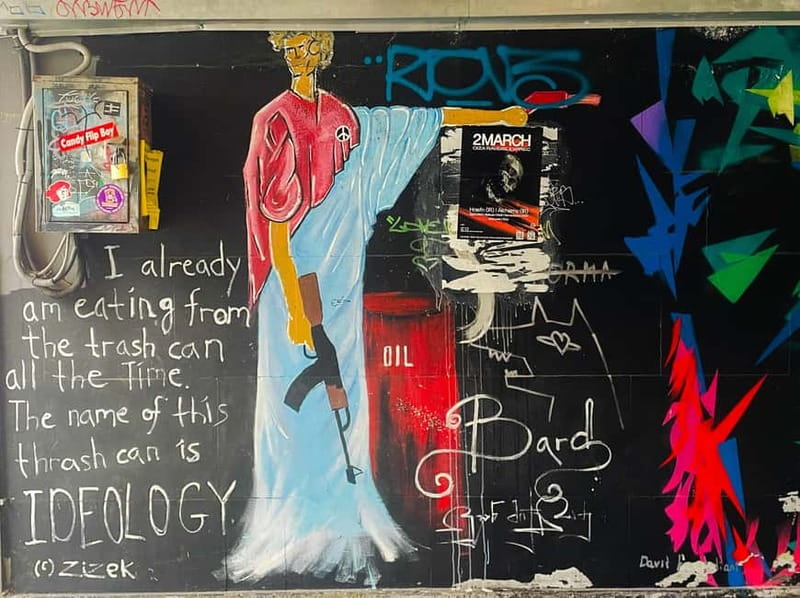
One of the most praised parts of this tour is how the guide explains not just what you’re seeing, but why it exists. In Tbilisi, street art often acts like informal commentary. It can express social attitudes, capture public mood, or preserve references to people and moments that might otherwise disappear.
Guides on this tour may share personal familiarity with established artists, which gives the stories an extra layer. For example, George is described as having friendships with established creators, and that kind of access can turn a mural from a picture into something with real-world grounding.
You may also hear special attention paid to Niko P’s work—his house and street, specifically. That’s the kind of detail that makes a guided walk feel different from scrolling photos online. Instead of guessing, you get an explanation of the context behind the artwork and how it connects to the city around it.
If you’re into street art as a language—style, symbolism, and message—this segment is the heart of the experience. Guides like Giorgi and Sara are highlighted for storytelling that links murals to Georgian life and city culture, so you leave with more than images. You leave with a way to read the city.
District contrasts: from gritty expressions to newer university areas
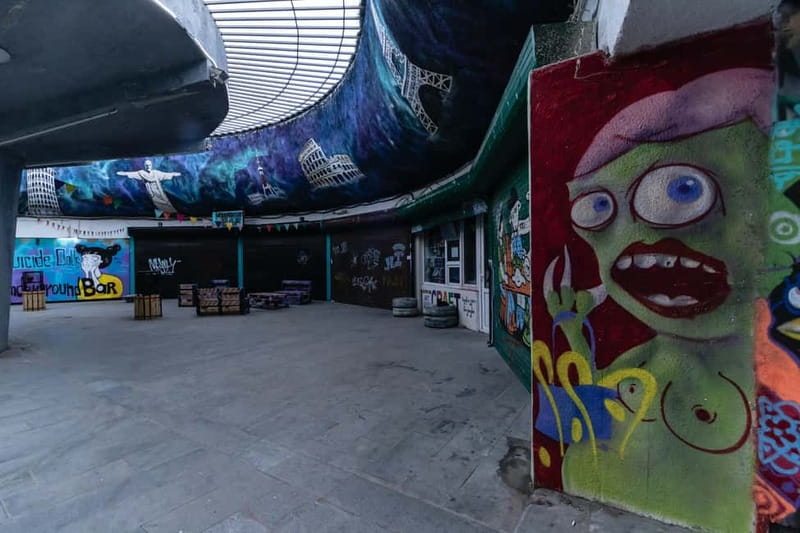
Tbilisi isn’t one uniform scene. The tour intentionally shows that. As you move, you’ll experience a contrast between the alternative side and wealthier, newer areas where you may spot university buildings and a more polished environment.
Why this contrast is worth it: street art changes depending on space, community, and who feels confident speaking loudly. In rougher areas, you might see work that feels louder and more confrontational. In newer zones, the art might come across differently—more controlled, more “official-sounding,” or simply shaped by a different rhythm of daily life.
This shift also helps you understand the city as a whole. You’re not only collecting mural photos; you’re learning how Tbilisi is organized socially and visually. It’s the difference between art that feels like it’s reacting to the street, and art that feels like it’s negotiating with the street.
Even if you’re not an expert on graffiti, the guide’s narrative keeps everything understandable: you’ll connect style choices with local context, and you’ll see how the same city can produce totally different visual moods.
How public transport helps you see more in less time
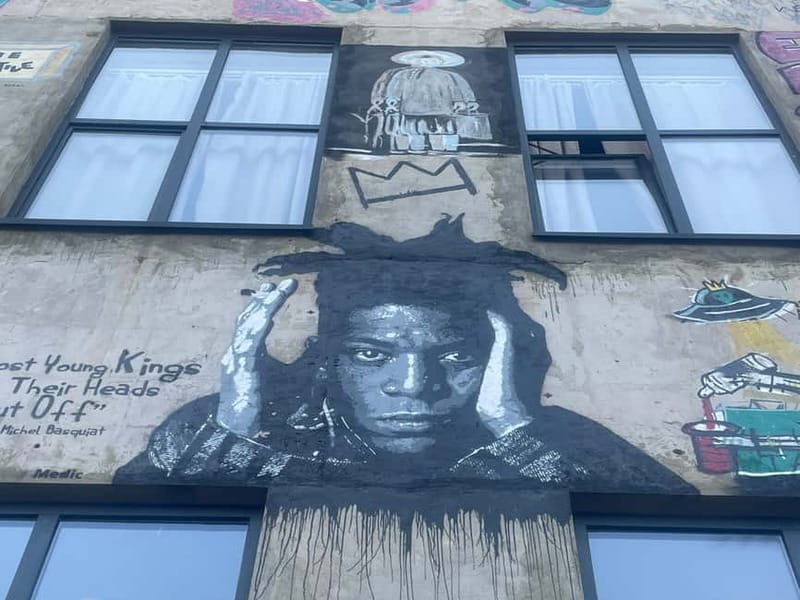
The tour includes transportation, and it also uses public transport as part of how you get around. That’s a smart choice for a city walk because it prevents the tour from becoming a nonstop “keep walking” test.
Here’s what you gain: you see more neighborhoods without spending all your time crossing long distances on foot. And because street art is often scattered in pockets, reducing travel time between those pockets improves your chance of catching the better examples before fatigue hits.
I also like that this gives you a light taste of how locals move. You’re not trapped in a single neighborhood bubble, and you aren’t relying on taxis for everything. You’ll come away with a practical sense of how to navigate parts of Tbilisi efficiently on your own.
What to bring: shoes, weather gear, and light packing
This is a walking tour, so comfortable shoes are non-negotiable. The route also works in typical weather conditions, so wear weather-appropriate clothing. Even on days that look mild, you’ll be outside for a few hours, and Tbilisi’s day can change.
Because luggage and large bags aren’t allowed, pack like you’re going out for a long stroll: small daypack, water, and a light layer you can adjust. If you get cold or hot easily, plan for that. It’s much easier to enjoy the murals when you’re comfortable enough to keep looking closely.
And since food and drinks aren’t included, bring water or plan to buy something nearby at a sensible moment. You’ll get more from the tour if you aren’t rushing to solve hunger mid-walk.
What kind of traveler should book this tour
This tour is a great fit if you want an authentic look at Tbilisi’s alternative culture through the walls themselves. If you like street art and graffiti but also want the stories behind it—how murals connect to the city’s attitudes and daily life—this format makes sense.
It’s also a strong pick if you:
- want a guided way to find murals you’d likely miss on your own
- enjoy asking questions while walking
- like seeing how different districts feel, not only how they look
- appreciate a guide who can connect art to pop culture and local history
If you’re expecting a museum-style deep lecture or a fully seated experience, this is probably not your match. It’s a street-level, walking-focused tour. The payoff is the energy of the city and the guide’s ability to point out what matters.
Should you book the Tbilisi Street Art and Graffiti tour?
Book it if you want the quickest way to see Tbilisi’s street art culture with real context. The price feels fair because you’re paying for more than a walk: you get pickup/drop-off, transportation, and a guide who explains meaning, not just location. Guides like Giorgi, George, and Sara are highlighted for enthusiasm and clear explanations, and that matters when you’re learning to read street art language.
Skip it only if you:
- can’t handle a few hours of walking
- need to travel with large bags
- want food included in the ticket price
If you’re flexible, pack light, wear good shoes, and come ready to look at walls like they’re telling you something, you’ll leave with a smarter, more personal view of Tbilisi than you’d get from photos alone.
FAQ
How long is the Tbilisi street art and graffiti guided walking tour?
The tour lasts 3 hours.
What does it cost?
It costs $24 per person.
What languages are the guides?
The live tour guide speaks Russian and English.
Is hotel pickup included?
Yes. Hotel pickup and drop-off are included. You should wait in the lobby 5 minutes before your scheduled pickup time, and the car will wait no more than 5 minutes after.
Is food or drinks included?
No. Food and drinks aren’t included.
Are luggage or large bags allowed?
No. Luggage or large bags aren’t allowed.