REVIEW · MEXICO CITY
Mexico City: Art Naco, murals & street art bike tour
Book on GetYourGuide →Operated by Poray Biclaturs & Rentals · Bookable on GetYourGuide
Street art in Mexico City hits different from a bike. You get murals and graffiti up close in local barrios, not just on postcard streets. I really like how the guides connect each wall to the neighborhood’s story, and how the ride stays practical and safe thanks to a small team. The only real catch: the bikes can feel small if you’re tall, so it’s worth asking about frame sizes before you roll.
This is also a great way to get oriented fast. You’ll taste traditional snacks, learn what you’re seeing, and still have time to plan the rest of your trip with smarter ideas. If you’re nervous around city traffic, you’ll want to go in knowing the guides manage intersections and keep you mostly on bike lanes or calmer streets.
In This Review
- Key highlights you’ll feel on this tour
- Why a street-art bike tour works so well in CDMX
- Poray Bike Shop meeting point and the ride feel
- The smart part: three different routes across Mexico City
- North Route: Buenavista, Guerrero, and Tlatelolco
- Downtown Route: Zócalo area, Obrera, and Doctores
- South Route: Coyoacán and the Frida neighborhood option
- How the guides make the murals make sense
- Street art stops that feel practical, not just impressive
- The included street food stop is a big deal
- Safety and pace: what to expect in city traffic
- Price and value: does $52 make sense for 3 hours?
- Who this tour suits best (and who should rethink)
- Final verdict: should you book Mexico City Art Naco?
- FAQ
- How long is the Mexico City Art Naco bike tour?
- How much does the tour cost?
- Where do I meet the tour?
- What routes are available?
- What languages are the tour guides available in?
- Is street food included?
- What should I bring?
Key highlights you’ll feel on this tour
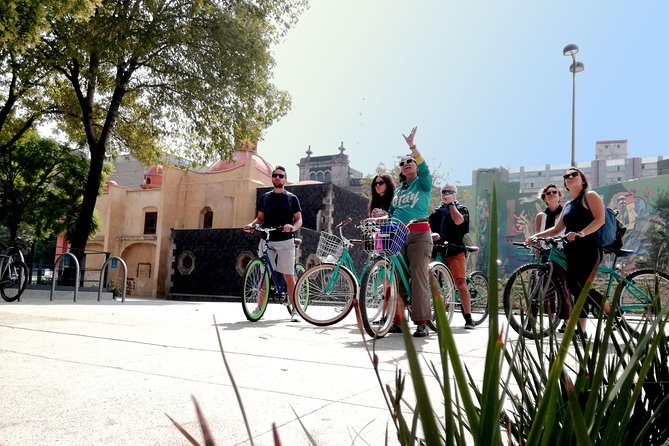
- Three route choices (North, Downtown, South) so you can match your interests and energy level
- Real street food stop included, often tacos or other classic snacks, not some tourist plate
- Small group (up to 10) with guides who keep you organized and moving
- Stops built around place, like libraries, workshops, and squares tied to Mexican culture
- Frequent guide-led photo moments so you can actually document the art
- Traffic safety support with more than one guide helping you cross intersections
Why a street-art bike tour works so well in CDMX
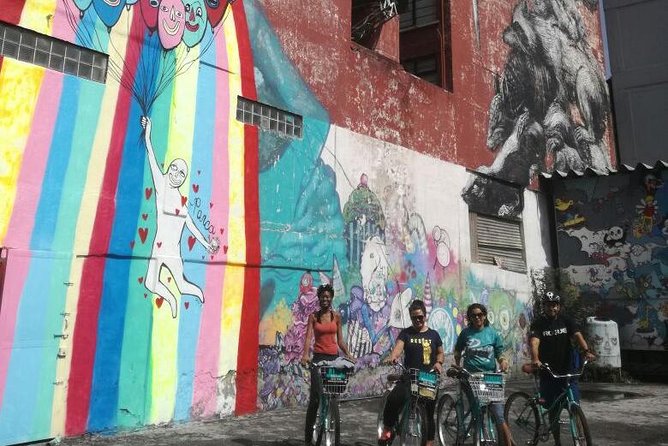
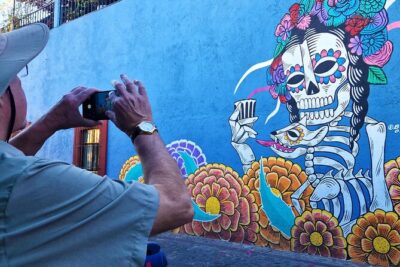
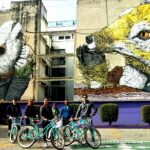
Walking through street art is fun, but it’s slow in a city as big as Mexico City. On a bike, you cover real neighborhoods without feeling like you’re just collecting stops. You also see how the art sits in daily life—painted walls outside shops, art on side streets, and murals that look like they belong exactly where they are.
I like the balance here: this is not just a photo scavenger hunt. The guides explain what you’re looking at and why it’s there, so the murals stop being random decoration and start reading like local culture. And because the group stays small, you don’t get stuck waiting behind a crowd.
You can also read our reviews of more tours and experiences in Mexico City.
Poray Bike Shop meeting point and the ride feel
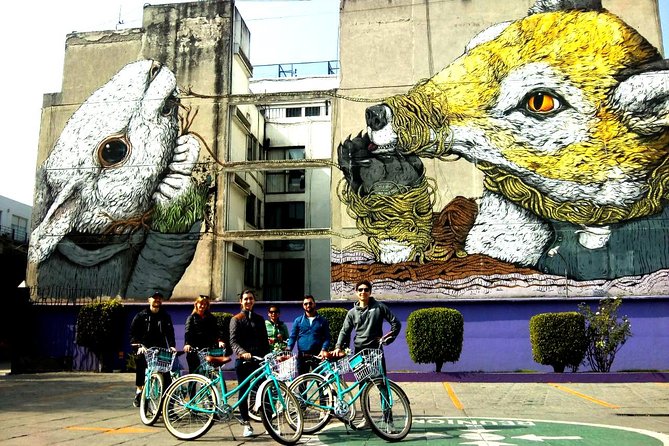
You meet at Poray Bike Rental Shop, with the entrance next to the Fontan Hotel. It’s right in front of the MetroBus Station Hidalgo, so it’s easy to get to even if you’re still learning the city’s transit rhythm.
The cycling experience is usually described as very manageable. Mexico City is famously flat, and the guides plan routes that avoid rough dead ends. You should still wear comfortable shoes—you’ll be stopping and getting off the bike often enough that sandals-for-sightseeing won’t be your best move.
You’ll also want basic sun protection. Bring sunglasses, a sun hat, and sunscreen. In three hours, the sun can add up, especially when you’re outside for photos and snacks.
The smart part: three different routes across Mexico City
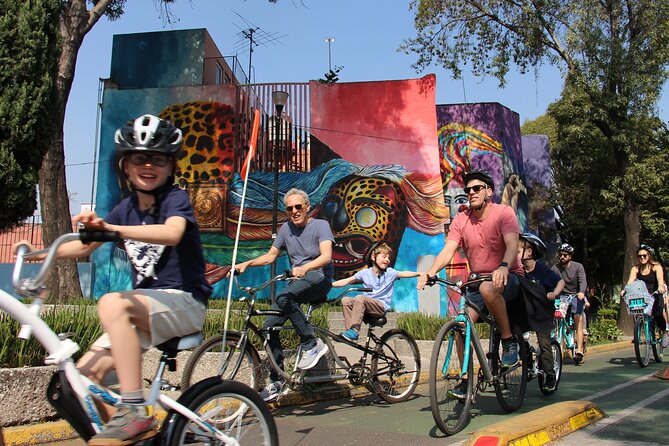
One reason this tour works for lots of different travelers is the route choice. You can pick what you want to see—up close barrio murals, big-city street art near the center, or a more artsy south-side vibe.
North Route: Buenavista, Guerrero, and Tlatelolco
This route leans into neighborhood stories and mural-heavy streets. You’ll pass through Buenavista, Guerrero, and Tlatelolco, and you’ll see walls that reflect Mexican traditions and local identity.
Key stops you can expect include Vasconcelos Library, 8A Workshop, and Three Cultures Square. Vasconcelos Library is a standout because it’s more than a library—it’s a recognizable community landmark with architectural character. Three Cultures Square is a powerful reminder that Mexico City layers history, with different eras sitting in the same broader space.
If you like the feeling of getting off the standard tourist track, this is the route that most often delivers that.
Downtown Route: Zócalo area, Obrera, and Doctores
If you want famous landmarks mixed with street art, the Downtown option is the move. You’ll ride through Obrera and Doctores, where murals and graffiti appear in a blend of colonial-era and modern architecture.
You’ll pass Zócalo, plus Regina Alley, and you’ll hit workshop and art spots like 75 Degrees Workshop and MUJAM (the Museum of Ancient Mexican Toys). Even if you think you know Zócalo already, the value here is seeing street art created alongside ongoing city life, not cordoned off away from people.
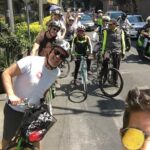
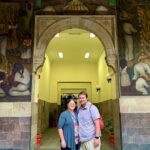
South Route: Coyoacán and the Frida neighborhood option
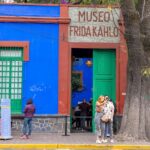
The South route shifts tone. It focuses on Coyoacán, and you can include the Frida neighborhood if you inform the team ahead of time, since the starting point is south of the city.
Coyoacán tends to feel more “arts-and-atmosphere” than “big-city center,” which is a good match if you want something less rushed. This option is ideal if you already plan to spend time around Coyoacán later and you want street art as a complement instead of a distraction.
How the guides make the murals make sense
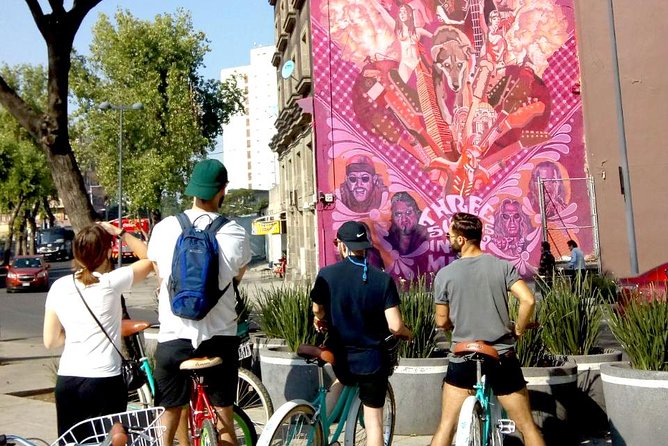
What really elevates this experience is how the guide connects art to place. I like tours where the street art isn’t treated like a random background. Here, you’re learning what the murals and graffiti are saying—through history, community, and the city’s cultural mix.
You’ll hear different guide styles depending on who leads your group, and there have been several praised names like Alberto, Iván, and Gabi. Alberto is often described as inspiring, with a strong love for what he shares. Iván gets praise for clear English and for adding citywide context, not just art trivia. Gabi is frequently mentioned for thoughtful stops and for making people feel safe while explaining artists and Mexico City history.
One small but important detail: many groups also get a second person on the ride who helps with safety and keeps everyone from getting lost. In traffic-heavy stretches, that matters.
And yes, music may be part of the ride vibe, which can make the time feel lighter even when you’re concentrating on traffic.
Street art stops that feel practical, not just impressive
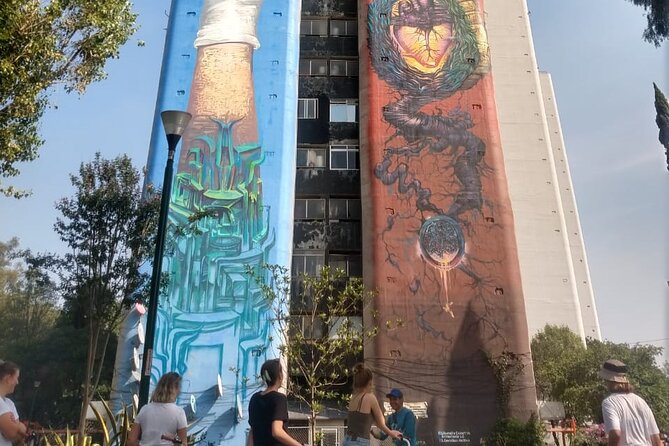
Street art tours sometimes overpromise. You think you’ll see a handful of “major murals,” and instead you get a loop with a lot of pointing.
Here, the stops tend to be anchored to real locations—libraries, workshop spaces, squares, and artist collectives. You can expect at least one visit to an artist’s atelier/taller or art collective-style space, which is often described as a highlight. That kind of stop changes your understanding fast: you see the process behind the wall, not only the finished product.
If you’re a visual learner, you’ll also appreciate the photo moments. The tour is set up so you’re not constantly yanking your camera out while moving at speed.
A nice bonus is how the ride itself gives you a sense of how neighborhoods are connected. You don’t just stand and look—you move through the streets and see the art in relation to daily life.
The included street food stop is a big deal
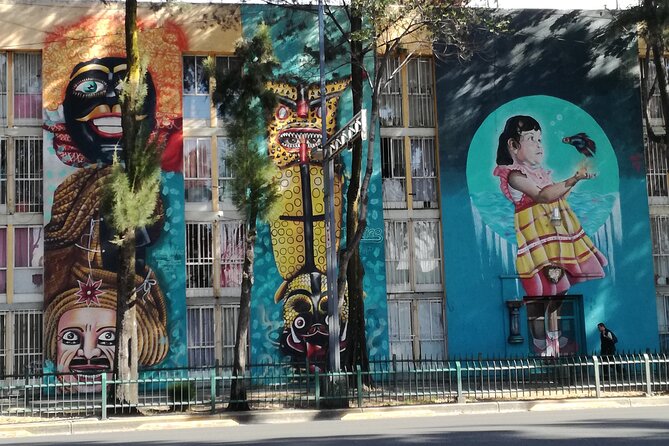
If you’re doing a 3-hour tour, the food stop can make or break the whole experience. This one is built in, and it’s the kind of street food that feels like it belongs to the city.
Many groups mention tacos at the snack stop. Others reference classics like tlacoyo and even corditas. There’s also mention of something like agua de jamaica as part of the ending snack experience. The exact bite can vary with route and day, but the consistent point is that you’re eating real Mexican street-style food, not a replacement offered near a tourist zone.
Diet notes matter too. One group specifically called out vegetarian and vegan options being handled for the tour.
Practical advice: if you have a sensitive stomach, don’t assume street food will automatically be risky. Go with the guide’s pick, take a small first bite, and listen to your body.
Safety and pace: what to expect in city traffic
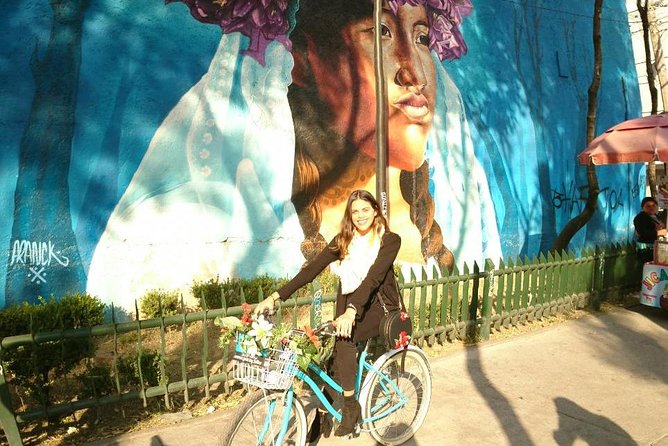
Cycling in Mexico City sounds intimidating until you see how the tour is run. The key is the team structure and the planning. Groups consistently mention that guides manage intersections and help keep you moving in a controlled way.
With a small group (limited to 10 participants), the guides can ride together and keep eyes on everyone. That extra pair of hands matters when the street narrows or when cars move differently than you expect.
Helmets are part of the conversation too. Some groups mention getting helmets, and if you want one, it’s reasonable to ask. The ride is usually described as easy or manageable, even for people who don’t bike a lot at home.
The one drawback to keep in mind: if you’re very tall, some riders have reported bikes feeling on the small side. If you’re around 6 ft or taller (especially beyond average), ask about frame sizes when you check in.
Price and value: does $52 make sense for 3 hours?
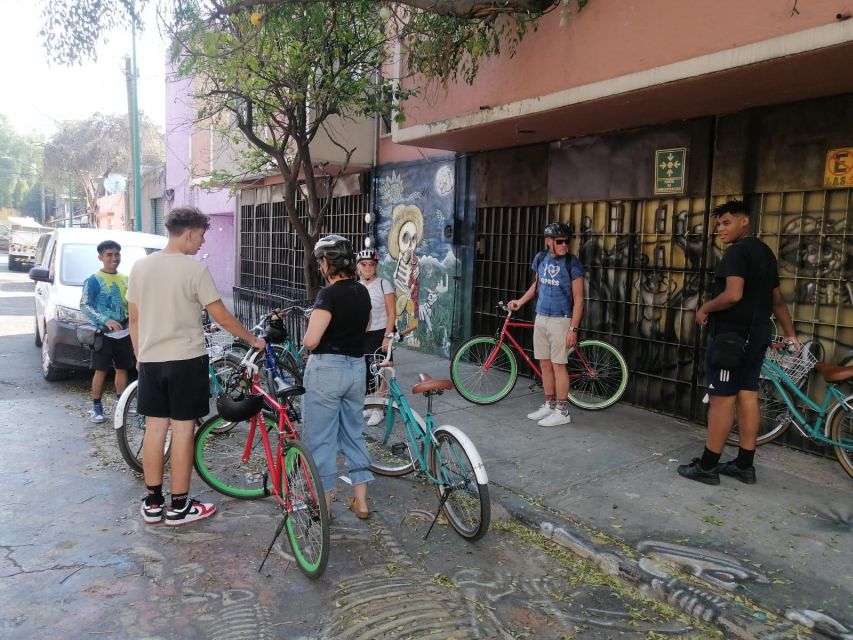
$52 for a 3-hour small-group street art bike tour sounds reasonable when you break it down. You’re paying for more than the bike rental.
The tour includes:
- a local guide
- the bicycle
- bottled water
- street food or snacks
- personal injury insurance
When you add up the costs of a guide who’s taking you into multiple neighborhoods plus a snack stop plus a full bicycle setup, the price starts to look like fair value. And the group size keeps the experience from feeling rushed or crowded.
Most importantly, you’re buying time. Mexico City is huge, and planning street art stops on your own can turn into a chaotic day of wrong turns. This gives you a designed route with context built in.
Who this tour suits best (and who should rethink)
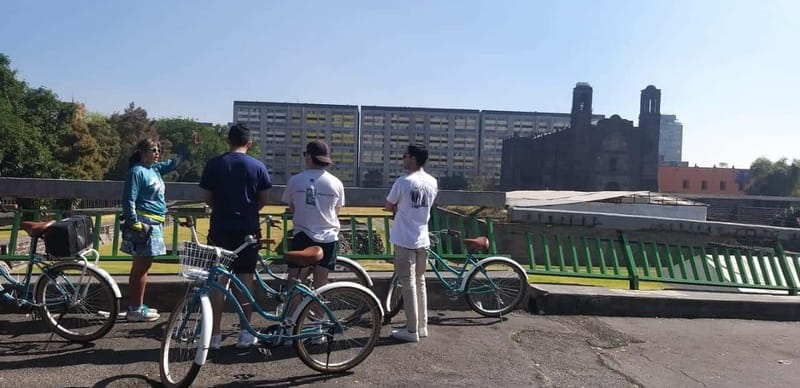
This is a great fit if you:
- love street art and want the story behind what you see
- want local neighborhoods, not just the standard sightseeing route
- enjoy bike rides and can handle short segments near traffic
- like food-focused tours where the snack feels real
It’s also smart to do early in your trip. One recurring theme is that the tour helps you understand where to go next, so you can plan the rest of Mexico City with better instincts.
You might rethink it if:
- you’re uncomfortable riding in busy areas even with guides directing you
- you’re very tall and concerned about bike size (bring that up at check-in)
Final verdict: should you book Mexico City Art Naco?
I’d book this tour if street art is your kind of sightseeing and you want a route that feels like Mexico City in motion. The mix of murals, neighborhood history, artist spaces, and a real food stop is a strong combination for a compact 3 hours.
Do it especially if you want to walk into the city streets and understand what you’re seeing, not just take photos. Just take two small precautions: ask about bike frame sizes if you’re tall, and come with sun protection and comfortable shoes.
If you want art with context and a bike-powered way to see multiple barrios in one go, this is one of the more practical ways to do it.
FAQ
How long is the Mexico City Art Naco bike tour?
It runs for 3 hours.
How much does the tour cost?
The price is $52 per person.
Where do I meet the tour?
Meet at Poray Bike Rental Shop, next to the Fontan Hotel, in front of MetroBus Station Hidalgo.
What routes are available?
You can choose among a North Route (Buenavista, Guerrero, Tlatelolco), a Downtown Route (Obrera, Doctores, including stops around Zócalo), or a South Route (Coyoacán, with an option to include the Frida neighborhood if you inform the team).
What languages are the tour guides available in?
Guides offer the tour in English, Spanish, and German.
Is street food included?
Yes. The tour includes street food or snacks, plus bottled water.
What should I bring?
Bring comfortable shoes, sunglasses, a sun hat, and sunscreen.