REVIEW · BELFAST
2 Hours Republican & Loyalist Mural Black Taxi Tour from Belfast
Book on Viator →Bookable on Viator
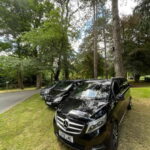
Murals and stories ride shotgun here. This 2-hour black taxi tour ties together Belfast’s Peace Walls with street-level art and the personal angles of a driver who worked during The Troubles.
What I love most is how you get people, not just places. You’ll hear firsthand-style stories from the driver, and the route focuses on key Republican and Loyalist sites rather than vague “look and guess” sightseeing. I also like that you skip the public-transport puzzle: pickup from Belfast city center is included, and you don’t have to go hunting for a meeting point.
One thing to think about: the Belfast International Mural Wall is timeboxed and the admission ticket isn’t included, so you’ll want to budget for that add-on. And since the content is politically heavy, it can feel intense in a short 2-hour window.
In This Review
- Key moments you’ll actually remember
- A black taxi tour that keeps Belfast readable
- How the 2-hour route flows (and why the pacing works)
- Stop 1: International Mural Wall on Divis Street
- Stop 2: The Bobby Sands Mural
- Stop 3: Falls Road Library and the remembrance garden/photo moment
- Stop 4: Clonard Monastery and the peace-process context
- Stop 5: Shankill Road walking segment (Loyalist murals and context)
- Stop 6: The Peace Wall moment (sign your name or write a quote)
- The old Victorian jail reference: why it matters
- Who this tour fits best (and who should consider another option)
- Price and value: is $103.06 for 2 hours fair?
- Pickup and practical logistics that matter day-of
- Tips to get more out of the stops
- Should you book this Republican & Loyalist Mural taxi tour?
- FAQ
- How long is the tour?
- What does the tour cost?
- Is pickup included?
- Do they offer pickup from airports, train stations, or cruise ship ports?
- Do they pick up from cruise ships?
- Where is the pickup point?
- What language is the tour offered in?
- Is there a meeting point if I get there early?
- Are admission tickets included for all stops?
- Is there a limit on group size and can children join?
Key moments you’ll actually remember
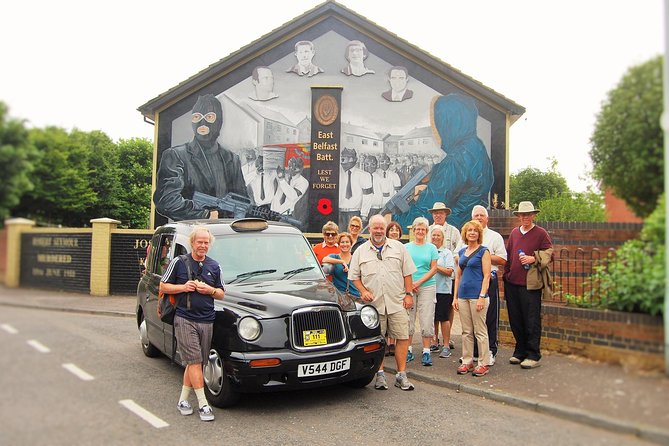
- Troubles-era taxi stories: personal perspective from the driver who worked during the conflict
- Republican and Loyalist murals in one loop: stops that show how both communities tell their own stories
- Peace Walls time on both sides: including a chance to sign a quote at the Peace Wall spot
- Quick, efficient stops: lots of “see it, photograph it, learn it” pacing with about 2 hours total
- A small group: max 15 people, which keeps questions from getting lost
- City center pickup: included within 1 km of Belfast City Hall front gates
A black taxi tour that keeps Belfast readable
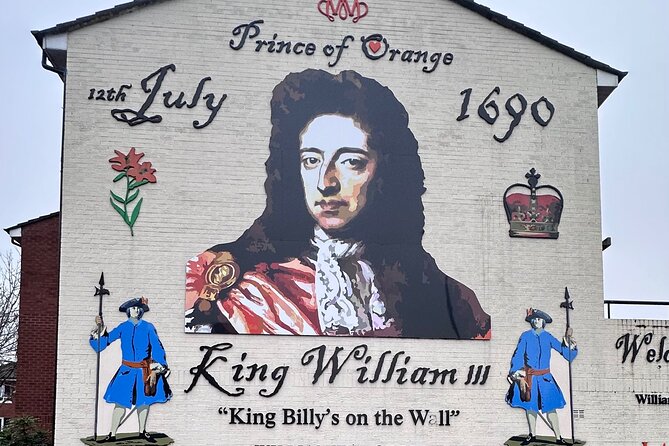
Belfast can feel like a set of overlapping maps: neighborhoods that look similar at first glance, yet mean something completely different street by street. This tour’s strength is that it gives you a fast, guided way to read the city without relying on buses or trains.
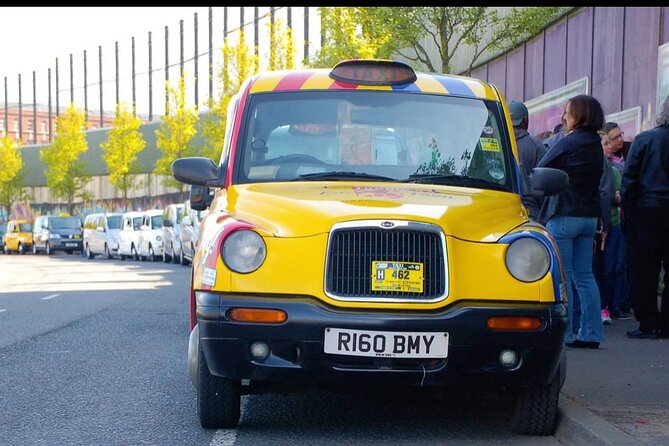
The format is simple: you’re in a comfortable black taxi, the driver guides you from spot to spot, and you get a focused learning path that connects murals, monuments, and the physical barriers of the Peace Walls. If you’re short on time, this is one of the smarter ways to pack in the big visual landmarks of the Troubles era without turning the trip into a logistical scavenger hunt.
The small group size (up to 15) also matters. It makes it easier for the driver to handle questions without rushing the whole room along. And because the tour is in English, you can stay engaged instead of translating every sentence in your head.
Tip: bring a charged phone and something to write with. You’ll have moments where you’ll want to capture details, and you also get an opportunity to sign your name or add a quote at the Peace Wall stop.
You can also read our reviews of more tours and experiences in Belfast.

How the 2-hour route flows (and why the pacing works)
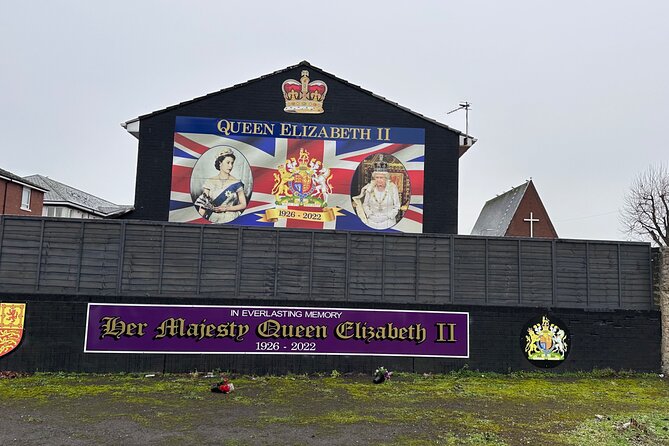
This tour is designed like a highlight reel, but with enough time at each stop to actually absorb what you’re looking at. Expect about 20 minutes at the first two mural spots, shorter photo moments at a couple of institutional sites, and a longer walk on the Shankill Road side.
Here’s what the rhythm looks like on the ground:
- You start with mural-heavy stops where the visuals do most of the heavy lifting.
- You then shift to sites tied to remembrance and political organizing.
- Finally, you spend your walking time where Loyalist murals and context dominate, before ending near a Peace Wall moment and an old jail reference.
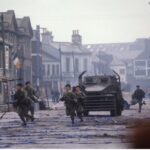
That mix is important. If you only saw murals, you’d miss how people lived with the conflict. If you only saw monuments, you’d miss how the conflict still expresses itself on walls today.
Stop 1: International Mural Wall on Divis Street
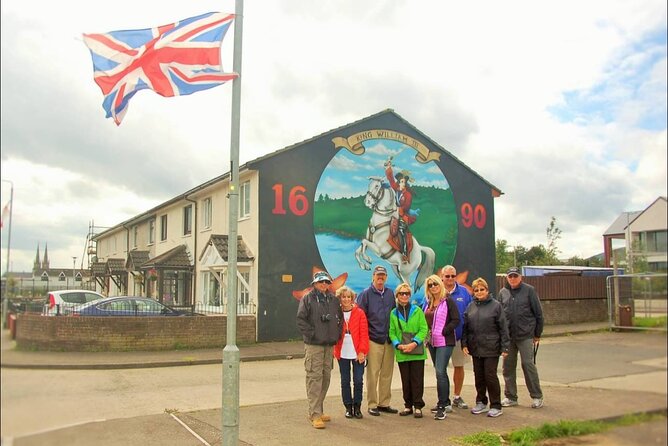
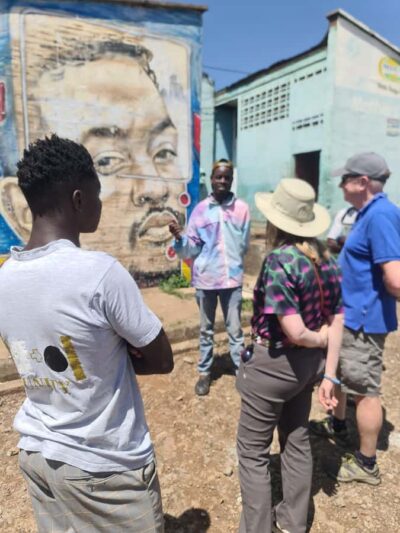
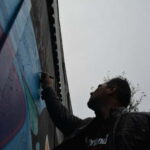
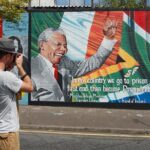
Your first mural stop is the International Mural Wall on Divis Street, a wall packed with changing artwork about political aspirations, cultural heritage, and turbulent history. It includes world-themed murals such as Palestine/ANC/Cuba and Republican hand-painted work by local artists.
What makes this stop valuable is the variety. You aren’t only seeing Belfast-specific messages. You’re seeing how global politics and local identity overlap in mural form. The wall includes about 40 different murals, and they can change with world news, so it’s not just a static museum wall.
Time is about 20 minutes here. That’s enough for a careful scan and a few photos, but not enough to read every single piece like you’re in a gallery.
Watch for this practical detail: admission ticket isn’t included. So factor in time or cost for the entry piece if the wall requires it during your visit. If you hate surprise fees, you’ll want to check that in advance.
Stop 2: The Bobby Sands Mural
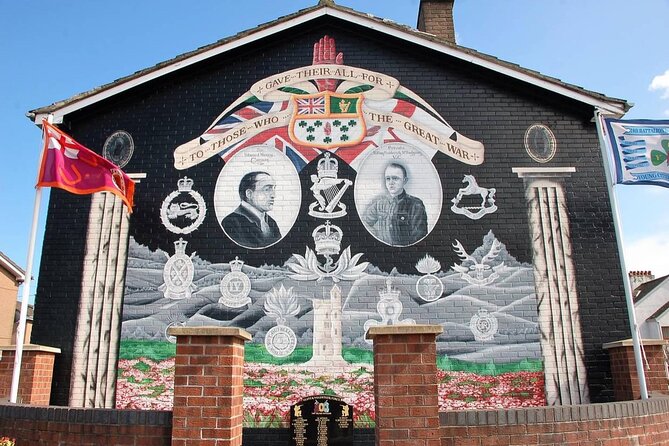
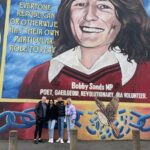
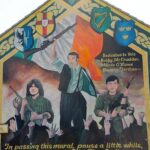
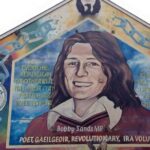
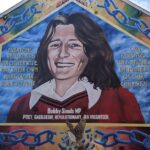
Next up is the Bobby Sands Mural. This one is described as iconic and powerful, tied to Bobby Sands as an IRA volunteer, hunger striker, and influential figure in Irish Republicanism.
Mural stops can sometimes feel like “art appreciation with politics.” This one doesn’t let you treat it that way. The point is the symbolism: a visual shorthand for protest, prison, sacrifice, and political legacy.
You’ll get about 20 minutes. I’d use that time for two things: first, a photo at the main angle you can find quickly; second, a slower look for the smaller details you might otherwise miss. Even if you’ve read about the Troubles before, murals can hit differently because they’re designed to be read at street level.
Stop 3: Falls Road Library and the remembrance garden/photo moment
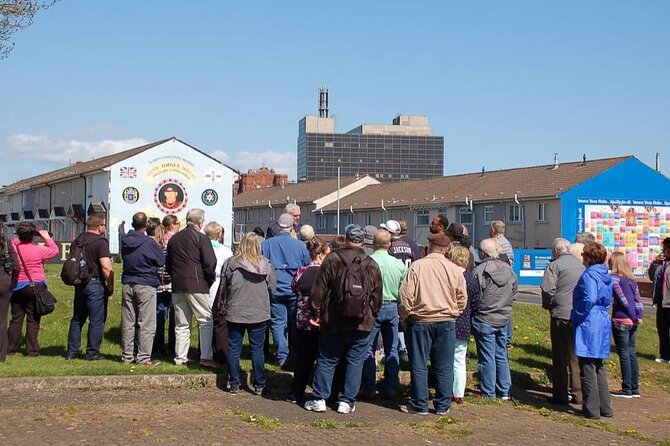
After the murals, the tone shifts to remembrance. You stop outside the Republican remembrance garden and the massive H block hunger strike statue, with a photo opportunity as part of a short stop (about 10 minutes). Admission here is listed as free.
This is one of those “less time, bigger impact” moments. The statue and the memorial area connect the hunger strike legacy to the physical geography of Belfast—meaning you can’t separate idea from location.
Practical note: since this is a photo stop, don’t expect deep exploration on site. Use the driver’s context while you have it in the moment, then decide what you want to come back for later on your own.
Stop 4: Clonard Monastery and the peace-process context
Then you head to Clonard Monastery. This stop is described as playing a major part in the peace process, specifically tied to political leaders meeting in secret before a public framework was in place.
Again, time is about 10 minutes, with admission free. What you’re really getting here is a sense of how negotiations often need private space before they can become public. Even without reading every sign or brochure, the site helps you understand why peace-building didn’t only happen on parade routes.
If you like your history with real-world locations, this is a useful pause. It prevents the tour from becoming only about conflict visuals.
Stop 5: Shankill Road walking segment (Loyalist murals and context)
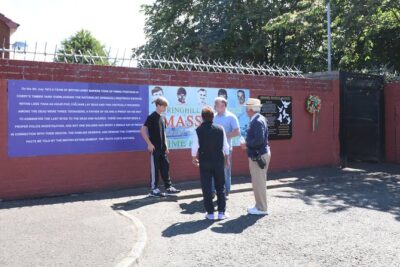
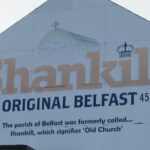
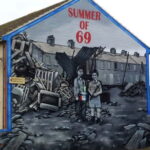
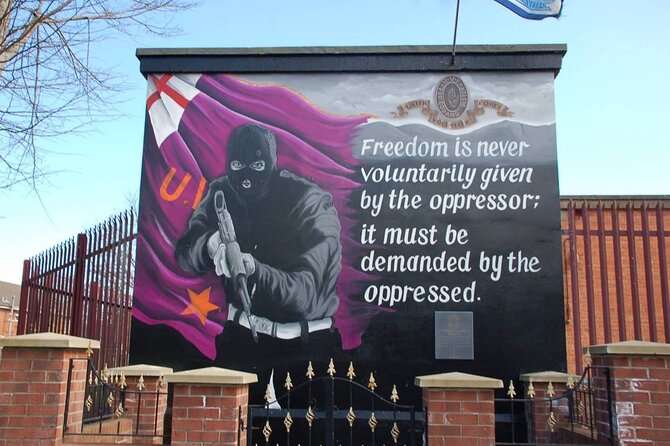
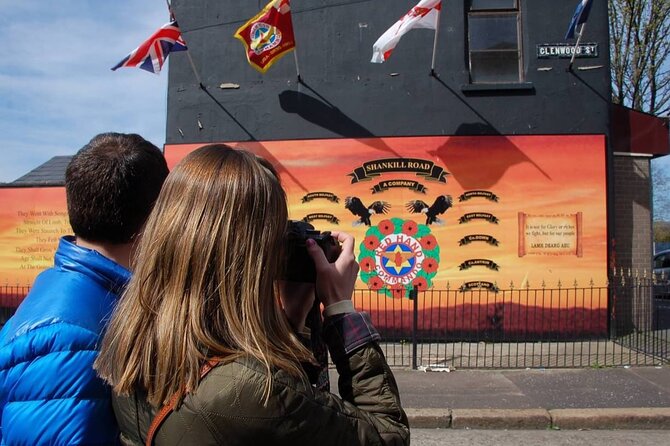
This is where you slow down the pace. You spend about 40 minutes walking around Shankill Road, and the stop is focused on Loyalist murals and the story of how people there fought to remain British, including the tour’s mention of 900 years of British rule in Ireland.
You’ll see Loyalist murals painted on cable walls of houses. It’s not just “look at art.” The driver guides you through the meaning and connects it to peace and the future of children. That direction matters, because murals here aren’t only about the past. They’re also about what communities fear, hope for, and want protected.
This segment also includes a chance to process the physical geography. Shankill Road has its own feel—streets that look ordinary until you realize the walls themselves are part of the story. Walking time helps you clock the difference between what a photo captures and what you notice when you’re moving through the space.
Two practical thoughts:
- Wear comfortable shoes. You’re walking for a good chunk of time here.
- If you’re sensitive to political content, decide before the tour how much you want to ask. The driver will likely answer a wide range of questions.
Stop 6: The Peace Wall moment (sign your name or write a quote)
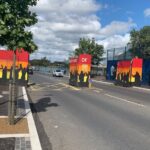
Next comes a Peace Wall reference point connected to Peacewalls Taxi Tours. Belfast’s Peace Walls stretch over 25 km and physically separate communities. The tour frames them as an ongoing reminder of troubled history and reconciliation work.
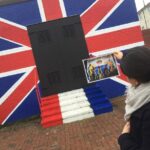
You also get time (about 20 minutes) to sign your name or write a quote on your own Berlin wall-style area. That’s small, but it turns a viewing moment into a participation moment—like you’re leaving a tiny mark that you stopped and paid attention.
I like this stop because it grounds everything else. You came for murals and political legacy, but the Peace Walls are what make the city’s conflict visible in everyday life.
The old Victorian jail reference: why it matters
As the walk happens on the Shankill side, you’ll also see the old Victorian jail that housed both Loyalist and Republican together for over 30 years. The driver is expected to explain details tied to that shared space during The Troubles.
Even if you don’t have time to go inside (the tour doesn’t list an admission stop here), the concept is a major piece of the puzzle. It’s a reminder that conflict didn’t only divide people by street; it also collided them in institutions—sometimes forcing co-existence under confinement long before formal peace.
Who this tour fits best (and who should consider another option)
This works especially well if you:
- Want a fast, structured way to see key Troubles-era and peace-era Belfast sights
- Prefer a guide who can answer questions as you move (short stops, lots of live context)
- Like mural art but also want the political meaning explained in plain language
- Are in Belfast for a limited time and don’t want to build a self-guided route
You might want to think twice if you:
- Don’t want politically charged content in a condensed time slot
- Get uncomfortable with walking and standing photo moments back-to-back
- Hate any chance of a paid admission surprise (since the International Mural Wall admission ticket isn’t included)
Price and value: is $103.06 for 2 hours fair?
At about $103.06 per person for roughly 2 hours, you’re paying for more than a car ride. You’re paying for guided interpretation and a route that groups multiple high-impact sites into one efficient loop.
Here’s how the value math tends to work for me:
- If you tried to self-guide, you’d lose the narrative glue that connects each stop.
- You’d also spend time and energy figuring out transit and timing.
- This tour includes pickup from Belfast city center within about 1 km of Belfast City Hall front gates, which reduces hassle.
The only “cost headwind” is that the International Mural Wall admission ticket is not included. So your total out-of-pocket may be a little higher depending on entry requirements when you arrive.
Overall: it’s not a cheap morning, but it’s a strong option when you want context and efficiency packed into a short window.
Pickup and practical logistics that matter day-of
The biggest convenience is pickup from Belfast city center within 1 km of Belfast City Hall front gates. That means you can build the day without planning a meeting point by transit.
Service animals are allowed, and the tour is near public transportation, which helps if you’re moving around Belfast before or after. Group size stays capped at 15, so it doesn’t feel like a herd.
Two limits to know:
- They don’t pick up from cruise ships because the ports are several miles outside Belfast city center.
- Pickup from airports/train stations/cruise ship ports is listed as possible for an added 40 GBP per group, but that’s not included in the base price.
Tips to get more out of the stops
A tour like this pays you back when you arrive curious and ask clear questions. Here are a few ways to do that without turning the whole ride into an argument:
- Ask what changes over time at the mural wall, since it’s described as changing with world news.
- For the Shankill walk, ask what the murals communicate now, not only what they meant then.
- When you’re at the Peace Wall, ask how the physical barriers fit into reconciliation in practical terms.
Also, keep an eye out for guide names that show up in strong feedback: Ricki, Jarrod, David, Brendan, and Jim. If you have a chance to communicate preferences when booking, that kind of info can help you choose the right match.
Should you book this Republican & Loyalist Mural taxi tour?
Book it if you want Belfast in one compact, guided package—murals, remembrance sites, Loyalist street visuals, and the Peace Walls—without wasting time on transport math. The driver-led stories, especially from someone who worked during The Troubles, are the main reason this tour feels more than “a drive-by of landmarks.”
Skip it or compare alternatives if you’re trying to avoid intense political content, or if you prefer longer, museum-style pacing. Because the structure is short-stop and efficient, it’s best for people who like movement and dialogue rather than slow browsing.
If you do book: wear comfy shoes, bring a phone camera you trust, and come ready to treat walls and monuments like they’re speaking in two voices at once. That’s the Belfast lesson this tour is built around.
FAQ
How long is the tour?
The tour runs for about 2 hours.
What does the tour cost?
The price is listed as $103.06 per person.
Is pickup included?
Yes. Pickup from Belfast city center is included within a 1 km radius from Belfast City Hall.
Do they offer pickup from airports, train stations, or cruise ship ports?
Pickup from airports, train stations, and cruise ship ports is not included. The information provided says it costs 40 GBP per group if arranged.
Do they pick up from cruise ships?
No. They do not pick up from cruise ships since the port is several miles outside Belfast city centre.
Where is the pickup point?
They can collect you outside Belfast City Hall front gates. There is also a free pick up within 1 km of the city hall.
What language is the tour offered in?
The tour is offered in English.
Is there a meeting point if I get there early?
Pickup from Belfast city center is included, so you don’t need to go to a separate meeting point.
Are admission tickets included for all stops?
Admission ticket is not included for the International Mural Wall. The Falls Road Library stop is listed as free, Clonard Monastery is listed as free, Shankill Road is listed as free, and the Peace Wall stop is listed as free.
Is there a limit on group size and can children join?
The tour has a maximum of 15 travelers. Children must be accompanied by an adult.