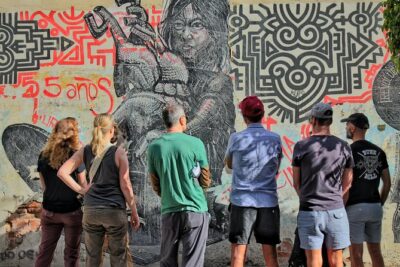
REVIEW · MARSEILLE
Marseille: Street Art Walking Tour and Local Drink
Book on GetYourGuide →Operated by My Days in France · Bookable on GetYourGuide
Street art meets real neighborhood life here. This 2-hour Marseille tour takes you off the main tourist loop and into two areas locals actually live in: Noailles and Cours Julien, where markets, old shops, and giant wall art all sit side by side. You walk with a local, licensed guide, in a small group, and you get context for what you’re seeing instead of just photos and facts.
I like two things most. First, you’ll be able to ask questions freely and get answers from a guide who’s genuinely passionate about the art scene. Second, you get a simple food-and-drink rhythm: mint tea with a pastry during the walk, then a final drink at the end to keep the vibe friendly.
One consideration: this is set up like a shared group experience, and in at least one case a booking group got an added stranger without notice. If you’re booking for a specific team or a tight group, it’s smart to ask how group composition works before you go.
In This Review
- Key highlights
- Street Art With Local Rhythm in Marseille
- Where You Start: 5 Cours Saint-Louis and What to Bring
- Noailles: Market Life, Legendary Shops, and Real Daily Color
- Mint Tea and Pastry: A Small Included Pause That Helps You See More
- Cours Julien: How the 1980s Street-Art Movement Shaped Today’s Walls
- Learning the Techniques: Reading Street Art Like a Local
- Marseille Architecture You’ll Start Noticing Immediately
- The Ending Drink: Why Finishing in Cours Julien Changes the Feeling
- Price and Value: Is $104 for Two Hours Fair?
- Who Should Book This Street Art Walk (and Who Might Skip It)
- Should You Book This Tour?
- FAQ
- How long is the Marseille Street Art Walking Tour and Local Drink?
- Where do we meet for the tour?
- What’s included in the price?
- Is food included?
- What neighborhoods will we visit?
- What languages are available for the live guide?
- Is the tour suitable for people with mobility impairments?
- What should I bring?
- Can I get a refund if I cancel?
Key highlights
- Noailles district street-level Marseille with a colorful daily market feel and legendary shops
- Mint tea and pastry included, a perfect pause before you hit the walls
- Cours Julien since the 1980s street-art culture in a neighborhood that grew into alternative life
- Technique and artist context so the art makes more sense than a quick photo
- Small-group walking pace with time for questions, plus a drink to finish
Street Art With Local Rhythm in Marseille
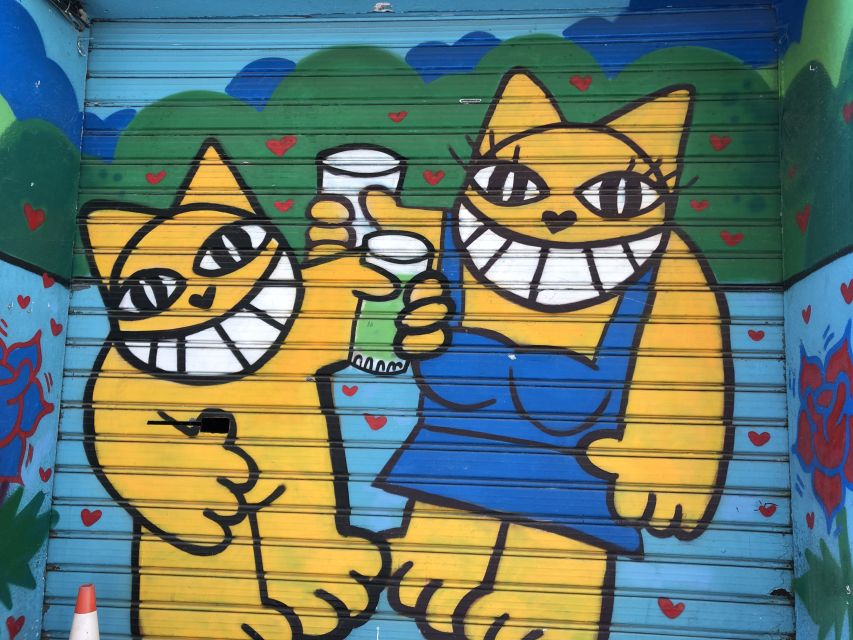
If you care about street art beyond the Instagram shot, this is the kind of tour that helps you understand why the walls look the way they do. Marseille’s street art isn’t just decoration. It’s tied to neighborhoods, identity, and the everyday energy of places like Noailles and Cours Julien.
What makes this experience feel different is the pacing and the mix. You’re not stuck in one lane of murals. You shift from market life and historic shops to the alternative culture of Cours Julien, and you’re taught how to read what you’re seeing along the way. That context matters, because you’ll notice details you’d normally walk right past: the textures, the scale, and the choices artists make.
Also, you’re not spending the whole time outside without a break. The tour builds in food and drink, and those breaks are genuinely useful for travelers. They slow you down, help you reset, and keep you ready to spot the next wall, the next storefront, the next detail.
Where You Start: 5 Cours Saint-Louis and What to Bring
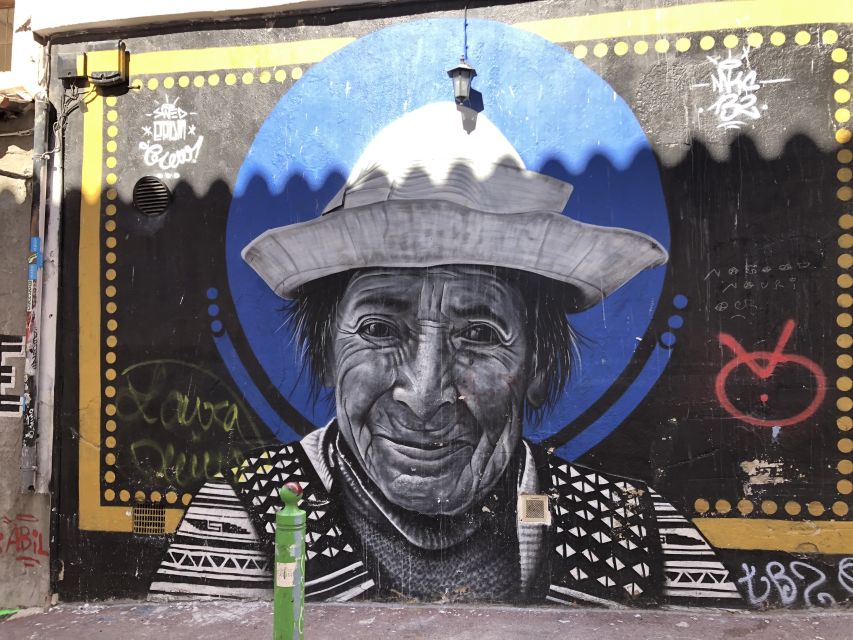
You meet at 5 Cours Saint-Louis, 13001 Marseille. Expect a straightforward start: meet the guide, get a quick orientation, and then set off on foot through the city’s older, more local-feeling streets.
Bring comfortable shoes. This is a walking tour, and you’ll want your feet happy enough to stay curious the whole time. The route goes through neighborhood streets and areas where you’ll likely be stopping for discussion, so good grip and cushion can make a big difference.
If you’re planning your day around it, remember the tour is 2 hours, and it ends around a drink. Build in a little buffer afterward so you don’t feel rushed.
Noailles: Market Life, Legendary Shops, and Real Daily Color
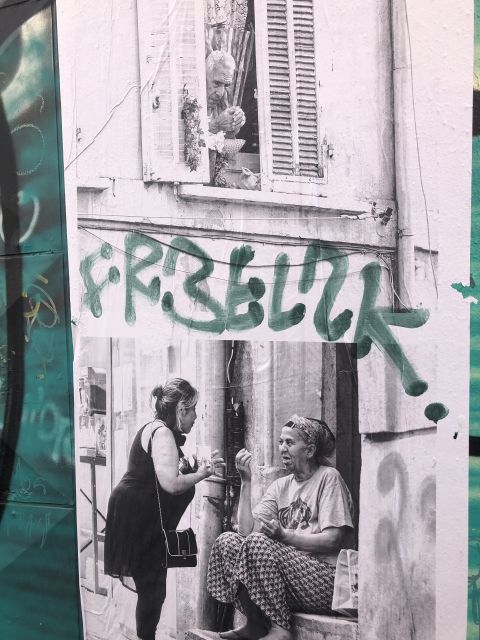
Noailles is often described as the belly of Marseille, and on this tour you get to see what that means in practice. You’ll walk through a district known for its lively daily market energy, where color comes from fruit and stalls and signage, not just painted walls.
One standout is the way the tour connects street scenes to specific history. You’ll learn about the district’s legendary shops, including the oldest drugstore in France, created in 1827. Even if you’re not a history nerd, these anchor points help you understand why Marseille feels layered—new art, old commerce, and everyday life in the same frame.
You also get a chance to understand the current challenges Noailles is facing now. That’s important. Street art isn’t floating in space; it responds to place. When you hear what’s changing in a neighborhood, the art you see later on makes more sense because you’re linking the visuals to the reality behind them.
The only “gotcha” with Noailles is that it’s a real working district. That’s the point, but it can be a lot if you’re looking for quiet, polished sightseeing. Wear comfortable shoes, move with the group, and give yourself permission to observe without trying to control every moment.
Mint Tea and Pastry: A Small Included Pause That Helps You See More
Half the value of a short walking tour is whether it keeps your brain in the right gear. Here, the included break does that job.
You’ll enjoy mint tea with a delicious pastry as you settle into the Noailles atmosphere. It’s not just a snack. It’s a social reset that helps you slow down, talk with the guide, and take in your surroundings with less rushing.
This also matters for travelers who learn by conversation. When your hands have something warm to hold and your stomach isn’t empty, it’s easier to ask questions. And since the tour is designed so you can feel free to ask all your questions, the tea stop becomes a natural moment to dig deeper.
If you have dietary restrictions, you’ll want to check with the operator before the day. The tour data confirms a pastry and mint tea are included, but it doesn’t list options.
Cours Julien: How the 1980s Street-Art Movement Shaped Today’s Walls
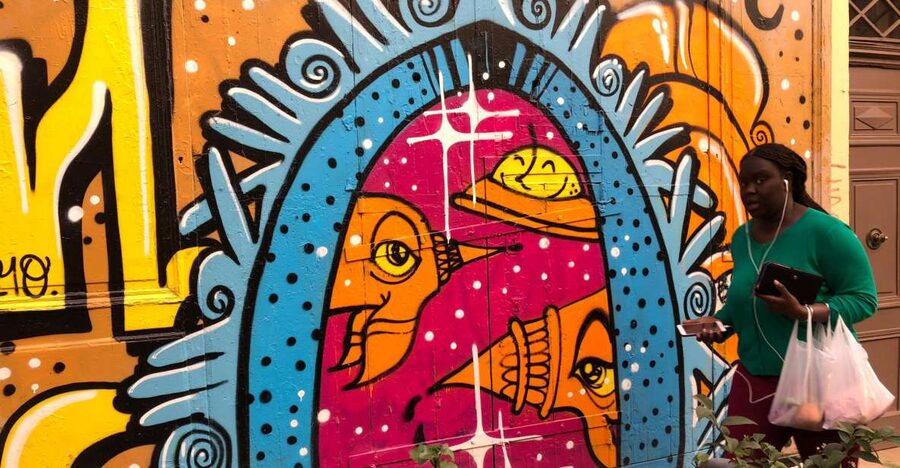
Then you shift gears to Cours Julien, where Marseille’s street-art story takes a more alternative, creative turn. This area is tied to an urban art movement that started in the 1980s, and the tour helps you connect that timeline to what you’re seeing now.
You’ll pass the area’s former market garden warehouses, spaces that were later replaced by things like music stores, art studios, theaters, second-hand boutiques, bars, and cafés. That kind of transformation is exactly why street art fits here. It’s a place where people gather, experiment, and reinvent their identities—and artists thrive when the neighborhood culture is active and changing.
The walk also focuses on big visual moments. You’ll see giant frescoes and amazing artworks, plus you’ll learn about different techniques used by creators. This is where the tour becomes more than a route of pretty pictures. You start noticing how artists work with walls, scale, color, and styles that come from both local and French scenes.
Cours Julien is also where you get the sense of a community mix. The tour talks about a diverse crowd—hipsters, punks, students, families, children, and hippies—people using the neighborhood in their own ways, including relaxing in the area. If you like street culture that feels like real life instead of a theme park, this is the part to lean into.
Learning the Techniques: Reading Street Art Like a Local
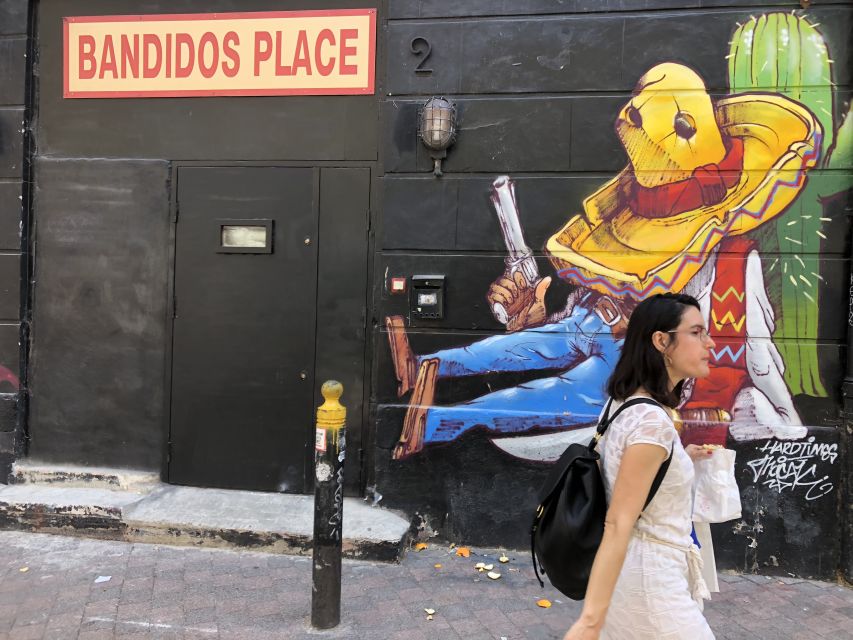
The tour’s teaching style is one of its best selling points. You’re not just told what to look at—you learn how to look. The guide walks you through how each creator works and what different techniques can signal.
That matters because street art is often misunderstood as either vandalism or decoration. On this tour, the framing is different: you get French and local artists in context, and you learn how the art connects to the city. In at least one guide-led experience, there’s even mention of political and social insights, which is a good sign if you like art with opinions.
A personal tip for you: don’t try to memorize everything. Instead, pick one or two mural styles you keep seeing and ask the guide how they’re made or why artists choose that approach. The tour format gives you time for questions, and asking targeted follow-ups is how you get the most out of the 2-hour window.
Also, notice the small details. On these streets you’ll see how art interacts with architecture—textures, shutters, and street surfaces that affect how colors land. The better you get at seeing those interactions, the more you’ll enjoy the tour’s later stops and the way Marseille looks in general.
Marseille Architecture You’ll Start Noticing Immediately
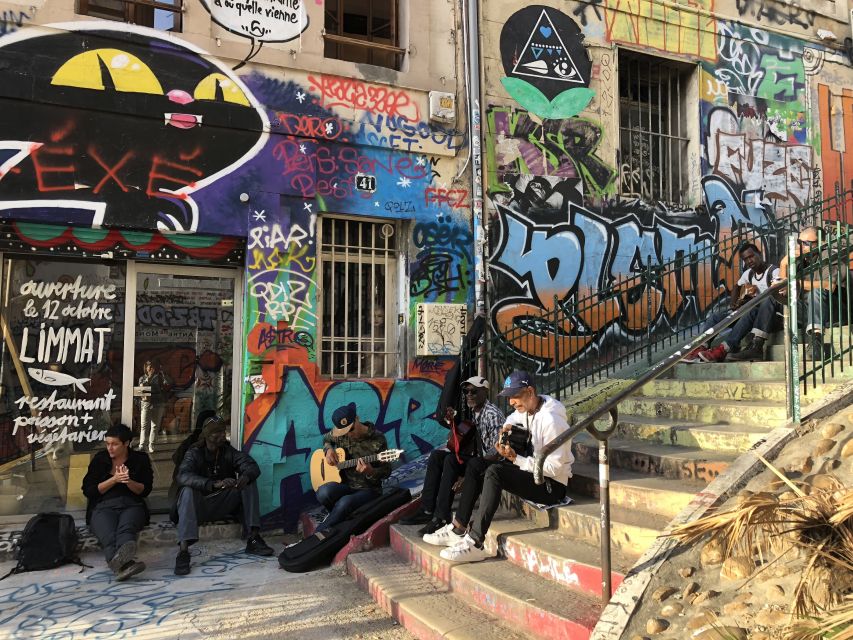
Street art tours can sometimes ignore the city itself. This one doesn’t. You’ll pay attention to architecture that’s typical of Marseille: small buildings, colorful shutters, and even clothes drying in the sun.
This is more than aesthetic trivia. Those visual elements show you how everyday life shapes the look of a neighborhood. When you see a shutter painted in a bright color next to a mural, or laundry hanging above street-level walls, you start understanding Marseille’s style as something living—not staged.
If you tend to rush through cities, this part is a good reset. It gives you an easy way to slow down without needing a guidebook script. You’ll just start pointing stuff out in your head: the colors, the textures, the practical beauty.
The Ending Drink: Why Finishing in Cours Julien Changes the Feeling
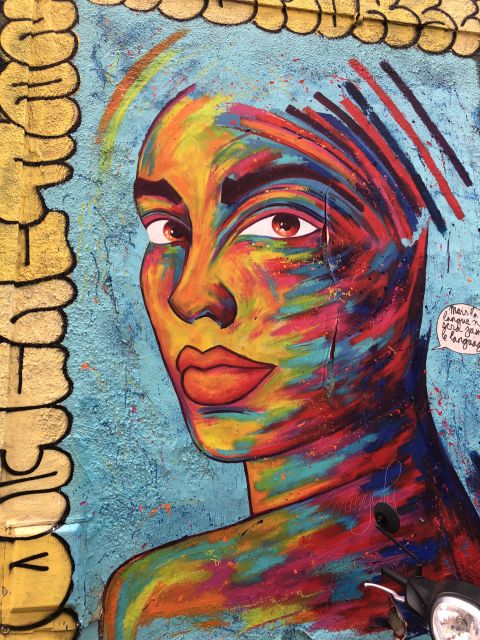
The tour ends around a drink in a local cool place from the area. That ending matters because it keeps the experience social instead of turning it into a grab-and-go viewing session.
A final drink gives you time to process what you saw. It’s also when questions often turn into real conversation—about artists, styles, and what you can keep exploring after the tour ends.
If you’re the kind of traveler who likes to keep things flexible, this is a smart way to do it. You finish feeling informed, not overloaded, and you can decide on the spot what else to check out nearby (without needing to interpret everything alone).
Price and Value: Is $104 for Two Hours Fair?
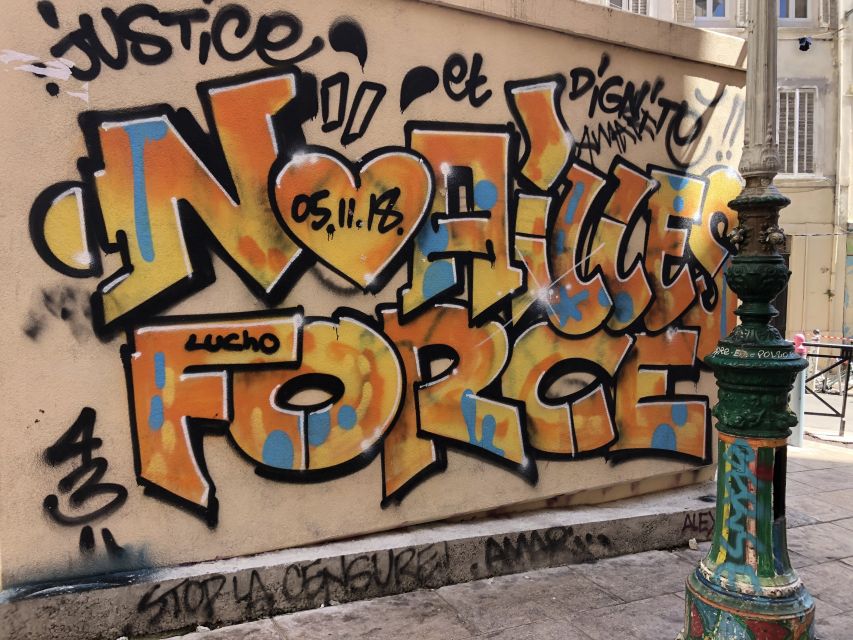
At $104 per person for a 2-hour guided walking tour, you’re paying for more than movement through the streets. You’re paying for a licensed local guide, focused neighborhood access away from the main tourist crowd, and a structured experience that includes food and drink.
Here’s how I think about value:
- Guide quality and context: The reviews strongly emphasize personal, enthusiastic guiding, plus art insights that go beyond surface-level descriptions. In a short tour, that’s where the money goes.
- Included refreshment: You get mint tea and a pastry during the walk, plus one included drink at the end. That reduces the “extra costs” problem you often get with paid tours.
- Neighborhood access: Noailles and Cours Julien aren’t just backdrops. The tour connects market life, historic shops, and street-art culture with practical neighborhood understanding.
So, is it worth it? If you want a guided explanation that helps you interpret street art—and you’re happy with a small-group format—it’s a fair price for what you’re getting. If you hate shared groups or you need a fully private experience, that’s where you should think carefully and ask questions ahead of time.
One more value note: the only meaningful downside visible in the feedback is about group composition. Since this is a shared experience, clarify that your group will stay together if that’s important for you.
Who Should Book This Street Art Walk (and Who Might Skip It)
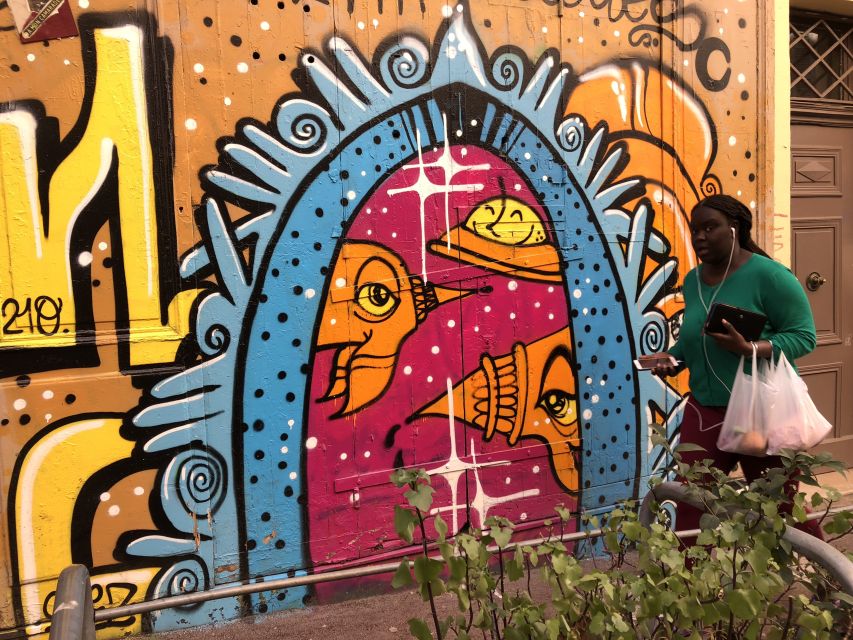
This tour fits best if you:
- Want a local guide who’s passionate and responsive to questions
- Like street art that comes with context—techniques, artists, and neighborhood meaning
- Enjoy walking through districts with real daily life, not just postcard streets
- Appreciate a small group pace and the built-in tea and drink stops
You might consider skipping (or choosing another style of tour) if:
- You need a fully private, no-one-else included experience
- You have mobility challenges, since it’s not suitable for people with mobility impairments
- You prefer quiet, low-stimulation sightseeing. Noailles is a functioning district with a lively market atmosphere
Should You Book This Tour?
I’d book it if your goal is to understand Marseille street art in context, not just take a set of photos. The combination of Noailles market life, a real included food-and-drink rhythm, and then Cours Julien street-art culture since the 1980s makes the 2 hours feel focused rather than scattered.
Just go in smart: wear comfortable shoes, bring your curiosity, and if you’re booking as a specific group, ask how group composition is handled. Do that, and you’ll get exactly what this kind of tour is best at—street art that actually has a place to live in.
FAQ
How long is the Marseille Street Art Walking Tour and Local Drink?
The tour lasts 2 hours.
Where do we meet for the tour?
You meet at 5 Cours Saint-Louis, 13001 Marseille.
What’s included in the price?
It includes a local licensed guide, an off-beat walking tour through artistic and bohemian areas, and one drink at the end.
Is food included?
Yes. You’ll enjoy mint tea and a pastry during the tour.
What neighborhoods will we visit?
You’ll explore Noailles and Cours Julien.
What languages are available for the live guide?
The tour guide is available in English, French, and Spanish.
Is the tour suitable for people with mobility impairments?
No, it’s not suitable for people with mobility impairments.
What should I bring?
Bring comfortable shoes for walking.
Can I get a refund if I cancel?
You can cancel up to 24 hours in advance for a full refund, and you can also reserve now and pay later.