REVIEW · BELFAST
World Famous Private Belfast Troubles Taxi Cab Tour 2 Hour
Book on Viator →Operated by Belfast famous black taxi tours · Bookable on Viator
Belfast has a way of getting under your skin quickly. This 2-hour private black cab tour is a practical route through the city’s most talked-about murals, with central hotel pickup and local, first-hand style storytelling. I like that the pace is tight (you see key sites without hunting down meeting points) and that you get a guide who can explain the conflict in a way that feels human, not textbook. One thing to consider: admission tickets aren’t included, so a couple stops may cost extra if you want anything beyond photos and short explanations.
The biggest win here is clarity. You’ll ride across Belfast, stop for photos, and get context on why places like Shankill Road and Divis matter. The guide names I’ve seen called out include Brendan, Gerard, and Sean, and the common thread is that they bring the story to life with photos and short clips along the way.
In This Review
- Key highlights that make this tour worth your time
- Price and logistics: what you’re paying for in Belfast
- The black cab advantage: faster, closer, and more personal
- Stop-by-stop guide: what each place teaches you
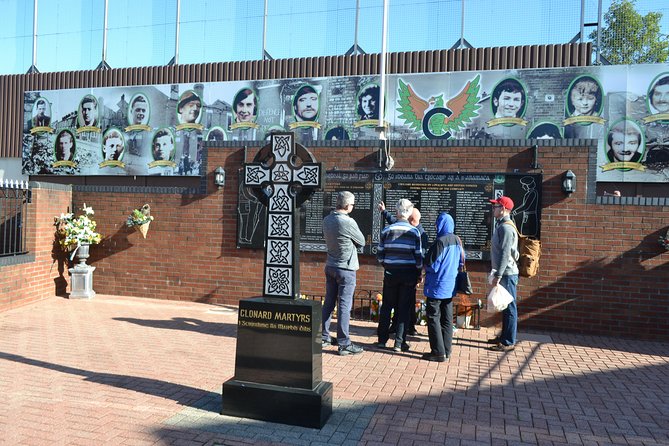
- Bobby Sands Mural: the photo stop that sets the mood
- Shankill Road: loyalist murals and the community lens
- Divis flats: the human-shields story in plain terms
- International Mural Wall on Divis Street: many causes, many names
- Second Bobby Sands mural: the Republican Falls road angle
- Peacewall: the divide you can literally walk around
- What the guide experience actually changes for you
- How to get the most out of your 2 hours
- Who this tour suits best
- Rating and value: is it worth $121.08?
- Should you book this Belfast Troubles Taxi Cab Tour?
- FAQ
- How long is the Belfast Troubles taxi tour?
- Does the tour include hotel pickup?
- Are tickets or admission fees included for the stops?
- Is this tour private?
- What language is the tour offered in?
- What is the cancellation policy?
Key highlights that make this tour worth your time
- Private black cab transport with central pickup and drop-off so you don’t burn time on logistics
- Murals that frame the Troubles—including Bobby Sands MP murals on both sides of the story
- Peace wall focus on how today’s Belfast still physically divides communities
- A guide who explains both viewpoints instead of turning it into one long lecture
- Short, photo-friendly stop times that keep the flow moving across the city
Price and logistics: what you’re paying for in Belfast
At about $121.08 per person for roughly 2 hours, you’re not buying a bus tour experience. You’re buying speed, privacy, and a guide who can steer the day around what you want to understand. The tour is private, meaning only your group rides, and you’re in a black cab style vehicle rather than a generic van.
The best part for most people is the pickup structure. There’s free city-centre pickup with hotel access, plus drop-off that’s 1km from Belfast City Hall. If your accommodation is farther out, you’ll want to know there’s a cash surcharge on the day if pickup/drop-off is outside that free zone, paid to the guide. The meeting option is also simple: you can pick up at the front gates of Belfast City Hall if you’re there just for the day.
You also get a mobile ticket, and the tour runs with multiple departure times, so it’s easier to fit into a busy schedule.
Now, the small-but-important catch: drinks and food aren’t included, and a few stops note that admission tickets aren’t included. Practically, that means you can still enjoy the murals and explanations, but if any site requires paid entry, you may pay separately.
You can also read our reviews of more tours and experiences in Belfast.

The black cab advantage: faster, closer, and more personal
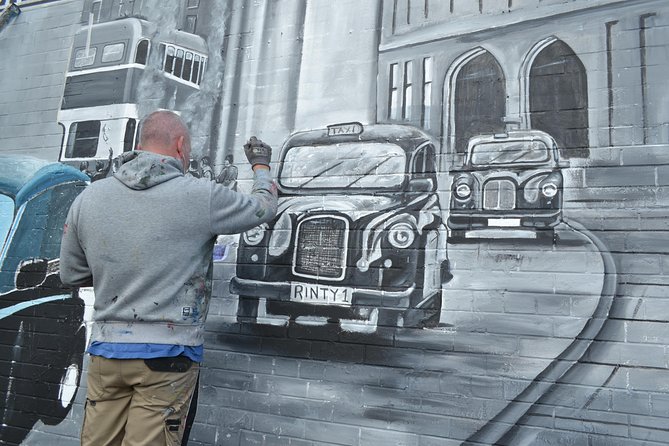
Belfast’s Troubles sites don’t sit neatly in one “tourist loop.” They’re spread, and the stories are tied to specific streets. That’s why riding across the city in a black cab matters: you’re getting direct local movement plus a guide who can answer questions while you travel between points.
This setup also changes the tone. A private cab means the guide can pace the stops to your questions—whether you want more background on a mural’s symbolism, or you’d rather focus on what the place feels like today. Several guides are described as passionate and professional, and you’ll also notice the storytelling uses short video clips and lots of pictures. It’s a smart way to handle heavy material without turning the trip into a slog.
One more practical note: service animals are allowed, and the route is described as near public transportation. That can help if you need a simple backup plan for getting to City Hall.
Stop-by-stop guide: what each place teaches you
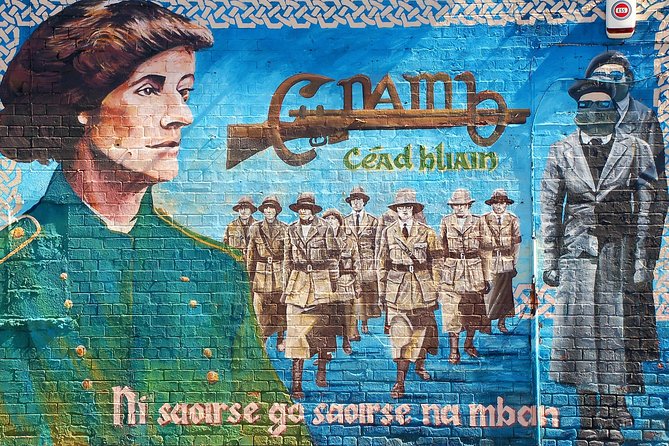
This tour is built around short stops—mostly 15 to 30 minutes—so you’re never stuck at one spot for ages. I like that structure because it keeps the day readable: photo, brief context, then move on while the story is still fresh.
Bobby Sands Mural: the photo stop that sets the mood
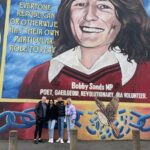
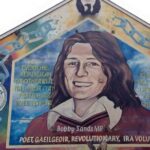
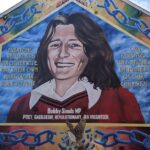
The first stop is a Bobby Sands MP mural, famous around the world, with time for a quick photo beside it. The guide explains the 1981 hunger strike, noting that 10 men from the IRA and INLA gave their lives. Even if you know the name already, seeing how the mural sits in Belfast street life makes it real in a different way.
What to expect: you’ll spend around 15 minutes here, and the focus is on meaning—why this image endures and what it represented in 1981. Admission isn’t included, so treat it mainly as a street-level visit.
Possible drawback: if you arrive already overloaded with political background, you might want to skim the “big picture” quickly so you don’t feel slowed down early in the tour. The upside is that this stop gives you a needed baseline before you head into Shankill Road and Divis.
Shankill Road: loyalist murals and the community lens
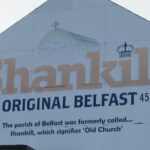
Next is Shankill Road, described as the heart of a community and the birthplace of the UDA and UVF, groups that fought against the IRA. You’ll look at murals and hear the history tied to them, with a strong emphasis on how a loyalist neighborhood saw its own role during the conflict.
This stop runs about 30 minutes, longer than the first one. That extra time matters because Shankill Road isn’t just murals—it’s a living neighborhood, and the guide’s framing helps you see why different symbols can be both political and deeply personal.
Admission isn’t included here either, so you’re again relying on the guide’s explanation plus what you can take in from the streets.
Why this stop is so useful: it helps you understand that the Troubles weren’t one story. People had reasons, fears, and long memories. The guide’s approach aims to keep you from reducing everything to one moral headline.
Divis flats: the human-shields story in plain terms
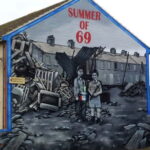
Then comes Divis—the Divis flats that were occupied by the British army for 25 years, including the detail that the top two floors were used in a way described as using people as human shields. This is one of the emotionally heavier stops on the route.
You’ll have about 15 minutes. That short window means you’ll get the key context without turning it into an extended memorial talk. Still, it’s the kind of place where you’ll likely want a moment to absorb what it must have meant for residents.
Admission tickets aren’t included, so plan to focus on the guide-led explanation plus what you can see around you.
Consideration: because the subject matter is intense, if you prefer a lighter pace, it can help to mentally prepare for one or two “hard” moments during the 2-hour run. The tour keeps the length short for a reason.
International Mural Wall on Divis Street: many causes, many names
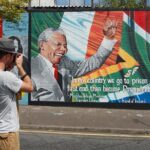
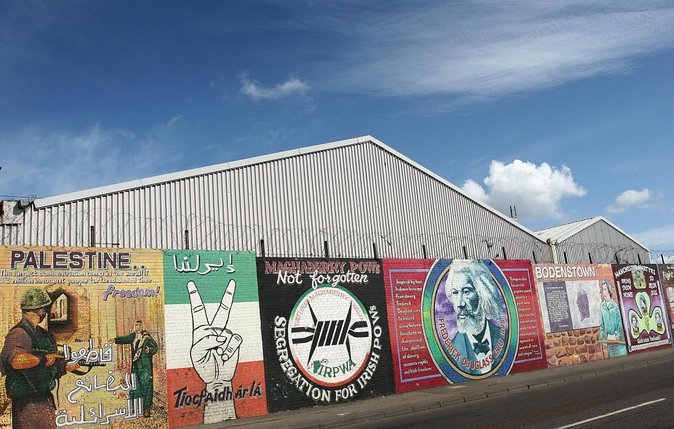
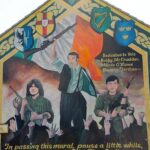
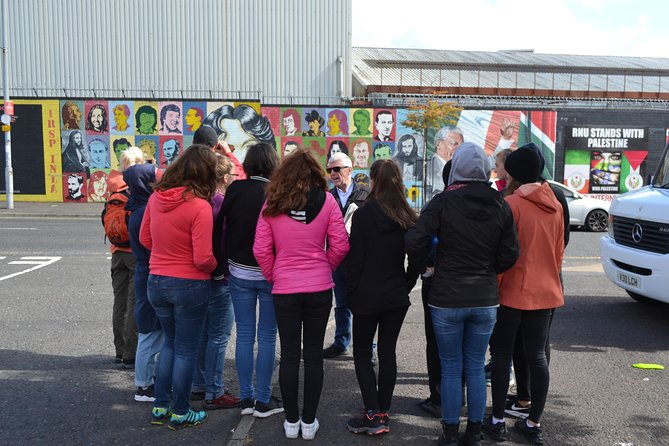
After the heavier stop, you get a different kind of visual: an International Mural Wall on Divis Street with over 40 murals. It includes supporters and themes associated with people like Fredduck Douglas (as listed), Nelson Mandela, plus references including Palestine and Cuba.
This one’s also about 15 minutes. The value here is that it reminds you Belfast murals weren’t only about local conflict; they also connected Belfast street art to international ideas. The guide explains that the murals were painted by local people who found talent for art during the conflict.
You’ll likely leave this stop thinking: symbols travel. Even when politics feel stuck, artists still find ways to link their world to other struggles.
Admission isn’t included, so again, you’re mostly getting meaning through the guide’s interpretation.
Second Bobby Sands mural: the Republican Falls road angle
The tour returns to a Bobby Sands mural again, this time described as a welcome point to the Republican Falls Road, which stretches several miles and is described as the birthplace of the IRA. You’ll get another 15 minutes here, and the guide ties the mural into the narrow-street setting.
What makes this stop useful is repetition with contrast. Seeing Bobby Sands in two different neighborhoods gives you a stronger sense of how the same figure can represent different hopes, loyalties, or grievances depending on where you stand.
As with other mural stops, admission isn’t included. Plan on photos, quick framing, and then a guided explanation that links the mural to the street it faces.
Peacewall: the divide you can literally walk around
The final stop is Peacewall Taxi Tours, focused on the peace wall that stretches over 20 miles across Belfast in different parts of the city. The wall divides Republican and loyalist communities, and the tour’s approach here is very practical: you’ll learn how the physical boundary became part of daily life.
This stop is about 30 minutes, which is the longest after Shankill Road. It’s likely because the guide needs time to explain how the wall affects movement, behavior, and the feel of the city today—not just what it symbolized back then.
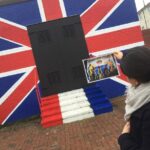
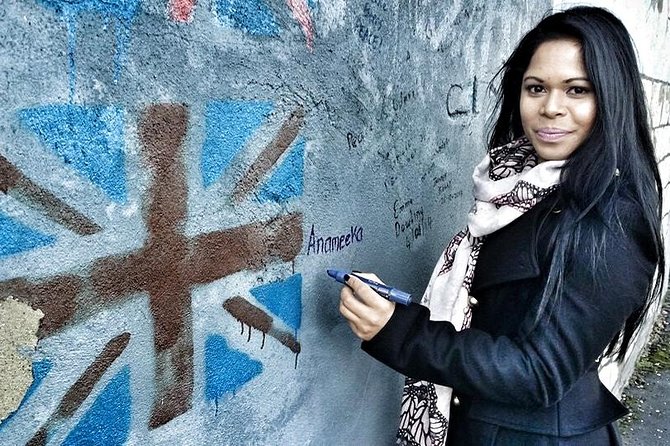
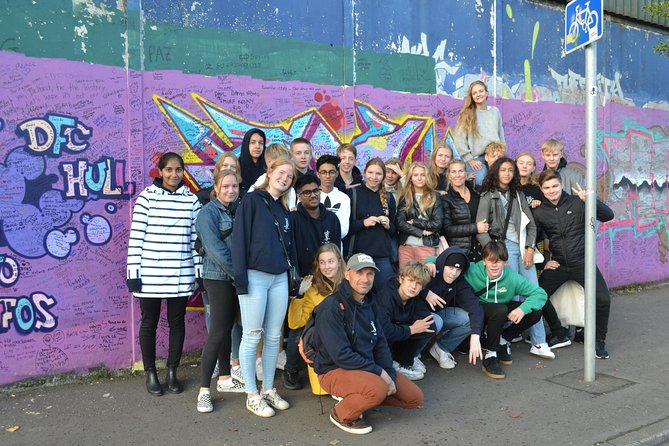
The tour notes that famous people have signed the wall, including President Clinton, Lady Gaga, and Morgan Freeman, and there’s also a chance for you to write your name with a quote. No admission tickets are listed here, and the value is in the combination of photos, explanation, and the odd, very human souvenir moment.
Consideration: the peace wall focus can feel more contemporary than the murals, so if you’re hoping for purely historical stops, this may be the most “today Belfast” part of the ride.
What the guide experience actually changes for you
A guide can make or break a conflict tour. The tone matters. The best part of this tour is the guide’s ability to explain the conflict with an attempt at balance—not by pretending everyone’s version is the same, but by showing why people from different sides saw their goals as necessary.
When you’re hearing a story like the hunger strike, or why Divis flats were treated in such a brutal way, balance doesn’t mean “both sides are the same.” It means you don’t get trapped in slogans. The guides described include people like Brendan, Gerard, and Sean, and the consistent theme is that they share context in a way that helps you follow the logic each side believed in at the time.
Also, the tour uses visual aids—pictures and short video clips—during the ride and at stops. That’s helpful because Troubles history can be hard to keep straight when you’re standing outside a mural with little time to absorb.
If you like asking questions, this private format gives you room to do it without feeling rushed.
How to get the most out of your 2 hours
This is a short tour, so small choices matter.
- Wear comfortable shoes. Even with brief stops, you’ll be walking in city streets and stepping out for photos.
- Keep water handy. Drinks aren’t included, and the tour runs through multiple neighborhoods.
- Decide what you want most: history details, symbolism, or what Belfast feels like now. Tell your guide early so they can steer the conversation.
- Be ready for emotion. Divis is the kind of place that hits hard, even with a short time on site.
If your schedule is tight, the central pickup and City Hall drop-off helps you save time. If you’re staying further out, plan for that cash surcharge if you go outside the free 1km zone.
Who this tour suits best
This black cab tour is a great match if you want:
- A fast route through Belfast’s major Troubles-related mural areas
- A private, guided way to understand why the city still looks the way it does
- A story that connects past events to present-day division, especially at the peace wall
It’s also a smart option if you’re the type who hates standing around trying to find the meeting point. The pickup structure is built for people with limited time.
On the flip side, if you want long museum-style stops or lots of indoor time, you might find the pace too brisk. Everything is designed to fit in about two hours.
Rating and value: is it worth $121.08?
A 4.7 out of 5 rating across 14 reviews (with 93% recommending it) tells me people are generally getting what they came for: clear guidance, good pacing, and a route that covers the most meaningful sites without wasting time.
Value here is less about “cheap” and more about “efficient and guided.” You’re paying for:
- Private transport in a Belfast black cab
- Hotel pickup and drop-off in the defined City Hall zone
- A local guide who uses visuals and can explain the conflict in a balanced way
- Photo moments, including a free pic
If you’re traveling with someone you trust enough to handle nuanced, sometimes uncomfortable history, the private format feels especially worth it.
Should you book this Belfast Troubles Taxi Cab Tour?
I’d book it if you’re visiting Belfast for a limited time and you want a focused, guided route through the murals and the peace wall. It’s built for people who want to understand the city’s “why” without spending half a day on logistics.
I would think twice if you’re sensitive to heavy political material and you don’t want any hard stops. Divis can be emotionally intense. Also, if you’re expecting all sites to be fully included, double-check where admission tickets aren’t included, so you aren’t surprised by extra costs.
If you want a clear, guided snapshot of Belfast’s Troubles past and present—delivered by a guide who can explain the logic on both sides—this private black cab tour is a strong choice.
FAQ
How long is the Belfast Troubles taxi tour?
The tour runs for about 2 hours.
Does the tour include hotel pickup?
Yes. There is free city-centre pickup with hotel, and drop-off within 1km of Belfast City Hall. Pickup/drop-off outside that zone includes a cash surcharge paid on the day to the guide.
Are tickets or admission fees included for the stops?
No. The stops listed show admission ticket not included. You may need to pay separately if any site charges.
Is this tour private?
Yes. It’s a private tour/activity, meaning only your group participates.
What language is the tour offered in?
The tour is offered in English.
What is the cancellation policy?
You can cancel for free up to 24 hours in advance for a full refund. If you cancel less than 24 hours before the start time, the amount paid is not refunded.