REVIEW · CAPE TOWN
Cape Town: Woodstock Street Art & Culture Tour
Book on Viator →Operated by One Day Africa · Bookable on Viator
Cape Town’s walls have a lot to say. This 2-hour walking tour through Woodstock and Salt River lets you read the city in murals, learn why artists paint where they do, and hear stories that go past the artwork itself.
I especially love how the guides connect each piece to everyday life—social and economic pressure, plus the forward-looking feel of a changing country. I also love meeting the tour’s local talent; guides such as Chandy and Terrence (with trainees who chime in) keep the conversation moving and make questions feel welcome.
One possible drawback: the experience depends on finding the right meeting point on time. One review noted they started about 30 minutes late when the meeting location wasn’t clear, so I’d show up early and confirm details.
In This Review
- Key Highlights You’ll Actually Remember
- Street Art in Cape Town, But With Real-Life Explanations
- Where You’ll Walk: Woodstock and Salt River in Plain Terms
- Your Two-Hour Flow: How the Walk Feels From Stop to Stop
- The Biggest Win: Purposeful Street Art With a Social Lens
- Guides Who Make It Personal: Chandy, Terrence, and Shipo
- Price and Value: Is $38.65 Worth Two Hours?
- What to Bring and How to Prepare (Without Overthinking It)
- Who This Tour Suits (and Who Might Want Another Style)
- Quick Practical FAQ
- FAQ
- How long is the Cape Town Woodstock Street Art & Culture Tour?
- How much does the tour cost?
- Where does the tour take place?
- Will I get a ticket on my phone?
- How big are the groups?
- When will I receive confirmation?
- Is the tour close to public transportation?
- Are service animals allowed?
- Can most people participate?
- Book It or Skip It: My Take
Key Highlights You’ll Actually Remember

- You get more than pretty murals: you’ll hear the social reasons they exist, not just what they look like
- Woodstock + Salt River context: you’ll walk areas that don’t usually get a lot of tourist attention
- Artist stories with names you might recognize: guides like Chandy and Terrence bring the local vibe
- Learning the “how” behind the work: you’ll hear about motivations and different techniques artists use
- A purposeful street art lens: this isn’t treated like random graffiti; it’s framed as communication
- Small group energy: maximum group size is 30, so you’re not swallowed by the crowd
Street Art in Cape Town, But With Real-Life Explanations
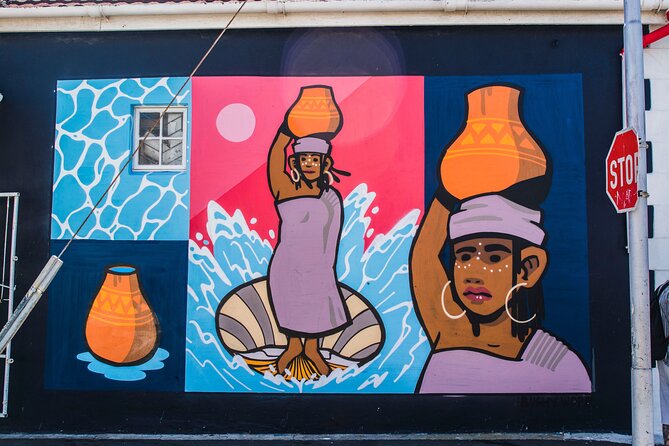
If you’ve only seen Cape Town through postcards, this tour changes the angle fast. You’ll be on foot in neighborhoods where the walls act like community bulletin boards. The big idea is simple: street art here is not only decoration. It’s a way people express identity, pressure, resistance, and hope.
What makes it work is the guide’s approach. You don’t just stop for photos and move on. You walk from piece to piece and get the story behind it—what’s happening in the area, what artists want viewers to understand, and how art can shift a neighborhood’s self-image over time. In short, you’re studying street art as a living conversation.
And yes, the art itself is impressive. You’re promised some of the best street art from around the world, but the tour keeps the focus on place. In other words: you’re not collecting street scenes like souvenirs. You’re learning how art travels with people and politics.
You can also read our reviews of more tours and experiences in Cape Town.



Where You’ll Walk: Woodstock and Salt River in Plain Terms
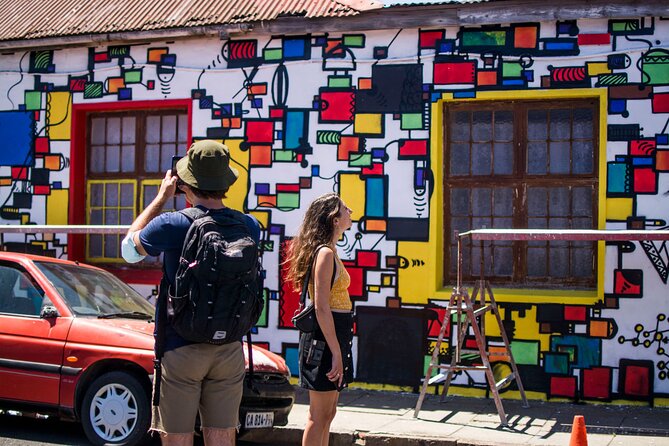
The route centers on Woodstock and Salt River, two Cape Town neighborhoods closely tied to the city’s modern creative scene. On this walk, you’ll spend about 2 hours moving through streets where you can spot a mix of mural work, large-scale images, and smaller pieces.
The guide shapes what you notice. One of the clearest themes is that these neighborhoods face real challenges—social and economic issues show up in the conversations around the art. You’ll also hear about positives: why creative people keep working, why the scene matters, and how the community uses art as a voice.
One review highlighted an area called Salt Circle, mentioned as a spot with multiple examples of mural street art connected to festivals or exhibitions. If your tour touches that area, it helps explain why some work feels designed for public meaning, not just tagging. Even when the art is bold, it still has purpose.
Your Two-Hour Flow: How the Walk Feels From Stop to Stop
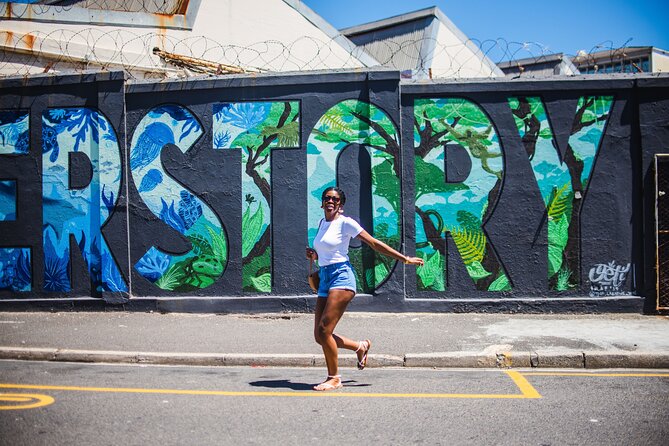
There isn’t one “museum moment” here. This tour is a sequence of street pauses. You’ll walk, then stop at specific works long enough to understand what you’re looking at.
At each stop, the guide typically does three things:
- Reads the artwork with you—what’s depicted and why it might be there.
- Connects it to the neighborhood—the social or economic issue in the background.
- Explains the artist side—their motivations and the techniques they use.
That third part is a big deal. Street art can look like a random burst of color if you don’t have context. Here, you’re taught to ask better questions: What problem is this piece responding to? What does the artist want you to notice first? Why this wall, this street, this moment?
There’s also a strong conversation feel. Several guides in the feedback encouraged questions, and it shows. If you’re the type who likes to ask why someone chose a certain image or what a symbol means, this style suits you.
Since the tour is about 2 hours, the pace stays focused. You shouldn’t feel dragged, but you also shouldn’t expect a slow, long sightseeing crawl. It’s more like guided reading walk meets street-level art class.
The Biggest Win: Purposeful Street Art With a Social Lens
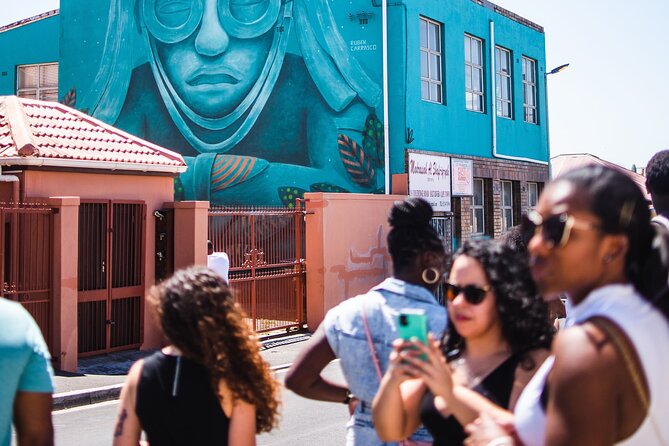
A lot of people assume “street art” means graffiti only. This tour frames it differently. The art is treated as communication—sometimes personal, sometimes political, often rooted in community life.
That’s why the tour spends time on themes like:
- social and economic challenges people face in Woodstock and Salt River
- discussion about the changing direction of South Africa
- the balance of struggle and optimism in the creative scene
One review called out that the tour avoided the typical graffiti stigma and highlighted street art with meaning. That’s the tone I think you’ll feel on the ground: you’ll be looking at images and also at the reasons those images exist.
And when you learn the “why,” your enjoyment goes up. A mural stops being only aesthetic. It becomes a story you can track—motivation to technique, technique to message, message to neighborhood. That’s the part you carry with you after the tour ends.
Guides Who Make It Personal: Chandy, Terrence, and Shipo
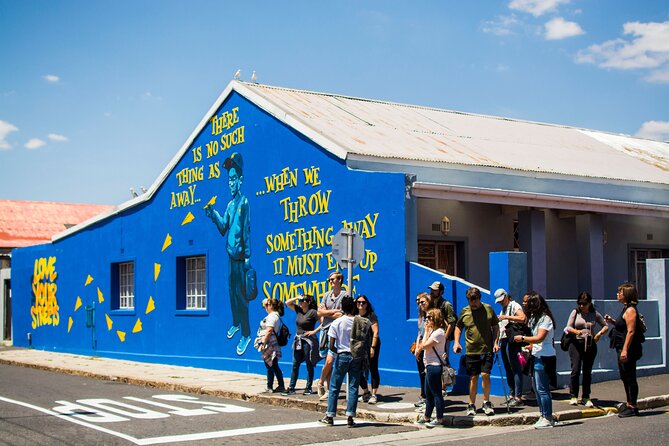
The guide matters on this kind of tour. Not everyone can talk about art and still keep it human and local.
From the feedback, several names kept coming up:
- Chandy: described as wise and thoughtful, with an experience that feels educational but still fun
- Terrence: noted as personable, very knowledgeable, and encouraging lots of questions
- Shipo: credited for clear explanations of the history behind different paintings
Also, the group structure can include a trainee. A couple of reviews mention both the main guide and a trainee, which often makes the stops feel more interactive. You’re not just watching one person talk at you.
For you, this matters because street art interpretation can swing wildly. You want a guide who can explain symbols and context without turning the walk into a lecture. The strongest reviews repeatedly mention patience and good conversation.
Price and Value: Is $38.65 Worth Two Hours?

At $38.65 per person for about 2 hours, the price lands in the “good value for what you get” category. Here’s how I’d judge it.
You’re paying for three things that are hard to replicate on your own:
- Local storytelling: the meaning behind pieces and why they’re placed there
- Artist motivation + technique explanation: you’re taught how to look
- A guided route: you see more than what you’d stumble onto randomly
This isn’t a full-day tour with long transfers. It’s a compact, walkable slice of the city’s creative culture. If you’re short on time in Cape Town, that’s a win.
Also, the group size caps at 30, which helps keep the tour from becoming a noisy shuffle. If you’ve ever done a crowded walking tour where you hear nothing, you’ll appreciate this detail.
One more practical note: it’s commonly booked about 15 days in advance. That doesn’t mean you can’t find space later, but it’s a sign it’s popular. If your schedule is tight, booking sooner is smart.
What to Bring and How to Prepare (Without Overthinking It)
You’re walking through a neighborhood, pausing at street-level art. That means small practical choices matter.
Bring:
- comfortable shoes you can stand in
- sun protection and water, especially if your day is warm
- a charged phone for photos and notes
Since the tour is near public transportation, you can plan to connect to local routes rather than relying on a car. Keep an eye on timing so you’re not rushing to catch the start.
One more thing: confirmation happens at booking, and the tour uses a mobile ticket. So you’ll want that ticket accessible on your phone when you arrive.
Who This Tour Suits (and Who Might Want Another Style)

This is a great fit if you like:
- street art with explanations, not just pictures
- local perspectives on what daily life is like in these neighborhoods
- conversations about social change and community issues
It’s also a strong option for first-time visitors who want something beyond the usual Cape Town highlights. The tour’s value is partly that it takes you to areas most people don’t visit on autopilot.
If you want a purely visual art tour with no talk of politics, social problems, or community history, you might find the discussion portion heavier than you expected. The whole point here is meaning, not just style.
Based on reviews and the described focus, this walk also tends to work well for people who ask questions and enjoy dialogue. If you like to learn while moving, you’ll likely feel at home.
Quick Practical FAQ
FAQ
How long is the Cape Town Woodstock Street Art & Culture Tour?
It’s approximately 2 hours.
How much does the tour cost?
The price is $38.65 per person.
Where does the tour take place?
It takes place in Cape Town, focusing on the neighborhoods of Woodstock and Salt River.
Will I get a ticket on my phone?
Yes. The tour offers a mobile ticket.
How big are the groups?
The maximum group size is 30 travelers.
When will I receive confirmation?
Confirmation is received at the time of booking.
Is the tour close to public transportation?
Yes, it’s near public transportation.
Are service animals allowed?
Yes, service animals are allowed.
Can most people participate?
Yes, most travelers can participate.
Book It or Skip It: My Take
If you’re the type who notices art and then wonders what it’s saying, I think you’ll really enjoy this. The best parts for me are the combination of purposeful street art plus guides who connect the work to real community issues and creative momentum in Woodstock and Salt River.
I’d book it if you want a focused 2-hour activity that’s more thoughtful than a typical walking photo stop. I’d hesitate only if you strongly prefer zero context and purely aesthetic sightseeing.
Either way, go with comfortable shoes and an open mind. Cape Town’s murals are ready to talk—and this tour helps you listen.