REVIEW · ZAGREB
Zagreb Street Art Private Walking Tour with a Local Artist
Book on Viator →Operated by Kresimir Golubic · Bookable on Viator
Zagreb’s street art is quieter than you expect. This private 3-hour walk turns alley murals and wall tags into a story you can actually read, led by local artist Kresimir. I like that it’s designed to be easy on your feet as you go, with air-conditioned transfers when needed and a walk that keeps things eco-friendly.
You’ll also get the kind of street-art education that sticks: Kresimir connects styles like graffiti, paste-ups, letter art, and murals to the city you’re seeing. The route is built around real neighborhoods, not a single photo-stop loop, so you end up with a clearer sense of how the street scene works.
One thing to plan for: this is a walking-focused tour with moderate physical fitness needed, and it also depends on good weather since street art doesn’t come with indoor backups.
In This Review
- Key Highlights You Should Know
- Why This Zagreb Street Art Tour Works So Well on Foot
- Meet Your Guide: Kresimir Golubic and the Street-Art Context You’ll Carry Home
- Your 3-Hour Walking Route: From Opatovina Park to the Atelier
- Stop 1: Opatovina Park (about 25 minutes)
- Stop 2: Ban Josip Jelačić Square (about 15 minutes)
- Stop 3: Stube Ivana Zakmardija (about 25 minutes)
- Stop 4: Martićeva ulica (about 40 minutes)
- Stop 5: Držićeva (about 40 minutes) — Visiting the Atelier
- Stop 6: Jukićeva ulica (about 40 minutes) — Art Centar Zagreb
- Transfers, Timing, and Walking Comfort in Zagreb
- English, Private Format, and Why That Changes the Whole Experience
- Price and Value: Is $42.14 Worth It?
- Weather and What to Do If the Forecast Looks Risky
- Photo Tips That Match This Route
- Who Should Book This Tour (and Who Might Want Another Plan)
- Should You Book This Zagreb Street Art Private Walking Tour?
- FAQ
- What is the duration of the Zagreb street art walking tour?
- Where does the tour start?
- Where does the tour end?
- Is it a private tour?
- What language is the tour offered in?
- What is the price per person?
- What stops are included?
- Is there a ticket cost for the stops?
- How soon will I get confirmation?
- What happens if the weather is poor?
Key Highlights You Should Know
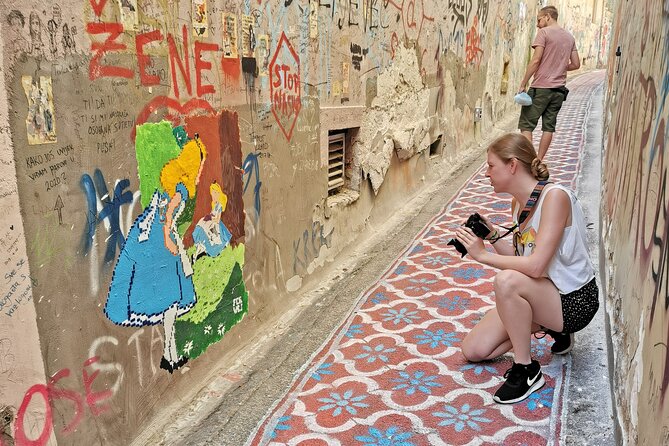
- Local artist storytelling: Kresimir Golubic explains what you’re seeing in plain terms.
- 6 style-focused stops: Parks, squares, side streets, and art spaces—each with a different feel.
- No extra tickets at the sights: Stops are free to enter as listed.
- Comfortable pace with transfers: You’re walking, but you’re not overheating the whole time.
- Ends at the atelier: The tour finishes at the artist’s studio area, so it lands on something personal.
- English language tour: Clear communication for international visitors.
Why This Zagreb Street Art Tour Works So Well on Foot
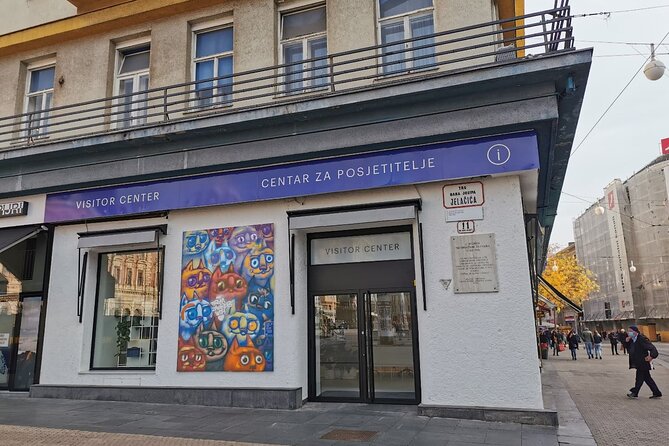
Zagreb can surprise you. If you only stick to the big-name sights, you miss the visual language living in stairwells, walls, and underpasses. This tour is built around reading that language as you walk—slow enough to notice details, structured enough to keep you from getting lost in your own photos.
I like that the experience doesn’t treat street art like a random scavenger hunt. Instead, it’s presented as art with recognizable styles, from early graffiti habits to more design-heavy mural work. That matters, because once you learn how to look, you’ll spot the differences everywhere you go in the city after the tour.
Also, the private format helps. You’re not sharing your route with strangers, so the guide can adjust pace and conversation based on what you’re actually interested in—tags versus murals, letter forms versus techniques.
Meet Your Guide: Kresimir Golubic and the Street-Art Context You’ll Carry Home
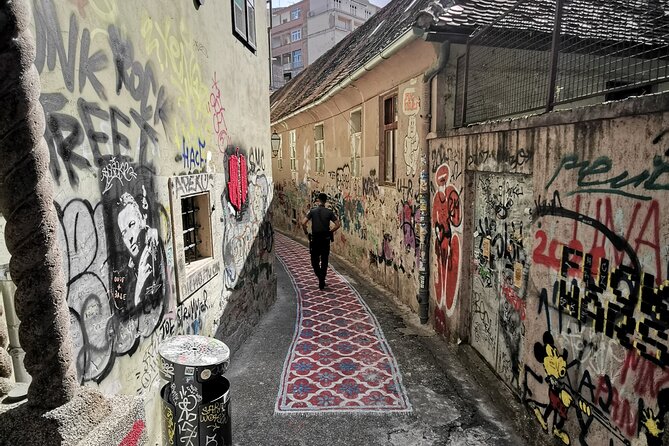
Your guide is Kresimir Golubic, a Croatian artist who leads this as a true local experience rather than a generic slideshow. In practice, that means you’re not just hearing what street art looks like—you’re learning what street artists do, how styles develop, and why Zagreb’s street scene looks the way it does.
The best part is the way the tour connects technique to place. Instead of saying the art is meaningful because it’s art, Kresimir points to details you can see: how letters behave on walls, how different types of street work show up in different spots, and why certain styles tend to appear where they do.
If you’ve ever seen a mural and wondered why it looks so different from a tag or a paste-up, this tour is set up for that question. You’ll come away with a mental “style map” that makes the next wall you see feel less like wallpaper and more like a message.
Your 3-Hour Walking Route: From Opatovina Park to the Atelier
This is about three hours on foot, with stops that are listed at roughly 15–40 minutes each. The route is private, and you’ll use the meeting point at Trg bana Josipa Jelačića 11 to get started. The final stop ends near the Meridijankrižanje area at the Vukovarska and Držićeva cross streets, and the tour finishes at Kresimir’s atelier/studio.
What makes this route good is the variety. You don’t only see murals; you also see the “in-between” locations—side streets, squares, and stair-like spaces—where street art often tells you more about local culture.
Stop 1: Opatovina Park (about 25 minutes)
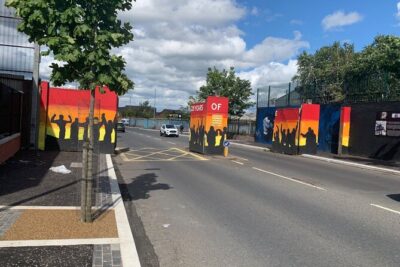
Opatovina Park is a strong starter because it gives you walls that feel made for art to live on—less intimidating than a main street, but still public enough to show how street art interacts with everyday life.
This is a good moment to get your eyes calibrated. Look for how the surface changes the artwork: texture, lighting, and the way people walk past. If you’ve never really looked at graffiti and mural work as “designed for a wall,” this first stop helps you understand the basics fast.
Stop 2: Ban Josip Jelačić Square (about 15 minutes)
The main square is the place where street art can feel like it should be forced, but Zagreb keeps it grounded. You’ll check several artworks right at the square level, which is useful because it shows how street art sits next to formal city space.
This stop is short on purpose. You get a dose of street art in a high-visibility area, and then you move on before the vibe turns into one big crowd-and-photo blur.
Stop 3: Stube Ivana Zakmardija (about 25 minutes)
Stube Ivana Zakmardija is where street art starts to feel more architectural. Stairways and tight passage-like spaces tend to amplify street-art impact because the walls become part of the movement—your body is literally moving through the art.
Expect more concentrated visuals here. This is a place where you can notice letter shapes, composition, and how different types of street work relate to the same space.
Stop 4: Martićeva ulica (about 40 minutes)
Martićeva ulica is the mural stretch. The listings describe it as a place with a lot of nice murals, and that’s exactly the point: this is where you slow down and see how mural styles compare to tags and paste-ups.
For photo lovers, this is one of your best chances. The wall scale often gives you a chance to back up, capture full scenes, and then zoom for details. Just watch your footing—some mural streets are uneven or have spots where you’ll naturally keep looking up.
Stop 5: Držićeva (about 40 minutes) — Visiting the Atelier
Držićeva is special because you don’t stop at a wall and call it done. You visit the atelier/studio area, which shifts the tour from street-reading to artist-thinking.
This is the part that turns street art from a passing curiosity into something more personal. Even if you’re not an art person, you’ll likely appreciate how the studio connects what you saw outside to the process behind it.
Stop 6: Jukićeva ulica (about 40 minutes) — Art Centar Zagreb
You end with a stronger look at the art scene through Jukićeva ulica, described as the art center area of Zagreb. This stop helps you place street art in a wider city ecosystem rather than treating it as a separate world.
You’ll see how public art energy can connect with organized creativity—useful if you’re trying to understand why certain styles show up, persist, or evolve.
Transfers, Timing, and Walking Comfort in Zagreb
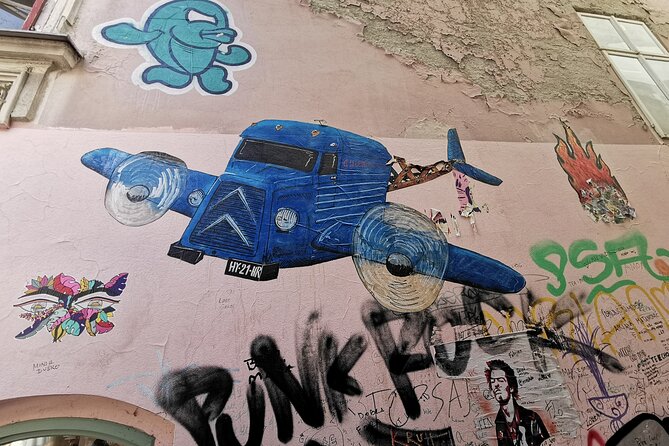
Even though it’s a walking tour, it’s not a forced march. The highlights mention comfortable, air-conditioned transfers, which matters in a city where summer heat can flatten your stamina.
Expect a pace that’s realistic for a three-hour format: time at each stop is built-in, and the tour keeps you moving from one style zone to the next. The only true “watch-out” is that this is still walking. The tour notes moderate physical fitness is required, so if your mobility is limited, it’s smart to consider whether you’re comfortable with steady walking between stops.
Also, since the tour ends at the atelier/studio, timing matters. The studio has listed hours Monday–Friday from 10:00 AM to 3:00 PM. If your tour date falls outside that window, it’s worth paying extra attention to the exact time you’re booked for.
English, Private Format, and Why That Changes the Whole Experience
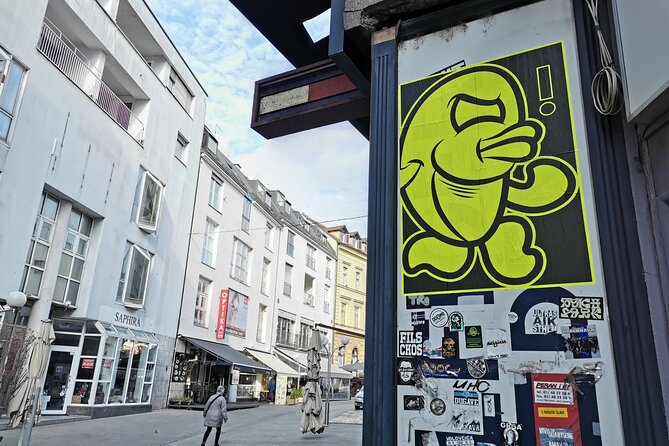
This tour runs in English, which is a big deal for a subject like street art where technique and terminology can get technical fast. Here, the goal is practical understanding—so you leave able to identify what you’re looking at, not just take pictures of it.
The private format also makes the difference. Only your group participates, so you can ask follow-up questions without waiting for a crowd. If someone in your party is less into street art and more into city context, you can still keep things balanced because Kresimir can steer conversation toward what you care about.
Price and Value: Is $42.14 Worth It?
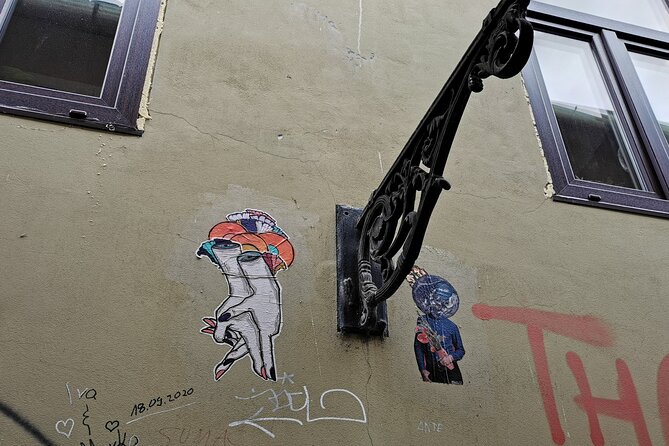
At $42.14 per person for about three hours, the price makes sense if you compare it to what you’d spend doing similar “guided but random” city wandering on your own. What you’re really paying for is the combination of:
- A local working artist as your guide (Kresimir Golubic)
- A route with multiple stop types, not just one mural wall
- Time spent at an atelier/studio, which adds context beyond the street
- Transfers that help keep the experience comfortable
Street art tours can be hit-or-miss when they rely on generic commentary. Here, the value comes from the fact that you’re learning the “how to look” part—style, technique, and meaning—while moving through real Zagreb spaces. If you care about seeing the city with intent, this is the kind of tour where the ticket price feels like it disappears quickly because you’re busy noticing details.
Weather and What to Do If the Forecast Looks Risky
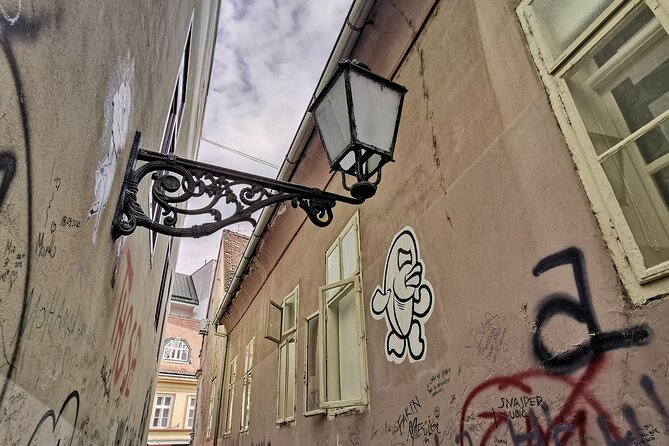
The experience notes that it requires good weather. That’s common for walking tours, but it’s especially true for street art because you don’t want to rush past walls and hope you can still read the details.
If the forecast is questionable, don’t just think about getting wet. Think about your ability to slow down and look. This tour works best when you can stand close to walls, check surfaces, and actually take in the art styles the guide is pointing out.
Photo Tips That Match This Route
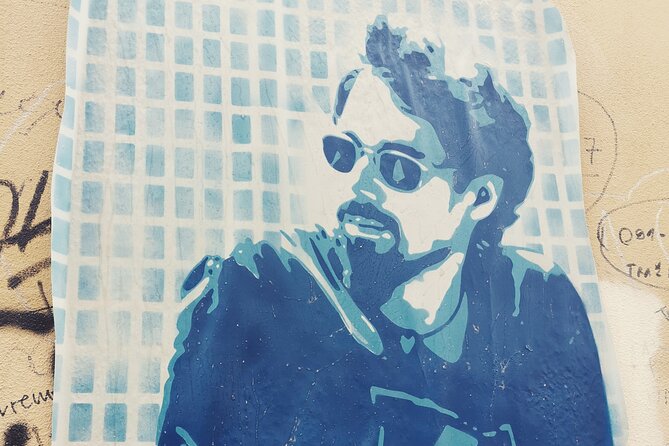
If you want photos that go beyond “I was there,” use this route the way it’s designed:
- Start each stop by photographing one wide shot, then one close detail shot.
- In squares and parks, keep an eye on backgrounds—street art often looks better when you include the environment it’s in.
- Save your most patient time for Martićeva ulica, where murals are the main focus.
And one practical note: in a walking tour, you’ll be stopping and starting. Keep your camera accessible and your lens clean. Street art is a small city environment full of dust, weather, and wall texture.
Who Should Book This Tour (and Who Might Want Another Plan)
This is a great fit if you:
- Want a street art education rather than only sightseeing
- Like walking city neighborhoods where the walls actually matter
- Prefer a private guide who can tailor pace and questions
- Enjoy art forms like graffiti, paste-ups, letter art, and murals
It may be less ideal if you:
- Struggle with moderate walking over a three-hour period
- Need a strictly indoor plan, because the tour depends on good weather
- Want only major monuments; this tour is about street culture more than landmarks
If you’re already planning a day around Zagreb’s center, this tour gives you a different lens. It’s also a smart way to get oriented visually, so the rest of your trip feels clearer.
Should You Book This Zagreb Street Art Private Walking Tour?
Yes—if you want to see Zagreb with sharper eyes. The biggest reason to book is simple: you’re not only looking at street art, you’re learning how to recognize styles and why they show up in specific places. Add the private format and the ending at Kresimir Golubic’s atelier/studio, and you’ve got an experience that feels like a real local introduction, not a mass tour.
Book ahead if you can. It’s often reserved around a week out on average, so waiting until the last minute can shrink your options.
FAQ
What is the duration of the Zagreb street art walking tour?
The tour lasts about 3 hours.
Where does the tour start?
The meeting point is Trg bana Josipa Jelačića 11, 10000 Zagreb, Croatia.
Where does the tour end?
The tour ends near Meridijankrižanje at the Vukovarske and Držićeve street area, and the street art tour finishes at the artist’s atelier/studio.
Is it a private tour?
Yes. It’s a private tour/activity, and only your group will participate.
What language is the tour offered in?
The tour is offered in English.
What is the price per person?
The price is $42.14 per person.
What stops are included?
The route includes Opatovina Park, Ban Josip Jelačić Square, Stube Ivana Zakmardija, Martićeva ulica, Držićeva (atelier visit), and Jukićeva ulica.
Is there a ticket cost for the stops?
The listed admission for each stop is free, so you generally won’t need extra entry tickets at the sights included.
How soon will I get confirmation?
You should receive confirmation within 48 hours of booking, subject to availability.
What happens if the weather is poor?
The experience requires good weather. If it’s canceled due to poor weather, you’ll be offered a different date or a full refund.