REVIEW · COLOGNE
Cologne: Ehrenfeld Street Art Bike Tour
Book on GetYourGuide →Operated by Colonia Aktiv · Bookable on GetYourGuide
Street art hits different when you’re moving. Cologne’s side streets turn up big murals, tiny pavement pieces, and the kind of art you’d normally miss. I like how the tour blends creative stops with neighborhood life in the Belgian Quarter and Ehrenfeld, not just the postcard view of the center. One thing to consider: you’re riding on city roads, so you’ll want to feel comfortable biking in traffic and keeping a steady pace for 3 hours.
The guiding can make or break this kind of tour, and the standard here looks high. Names like Christian, Tobias, and Rainer show up in past groups for being fun and seriously informed, with Christian especially praised for turning the ride into an ongoing cultural conversation without dominating it. You’ll also get route decisions that adapt to traffic and tempo, which matters more than you might expect when you’re hopping between photo stops.
For value, I like that the price includes the basics you’d otherwise pay for: a City Bike (plus helmet) and a rain poncho if needed. You’ll still want to plan on no included food or drinks, and the 20-minute café break is just that—enough time for a quick reset, not a full meal.
In This Review
- Key Things You’ll Notice on This Cologne Street Art Bike Ride
- Why Cologne’s Belgian Quarter and Ehrenfeld Are Perfect for Street Art
- Getting Started: Meeting Near Eigelsteintor and Choosing Your Start Point
- Riding the Route: From Photo Stops to Unexpected Street Art
- The Ehrenfeld Moment: Why the Café Break Works
- Colonius TV Tower and Media Park: Seeing How Street Art Connects to Modern Cologne
- Bikes, Helmets, and Weather: What’s Included and What to Bring
- Tour Pace, Road Comfort, and How to Get the Best Experience
- Price and Value: Is $50 Worth It for 3 Hours?
- Who This Tour Fits Best (and Who Might Want a Different Style)
- Should You Book This Cologne Street Art Bike Tour?
- FAQ
- How long is the Cologne Ehrenfeld Street Art Bike Tour?
- What areas of Cologne does the tour focus on?
- What’s included in the price?
- Is food or drinks included?
- Where do I meet the guide?
- What languages are the tour guide speaking?
Key Things You’ll Notice on This Cologne Street Art Bike Ride
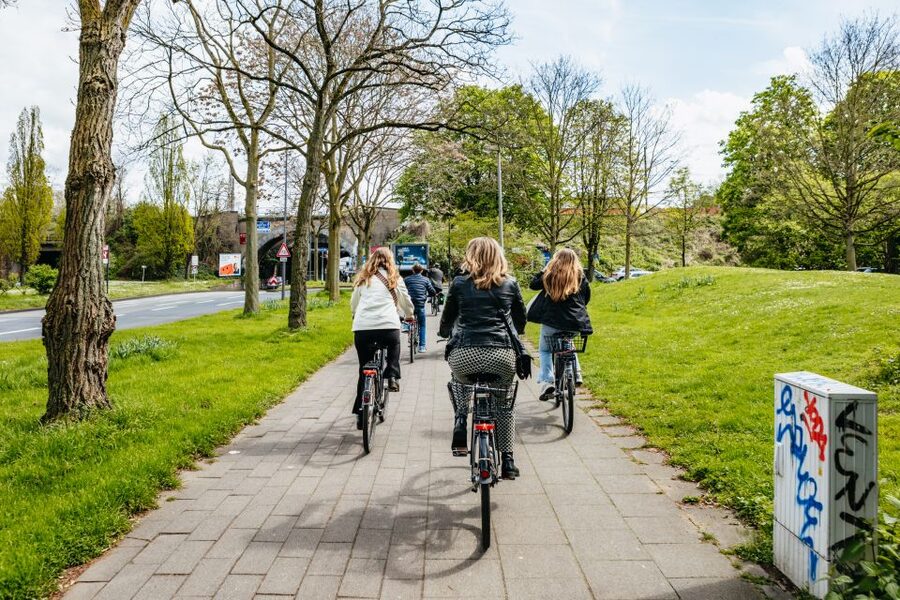
- Street art you can’t easily find on your own, from large walls to small pavement works in everyday places
- Belgian Quarter focus, with international artists and talk about techniques that go beyond graffiti stereotypes
- Ehrenfeld neighborhood texture, including studios and a more artsy local rhythm away from the center
- A pace that fits photos and learning, with scheduled stops that keep the ride from feeling rushed
- Safety and confident group leadership, praised for making the ride feel controlled and easy to follow
- 3-hour value with bike rental, helmet, and weather cover included
Why Cologne’s Belgian Quarter and Ehrenfeld Are Perfect for Street Art
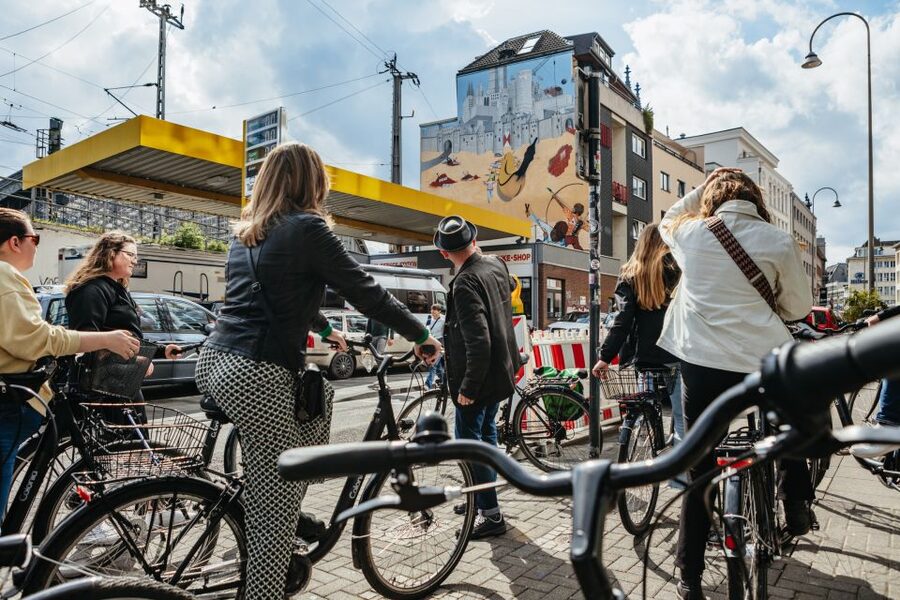
Cologne’s famous sights are great, but street art lives where people actually work, shop, hang out, and commute. That’s why the emphasis on the Belgian Quarter and Ehrenfeld works so well. You’re not just watching art from a distance—you’re seeing it as part of daily streetscape.
The Belgian Quarter is the kind of place where creativity shows up in the public eye. You’ll pass works tied to international artists, and the guide is set up to explain how modern street artists build their style and technique. The result is that you start noticing layers: style choices, materials, placement logic, and how the art relates to the building or street.
Ehrenfeld brings a different feel—more local, more artsy, and very much in the orbit of contemporary studios. This is where you’ll start to get the sense that the street art scene isn’t a one-off event. It’s connected to the people making and supporting it.
One more reason this route is smart: it keeps you off the busiest tourist churn. You’ll still be near major spots in the city on the edges of your route, but your “main story” is happening in residential and creative zones.
You can also read our reviews of more tours and experiences in Cologne.
Getting Started: Meeting Near Eigelsteintor and Choosing Your Start Point
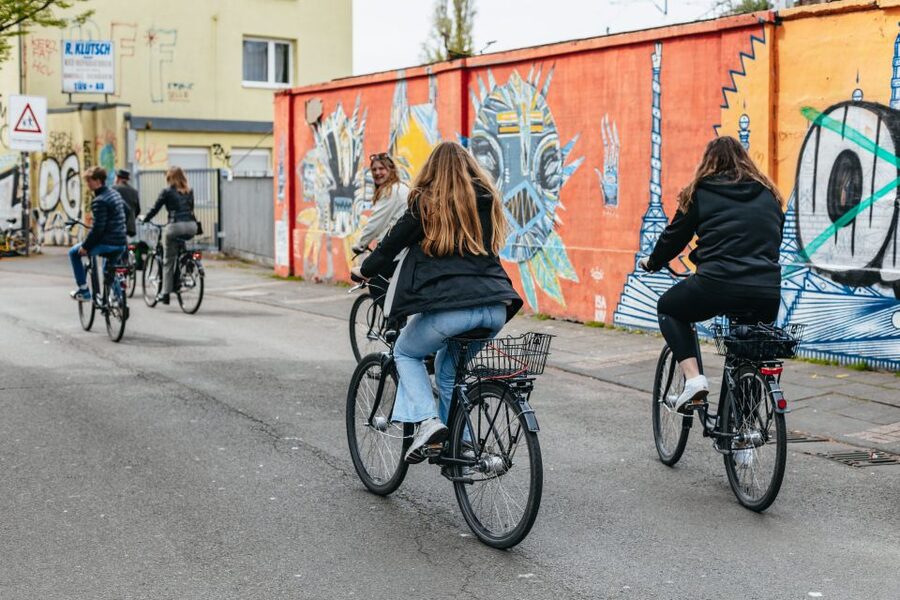
Your meeting point can vary based on which starting option you booked. One option is Gereonswall 2 (Colonia Aktiv). Another is Eigelstein, Cologne, where you’ll get your ride set up and begin.
Either way, you’ll meet the guide, get on your bike, and get the short intro you need before you roll. The tour is timed for a 3-hour experience, so you shouldn’t expect long pre-ride speeches. Instead, you’ll get practical direction and then you’re out there, learning through the street you’re riding.
There’s also a big practical detail: the route is chosen by the guide with traffic and tempo in mind. That means you should plan to follow instructions closely and stay aware at intersections. If you can bike confidently on normal city roads, this should feel manageable.
If you’re the type who likes to get oriented fast, this format works. You start with the right gear, then quickly shift into seeing the city differently—through walls, corners, and small details.
Riding the Route: From Photo Stops to Unexpected Street Art
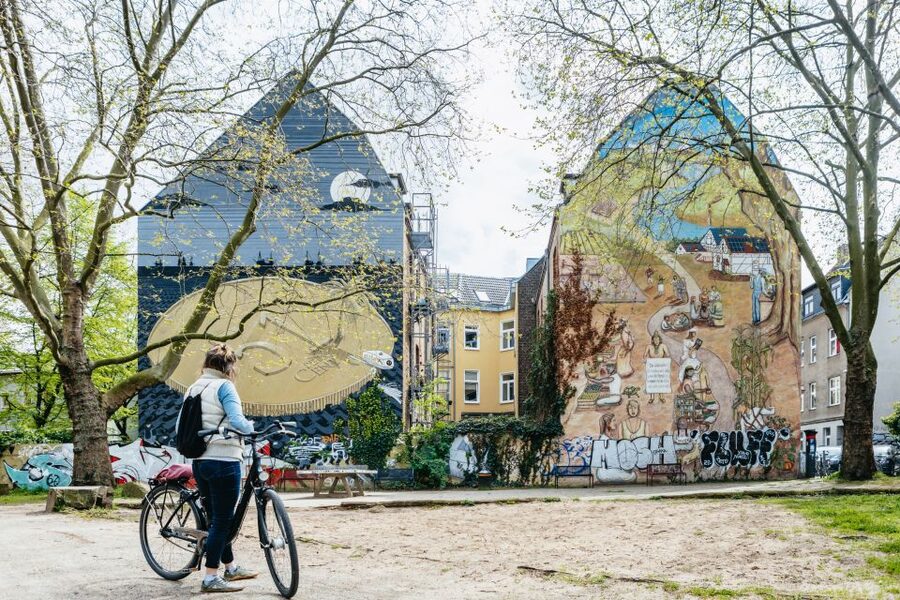
This tour is built around a mix of “quiet look” moments and “roll and learn” movement. You’ll make a first guided portion right near the starting area, then begin passing through the streets toward your main photo stops and art clusters.
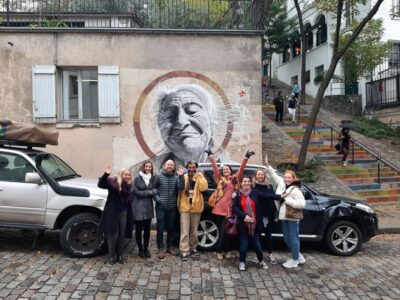
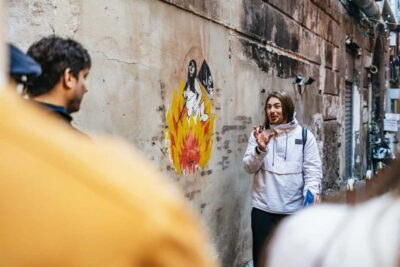
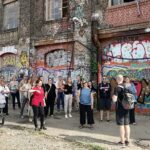
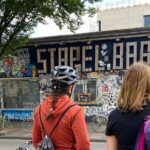
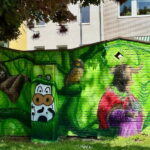
You’ll notice the art variety almost immediately. Some pieces are big and eye-catching. Others are smaller and easily missed unless you know what to look for—like works placed low on the street or tucked into spots that don’t scream for attention. That contrast is a huge part of why a guided bike approach beats wandering alone. The guide helps your eyes tune in.
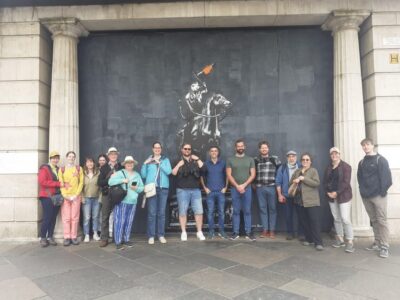
One of your key stops is Brüsseler Platz, set up as a photo stop with guided time too. This is the kind of place where you can pause, scan the surroundings, and understand how street art sits in the broader neighborhood scene. You’ll likely be learning as you shoot—so you’re not just collecting photos, you’re collecting context.
Next comes Aachener Weiher for another photo stop and guided bike segment. Water-near streets often create a different viewing rhythm, and the guide’s explanations can help you spot how placement works even when the environment changes. You’ll also get small pass-by sections that keep the momentum going without turning every minute into a speech.
Another couple of photo stops round out the middle stretch. These are useful because they break the ride into bite-sized segments. After an hour of cycling, you get a chance to slow down, look harder, and ask yourself what you’re noticing: color, scale, and how artists pick spots that create a conversation with passersby.
The Ehrenfeld Moment: Why the Café Break Works
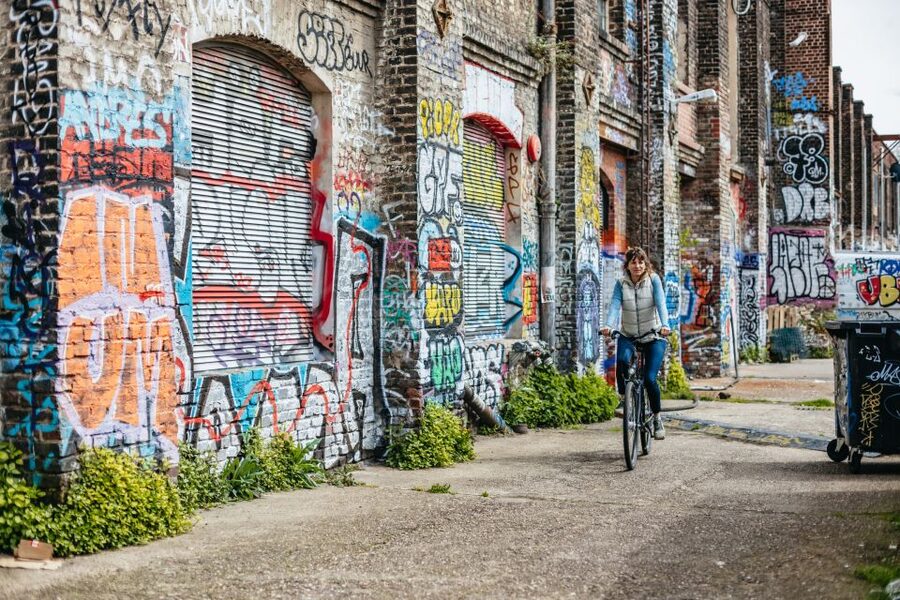
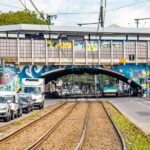
The heart of the experience lands in Ehrenfeld, where the street art feels tied to everyday creative life. Ehrenfeld is described as a home for artists and contemporary art studios, and you’ll see that shift in the kind of work you encounter. Instead of only seeing murals as spectacle, you start to see them as part of a living culture.
Your tour includes a break in a popular local café, with about 20 minutes of free time. This is not a random tourist pause. It’s timed so you can reset before heading toward the next photo stops, and it gives you a few minutes to breathe without losing the thread.
For you, that café stop is also a chance to do the smart traveler thing: observe. People watching here helps you understand what street art is responding to—local rhythm, street-level habits, and the kind of neighborhood energy that feeds the scene.
A small caution: since food and drinks aren’t included, you should decide in advance if you want coffee, water, or a small snack. The time is short, so it’s best to keep the order simple and avoid turning it into a long sit-down.
Colonius TV Tower and Media Park: Seeing How Street Art Connects to Modern Cologne
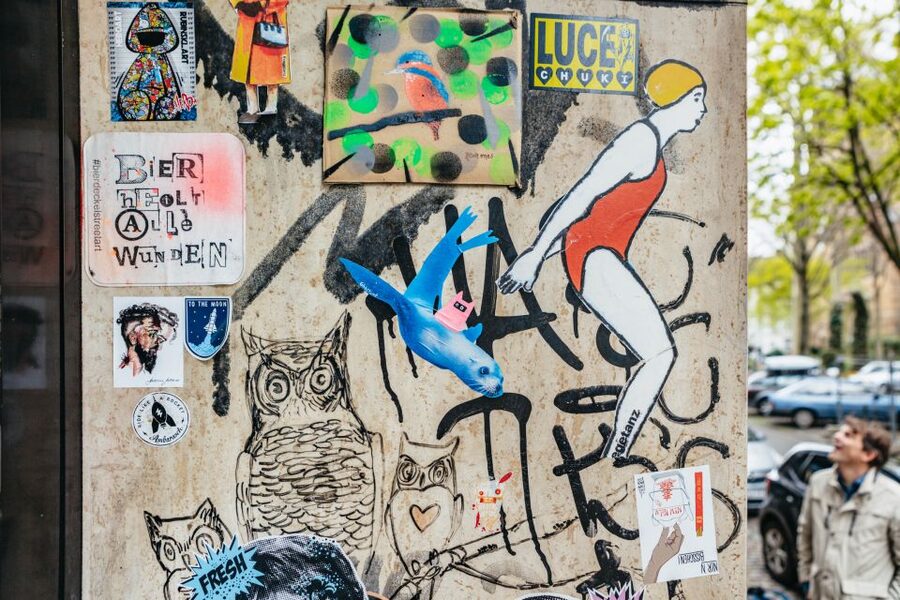
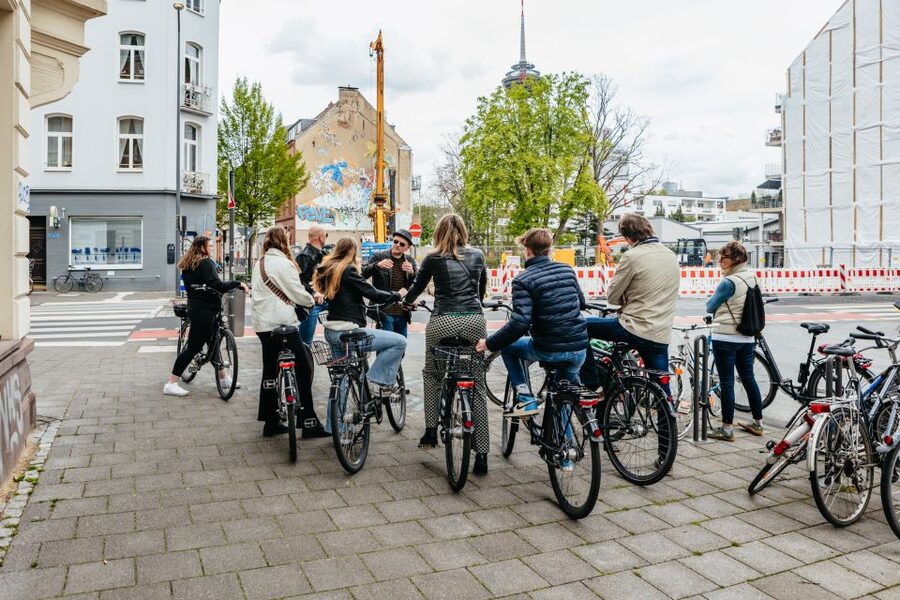
As the tour comes toward the finish, you’ll hit two major landmarks that work as visual punctuation: Colonius TV Tower and Media Park Köln (Media Park Koln mbH).
These stops are listed as photo points with guided time, plus short ride segments between them. What makes them more than quick snapshots is that they help you place the street art in the wider story of the city—media, contemporary culture, and public visual space. Even if you’re mainly here for walls and street pieces, these moments make the tour feel like a full arc rather than a loop of only murals.
The key value: you walk away with different “views” of Cologne. You see street art in neighborhoods where it belongs, then you end with modern city markers that show how public culture is evolving.
If you’re a photographer, these are the kind of stops where you can frame shots with buildings and signage in the background. If you’re not, they still help you orient mentally for the rest of your stay.
Bikes, Helmets, and Weather: What’s Included and What to Bring
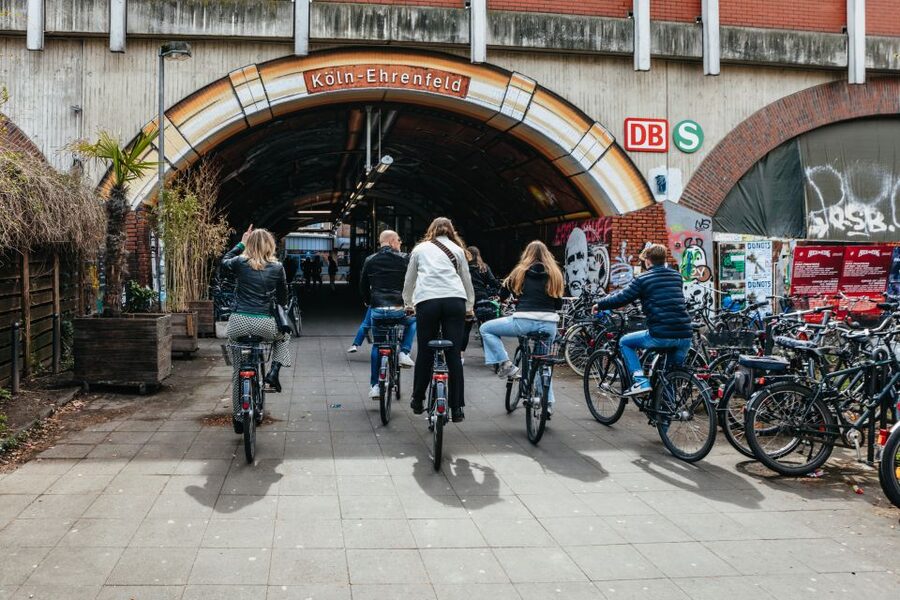
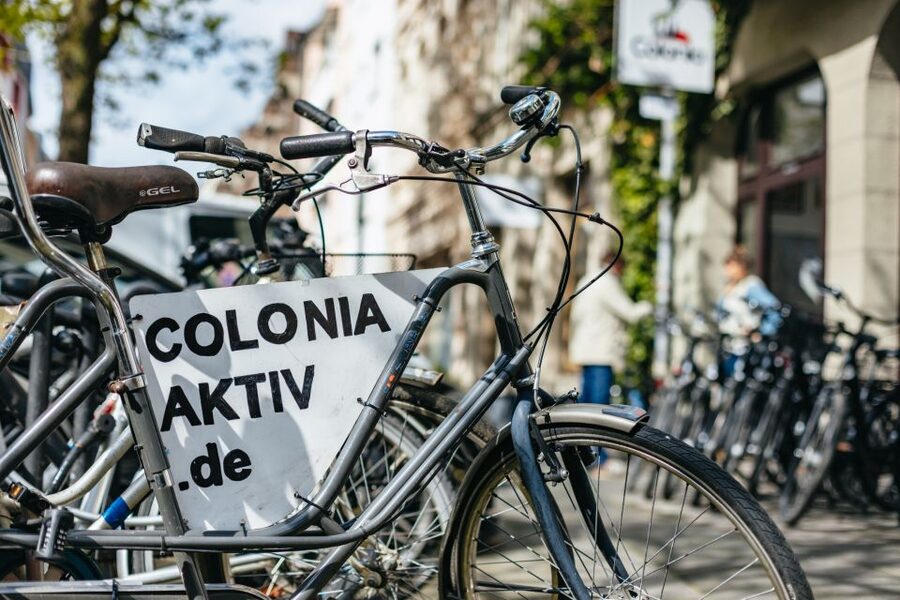
One of the easiest parts of this tour is the gear list. You get bike rental—City Bike included—and you can upgrade to an e-bike on site. You also get a helmet, plus a rain poncho when necessary.
For many street art tours, you end up paying extra for the bike and then hoping the weather won’t ruin your day. Here, at least the bike and basic weather protection are built in. That alone improves your odds of having a smooth 3 hours.
What you should bring is simple:
- Comfortable clothes for cycling and stops
- A layer, since weather can shift quickly
- A phone with enough battery for photo stops
Since food and drinks aren’t included, plan around the café break. You’ll be better off if you eat beforehand or bring a backup snack if you’re the type who gets hungry while walking and riding.
Tour Pace, Road Comfort, and How to Get the Best Experience
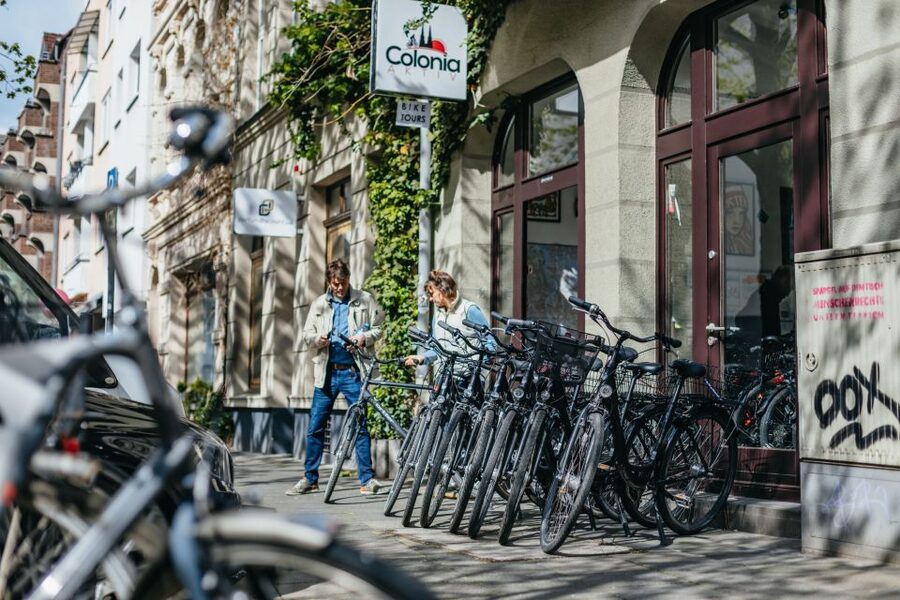
This is a short tour, but it’s not a “stand still and look” format. You’ll be on the bike most of the time, and the guide’s job is to keep the route flowing while managing tempo and traffic. So your best strategy is to ride predictably and listen for stop cues.
The experience notes that you should be able to ride a bike and feel comfortable on the road. If that’s you, you’ll probably enjoy the smooth rhythm: cycle, look, learn, photo, repeat.
I also like that the guides are praised for being fun and engaging without turning the ride into a one-person show. Past guides like Christian have been specifically noted for making it feel like a cultural conversation. That style matters because street art can be personal. The best guides let you connect your own thoughts without forcing a single viewpoint.
If you prefer low-pressure touring, you should also appreciate that the schedule includes multiple short stops rather than one long lecture. It’s easier to stay focused when the ride keeps you moving.
Price and Value: Is $50 Worth It for 3 Hours?
At $50 per person, the price is easy to reason out because several key items are included. You’re paying for the guide, the bike rental, and safety basics like helmets. You’re also getting a rain poncho when needed, which can save you from spending on last-minute gear.
The big value question is whether the guide adds enough to justify not doing this on your own. In this case, the answer tends to be yes because street art is the kind of thing that rewards pattern recognition. A good guide helps you notice details, understand placement choices, and connect the pieces to neighborhood life and techniques.
You also get structure: scheduled photo stops at places like Brüsseler Platz, Aachener Weiher, Colonius TV Tower, and Media Park Köln. That structure saves you from wandering blindly for the “right” walls.
The main trade-off is that food isn’t included. So if you plan to buy drinks or a snack, factor that into your total budget. Still, compared with paying separately for a bike rental plus paid local knowledge, this price tends to make sense.
Who This Tour Fits Best (and Who Might Want a Different Style)
This is a great match if:
- You like modern art and street culture beyond the obvious spots
- You can ride a bike comfortably on city streets
- You want a 3-hour plan that mixes movement with real looking time
- You enjoy learning from a guide who can explain techniques and context
It may be less ideal if:
- You prefer completely car-free walking tours only
- You’re very sensitive to traffic noise or tight urban cycling
- You need long meal breaks, since the café time is limited
You can also choose private or shared group formats. If you want a quieter ride or more back-and-forth questions, private can help you control the experience.
Should You Book This Cologne Street Art Bike Tour?
If your idea of a great Cologne day includes street art you can’t easily spot on your own, plus neighborhoods that feel like they’re lived in, I’d say book it. The 3-hour length is perfect for fitting into a busy itinerary without burning half a day.
Do it especially if you want both sides of the story: the creative energy of the Belgian Quarter and the more studio-linked feel of Ehrenfeld. And since bike rental, helmet, and weather protection are included, you’re not scrambling to solve logistics before you go.
Last practical tip: come with comfortable cycling clothes and a phone ready for photo stops. If you do that, you’ll come away with more than pictures—you’ll see Cologne’s street art as part of the city’s everyday conversation.
FAQ
How long is the Cologne Ehrenfeld Street Art Bike Tour?
The tour lasts 3 hours.
What areas of Cologne does the tour focus on?
You’ll ride through the Belgian Quarter and the Ehrenfeld neighborhood, away from the historic center.
What’s included in the price?
The tour includes bike rental (City Bike), a helmet, a guide, and a rain poncho when necessary. An e-bike upgrade is available on site.
Is food or drinks included?
No. Food and drinks are not included, though there is a café break during the tour.
Where do I meet the guide?
Meeting points can vary by option. Two listed options are Gereonswall 2 (Colonia Aktiv) and Eigelstein, Cologne.
What languages are the tour guide speaking?
The tour is available with live guides speaking English and German.