REVIEW · COLOGNE
Cologne: Street Art Walking Tour Belgian Quarter
Book on GetYourGuide →Operated by Alternative Cologne Tours · Bookable on GetYourGuide
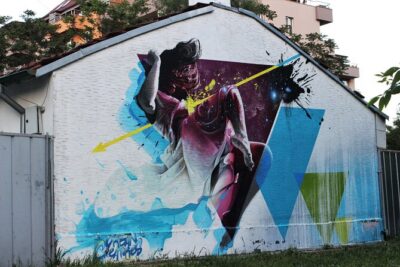
Some street corners in Cologne feel like open-air museums. This Belgian Quarter street art walk turns building facades into your gallery, with a guide who explains what you’re looking at. I like the chance to spot new street art on the fly, not just famous pieces from years ago, and the tour’s focus on how artists actually make the work. One thing to consider: it’s entirely outdoors, so you’ll want to dress for whatever weather Cologne serves up.
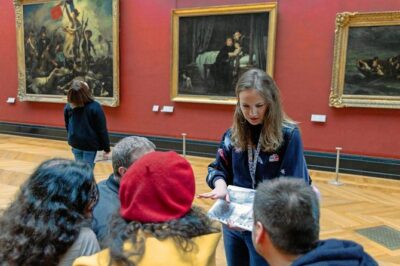
You’ll be meeting at Friesenplatz, in front of Café Kaffeesaurus, and the guide is easy to find—bright yellow vest, and the back reads Alternative Cologne Tours. I also appreciate that the tour stays small enough to be conversational, so you can ask questions about technique and style rather than just follow at a distance. The possible drawback is that some artists specialize in work that can vanish quickly, so you might not see every piece on every day.
If you want Cologne street art with real context—who made it, how it was done, and why it matters—this is a strong bet for a couple of hours.
In This Review
- Key things to know before you go
- Finding the Yellow Vest at Friesenplatz (and starting fast)
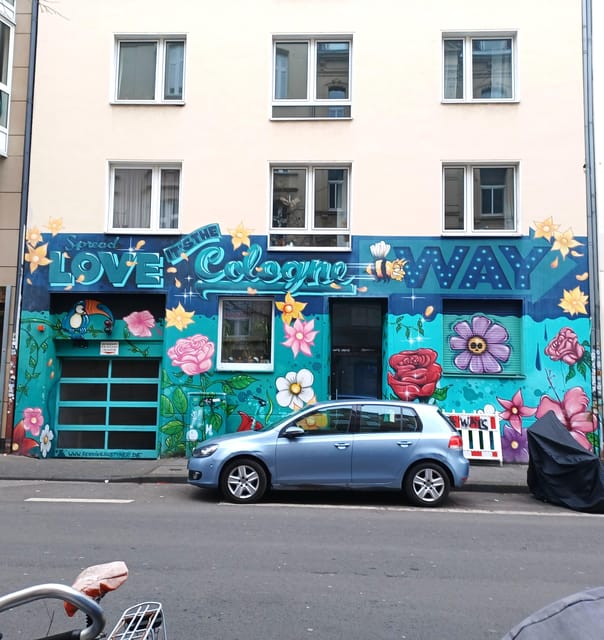
- Belgian Quarter streets: what you’ll actually spot on facades
- The artists you’ll likely see: Tika, Hendrik ECB Beikirch, Sepe & Chazme
- When illegal street art affects what you see (and why timing matters)
- Learning techniques while you walk: the stuff most people miss
- The pacing, duration, and what a 2-hour walk feels like
- Practical tips for getting the most from your photos and your brain
- Value: is $32 worth it for Cologne street art?
- Who should book this street art tour (and who might skip it)
- Book it or skip it? My honest take
- FAQ
- Where does the tour meet?
- How long is the street art walking tour?
- What’s the price per person?
- Is the tour indoors or outdoors?
- What language is the guide?
- Is the tour wheelchair accessible?
- What kinds of street art will I see?
- Can illegal street art be removed during your visit?
- What should I bring for the tour?
- FAQ
- What’s included in the tour price?
- What’s the cancellation policy?
- Is there a way to book without paying immediately?
Key things to know before you go
- Easy meeting point at Friesenplatz in front of Café Kaffeesaurus, with a guide in a bright yellow vest
- Street art on building facades is the main show, so keep your eyes up and your phone camera ready
- Real style spotting practice: you’ll learn to tell creators apart by their visual habits
- Works by named artists like Tika, Hendrik ECB Beikirch, and Sepe & Chazme may appear along the route
- Techniques get explained while you walk, from materials to how pieces are put together
- Some art is temporary, especially when illegal methods are involved
Finding the Yellow Vest at Friesenplatz (and starting fast)
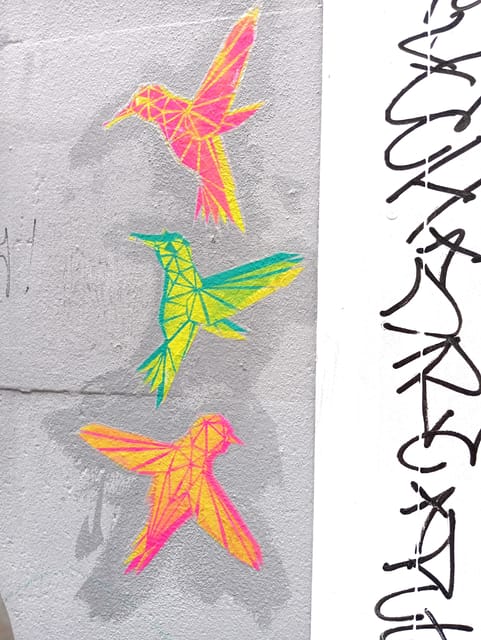
The whole tour runs outside, which actually helps. You don’t waste time getting comfortable under a roof—you get moving, and you start reading the city like a comic strip. Your job is simple: look for street art on facades, not just along one famous wall.
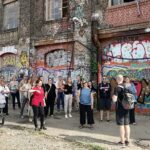
I like the clarity of the start. You meet at Friesenplatz, directly in front of Café Kaffeesaurus. The guide wears a bright yellow vest, and the back has Alternative Cologne Tours printed on it, so you won’t be doing the awkward guessing game with other groups.
Once you’re lined up, the guide sets expectations for what you’re about to see: recent work, well-known local voices, and some names that pop up in the Cologne street scene. The guide also frames the Belgian Quarter as a place where street art isn’t just decoration—it’s part of the neighborhood’s ongoing conversation.
You can also read our reviews of more tours and experiences in Cologne.

Belgian Quarter streets: what you’ll actually spot on facades
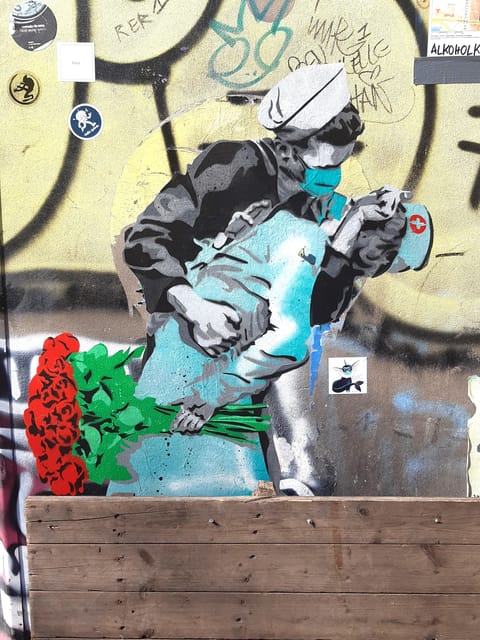
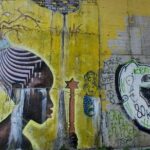
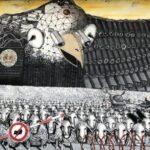
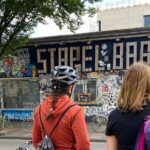
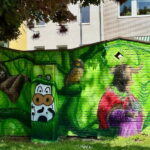
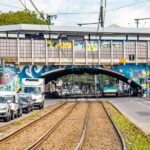
This walk is built around one practical idea: street art lives on surfaces. So instead of museum-style viewing, you’ll get used to the streetscape. You’ll spend the two hours scanning building fronts, courtyards, and side streets for murals, graffiti, and paintings layered over time.
You should expect the art to change. Some works are meant to last, while others are more fragile. As you walk, keep an eye out for the latest additions on the facades of buildings—this is when the tour feels most alive, because you’re not just looking back in time.
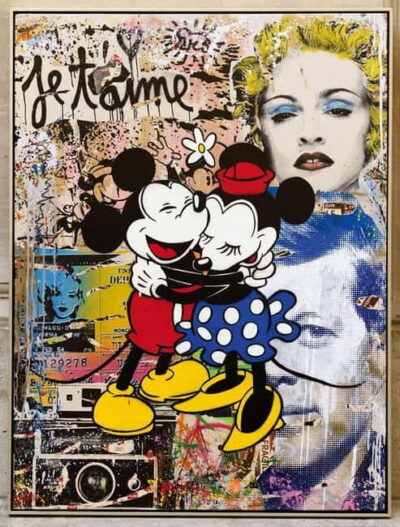
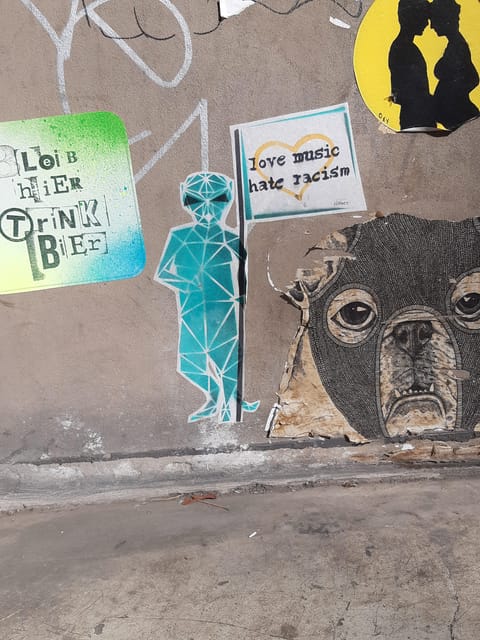
What makes the Belgian Quarter a good choice is that it’s an area where younger culture and creative energy show up on the street level. You’ll feel it in the variety of styles you see back to back: tags and lettering next to larger mural work, cleaner pieces alongside more chaotic layering.
And because it’s on foot, you don’t get one “big view” and call it done. You start noticing small choices: how an artist uses scale, where the piece lands on the wall, and how the style behaves from a few meters away.
The artists you’ll likely see: Tika, Hendrik ECB Beikirch, Sepe & Chazme
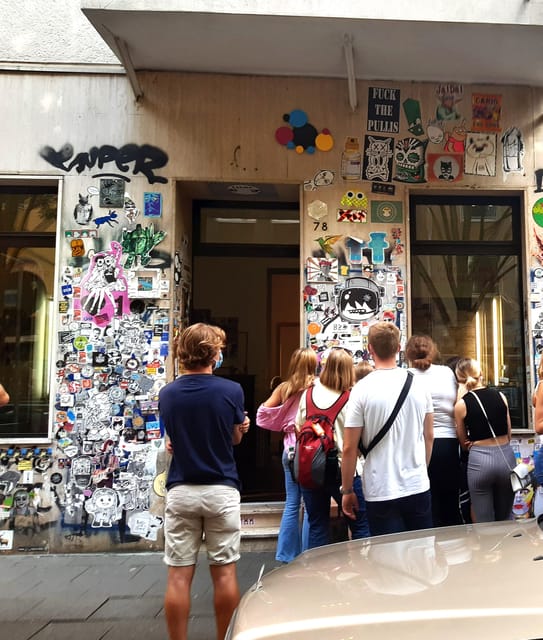
A big reason to book a street art tour is the art names. You don’t need to memorize everything—just know that your guide is there to connect what you see to the artist’s identity and visual patterns.
On this tour, you may spot work by Tika, Hendrik ECB Beikirch, and Sepe & Chazme, plus other creators like PEZ, Hero, Metraeda, PlanetSelfie, and Sei Leise. Those names matter because they’re linked to recognizable styles. After the tour, you’ll start seeing recurring moves—what looks familiar, what looks unusual, and which pieces feel like the same hand even when they’re on different walls.
One smart part of the experience is the mix of local and international artists. You get Cologne-specific street art context without being trapped in only one bubble of styles. The guide will point out what feels Cologne about the work, and what signals broader street art trends.
If you’re into street art but you’re not sure how to talk about it, this is where the tour helps. You’re not just collecting images—you’re building a mental catalog you can use next time you walk through a new neighborhood.
When illegal street art affects what you see (and why timing matters)
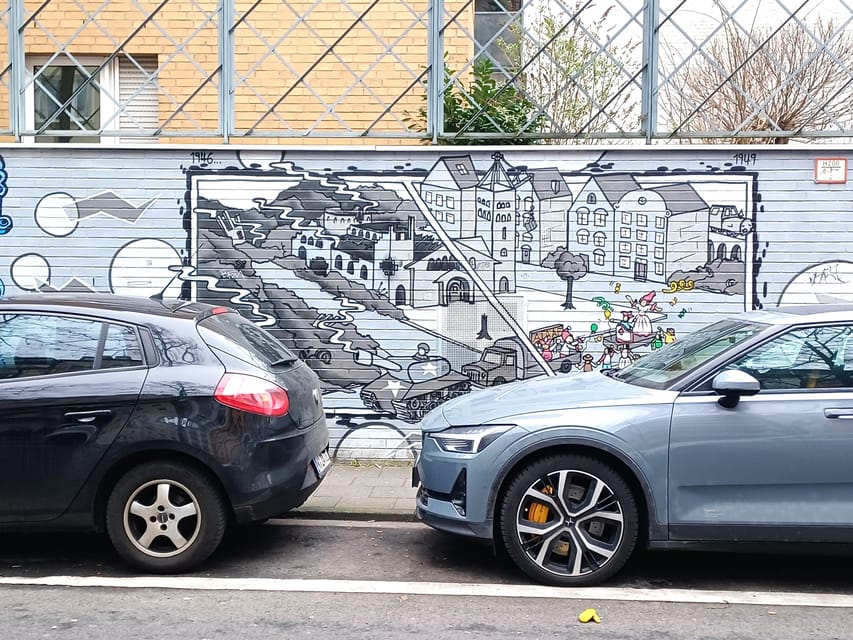
Here’s the reality the tour emphasizes: some street art can be removed fast. If an artist’s work falls under illegal street art, it can vanish quickly after it appears.
That means the tour isn’t just sightseeing—it’s partly about timing. You might catch a piece while it’s still in place, and later it could be gone. I like that the tour doesn’t pretend everything is permanent. It gives you a more honest way to think about street art as a living practice, not a static collection.
You also get a useful mindset for traveling in cities with street art scenes. When you see a “newer-looking” piece—fresh edges, sharp color, fewer layers around it—this is your cue that it might be recent and possibly at risk. The tour helps you read that visual clue, because you learn to distinguish older, repeatedly layered walls from recent interventions.
So even if you only take one street art tour in Cologne, you’re not really wasting money if one or two pieces disappear. The real value is in learning how to interpret the art on your own.
Learning techniques while you walk: the stuff most people miss
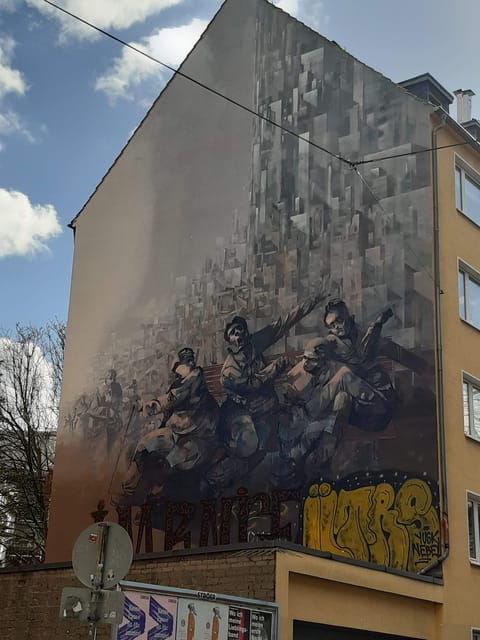
The guide’s job isn’t just to point at art. It’s to help you understand how the art is made and how that affects what you’re seeing. You’ll hear about different techniques artists use to create public works, and the explanations are tied directly to the pieces around you.
What I like about this approach is how it turns “cool picture” into “why it looks like that.” A mural’s method—whether it’s more paint-forward, sticker-based, or built with layers—shows up in the final look: color smoothness, edge quality, how letters behave, and how characters or symbols sit on the wall.
And because you’re walking, the techniques aren’t stuck in theory. You can look at one wall, hear what the guide says, and then compare it to the next. That repetition builds pattern recognition fast.
In the reviews, Eva and Isi come up as standout guides, and that makes sense with how this kind of tour works. If the guide is enthusiastic and well organized, you end up with a feeling of momentum. You ask questions, you notice details sooner, and the two hours stop feeling like a lecture.
The pacing, duration, and what a 2-hour walk feels like
The tour lasts 2 hours, and that timing is right for street art. Too short and you miss the teachable moments. Too long and the city blends together and you start zoning out.
Two hours also means you don’t need a super detailed schedule. It fits nicely into a day that already includes wandering—before or after a meal, or as a way to break up more formal sightseeing. Since you’re outside the whole time, plan around comfort: wear shoes you can stand in, and bring a light layer if the weather changes fast.
Because the group follows the guide and you’re often looking up at facades, you’ll want to keep movement steady. If you tend to stop suddenly for photos, do it a bit less often; it keeps the group flowing and helps the guide keep explanations clear.
Practical tips for getting the most from your photos and your brain
You don’t need to be an expert to enjoy this tour, but you’ll enjoy it more if you give yourself the right habits.
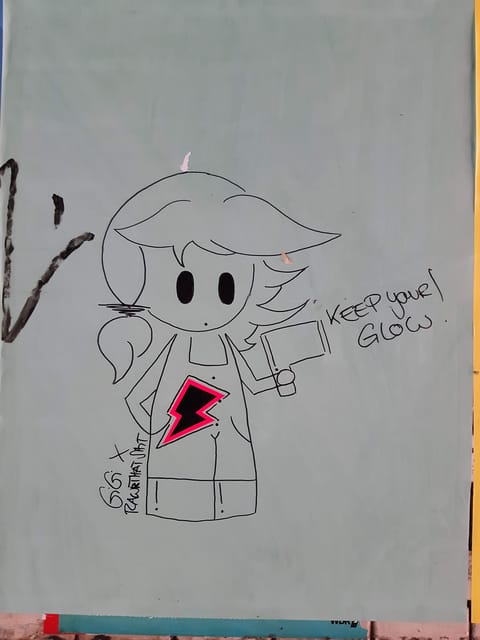
First, look at the wall before you frame the shot. Street art often has meaning in placement: height, angle, how it interacts with doors or windows, and how it sits beside older tags.
Second, pay attention to lettering styles. Even without knowing a name, tags and text give clues about the artist’s habits. The tour specifically aims to help you distinguish unique characteristics of different creators across the city by the end of the walk.
Third, be ready for “almost gone” art. If something looks fresh and bold, it might not last. When the guide points out that a piece could be removed quickly, take it as a reason to look closely now, not later.
And finally, since the tour language is German, if you speak even a little German, you’ll catch more of the nuance. If you don’t, you can still follow along visually and through the guide’s direct explanations of techniques.
Value: is $32 worth it for Cologne street art?
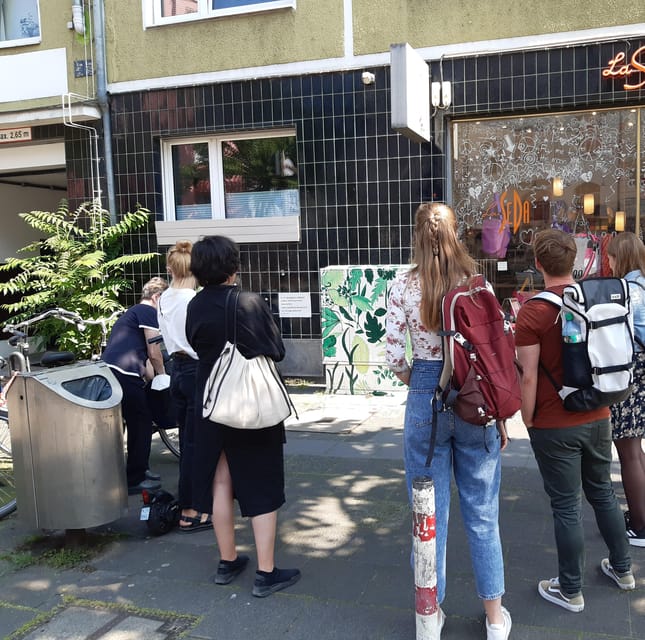
At $32 per person for a 2-hour guided street art walk, you’re paying for two things: local expertise and interpretation. Street art is often free to see on your own, but context isn’t free. A good guide turns “what is this?” into “how was it made and why does it look this way?”
This tour’s value comes from its focus on:
- spotting artwork on facades and in the Belgian Quarter streets
- hearing stories about the scene and its artists
- learning techniques that change how you look at the next piece
Plus, the guide experience seems to matter a lot. The reviews highlight that Eva and Isi lead in a way that’s both informative and genuinely enjoyable—exactly what you want when you’re paying for a walking guide instead of just wandering.
So if you’re the type who likes street art but wants it decoded, $32 feels fair. If you already know Cologne street art names and techniques, you might feel it’s more of a guided photo walk. But the tour is designed to help even first-timers build street art sight-reading skills fast.
Who should book this street art tour (and who might skip it)
This tour fits you if:
- you love street art and want a guide to explain styles and techniques
- you’re curious about illegal street art and how temporary pieces affect what you see
- you like off-the-beaten-path walking in a young creative neighborhood
You might skip it if:
- you hate walking for two hours in real weather
- you’re only interested in famous, permanent museum-level murals (this is more street-level and time-sensitive)
If you’re traveling solo or as a couple, it’s a solid plan because the guide can keep you engaged while you scan the facades. For families, it could work if everyone can handle outdoor walking and looking up often, but the pace will depend on the group.
Book it or skip it? My honest take
I’d book this tour if you want Cologne street art with explanation, not just photos. The meeting point is easy, the guide is easy to spot, and the tour is built around exactly what you came for: murals, graffiti, paintings, and technique talk while you’re on the streets.
The biggest reason to go is the way you leave with better “street art reading” skills. After a tour like this, you don’t just remember images—you start recognizing creators and methods across the city. And given how quickly some pieces can disappear, seeing the Belgian Quarter with a guide who knows where to look feels like the best use of your time.
If the weather is good and you can handle two hours outdoors, this is one of the more practical ways to experience Cologne’s street art scene.
FAQ
Where does the tour meet?
You meet in front of Café Kaffeesaurus at Friesenplatz. The guide wears a bright yellow vest with Alternative Cologne Tours printed on the back.
How long is the street art walking tour?
The tour lasts 2 hours.
What’s the price per person?
The price is $32 per person.
Is the tour indoors or outdoors?
This tour takes place entirely outside.
What language is the guide?
The live tour guide speaks German.
Is the tour wheelchair accessible?
Yes, the tour is listed as wheelchair accessible.
What kinds of street art will I see?
You’ll spot murals, graffiti, and paintings, including works by artists such as Tika, Hendrik ECB Beikirch, Sepe & Chazme, PEZ, Hero, Metraeda, PlanetSelfie, and Sei Leise (as artwork appears along the route).
Can illegal street art be removed during your visit?
Some artists specialize in illegal street art, which can be removed quickly, so you may see pieces while they’re still there.
What should I bring for the tour?
Wear weather-appropriate clothing and bring comfortable shoes for walking outdoors.
FAQ
What’s included in the tour price?
The tour includes the street art walking tour and a guide.
What’s the cancellation policy?
You can cancel up to 24 hours in advance for a full refund.
Is there a way to book without paying immediately?
Yes, you can reserve now and pay later.