REVIEW · BARCELONA
Barcelona: Street Art & Visit to Galleries Tour
Book on GetYourGuide →Operated by ArtistaTours · Bookable on GetYourGuide
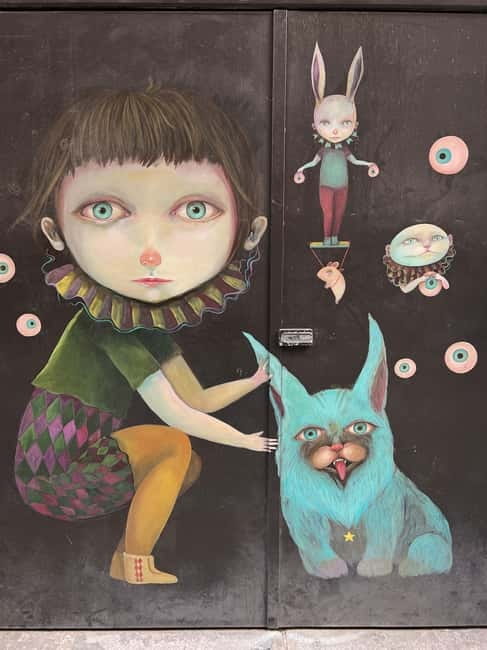
Street art here feels personal, not staged. This tour is built around meeting it in the wild, guided by artist-led perspectives as you move from Plaça Universitat to murals, alleys, and street corners you would otherwise miss.
I really like two things: first, the guide-led storytelling that links what you see on the wall to what the artists are trying to say, not just the style. Second, the finish in real gallery spaces, including Artevistas Gallery and Base Elements Gallery, where the message continues off the street.
One practical consideration: it’s a walking tour with quick stops, and you’ll want to travel light since large bags aren’t allowed. Also, even though it’s wheelchair accessible, some streets and alleyways can be less than smooth, so comfy shoes help.
In This Review
- Key tour highlights at a glance
- Street Art in Barcelona: What This Walk Really Does for You
- Meeting at Plaça Universitat: Start Here, Then Let the City Lead
- La Rambla to Side Streets: The Quick Stops That Build Meaning
- Carrer dels Tallers and Plaça de Castella: Street Corners as Context
- Seeing the Mural del SIDA (Keith Haring) Area
- Barcelona Museum of Contemporary Art and Passatge del Crèdit: Where Street Meets Institutions
- Carrer d’Avinyó, 39: When You Read the Wall and the Street Together
- Gallery Finish: Artevistas and Base Elements Add the Inside Angle
- Who This Tour Fits Best (and Who Might Prefer Something Else)
- A Note on Guides: Names You Might See in Past Departures
- Should You Book This Street Art & Galleries Tour?
- FAQ
- How long is the Barcelona Street Art & Galleries Tour?
- Where do I meet the guide?
- What languages are offered during the tour?
- How many people are in the group?
- Is the tour wheelchair accessible?
- What’s included in the price?
- Are large bags or luggage allowed?
- Is free cancellation available?
- Do I need to pay right away?
Key tour highlights at a glance
- Small group (up to 10) means you can ask questions and keep up the pace
- Artist-guides explain technique, symbols, and cultural influences behind the street art
- Stops include major works like the Mural del SIDA (Keith Haring) area
- Gallery time includes Artevistas Gallery and Base Elements Gallery
- Easy meeting spot at Universitat metro with the guide holding a blue umbrella
Street Art in Barcelona: What This Walk Really Does for You
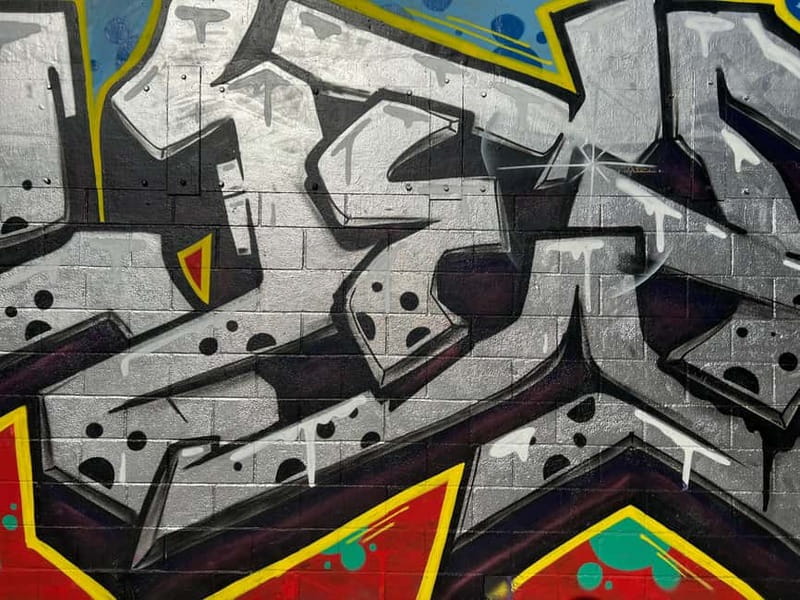
If you’ve only seen Barcelona street art from photos, this tour changes your viewpoint fast. You’re not just looking at walls. You’re learning how artists read the city, how they use public space, and how the pieces respond to the moment.
I like this format because it stays practical. You get short guided blocks—around 10 minutes per stop—so you keep moving and seeing new work instead of sitting through long lectures. You also get enough time at key walls that you can actually connect the details to the bigger story.
Price-wise, $23 for about 2.5 hours is serious value if your goal is both street art and gallery access. The small group size helps too; it’s not a crowded herd where you can’t ask anything. And with a 4.7 rating from 30 reviews, you have a decent signal this tour hits the right balance of street energy and structured context.
You can also read our reviews of more tours and experiences in Barcelona.
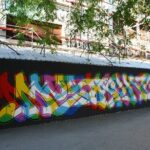
Meeting at Plaça Universitat: Start Here, Then Let the City Lead
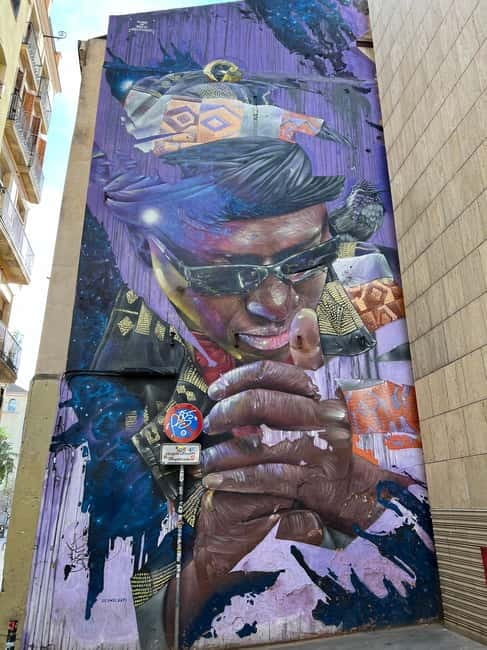
You’ll meet at Plaça Universitat, right by the Universitat metro station. Look for the guide with a blue umbrella. It’s a simple start, which matters in Barcelona because you can waste time if you’re hunting for your group.
From the beginning, the tour feels like a guided walk through layers of the city. You’ll begin on major streets, then shift into smaller corridors and side lanes where the art changes. That rhythm is a big part of why it works: you see how street art behaves in both high-visibility areas and quieter in-between spaces.
A detail I appreciate: the tour offers live guidance in English and Spanish. If you’re visiting in mixed-language groups, the guide’s dual-language setup helps everyone keep pace.
La Rambla to Side Streets: The Quick Stops That Build Meaning
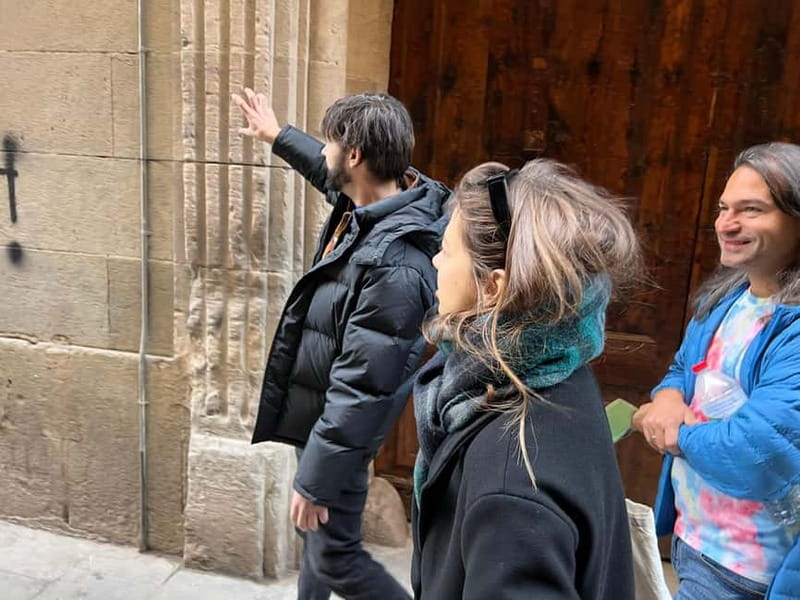
The first stretch includes a guided stop around La Rambla (about 10 minutes). Even if you know La Rambla well, this part is useful because it sets your expectations. You learn what to look for beyond the first glance—symbols, references, and the message choices artists make for public visibility.
Then you move into a hidden side route type of phase—several short guided visits (each about 10 minutes) to smaller areas and alley-style walls. These breaks are where you start seeing the street art logic more clearly: scale can change, the audience can change, and the artwork’s tone can shift with the location.
This is also where you’ll feel the underground culture vibe the tour is aiming for. The guide helps you understand why certain pieces belong to street life—public conversation, quick visibility, and a kind of artwork-by-response. Street art ages in real time, so the city becomes part of the exhibition.
Tip for you: keep your phone ready for the visuals, but also look up while you walk. Some of the best details sit above eye level or tucked near doorways and stair edges.
Carrer dels Tallers and Plaça de Castella: Street Corners as Context
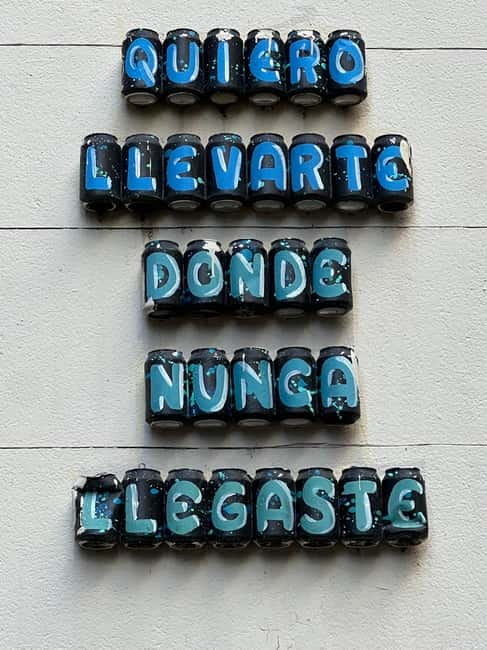
Next up is Carrer dels Tallers. On a street like this, walls often feel less like billboards and more like conversations. The guide’s job here is to translate what the artwork is doing—how it connects to local influences and how artists express ideas through color, shape, and placement.
After that, you reach Plaça de Castella for another short guided stop. Squares can be tricky for street art, because they attract more foot traffic and more attention. That often changes how artists present their work: the message has to land quickly, and you can read it even as people pass by.
These short segments keep the tour from turning into a checklist. You’re not just collecting photos. You’re practicing how to interpret the street as a visual language.
Seeing the Mural del SIDA (Keith Haring) Area
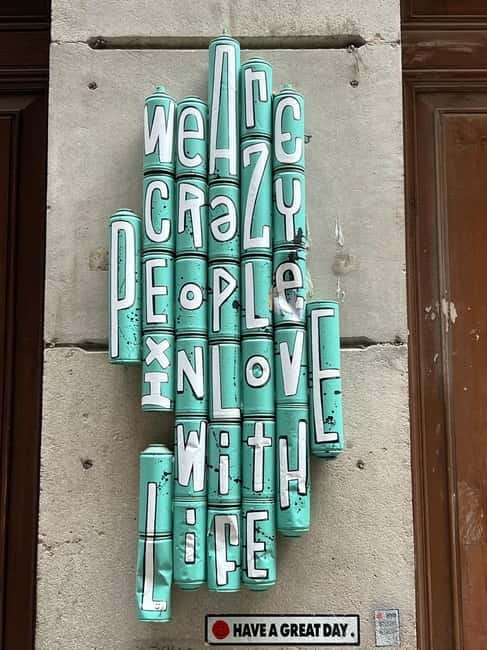
One of the most specific named stops is the Mural del SIDA (Keith Haring) area. A named work like this is helpful because it anchors the tour in an internationally recognized street-art voice, while still keeping the focus on what the mural communicates in Barcelona.
What you’ll get here is more than facts. You’ll connect the piece to the broader idea of street art as public statement—why certain artists’ work ends up discussed both as art and as social message.
This is also a good moment to slow down a bit. Even if the guided time is short, stand with the group, then take a minute after the guide finishes. Look for how the design holds up from a few angles. Street art doesn’t work like museum labeling; you need your eyes to do part of the reading.


Barcelona Museum of Contemporary Art and Passatge del Crèdit: Where Street Meets Institutions
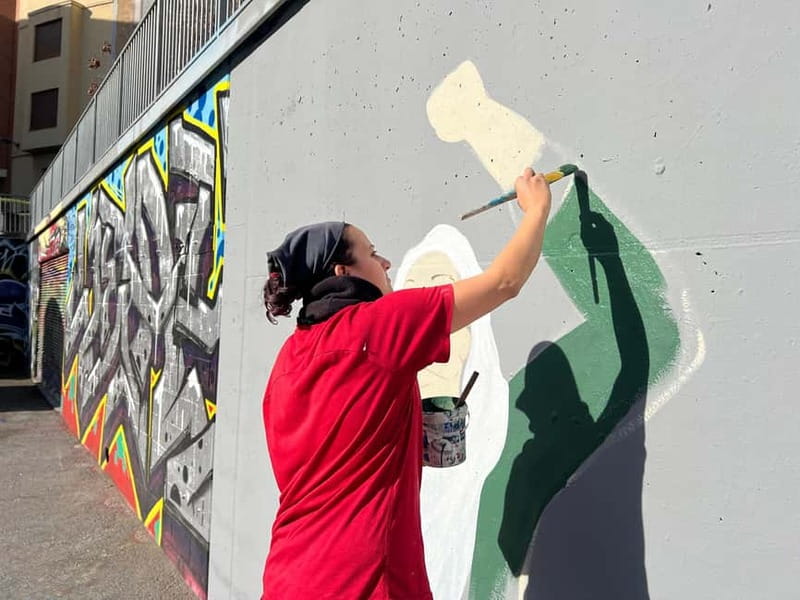
The tour includes a guided moment at the Barcelona Museum of Contemporary Art area. This doesn’t mean you’re turning the whole day into an indoor museum visit. Instead, it gives you a bridge: you see how the same creative themes move between street walls and formal art spaces.
Then you head through Passatge del Crèdit for another guided stop. Passageways like this are often perfect for street art because they create a “micro audience.” People walking through are closer, slower, and more likely to notice details.
The guide’s context helps you understand the overlap. Street art isn’t just decoration. It’s cultural commentary using whatever tools the city hands over—walls, alley angles, and the chance to be seen without paying an entry fee.
If you like art that lives outside the rules of museums, this section usually clicks quickly.
Carrer d’Avinyó, 39: When You Read the Wall and the Street Together
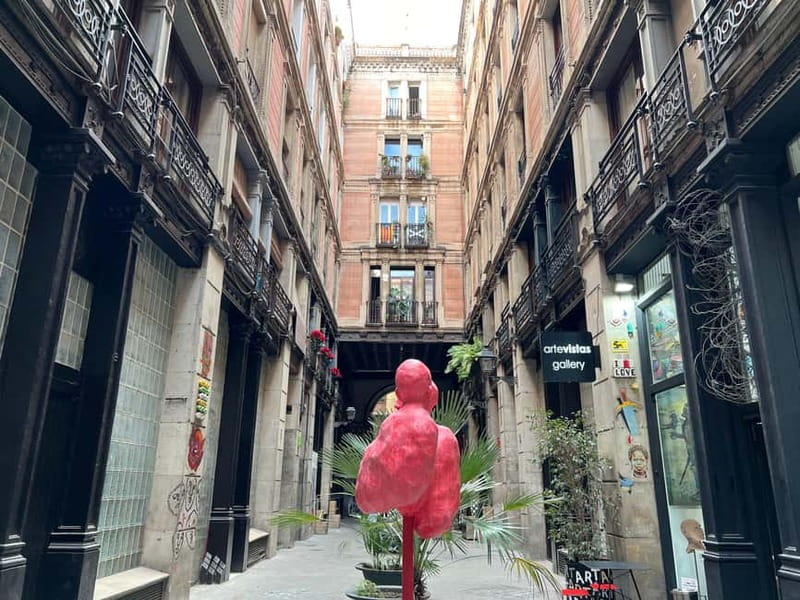
The tour ends with a guided stop around Carrer d’Avinyó, 39. Streets like this are great for the kind of final synthesis this tour aims for. By this point, you’ve seen enough pieces to start noticing patterns in how artists respond to their surroundings.
I find that by the last street stop, you don’t just see the art. You see the city’s role in the artwork: traffic patterns, lighting, doorways, and the way people naturally pause or keep walking.
This is where the guide’s teaching matters most. If you’ve followed along earlier, the last stop feels like a wrap-up without being a lecture. You start making connections on your own.
Gallery Finish: Artevistas and Base Elements Add the Inside Angle
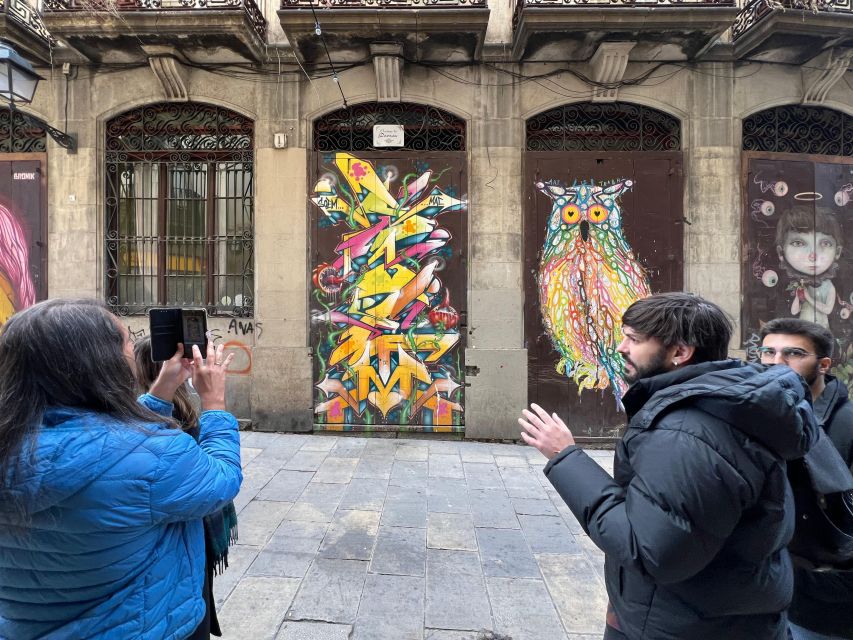
After the street sequence, the tour culminates in gallery time. You’ll visit Artevistas Gallery and Base Elements Gallery, with access built into the experience. This is the part I think is worth it even if you only care about street art.
Why? Because galleries change how you relate to the same ideas. On the street, art has to fight for attention and accept impermanence. In a gallery, you can look longer, ask questions, and see how artists shape the work once it’s in a controlled space.
The best thing about this ending is that it doesn’t feel like a random add-on. The guide ties the indoor experience back to what you saw outside—so you understand the “why” behind the visuals, not just the “what.”
Also, the tour is small, so the gallery time doesn’t feel rushed. You can actually look at pieces without constantly moving to make room for the next group.
Who This Tour Fits Best (and Who Might Prefer Something Else)
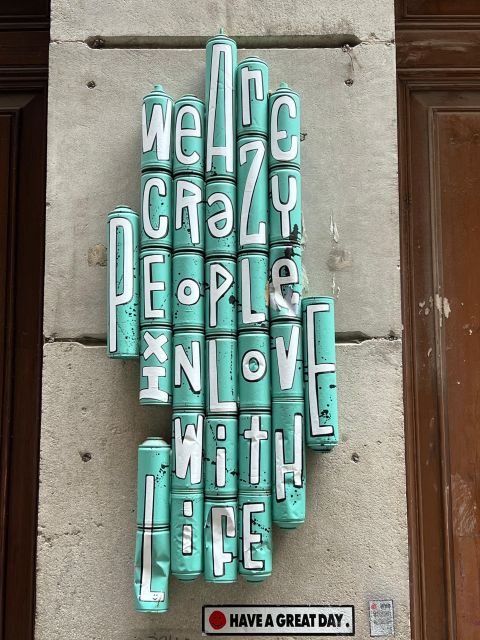
This one is a strong fit if you want the street-art side of Barcelona, but you also want context. It works well for first-timers who feel overwhelmed by graffiti spots online and want a guided path that makes sense.
It also fits if you like meeting art through storytelling. The guide-led emphasis on artists’ messages and techniques means you’ll get more than scenic stops. And with a small group limited to 10 participants, you’re more likely to have real back-and-forth.
You might skip it if you want a totally museum-heavy day, or if you dislike walking for 2.5 hours with multiple short stops. It’s also not designed for people carrying large bags, since that’s not allowed.
If your ideal Barcelona day is a mix of street culture plus modern art spaces, this hits the sweet spot.
A Note on Guides: Names You Might See in Past Departures
This tour is run by ArtistaTours, and the guide style is part of the appeal. In previous departures, guides named Damil, Leo, and Loci have been mentioned for being friendly and for connecting Barcelona street art to the wider story of the city and the art form.
That matters because street art can be misunderstood when it’s treated like random chaos. An artist-led guide helps you read it as communication—an expression with references and intent.
Should You Book This Street Art & Galleries Tour?
I’d book it if you want to see Barcelona’s street art with structure, then cap the day in proper gallery spaces. The pricing is reasonable for the time and the included gallery access, and the small group size helps keep it personal.
Before you go, pack smart: no large bags, and keep alcohol and drugs out of the day plan. Bring comfortable shoes for the walking, and plan to look up as much as you look forward.
If you’re on the fence, think about your goal. If you want photos only, there are cheaper ways. If you want to understand what you’re looking at—street message, artist intent, and how the same ideas shift in galleries—this tour is a solid use of 2.5 hours.
FAQ
How long is the Barcelona Street Art & Galleries Tour?
It lasts about 2.5 hours.
Where do I meet the guide?
Meet at the metro station Universitat in the center of Plaza Universidad. The guide will have a blue umbrella.
What languages are offered during the tour?
The live guide speaks English and Spanish.
How many people are in the group?
The group is small, limited to 10 participants.
Is the tour wheelchair accessible?
Yes, the tour is wheelchair accessible.
What’s included in the price?
You get access to an art gallery as part of the experience.
Are large bags or luggage allowed?
No. Luggage or large bags are not allowed.
Is free cancellation available?
Yes. You can cancel up to 24 hours in advance for a full refund.
Do I need to pay right away?
You can reserve now and pay later, keeping your plans flexible.