REVIEW · HAMBURG
Alternative Hamburg / Street Art Private Tour
Book on GetYourGuide →Operated by Alternative Hamburg Tours · Bookable on GetYourGuide
Street art in Hamburg has a pulse. This private 2-hour walk pairs up-close street art with community stories that help you read the city beyond the postcards. I like the way the guide connects murals, graffiti walls, stencil work, and even 3D installations to real places you can point to on a map.
The big potential drawback is that this is not neutral sightseeing. You’ll hear about controversial projects and protest history, including the G20 demos and the famous Rote Flora, so go in ready for context, not just good vibes.
In This Review
- Key things that make this tour worth your time
- Sternschanze start: where the tour sets its tone fast
- Street art you can read: graffiti, murals, stencils, and 3D
- Off-the-main-road neighborhoods: why the route matters
- St Pauli’s community pulse: football club energy in real blocks
- Rote Flora and G20 demos: the politics behind the paint
- Repurposed WW2 bunkers, urban gardens, and creative hubs
- What $235 buys: private-group value for a 2-hour street art walk
- The guide factor: stories that stick (Adrian is a recurring name)
- Who should book this tour
- Should you book Alternative Hamburg / Street Art Private Tour?
- FAQ
- How long is the Alternative Hamburg street art private tour?
- What is the meeting point for the tour?
- Is this tour private?
- How many people can be in a group?
- What languages are the live guides?
- What kind of street art will we see?
- Will we hear stories and background, or is it only sightseeing?
- What topics are discussed during the tour?
- Is the tour wheelchair accessible?
- What is the cancellation and payment flexibility?
Key things that make this tour worth your time
- Sternschanze meeting spot, easy orientation right by the S-Bahn exit so you start in the middle of the action.
- Adrian-style storytelling with lots of artist and neighborhood background (and he’s known for staying engaged if the group clicks).
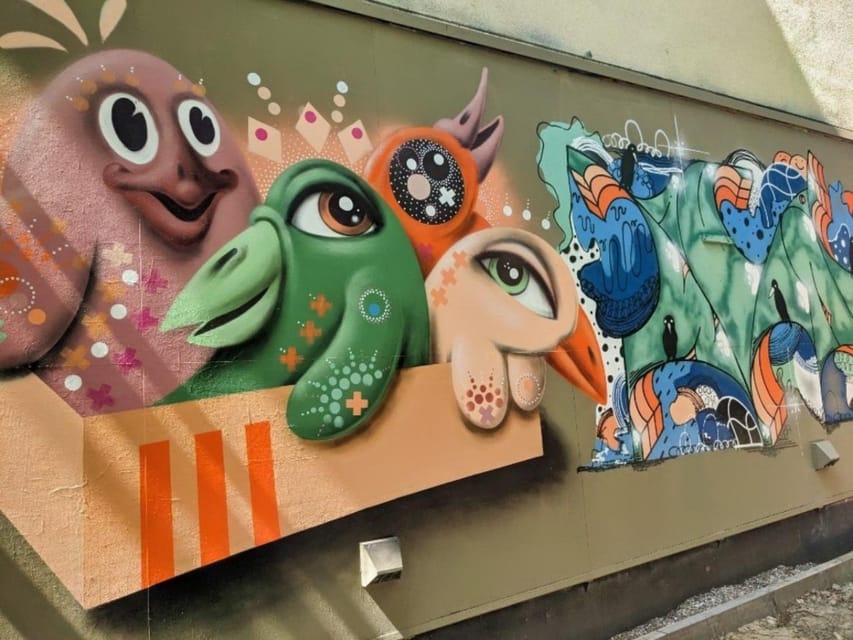
- Art types you’ll actually see: graffiti, stencil art, murals, and 3D installations.
- More than walls: urban gardens, repurposed WW2 bunkers, and creative hubs show how the scene lives off the street.
- St Pauli influence: the football club’s community role shows up in initiatives and the music scene around the district.
- Gentrification and pushback: you’ll get the why behind murals and community projects.
Sternschanze start: where the tour sets its tone fast
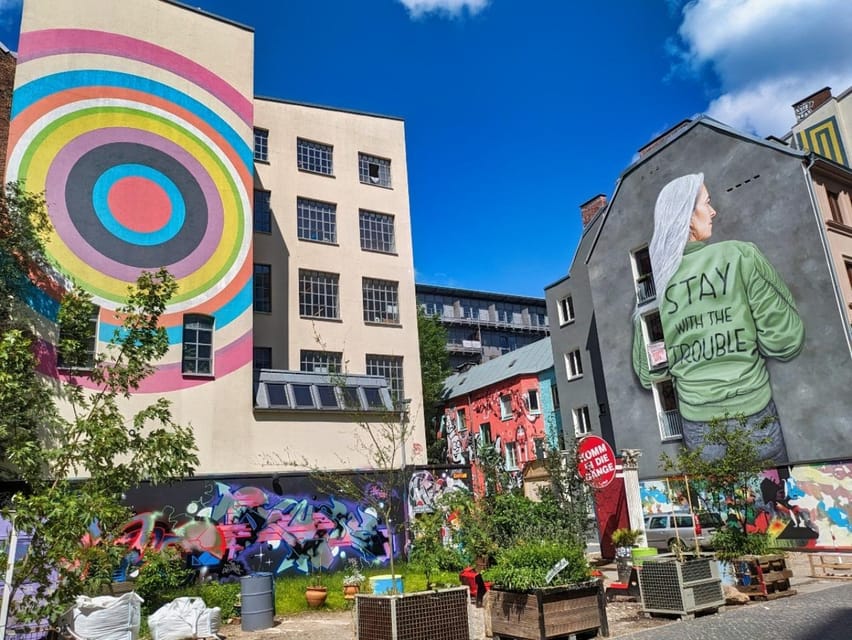
This tour begins by the small square directly opposite the S-Bahn exit of Sternschanze station. There are two exits at the station, so make sure you exit via the S-Bahn side (not U-Bahn). When you’re out, there’s a juice stand to your left. Cross the road to the paved area with street benches and a small rotunda or hut, and you’ll be in the right spot.
Why I like this start: Sternschanze is an easy entry point to Hamburg’s alternative scenes. You’re not walking in from some quiet museum corner. The area already feels like it’s participating in the street culture you came to see.
Also, because it’s a private group (up to 15 people), your guide can pace the route for your crowd. That matters on a street-art tour because the best “wow” moments are often tied to noticing small details: a style choice, a location history, or how a piece fits the building and the block.
Plan for a comfortable walking pace. You’re mixing side streets, parks, and bohemian neighborhoods, so proper shoes are worth it.
You can also read our reviews of more tours and experiences in Hamburg.
Street art you can read: graffiti, murals, stencils, and 3D
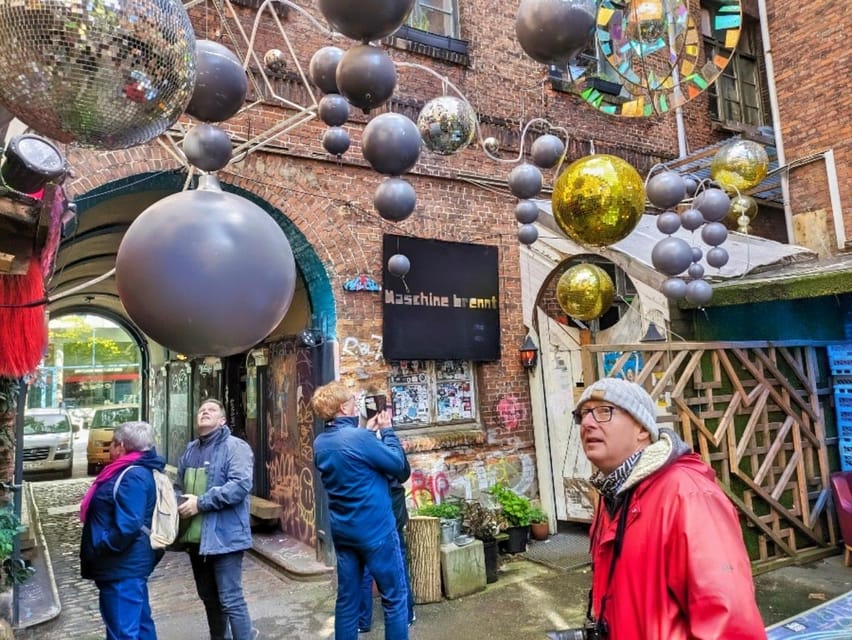
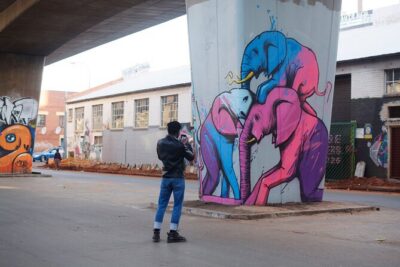
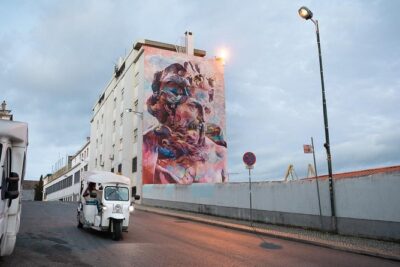
The core of this experience is the art itself, but what makes it more than a photo walk is how you learn to interpret what you’re seeing. You’ll spend time on Hamburg’s edgy mix of street art forms: graffiti pieces, murals, stencil work, and 3D installation art.
Here’s what that means in practice. Graffiti is often about presence and voice: you’ll hear how the guide links styles to the city’s counter-culture energy. Murals and stencils tend to be more message-driven, with visual shorthand that makes sense once you know what community pressures are in the air.
And the 3D installations add another layer. They’re built for perspective, and you’ll likely be encouraged to move around them a bit, not just stand in one place. That turns the art into a mini “scene” rather than a flat wall.
This tour also introduces local and international graffiti and street artists as you go. In the reviews, the guide Adrian is repeatedly praised for stories and anecdotes, not just facts. If you like the human side of street art, you’ll probably enjoy how the tour explains why certain pieces exist where they do.
Off-the-main-road neighborhoods: why the route matters
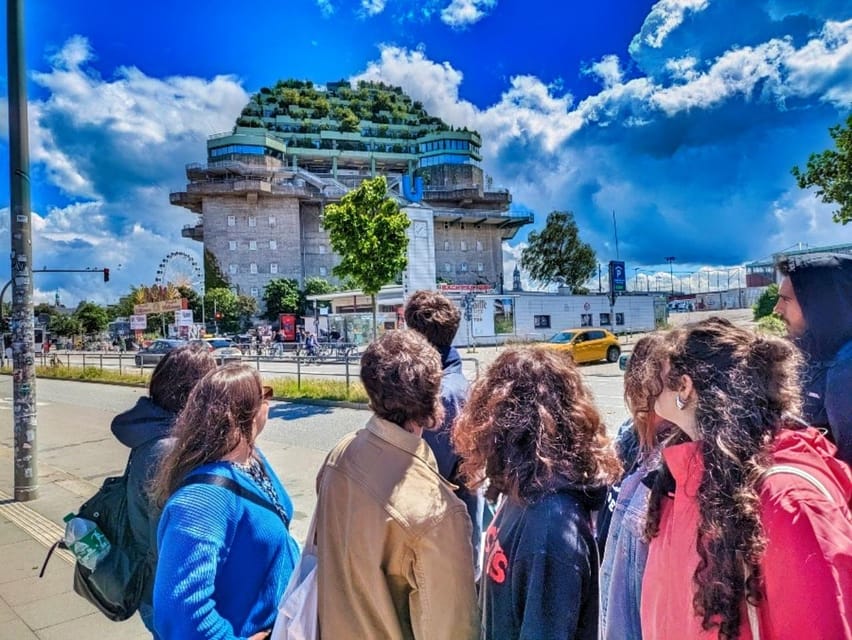
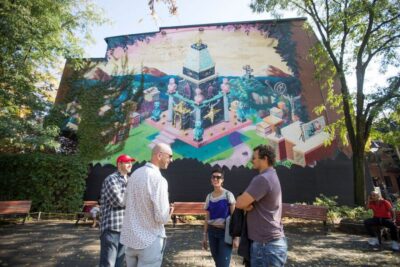
Hamburg’s street art is tied to neighborhoods, not a single attraction. This is why the walk includes side streets, parks, and bohemian areas instead of sticking to the most obvious corridors.
You’ll pass through districts associated with creative projects and alternative culture, and you’ll see the way art interacts with everyday life: café culture in the mix, community spaces, and repurposed structures. That’s a big deal because street art often disappears fast when a place becomes too trendy or too controlled. When you’re moving through neighborhoods, you catch the “before” and “after” feeling.
If you’re traveling with friends, a company group, or a school group, this kind of route is flexible. People can connect with it in different ways: art fans will focus on the styles, history-minded folks will follow the political context, and anyone who just wants a fun night activity will still get plenty of colorful visual stops.
St Pauli’s community pulse: football club energy in real blocks
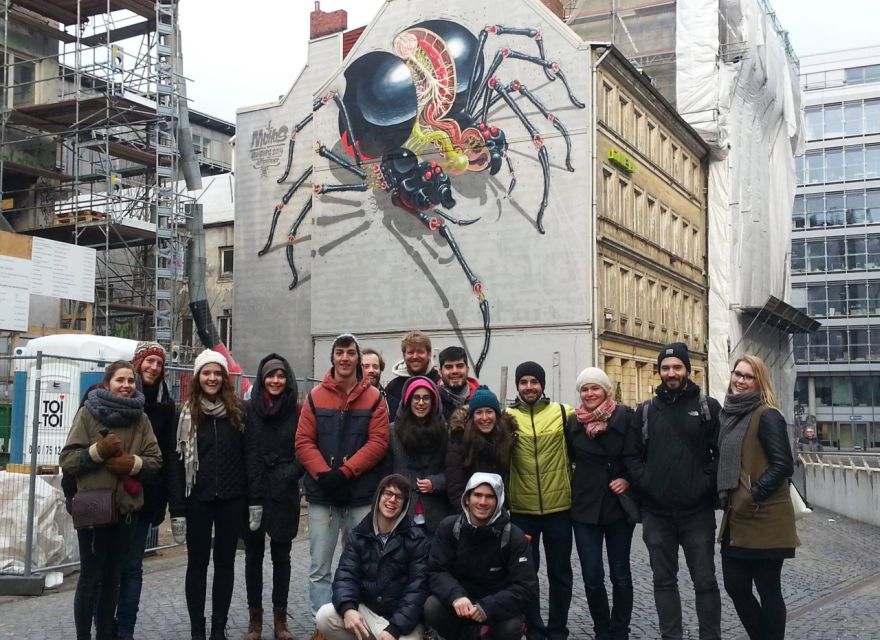
One of the most interesting angles on this tour is how the guide connects street culture to the local identity of St Pauli. You’ll learn about how the St Pauli Football club has helped shape community spirit, which shows up in initiatives and support for creative arts and the music scene.
You’ll also pass by the Millerntor stadium, and the tour weaves that atmosphere into the story of why the area became a magnet for alternative culture. That connection helps you understand something important: in some cities, street art is just aesthetics. In Hamburg, it’s tied to community identity and collective energy.
Next, the tour points you toward the Karoviertel area and its café culture, with an urban greenhouse project adjacent to it. You’re not only seeing walls. You’re seeing how creativity extends into practical urban projects, like turning unused or overlooked spaces into places for growing, gathering, and experimenting.
Rote Flora and G20 demos: the politics behind the paint
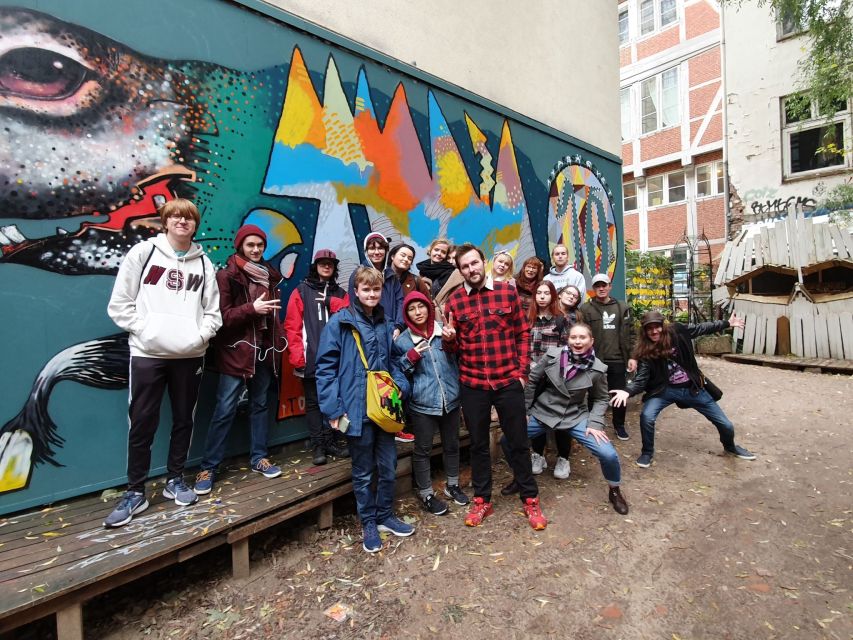
This tour doesn’t treat street art like a purely decorative hobby. You’ll hear about community protests, gentrification threats, and how controversial projects can affect the people living nearby.
Two topics that come up are the G20 demos and the history of the famous Rote Flora. You’ll also discuss community protests and how urban art movements respond when people feel ignored or pushed out.
Why this matters for your trip: once you understand the local stakes, the murals and stencil messages stop feeling random. Even if you don’t agree with every stance, you start to see street art as a communication tool—often fast, often emotional, and often aimed at the neighborhood itself.
This is also where you get the most honest sense of Hamburg as a city dealing with change. Gentrification pressures are part of the explanation for why some projects exist in the first place, and why certain spaces fight to keep alternative lifestyle and local culture alive.
A heads-up: if your goal is strictly pretty pictures with zero tension, this might feel heavier than expected. If you want to understand what you’re looking at, it’s one of the strongest parts of the tour.
Repurposed WW2 bunkers, urban gardens, and creative hubs
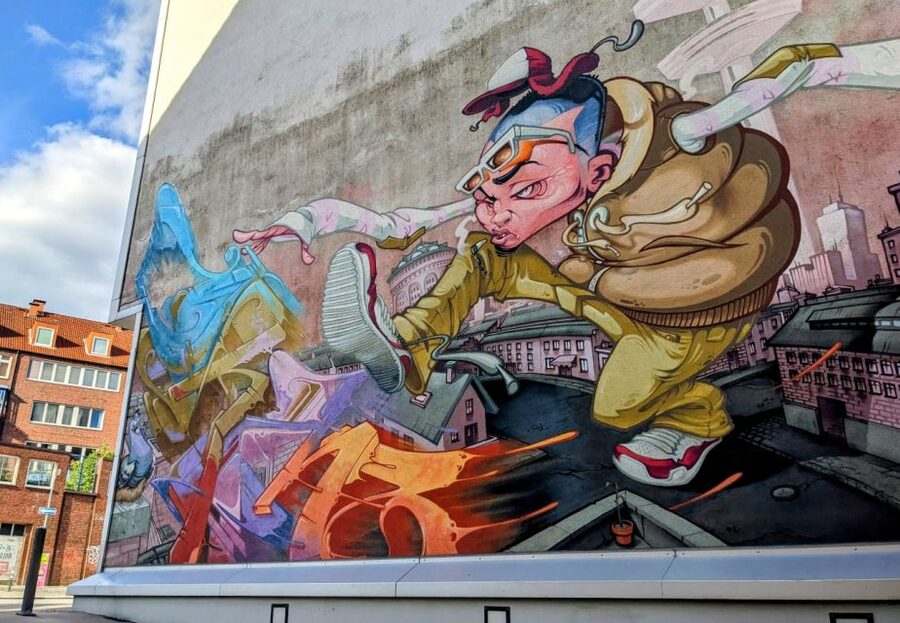
One of the tour’s most memorable promises is that it takes you beyond the usual wall-hunting. You’ll visit repurposed WW2 bunkers, urban gardens, and creative hubs—places where the city’s layered past and present meet.
These stops matter because they change how street art feels. In a bunker or a repurposed structure, the scale and texture of the space can make the art seem more grounded and more intentional. In urban gardens, street culture shifts from visual statement to living practice—people literally tending to what they’re creating.
The tour also highlights “creative hubs” and repurposed community spaces that keep showing up in the alternative scene. You get the sense that this is not just an art movement; it’s a network of people using the city as a shared canvas.
In practical terms, these stops add variety to the walk. You’re not only outdoors staring at facades. You’re stepping into locations that feel different from one another, which helps a 2-hour tour stay interesting rather than becoming one long street wall scan.
What $235 buys: private-group value for a 2-hour street art walk
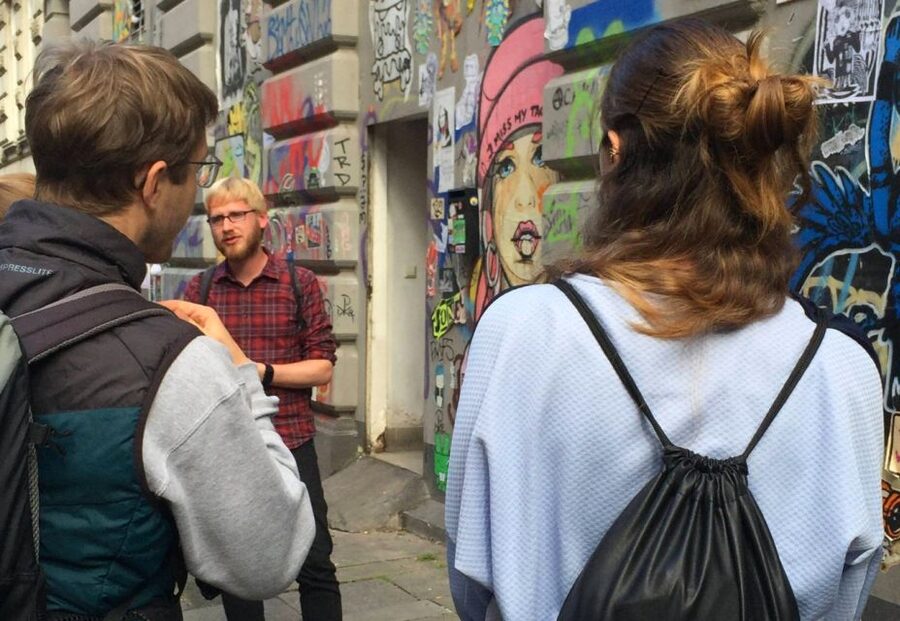
The price is $235 per group up to 15 people for a 2-hour tour. That’s a private setup, not a standard per-person ticket, so the value depends on how many people you bring.
If your group fills close to 15, you’re effectively paying a small fraction of what you’d expect from many private tours priced per person. Even at a smaller headcount, you’re buying something more specific than a generic sightseeing walk: you’re buying a guide who can tailor attention to street-art details and who’s explicitly prepared to talk about community context, not just describe what the artwork is.
Also, this tour is offered with live guides in English and German, which can help when you’re mixing friends or family with different language comfort levels. If you’re booking for a company outing, the private format makes it easier to keep everyone together while still getting meaningful stops.
The guide factor: stories that stick (Adrian is a recurring name)
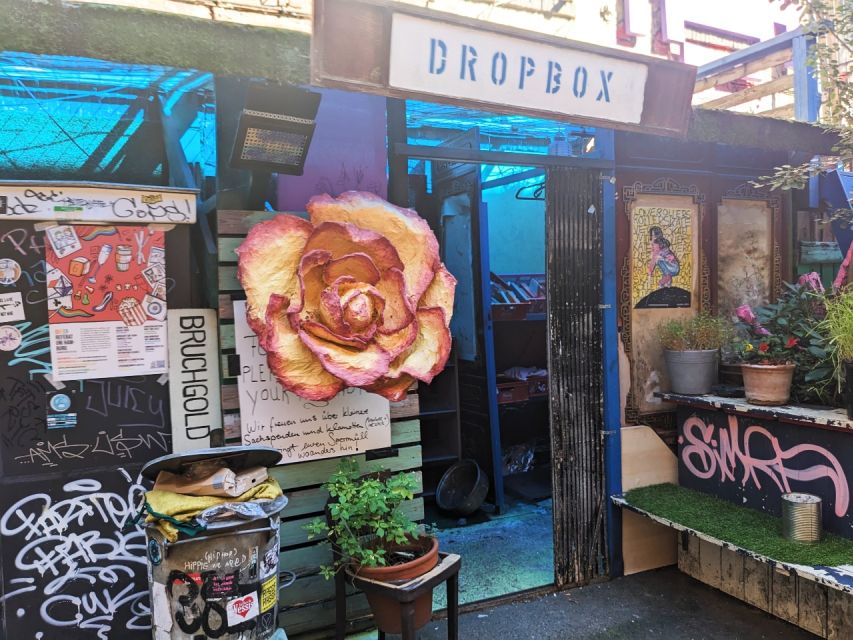
Most street art tours live or die by the guide’s ability to make the places feel real. In the reviews, Adrian is the name that shows up repeatedly. People praise his engagement, his specialty in street art culture, and his knack for adding stories and anecdotes around what you’re seeing.
One reviewer specifically notes that the guide stayed longer and even joined them for a drink, which hints at an experience that doesn’t feel rushed out the door. That matters if you’re the type who likes asking questions and soaking in details at each stop instead of being whisked along.
If you want a tour where you feel like someone is genuinely invested in the scene, this is the right style.
Who should book this tour
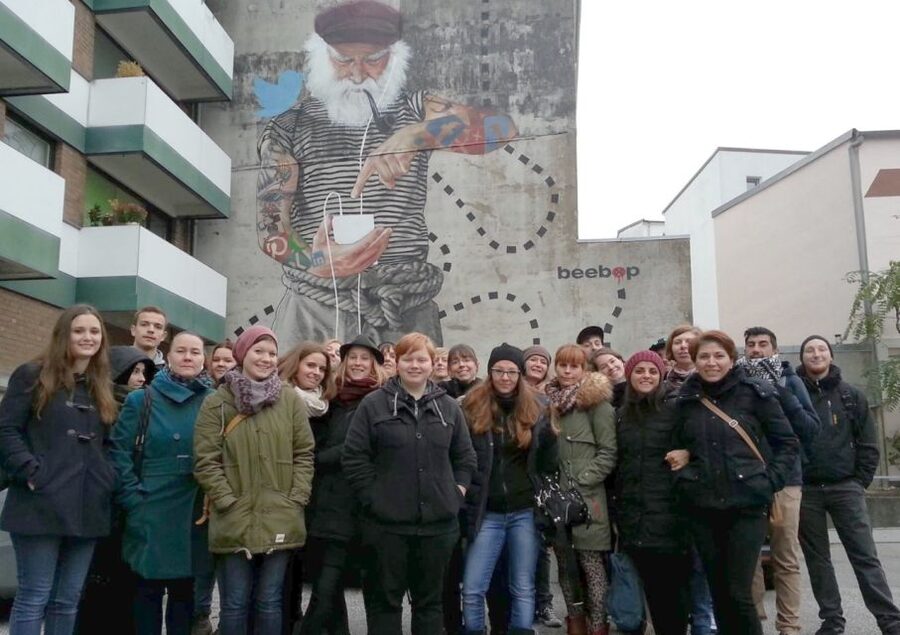
Book this if:
- You like street art and want to understand the why, not only the what.
- You enjoy community context: gentrification pressure, protests, and neighborhood identity.
- You want a private group outing with a fun, local-feeling pace.
Skip it (or reconsider) if:
- You only want light sightseeing and prefer not to hear about political and controversial topics.
- You’re looking for a strictly art-history museum-style explanation with no street-level discussion.
Should you book Alternative Hamburg / Street Art Private Tour?
I’d book it if you’re excited by street art as a living language. The route makes sense because it ties art to neighborhoods, and it adds real depth with topics like Rote Flora history and the impact of major protests like the G20 demos. You’ll also get variety from repurposed WW2 bunkers, urban gardens, creative hubs, and even 3D installations.
It’s also a strong value when you can fill the group size. For many visitors, the best part won’t just be the artwork. It’ll be the stories that help you see the city’s alternative scene as something shaped by people, conflicts, and community creativity.
If that sounds like your kind of Hamburg, reserve your spot and bring comfortable shoes. You’ll come away seeing murals differently, even after the walk ends.
FAQ
How long is the Alternative Hamburg street art private tour?
The tour lasts 2 hours.
What is the meeting point for the tour?
Meet by the small square directly opposite the S-Bahn exit of Sternschanze station. Use the S-Bahn exit, then cross the road to the paved area with street benches and a small rotunda or hut.
Is this tour private?
Yes, it’s a private group tour.
How many people can be in a group?
The price is for up to 15 people per group.
What languages are the live guides?
The live tour guide speaks English and German.
What kind of street art will we see?
You can expect street art and graffiti, including murals, stencil art, and 3D installation art, plus examples in creative neighborhoods.
Will we hear stories and background, or is it only sightseeing?
The tour includes stories from the guide and personal experiences, with context about the street art and the community scene.
What topics are discussed during the tour?
The tour discusses alternative scenes and also includes controversial projects affecting the community, community protests, gentrification threats, and the history of Rote Flora, as well as the infamous G20 demos.
Is the tour wheelchair accessible?
Yes, it is listed as wheelchair accessible.
What is the cancellation and payment flexibility?
You can cancel up to 24 hours in advance for a full refund, and there is also a reserve now & pay later option (pay later).