REVIEW · MEXICO CITY
UNAM: Murals & Revolution
Book on GetYourGuide →Operated by José Vicente Figueroa- GM International Travel · Bookable on GetYourGuide
UNAM has the kind of art that talks back to history. This 2-hour guided walk through campus murals connects major names like Siqueiros, O’Gorman, Chávez Morado, Eppens, and Diego Rivera to Mexico’s education story and student uprisings. I like that you get a guided reading of the murals, not just pictures. I also like the flow from the university’s core spaces to the Estadio Olímpico Universitario area for Rivera’s mural. One thing to consider: the time is tight, so it’s best if you enjoy explanations and walking more than lingering.
You’ll meet at the rectory building in front of a UNESCO commemorative plaque, then move through key campus stops with a live guide. Expect a mix of art analysis and “why this mattered” context—plus the chance to ask questions in the language you choose (Spanish, English, German, Italian, or Portuguese).
In This Review
- Key Highlights You’ll Care About
- UNAM Murals: Art That Explains Education and Revolution
- Starting at Rectoría and the UNESCO Plaque
- The UNAM Central Library Stop: Learning as a Visual Argument
- Campus Murals Walk: O’Gorman, Chávez Morado, and Eppens
- From Outside to Inside: Estadio Olímpico Universitario
- Diego Rivera’s Mural and the University, Family, and Sport Theme
- Price and Time: Is $52 Worth 2 Hours?
- Choosing Your Language and Getting the Most Out of the Guide
- Should You Book UNAM: Murals & Revolution?
- FAQ
- Where is the meeting point for UNAM: Murals & Revolution?
- How long is the tour?
- What murals and artists will we see?
- Is there a guide, and what languages are available?
- What is the price per person?
- Is free cancellation available, and can I pay later?
Key Highlights You’ll Care About
- UNESCO plaque meeting point at Rectoría means you start with the big-picture context fast.
- Murals by Siqueiros, O’Gorman, Chávez Morado, and Eppens are handled as a connected story, not random wall art.
- A campus route that includes the library area gives you a solid sense of where learning fits into the art.
- Estadio Olímpico Universitario + Diego Rivera mural brings sports and family into the university narrative.
- Guides like Jose and Jesus are repeatedly praised for answering questions clearly and keeping things engaging.
UNAM Murals: Art That Explains Education and Revolution
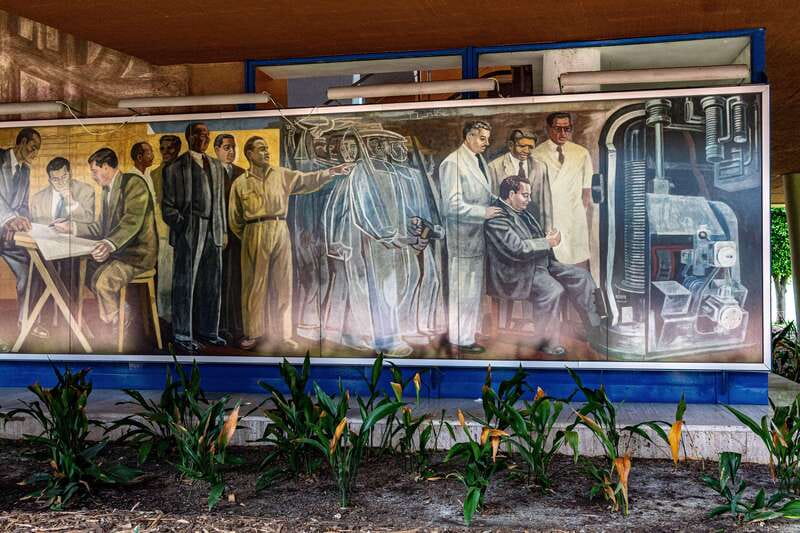
If you want murals that feel like they have a job to do, UNAM is a strong place to look. This tour treats the artwork as a way to understand education in Mexico—where it began, who benefited, and who pushed back when access and power didn’t match.
What I like about this approach is that it doesn’t just say a mural is important. It links the visuals to the country’s student energy: the revolts, the debates, and the changing role of the university. That matters because UNAM isn’t only a backdrop. It’s part of the story the murals are telling.
You’ll also get a practical benefit: once you can “read” one mural’s themes, the rest of the campus art starts to click. The guide helps you make those connections on foot, which is the best way to see this type of public art.
You can also read our reviews of more tours and experiences in Mexico City.
Starting at Rectoría and the UNESCO Plaque
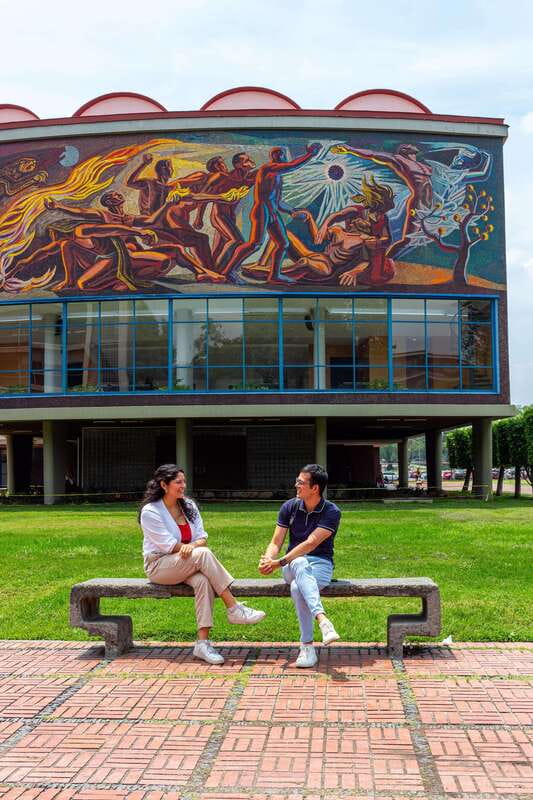
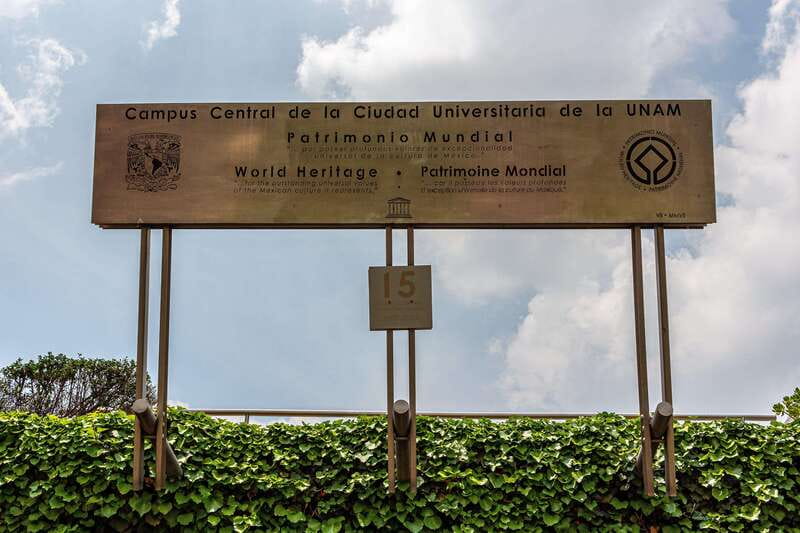
The tour starts at Rectoría de la UNAM, right in front of a UNESCO commemorative plaque. That’s a smart way to begin. Before you walk into the campus flow, you get an immediate sense that you’re in a place recognized for more than one thing.
The guide will have a small Mexican flag so you can spot them quickly. That sounds minor, but it saves time when you’re moving through a major campus where landmarks can blur together. You’re not wandering trying to “find the group.” You’re meeting them and getting on track.
Practical tip: wear comfortable shoes. This is a guided walk across campus spaces, and you’ll be on your feet long enough to want good traction.
The UNAM Central Library Stop: Learning as a Visual Argument
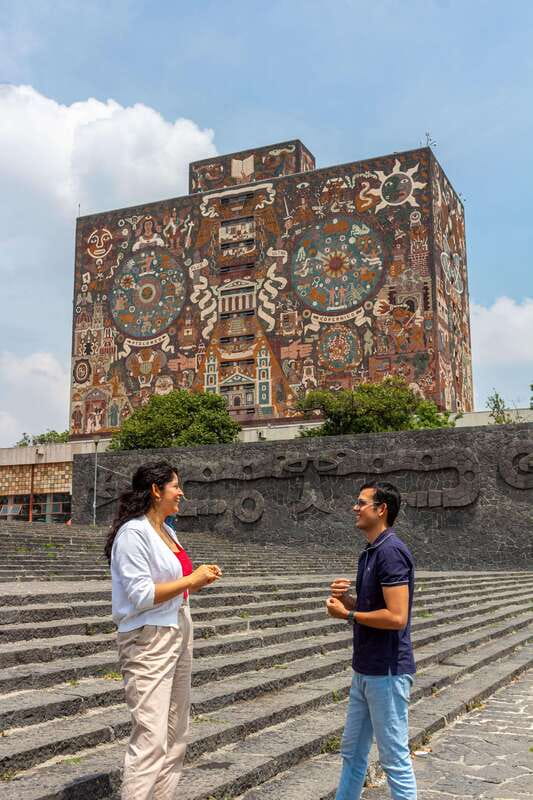
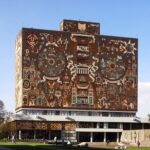
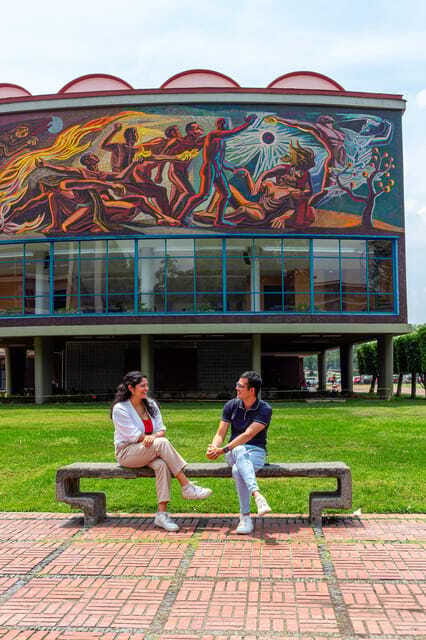
One of your early stops is the UNAM Central Library area, with a guided segment designed around mural interpretation. Here’s the key idea: you’re not just seeing famous artists’ work. You’re learning how the murals tie into the university as a system for shaping minds.
The guide focuses on analyzing murals by Siqueiros and other major figures encountered along the campus route. In practical terms, that means you’re guided through what to notice—composition, theme, and how the painting communicates the role of education.
The value for you is time saved. Without a guide, a mural can look like an impressive wall. With the guide, it becomes a map: symbols point to specific ideas, and the university setting explains why those ideas show up here.
Small drawback: if you’re the type who likes to read on your own without an interpreter, you may want extra time afterward to return for slower viewing. The tour is designed for understanding first, lingering second.
Campus Murals Walk: O’Gorman, Chávez Morado, and Eppens
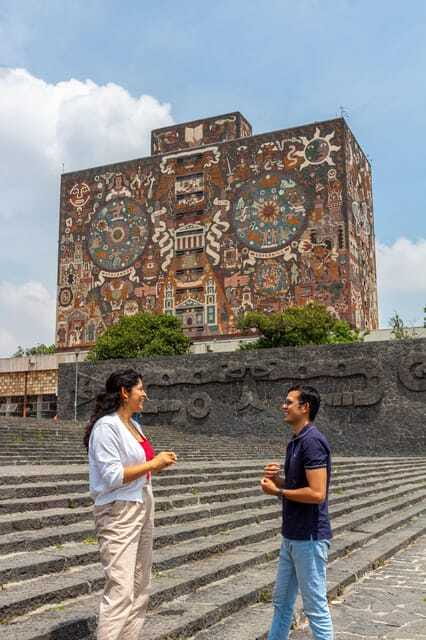
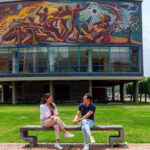
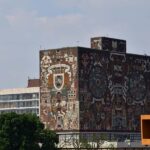
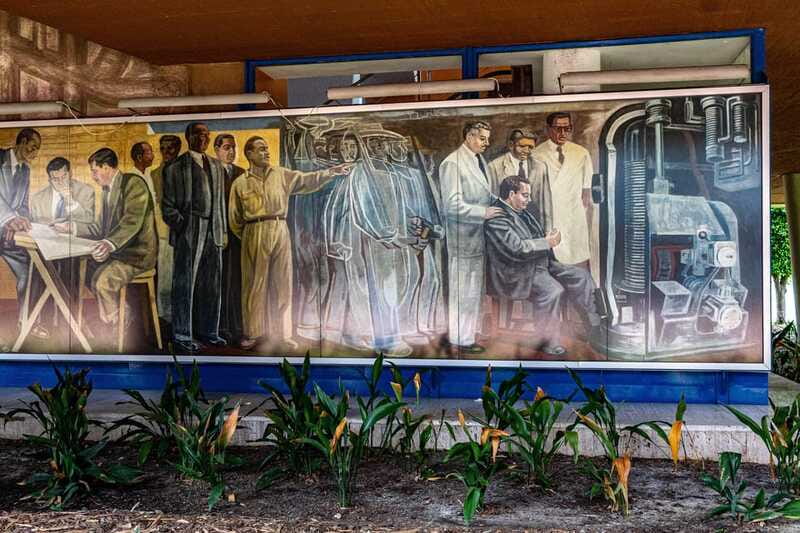
After the library stop, the tour continues through the campus with another guided segment focused on multiple muralists. You’ll be looking at works by O’Gorman, Chávez Morado, and Eppens, with the guide connecting what you see to Mexico’s education origins and the momentum of student revolts.
This is where the tour earns its “revolution” label—not because you hear a single dramatic story, but because the murals reflect different angles of the same big questions:
- Who gets to learn?
- What should education produce?
- How do institutions respond when students demand change?
Even though the tour is only 2 hours total, the guide structure helps you avoid a common problem on mural tours: hopping from artwork to artwork without a thread. Here, the thread is the university’s value in today’s Mexico, and the murals are treated like evidence you can interpret as you walk.
Practical tip: bring a couple of questions. If you’re curious about how public art and education overlap, ask directly. The tour includes a live guide, and the reviews highlight that the guides respond clearly and keep the conversation going.
From Outside to Inside: Estadio Olímpico Universitario
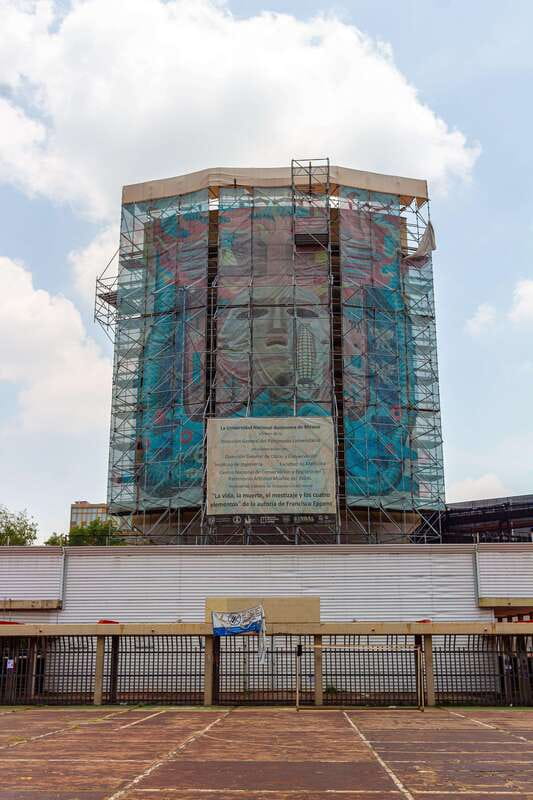
At some point you’ll visit the area of the Estadio Olímpico Universitario. The tour specifically includes a view from outside the stadium and then a guided look once you’re there.
Why do this? Because it changes the tone of what you’re seeing. In many cities, stadium art is just decoration. Here, the tour frames the stadium as part of the same university identity—where sport and school life belong to one larger cultural statement.
You’ll get a guided segment at the stadium level, which helps you connect why a university would place a major mural in a sports setting at all. That shift is useful. It reminds you UNAM isn’t only books and classrooms. It’s also community rituals, including athletics.

Diego Rivera’s Mural and the University, Family, and Sport Theme
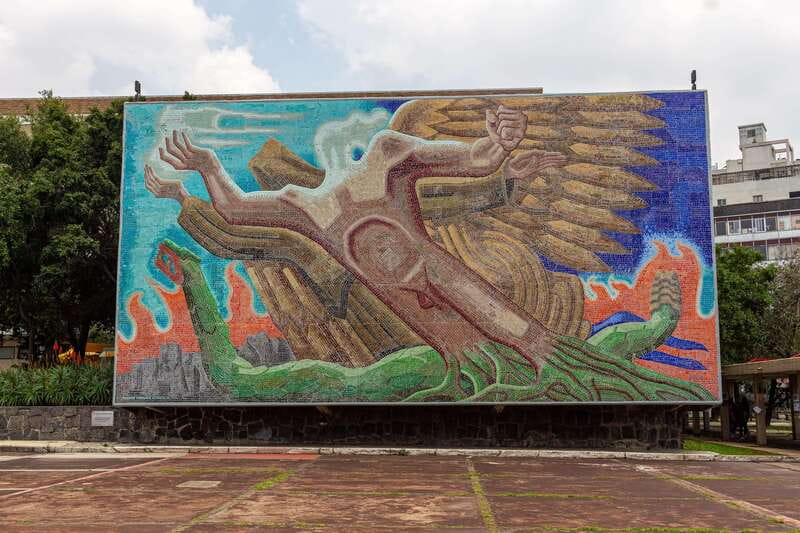
The final visual anchor is Diego Rivera’s mural, La universidad, la familia y el deporte en México. The tour’s end point is essentially about this theme: the university isn’t isolated from everyday life.
The guide helps you interpret how those three ideas fit together. You’re likely to notice the mural’s argument that education reaches beyond the academic sphere—into family life and into the physical, public culture of sport.
This is also a good way to end. Many tours dump you back at the start with nothing to hold in your head. Here, you finish with a mural that ties the whole walking story together: education, social tension, and the daily rhythms of belonging.
Then you return to Rectoría de la UNAM.
Price and Time: Is $52 Worth 2 Hours?
At $52 per person for a 2-hour tour, you’re paying for two things: a guide and concentrated context.
A mural tour can feel expensive if you only get a photo stop. This one is priced like an interpretation session. You spend time in places where the murals connect to education and student history, and you also get a structured walking route that uses the campus layout to explain meaning.
Here’s the practical way to judge value for yourself:
- If you like public art but want help reading it, this price makes sense.
- If you mainly want wandering time and do not want interpretation, you might feel rushed.
The good news is the tour doesn’t promise a full day. It focuses on a handful of major artists and one big Rivera mural, plus the educational-and-revolt themes that bind them.
And yes, a big part of the value is the guide quality. Reviews you can trust repeatedly praise guides such as Jose and Jesus for being engaging and for answering questions clearly. When you find a guide who can explain, the $52 feels less like a ticket and more like a shortcut to understanding.
Choosing Your Language and Getting the Most Out of the Guide
This tour is offered with a live guide in Spanish, English, German, Italian, and Portuguese. That matters because mural interpretation often depends on nuance—words like struggle, reform, and identity don’t translate well if the guide is stuck between languages.
If you’re traveling with someone, you can also pick the language that fits you best and keep your experience smooth. The tour notes that some content is shown in its original language, so if you want the clearest explanation, choose the language you feel most comfortable asking follow-up questions in.
One more practical tip: arrive with one or two topics you’re curious about. For example, you can ask how the tour connects student revolts to the murals by name (Siqueiros, O’Gorman, Chávez Morado, Eppens). With the guide’s pace, those questions usually get answered directly.
Should You Book UNAM: Murals & Revolution?
Book it if you want more than mural selfies. This tour is a good fit if you like:
- Public art with political and educational meaning
- A guided route that links multiple artists into one story
- Finishing with a big, theme-driven mural by Diego Rivera
Don’t book it if you prefer slow, unguided wandering. Two hours can go quickly, and the experience is built around explanation and walking between campus highlights.
If you’re on a first trip to Mexico City and want one experience that feels local and thoughtful—without being academic in a dry way—this is a strong choice.
FAQ
Where is the meeting point for UNAM: Murals & Revolution?
You’ll meet at the Rectoría de la UNAM, in front of the UNESCO commemorative plaque.
How long is the tour?
The tour lasts 2 hours.
What murals and artists will we see?
You’ll visit murals linked to Siqueiros, O’Gorman, Chávez Morado, and Eppens, and you’ll also see Diego Rivera’s mural La universidad, la familia y el deporte en México at the Estadio Olímpico Universitario area.
Is there a guide, and what languages are available?
Yes, there is a live tour guide. The tour is offered in Spanish, English, German, Italian, and Portuguese.
What is the price per person?
The price is $52 per person.
Is free cancellation available, and can I pay later?
Yes. You can cancel up to 24 hours in advance for a full refund. You can also reserve now and pay later to keep your plans flexible.