REVIEW · MANCHESTER
Street Art: The Modern History of the Northern Quarter
Book on Viator →Operated by Skyliner: Alternative Tours and Anti-tours of Manchester · Bookable on Viator
Street art tells Manchester’s real story. This Northern Quarter walk turns walls into clues, mixing counterculture, social justice, and gentrification into an easy 2-hour circuit. You’ll also spot art trails and street corners that don’t show up in the usual photo stops.
I especially like the 25-years street art lens and the fact that it’s not just about pretty murals. I also love the 10% profit donation angle, so your ticket supports local causes while you learn. The guide—often Hayley, from the most enthusiastic feedback—keeps the stories grounded and current, not stuck in the past.
One thing to consider: it runs on foot and the experience notes it needs good weather. If skies turn, you’ll need flexibility since the tour may be moved or refunded, depending on the situation.
In This Review
- Key things to know before you go
- Setting Out From Shudehill: Walls as a Map of the Northern Quarter
- From the Arndale Centre to Tony Wilson’s Detroit Comparison
- The Ceramic Art Trail That Helped Flip the Area
- Contemporary Street Art With Social Justice in the Same Frame
- Off-the-Path Corners and Film Locations for Extra Context
- Time on Foot, Group Size, and Why the Price Feels Fair
- End Point at Black Dog Ballroom: Wrap With One More Reason to Stay
- Should You Book This Street Art Walk in Manchester?
- FAQ
- FAQ
- How long is the street art tour?
- Where does the tour start and end?
- What time does it start?
- How much does it cost?
- Do I need to print anything, or can I use my phone?
- What group size should I expect?
- Is the tour affected by weather?
- Are service animals allowed?
Key things to know before you go

- Starts at Shudehill and ends at Black Dog Ballroom on Church Street, so you can roll into the area afterward.
- Two hours on foot with a small cap of 30 people, which keeps it conversational.
- A street-art timeline across about 25 years, from decline-era Northern Quarter to today.
- Ceramic art trail + contemporary street art, including pieces you may walk past without noticing.
- Social issues get equal billing: gentrification, public space, and who gets pushed out.
- 10% of profit goes to local causes, with the tour also sharing tips on where to eat.
Setting Out From Shudehill: Walls as a Map of the Northern Quarter
I like tours that help you read a city, not just see it. This one starts in Shudehill, a good launch point because it gets you oriented fast and puts you close to the action you came for. From the first stretch, the Northern Quarter is framed less as a trendy district and more as a place with real pressure points—business turnover, culture shifts, and changing who feels at home on the street.
You’ll be walking through streets that have been reinterpreted again and again. The key is that you’re not asked to memorize facts like a museum label. Instead, you learn how artists respond when a neighborhood’s identity is threatened, and how public art can act like a community diary—sometimes loud, sometimes subtle, always political.
You can also read our reviews of more tours and experiences in Manchester.

From the Arndale Centre to Tony Wilson’s Detroit Comparison
A big thread of the walk is how the Northern Quarter moved from decline toward reinvention. Early on, the tour talks about the area’s downturn in the wake of the Arndale Centre opening—an early example of an American-style shopping mall model changing local habits. The result was a ripple effect that didn’t just empty shopfronts; it altered street life and who had the power to shape the area.
The guide also brings up an early-90s cultural perspective from Tony Wilson, who compared the Northern Quarter to Detroit. The reason wasn’t just mood; it was tied to a mass evacuation of businesses and the way that loss made the streets feel raw. The walking tour uses that comparison to set up what public art often does next: fill silence, reclaim visibility, and keep a community narrative from being erased.
And here’s why I think this matters for you: once you understand that this place has been through cycles of neglect and reinvention, you stop treating street art like décor. You start seeing it like civic storytelling—someone saying, this mattered, and it still does.
The Ceramic Art Trail That Helped Flip the Area
One of the tour’s most practical perks is that it gives you an art trail in your head. Along the way, you’ll encounter the ceramic art trail that helped transform parts of the Northern Quarter. Ceramic matters because it’s durable and tactile—often easier for locals to live with than giant paint schemes that disappear quickly.
On this kind of trail, you learn a simple street skill: notice placement and repeat motifs. When you see the same visual language coming back at intersections, you start to understand how artists can guide movement through a neighborhood. Instead of searching for a single mural, you’re following a pattern—almost like reading wayfinding, but emotional rather than logistical.
This stop is also where the tour connects art to long-term change. The Northern Quarter didn’t become popular by accident. It moved because culture workers, small business energy, and public art created momentum—then later, that momentum triggered its own backlash through gentrification.
Contemporary Street Art With Social Justice in the Same Frame
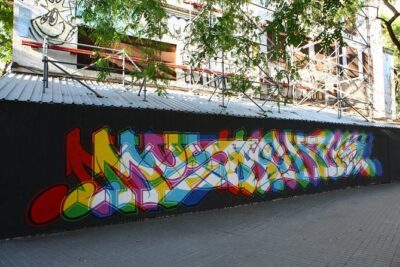
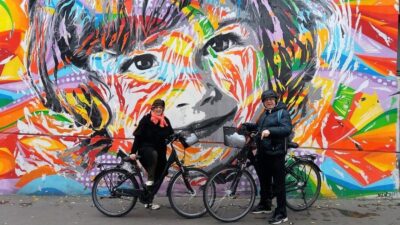
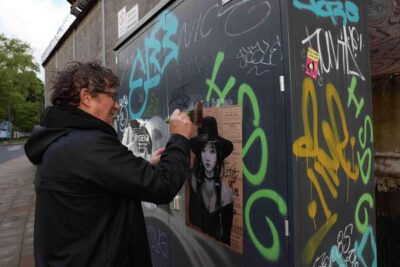
If the first part of the walk teaches you where the district came from, the middle is where you learn how artists respond now. You’ll see contemporary street art and hear the stories tied to social justice themes and counterculture attitudes. The tour doesn’t treat politics as an optional add-on; it’s part of how people read walls.
You’ll also hear about issues like loss of public space, which hits harder once you’ve spent time in the area. It’s one thing to hear about gentrification in theory; it’s another to stand in a place where street life changed, rents rose, and certain kinds of community got priced out. Public art becomes a lens for that conversation because it can preserve memory even when the storefronts change.
What I like about this approach is that it doesn’t only point at problems. It also helps you understand why street art shows up where it does. Artists aren’t just chasing attention; they’re reacting to power—who’s speaking, who’s being heard, and what the street is allowed to say out loud.
Off-the-Path Corners and Film Locations for Extra Context
The tour also includes off-the-path film locations, which is a clever way to make the Northern Quarter feel bigger than its Instagram grid. Even if you’re not a hardcore film watcher, these stops add a layer: streets become scenes, and scenes become stories that people remember.
I find that film-location talk gives you a different kind of wayfinding. Instead of thinking only about art, you start tracking architecture, sightlines, and how the street’s mood changes with a turning corner. That’s where the tour earns its 2-hour time—every segment nudges you toward how to look, not just what to look at.
This is also a good moment to ask questions. The tour includes a friendly setup for getting tips on where to eat, and since the guide’s focus is so tied to local culture and street life, you usually get practical suggestions rather than generic recommendations.
Time on Foot, Group Size, and Why the Price Feels Fair
The ticket price is listed at $20.70 per person, for about 2 hours and a mobile ticket. On paper, that might sound like a basic walking tour price—but the value comes from what’s included in the storytelling: an art timeline, a specific neighborhood focus, and a charitable component.
The charitable component is the standout for value-minded travelers. The tour notes that 10% of profits go to support worthy local causes. That matters because it turns learning into something you can feel good about, not just something you consume. If you like experiences that help fund community efforts while you’re out exploring, this is one of the cleaner setups I’ve seen.
Group size is capped at 30, which usually means you can keep up and actually hear what’s being said at each stop. It also makes the tour feel more like a walk with a local guide than a constant shuffle through crowds.
And yes, it’s still a walking tour—so wear shoes you’d happily wear for a few solid hours. If you’re planning a big day in Manchester, you’ll want to keep the rest of your schedule flexible enough to roll into dinner afterward without stress.
End Point at Black Dog Ballroom: Wrap With One More Reason to Stay
The tour ends at Black Dog Ballroom, located at 52 Church St, Manchester M4 1PW. I like ending somewhere with energy because it gives you a natural next step right away. You’re not stuck hunting for what comes after the tour—you’re dropped right into the Northern Quarter’s live-wire atmosphere.
This end point also helps you mentally file what you just learned. When you pause at the end of a neighborhood story, you remember the full arc more clearly: decline, community energy, public art, reinvention, and the tensions that come with success.
Should You Book This Street Art Walk in Manchester?
You should book if you want more than murals. This tour is built for people who enjoy city storytelling through art, and who want context on gentrification, public space, and counterculture without drowning in heavy lectures. It’s also a strong fit if you’ve lived in Manchester awhile or just arrived—because street art is the kind of thing you miss unless someone teaches you how to look.
I’d also book it if you care about local impact. The 10% profit donation is a real incentive beyond the learning, and it pairs well with the guide’s practical vibe and the chance to ask about where to eat.
Skip it only if you hate walking, or if you can’t handle weather risk. Since the experience requires good weather, cloudy drizzle might still be fine, but you’ll want a plan for a reschedule if conditions aren’t right.
FAQ
FAQ
How long is the street art tour?
It runs for about 2 hours.
Where does the tour start and end?
It starts at Shudehill, Manchester M4, UK and ends at Black Dog Ballroom, 52 Church St, Manchester M4 1PW, UK.
What time does it start?
The start time listed is 11:00 am.
How much does it cost?
The price is $20.70 per person.
Do I need to print anything, or can I use my phone?
You get a mobile ticket, so you don’t need to print.
What group size should I expect?
The tour has a maximum of 30 travelers.
Is the tour affected by weather?
Yes. It requires good weather, and if it’s canceled due to poor weather, you’ll be offered a different date or a full refund.
Are service animals allowed?
Yes, service animals are allowed.