REVIEW · JOHANNESBURG
Johannesburg: Maboneng Street Art & Culture Tour
Book on Viator →Operated by One Day Africa · Bookable on Viator
Street art in Johannesburg tells stories fast. This 2-hour walk through Maboneng turns pretty walls into a guided lesson on local creativity, community groups, and why artists make the choices they do. I like that the route is built for people who want meaning, not just photos, and that it’s run at a small-group pace, capped at 10 travelers.
Two things I particularly like: you get a shortcut through Maboneng Precinct with an expert in the area, and you learn the inspiration behind murals and graffiti instead of guessing. Guides also share the neighborhood’s broader past-and-present story, including how street art is used to shift perspectives locally.
One possible drawback: it’s a walking tour in the downtown streets, so if you’re hoping for a sit-down museum feel, you may find it more active and street-level than expected. Bring your camera, comfy shoes, and a bit of curiosity for what you’ll see between stops.
In This Review
- Key points to know before you go
- Why Maboneng Street Art Feels Like a Conversation
- The Two-Hour Route: What You’ll See and Why It Works
- Stop 1: Murals, art, and galleries with the story behind them
- Stop 2: Johannesburg’s character through art
- Stop 3: A newly constructed neighborhood with old-city energy
- Stop 4: Home of the Bean and the Fox & Berea corner
- End point: back at the same start spot
- Meeting at Maboneng Society: A Simple Plan for Getting There
- Guides Who Bring the Art Down to Earth
- Street Art as Community Change, Not Just Decoration
- Coffee Stop Logic: Home of the Bean on Fox and Berea
- Price Check: Is $37.51 Good Value for This Tour?
- Who This Tour Fits Best (and Who Might Feel Restless)
- A Practical Way to Prepare Before You Book
- Should You Book the Johannesburg Maboneng Street Art & Culture Tour?
- FAQ
- How long is the Maboneng Street Art & Culture Tour?
- How much does the tour cost?
- Where is the meeting point?
- What ticket type do I receive?
- How large is the group?
- What is the cancellation policy?
Key points to know before you go
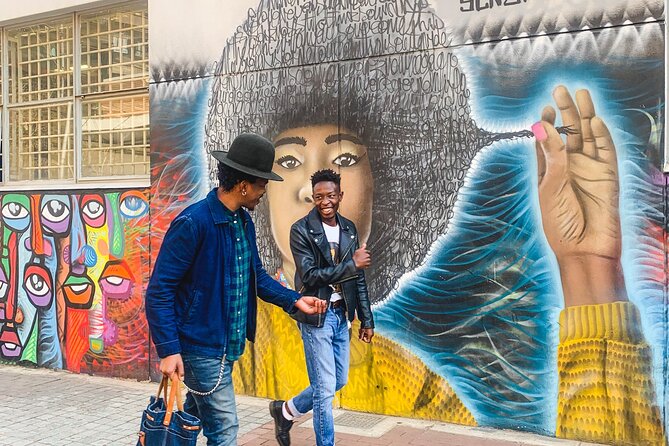
- Maboneng Precinct, guided on foot: less wandering, more context on murals and galleries
- Artist and artwork stories: inspiration and meaning are explained as you go
- Small group size: maximum of 10 travelers keeps it personal
- Includes a café landmark: Home of the Bean is part of the route focus
- Local community lens: street art is framed as more than decoration, tied to change
Why Maboneng Street Art Feels Like a Conversation
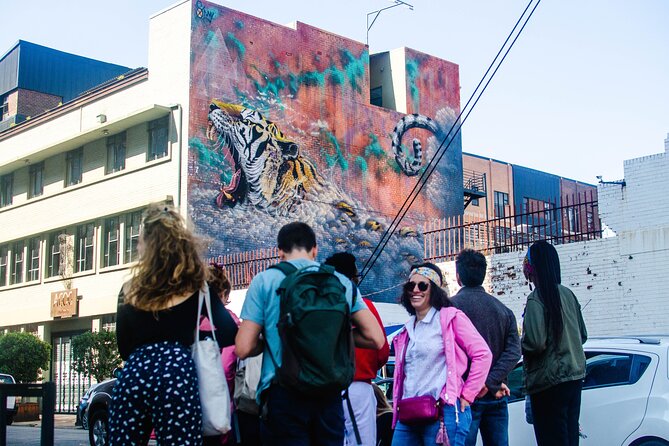
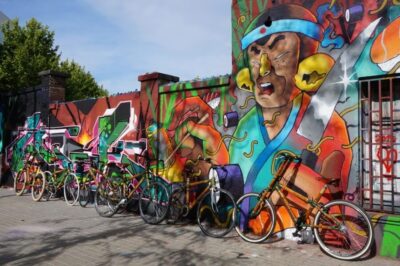
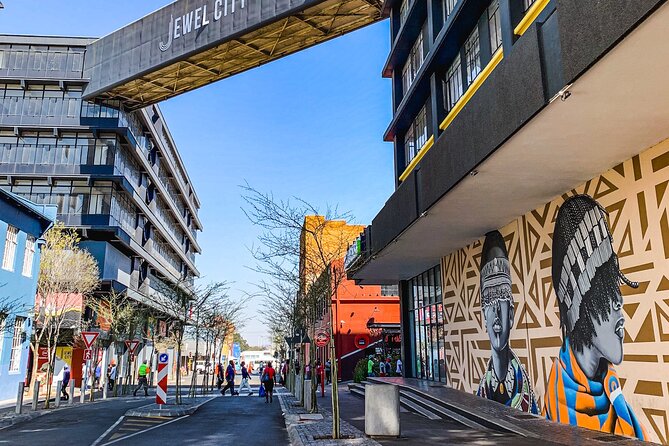
Maboneng is the part of Johannesburg where art shows up on the street like it has a job to do. In this tour, the point isn’t to treat murals like background wallpaper. It’s to help you understand what the work is saying, and why the artists chose the messages they chose.
The biggest value here is context. You’ll be guided through a neighborhood filled with murals, art, and galleries, but you won’t be left alone to decode everything on your own. The tour is built around stories behind the artworks and the people making them, including how street art is shifting perspectives in community spaces. That changes the whole experience. Instead of looking at a wall and moving on, you’ll start noticing patterns: repeated themes, political undertones, everyday pride, and the way art can act like a public voice.
I also like the emphasis on community, not just aesthetics. Johannesburg’s street art is often about identity, struggle, and hope, and the tour keeps steering you toward why that matters locally. It’s not all heavy, though. Many guides keep the mood light and interactive, so you get both the meaning and the fun side of walking around with someone who actually cares.
You can also read our reviews of more tours and experiences in Johannesburg.


The Two-Hour Route: What You’ll See and Why It Works
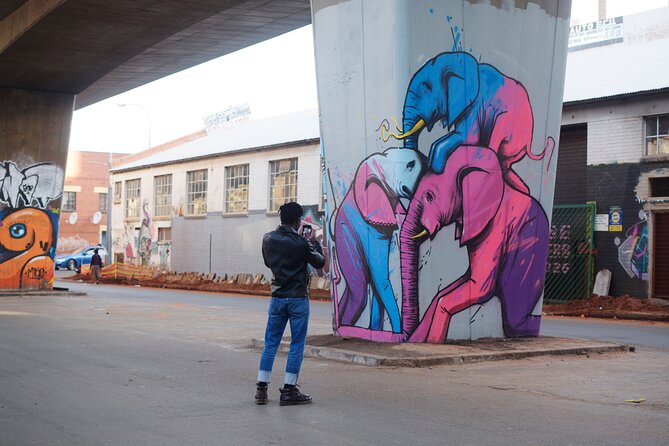
The tour is about 2 hours and runs as a walking route through downtown Maboneng. The pacing matters: you’ll see multiple works and corners without feeling like you’re sprinting from photo spot to photo spot. With a maximum group size of 10, you also get more chances to ask questions and connect what you’re seeing to the stories the guide is telling.
Here’s the flow in plain terms:
Stop 1: Murals, art, and galleries with the story behind them
You start by exploring the neighborhood’s street art and art spaces with a local guide. This is where you’ll get the core approach: the guide points out different kinds of artwork—murals and graffiti—and shares what inspired the artists. The key idea is that street art isn’t random. It responds to place, time, and people.
Stop 2: Johannesburg’s character through art
A later part of the walk keeps zooming out. You’ll spend time connecting the art you’re seeing to what makes Johannesburg feel like Johannesburg. That means you’ll be less focused on checking boxes and more focused on understanding the neighborhood as a living cultural space.
Stop 3: A newly constructed neighborhood with old-city energy
The itinerary also references a newly city-constructed neighborhood. That’s an important theme in Jo’burg, because you can often see change happening in real time. You’ll be in areas where development and creativity overlap, and that helps you understand why street art can appear alongside shifts in the city’s identity.

Stop 4: Home of the Bean and the Fox & Berea corner
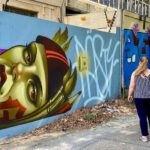
The walk includes a stop at Home of the Bean, a coffee shop located right at the corner of Fox and Berea Street under the bridge. The practical note is this: if you arrive before your tour starts, wait inside the coffee shop. The tour itself uses this as an easy-to-spot landmark, and it also gives you a moment to reset before you move again.
End point: back at the same start spot
You finish where you started: Maboneng Society at 26 Van Beek St, New Doornfontein, Johannesburg, 2001. Having the same meeting and ending point makes it easier after the walk—no extra navigation required when you’re tired and your phone battery is down to 14%.
Meeting at Maboneng Society: A Simple Plan for Getting There
This tour starts at Maboneng Society, address 26 Van Beek St, New Doornfontein. It’s also noted as being near public transportation, which is a big deal in a city like Johannesburg where waiting times and walking routes can change fast.
The most useful tip from the provided details: you should expect the organizer to message you around 30 minutes before the tour start via WhatsApp or another message method. If there are booking changes, that contact line is also your heads-up.
If you want to make your arrival smooth:
- Use the address and map pin for Maboneng Society.
- If you’re early, use the nearby landmark instruction: Home of the Bean under the bridge on Fox and Berea is where you should wait inside.
Guides Who Bring the Art Down to Earth
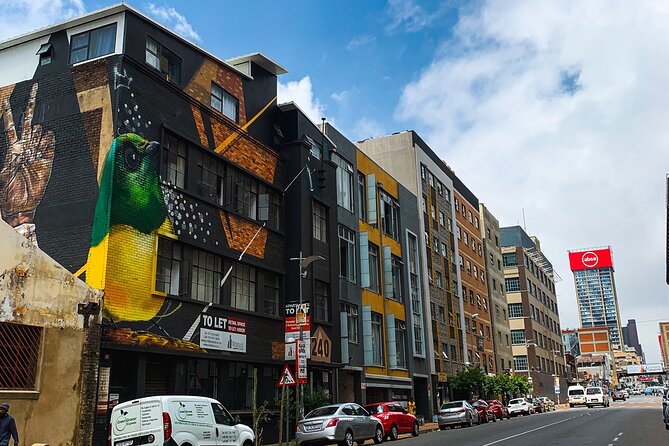
The difference between a street art tour and a meaningful one is the guide. This one leans heavily on interpretation: who made the work, what inspired it, and how it connects to the neighborhood’s culture.
The guides named in the feedback include Refiloe, Mulalo, Milalo Mphuma, and a guide referred to as Given. Across these experiences, the common thread is clear: guides don’t just point. They explain, and they keep the tone friendly and professional.
I also like that the guide role is framed as community-aware. You’re getting more than art history as facts. You’re learning how street art connects to local groups and shifts in how people think about themselves and their surroundings. That’s why it feels less like a lecture and more like a guided walk with someone who knows the neighborhood rhythm.
Some of the strongest moments from the guide style:
- Feeling safe while walking in the area
- Being given enough context to understand what you’re seeing
- Getting互动-style engagement, even when you’re traveling solo
If you’re the type who loves asking why an artist chose a color, a symbol, or a theme, this tour rewards that habit.
Street Art as Community Change, Not Just Decoration
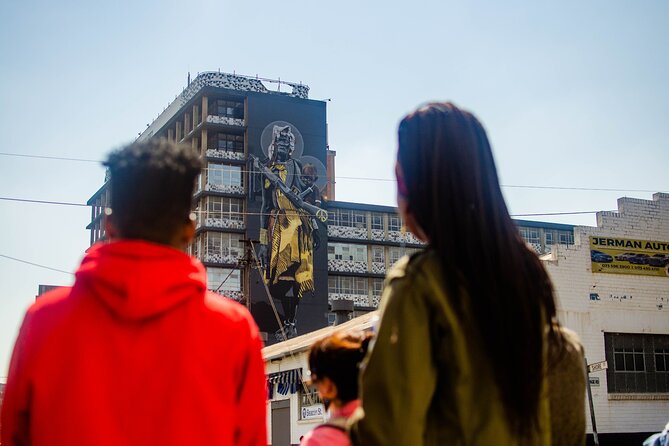
A lot of people come to street art tours wanting the look. This one adds the “why.” The tour specifically mentions how street art is changing the perspective in local community groups, which is where the experience becomes more than a cool photo shoot.
Here’s what you can expect to pick up as you walk:
- Street art can be a public voice, not just self-expression
- Artists often respond to local issues and social realities
- The neighborhood’s creative output is tied to how people experience Johannesburg
You’ll also get neighborhood history framing alongside current visuals. In the feedback, there’s mention of Maboneng being part of an attempt to gentrify an area that was considered dangerous before. That kind of development can create tension, and the most helpful tours don’t pretend it’s all smooth. The takeaway you can carry with you is that street art often shows up in places undergoing change, because artists respond faster than buildings do.
Coffee Stop Logic: Home of the Bean on Fox and Berea
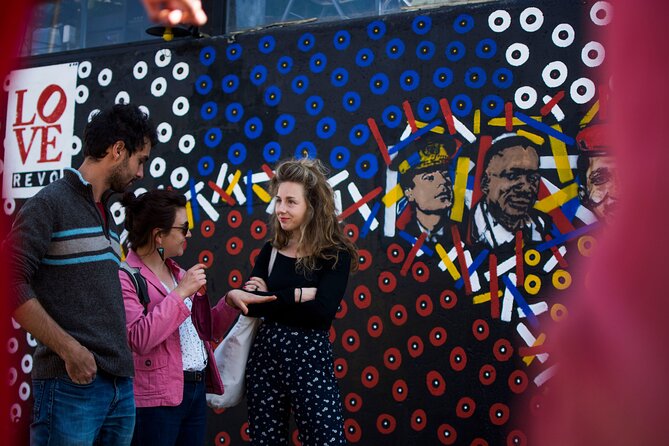
The Home of the Bean stop is practical, and that matters. In cities, the hardest part of a walking tour can be timing and meeting up without chaos. Here, the coffee shop is used as a reliable landmark under the bridge on Fox and Berea.
Even if you don’t plan to buy anything, it gives you:
- A comfortable indoor place to wait if you arrive early
- A familiar corner landmark to orient yourself
- A chance to regroup if you’re walking in warmer conditions or coming in from elsewhere
That’s a small detail, but it’s exactly the kind of detail that makes these tours feel well run.
Price Check: Is $37.51 Good Value for This Tour?
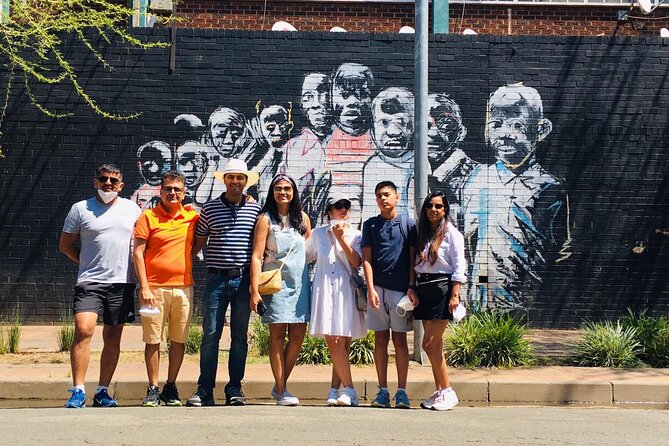
The price is $37.51 per person, and the tour runs for about 2 hours. There’s no listed inclusions like museum entry or a paid activity. It’s basically a guided street walk, with the guide’s time and local knowledge as the main product.
So is it good value? For me, street art tours are worth it when the guide can do three things:
1) point out work you’d miss on your own
2) explain the meaning in a way that clicks
3) connect art to the neighborhood in real terms
This tour is designed around those points. Plus, the group size cap of 10 helps keep the guide available, which is important when you actually want to ask questions. At this price, you’re paying mostly for interpretation and navigation through Maboneng, not for extras. If that’s what you want, it feels fair.
If you’re only interested in taking photos with minimal explanation, you might decide you’d rather explore on your own. But if you want context and a guided route, this is priced like a focused experience, not a huge production.
Who This Tour Fits Best (and Who Might Feel Restless)
This works especially well if you:
- like street art and want the meaning behind it
- enjoy walking tours where a guide fills in local stories
- want an easier way to get your bearings in Maboneng Precinct
- travel solo and still want interaction and a calm group size
It’s also a solid choice if you’re curious about how art connects to community issues in Johannesburg, not just aesthetics.
You might want to reconsider if:
- you dislike walking in street environments
- you expect a mostly indoor schedule
- you want a purely historical museum-style experience rather than a neighborhood walk
Overall, the vibe from the guide-focused feedback is that you’ll feel at ease and safe while you explore, which is huge for first-time visitors.
A Practical Way to Prepare Before You Book
Before you go, plan like you’re doing neighborhood sightseeing, not a ticketed attraction:
- Wear comfortable shoes for a short-city walk
- Bring a camera if you want more than quick phone snapshots
- Have a bit of patience if the neighborhood layout feels maze-like before the guide starts orienting you
Also, send yourself the start address details so you’re not relying on a weak signal. The tour uses mobile ticketing, and the organizer reaches out around 30 minutes before departure if there are changes or updates.
Should You Book the Johannesburg Maboneng Street Art & Culture Tour?
I’d book it if your ideal Johannesburg day includes street art with real context, guided by locals who can explain why murals and graffiti matter. The combination of small group size, a route that helps you avoid getting lost, and the consistent emphasis on stories behind the art makes this a strong pick.
I’d skip it if you’re mainly chasing a relaxing sit-down plan, or if you only want art as visuals with no interest in meaning. At $37.51 for about two hours, you’re paying for the guide-led interpretation, so match that expectation.
If you want a street-level look at Johannesburg’s creative side, with a plan you can follow, this tour is one of the most sensible ways to do it.
FAQ
How long is the Maboneng Street Art & Culture Tour?
It runs for about 2 hours.
How much does the tour cost?
The price is $37.51 per person.
Where is the meeting point?
The tour starts at Maboneng Society, 26 Van Beek St, New Doornfontein, Johannesburg, 2001, South Africa, and it ends at the same location.
What ticket type do I receive?
You’ll receive a mobile ticket.
How large is the group?
The tour has a maximum of 10 travelers.
What is the cancellation policy?
Free cancellation is available if you cancel up to 24 hours in advance for a full refund. If you cancel less than 24 hours before the start time, the amount paid is not refunded.