REVIEW · BOGOTA
Bogotá Street Art and Graffiti Tour 3 Hrs
Book on GetYourGuide →Operated by Hansa Tours S.A.S · Bookable on GetYourGuide
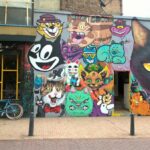
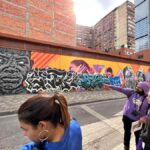
Street art in Bogotá comes with stories, not just style. This 3-hour tour is built around the origins of graffiti and how the city turns it into public conversation, from political messages to community art. I like that the guide explains why some pieces get approval and commissions, not random tagging, and I also like the mix of downtown murals plus local hangouts.
One thing to consider: the tour touches politics and Colombia’s harder past, so it’s not just a casual photo walk.
Key things I’d plan around
- Hotel pickup and drop-off so you spend less time figuring out logistics
- A bilingual, professional guide in English or Spanish (Camillo is one example who brings lots of context)
- Street art as communication, including how businesses partner with artists to get meaningful results
- Downtown walking time focused on the city center, plus time in vintage and alternative shops
- Trendy pubs and local stops where street art connects to everyday life
- No meals included, so plan on water and keep an eye on timing
In This Review
- Street Art in Bogotá, Explained Like a Citywide Conversation
- The 3-Hour Format That Keeps Things Moving (Hotel Pickup Included)
- The Graffiti Story: From Expression to Commissioned Art
- Downtown Stops: What You’ll Learn While You Walk
- Vintage and Alternative Shops: Where Street Style Meets Local Taste
- Trendy Pubs and Local Hangouts: Getting Beyond the Wall
- Price and Value: Is $86 Worth It for This Style of Tour?
- Who This Tour Fits Best (and Who Should Skip It)
- Should You Book Bogotá Street Art and Graffiti?
- FAQ
- How long is the Bogotá Street Art and Graffiti Tour?
- Where does the tour start and how do you get back?
- Is the tour guided, and what languages are available?
- Is this tour wheelchair accessible?
- What should I bring?
- Are meals or drinks included?
- Is there a cancellation policy?
- What if I want flexible plans when booking?
Street Art in Bogotá, Explained Like a Citywide Conversation
Bogotá graffiti isn’t treated here like noise. It’s framed like an older form of public expression that can carry emotions, make political points, and create visibility in plain sight. You start by learning where the term comes from and why graffiti has stuck around as one of the most direct ways people speak when they feel unheard.
What I like about this approach is the cause-and-effect view. You don’t just see walls. You learn the idea behind them: why some artists work with permission, how commissions can shape quality and reduce mindless tagging, and how the city’s creative culture has grown into something more organized than people expect.
The tour also connects street art to how Colombia processes its own story. It looks at how murals and graffiti can comment on national politics, and how art can also be a daily morale boost for people who lived through a traumatic past. That shift from controversy to comfort is one reason the walking route feels more human than academic.
The 3-Hour Format That Keeps Things Moving (Hotel Pickup Included)
This tour is tight on purpose. Total time is 3 hours, with hotel pickup in Bogotá, then 2 hours with your guided route in the city center area. The return is handled back to your hotel, so you don’t end up doing the classic end-of-tour problem where everyone has to independently navigate their way home.
You’ll travel by private vehicle, which matters in Bogotá where streets and timing can make a casual plan harder than it sounds. It also sets a calmer tone. You’re not stuck standing around with a group trying to orient, and the guide can get you oriented early with the big-picture ideas of what you’re about to see.
Because the group is private, you can ask questions without it turning into a free-for-all. If you’re the type who likes to understand why something exists before taking photos, this structure works well. You’ll still be walking, though—so comfortable clothes are a smart call, and having your passport or ID card on hand is part of the routine.
You can also read our reviews of more tours and experiences in Bogota.
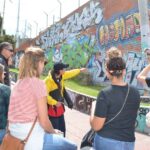
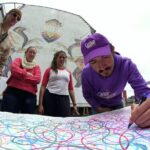
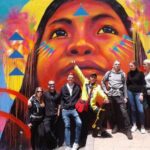
The Graffiti Story: From Expression to Commissioned Art
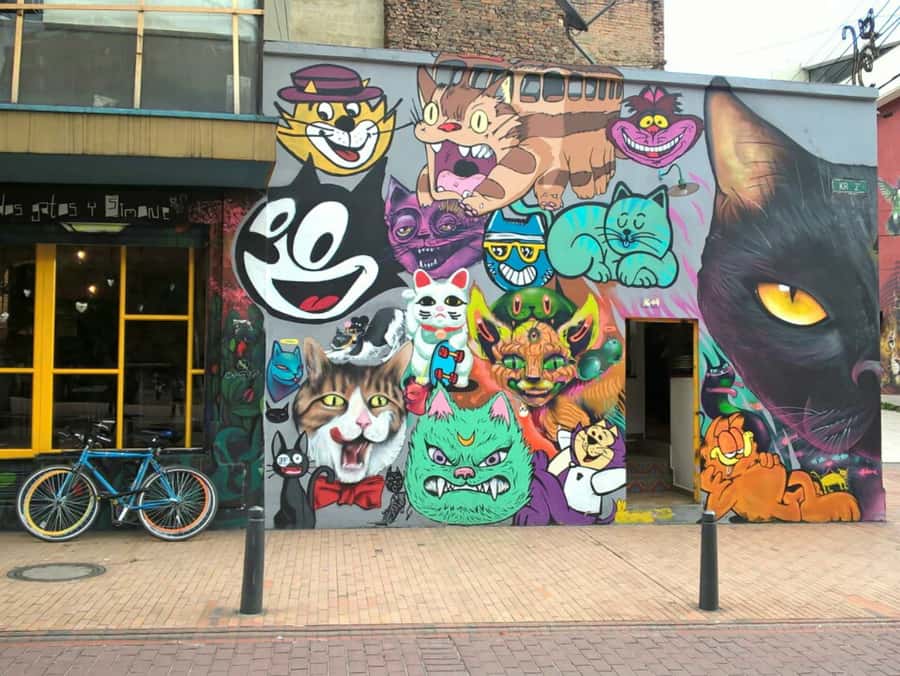
A big focus is the difference between “street art as expression” and “street art as permissioned artwork.” The tour explains how Colombia has embraced street art as something tied to the people who live here. That’s why you’ll hear about the practice of artists getting commissioned by businesses, rather than leaving the whole scene to uncontrolled tagging.
That point matters, because it changes how you read what you see. When graffiti is created with a real client behind it—especially a business trying to brighten the city—you often find more thought in the message, more care in the composition, and more intention in how the artwork speaks to its surroundings. In other words, you see the wall as a message board with rules, not just a wall getting vandalized.
You also learn how advertising campaigns use the same medium to reach people. Street art becomes a tool, not only a rebellion. That doesn’t erase the political side; it reframes it. You can notice when the goal is community uplift, when it’s a commentary on politics, and when the piece is meant to connect with local attention in a way that traditional ads can’t.
And if your guide happens to be someone like Camillo—noted for strong language skills and lots of information—you’ll likely get extra depth in how the art is explained. Even if you’re not a street-art expert, that kind of guide helps you understand the symbols and the intent quickly, without turning it into a lecture.
Downtown Stops: What You’ll Learn While You Walk
The guided portion is all about seeing Bogotá center through a street-art lens. Instead of treating murals like separate “attractions,” the tour ties them together into themes: identity, politics, emotion, and how public walls become a communication channel.
You’ll learn about the origins of graffiti and how it works as an art form people use to express feelings or make political statements. That groundwork is what makes the walking stops click. Once you understand graffiti as a language, you can start noticing the difference between style and content.
Here’s what to expect from the guide’s tone: practical and explanatory, with an emphasis on how street art functions in everyday life. The best part is you’re not only looking at the art; you’re learning how Colombia has handled it—how acceptance and commissioning shape what survives and what gets repeated.
One drawback worth flagging: if you’re expecting purely light entertainment, the conversation may turn to politics and traumatic history. That’s not a negative; it’s part of how street art is presented here. Just know what kind of lens you’re walking into.
Vintage and Alternative Shops: Where Street Style Meets Local Taste
Downtown doesn’t just mean walls. The route includes stops in vintage and alternative stores, which is a smart pairing with the art theme. Graffiti culture and street fashion often share the same energy: reusing what already exists, remixing influences, and wearing identity instead of just following trends.
These shops also give the tour a different rhythm. After looking at big messages on walls, you get to shift into smaller details: textures, labels, and personal style choices. It’s the kind of stop where you can slow down, browse without pressure, and connect street art to what people choose to wear and buy.
One practical thing: since meals and drinks are not included, shopping time can matter for your energy. Bring water if you know you’ll feel low on energy during a 3-hour outing, and pace yourself so you don’t end up rushing through the shop stops just to catch the timing.
If you like buying a small souvenir that feels tied to the local scene—rather than something generic—these stops can be the part of the day you remember.
Trendy Pubs and Local Hangouts: Getting Beyond the Wall
Street art can feel like a museum from the outside. The tour avoids that by building in time to meet people in trendy pubs and other interesting places. That’s where the story shifts again—from how the art is made to how it’s understood.
You’ll see how street art fits into conversations about the city. It’s one thing to hear a guide explain themes like politics or trauma. It’s another to talk with locals in a relaxed setting and realize the art is part of how people interpret their neighborhood.
This is also where the private-group format helps. You can ask follow-up questions, clarify what you saw, or simply steer the conversation to what interests you most. If you’re curious about Colombia beyond postcard history, this stop is where the tour becomes less about sightseeing and more about social context.
As mentioned earlier, drinks and meals aren’t included, so if you want a beverage during the pub stop, plan for it. The tour’s job is to bring you to the doorways; it won’t handle your hangout budget.

Price and Value: Is $86 Worth It for This Style of Tour?
At $86 per person for a 3-hour experience, the value comes from what’s bundled, not the headline cost. You get hotel pick-up and drop-off, a professional bilingual guide, and private vehicle transport. That’s a lot of friction removed for one outing.
You’re also buying context. Street art can look like “cool visuals” if you don’t know what to ask. Here, you learn why graffiti has meaning in Bogotá—how permissioned works can lead to pieces with messages and depth, and how advertising and politics can share the same visual language.
The other value factor is time. If you only have a short window in Bogotá, this kind of tour turns that time into more than a quick look at walls. You leave with a framework: graffiti as communication, commissions as quality control, and the way artists can comment on national issues or brighten everyday life.
If you prefer freeform exploration only, self-guiding can feel cheaper. But when you want a guided explanation paired with downtown shop stops and a local-meet setting, this price starts to make sense fast.
Who This Tour Fits Best (and Who Should Skip It)
I’d say this tour is a strong match if you:
- care about street art meaning, not only aesthetics
- like learning how creativity works with society, businesses, and public messages
- want a downtown day that includes vintage/alternative shopping and casual local conversation
- appreciate the convenience of hotel pickup and drop-off
You might reconsider if you:
- want only upbeat, light themes with zero political or past-related discussion
- hate walking for about two hours during the guided portion
- need meals/drinks included as part of the plan
Should You Book Bogotá Street Art and Graffiti?
If you want Bogotá’s street art explained in a practical way, with a guide who brings real context, this tour is an easy yes. The combination of graffiti as communication, the emphasis on commissioned and permissioned work, and the added stops for shops and local hangouts makes it feel like a single connected experience, not scattered sightseeing.
Book it if your goal is understanding the city through its walls—and leaving with a better read on what Bogotá people are saying, even when it’s written on concrete.
FAQ
How long is the Bogotá Street Art and Graffiti Tour?
It lasts 3 hours total.
Where does the tour start and how do you get back?
The tour includes hotel pick-up and drop-off in Bogotá.
Is the tour guided, and what languages are available?
Yes, it includes a professional bilingual guide available in Spanish and English.
Is this tour wheelchair accessible?
Yes, the tour is wheelchair accessible.
What should I bring?
Bring a passport or ID card, and wear comfortable clothes.
Are meals or drinks included?
No. Meals and drinks are not included.
Is there a cancellation policy?
Free cancellation is available up to 24 hours in advance for a full refund.
What if I want flexible plans when booking?
You can reserve now and pay later, so you can keep travel plans flexible.