REVIEW · HAMBURG
Alternative Hamburg Private Alternative Street Art Tour
Book on Viator →Operated by Alternative Hamburg Tours GbR · Bookable on Viator
Street art has politics on the wall. This 2-hour private walk through Schanzenviertel & St. Pauli is one of the fastest ways to get political context behind the murals, with guides like Adrian tying graffiti styles to subcultures and issues like gentrification. At $347.05 per person, it is not a budget stroll, so it pays off best if you want the story, not just the sights.
You meet near Sternschanze S-Bahn and finish near Gänsemarkt around 3pm, leaving you time to keep wandering afterward. It runs in all weather and uses a mobile ticket, so the logistics are usually low-stress.
In This Review
- Key highlights at a glance
- Schanzenviertel to St. Pauli: what this street art tour actually gives you
- How the timing fits Hamburg: Sternschanze start, Gänsemarkt finish
- The itinerary in plain language: what you’ll do and what you’ll notice
- Sternschanze area: first contact with the street art mindset
- Toward St. Pauli: where the political context gets louder
- Katoviertel to Gänsemarkt: the street art walk that ends at the centre
- Guides who bring real street-culture experience: Adrian, Teresa, and Tobi
- Value check: is $347.05 per person worth it?
- What to expect on the ground: walking pace, weather, and small-group feel
- Practical tips so you get more out of the 2 hours
- Should you book this Alternative Hamburg Street Art Tour?
- FAQ
- How long is the street art tour in Hamburg?
- Where does the tour start and where does it end?
- Which neighborhoods will you walk through?
- What’s included in the price?
- Does the tour run in bad weather?
- What’s the group size?
Key highlights at a glance
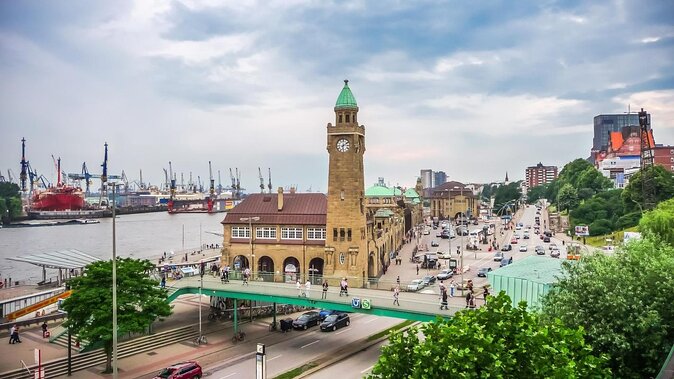
- Two districts, one clear focus: Schanzenviertel plus St. Pauli, so you cover real street-art zones on foot
- Guides who connect art to ideas: you’ll hear political inspiration, subcultures, and the local tensions around gentrification
- Real-style variety: tags, graffiti, and larger mural approaches show up as you move through neighborhoods
- Short but not rushed: about 2 hours, ending near Gänsemarkt so your day stays flexible
- Small group size: up to 15 per booking, with the whole thing staying private for your group
Schanzenviertel to St. Pauli: what this street art tour actually gives you
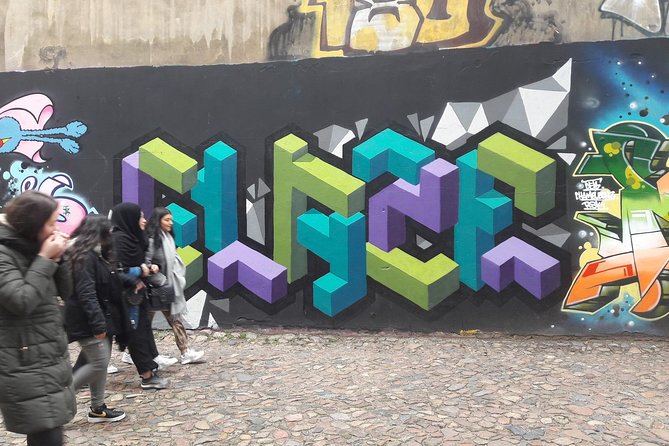
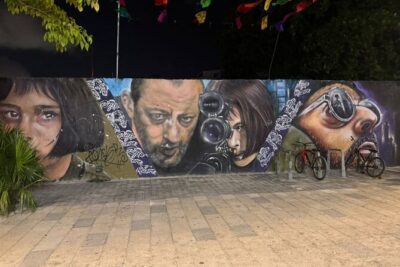
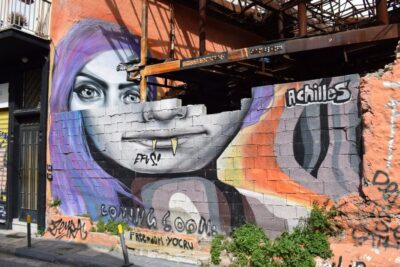
Hamburg’s street art isn’t just decoration. In Schanzenviertel and St. Pauli, the walls often act like public opinion—about politics, identity, and who gets to belong in the city. That’s the core reason this tour works better than walking on your own with a map. You are not just hunting murals. You are learning how to read them.
Two things I really like about this experience are the neighborhood flow and the context. The route is set up so you walk from the Sternschanze area toward St. Pauli and then onward toward the city centre. As the districts change, so do the art styles and the stories behind them. And the guide’s job is to translate what you see—turning graffiti and murals into something you understand instead of just something you spot.
Here’s the one consideration: at $347.05 per person, you are paying for guided interpretation. If you only want photo ops, you can do a DIY walk. If you want to understand why artists paint certain messages in certain places, this price starts to feel more reasonable.
You can also read our reviews of more tours and experiences in Hamburg.
How the timing fits Hamburg: Sternschanze start, Gänsemarkt finish
The tour begins near Sternschanze S-Bahn station, and the plan is to start in the early afternoon. The overview notes a 1pm meet, while another time detail lists 10:00am—so make sure you follow the exact time on your confirmation. You’ll be starting near public transit, which matters in Hamburg because you’ll save time by not fighting taxis or parking.
You should expect about 2 hours of walking, then a finish around 3pm near Gänsemarkt metro/U-Bahn. That city-centre ending is handy. It means you can keep going right away for museums, shopping streets, or just another round of exploring without having to retrace your steps across the same neighborhoods.
This also helps you pace your day. You can pair the tour with a morning activity, or you can use it as the afternoon’s anchor and then wander afterward with a better sense of what you are looking at.
The itinerary in plain language: what you’ll do and what you’ll notice
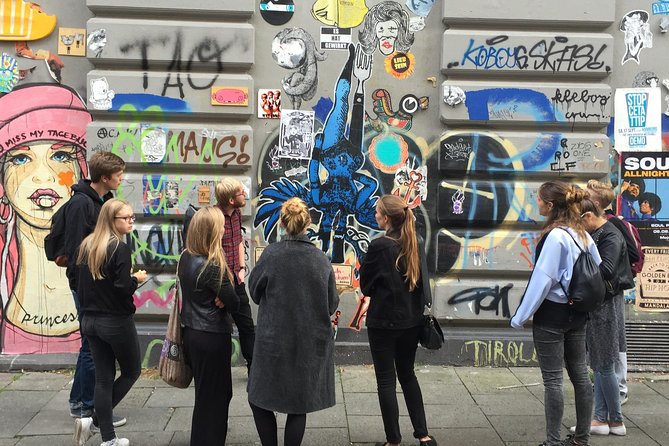
This is a walking tour through Schanzenviertel and St. Pauli, with stops that aim to cover different styles of street art and graffiti. On the way, your guide explains the historical background and the social side—what subcultures influenced the art, and why some pieces land in the way they do.
You’ll start at Sternschanze, then move closer to Sankt Pauli, then proceed through Kato(v)iertel toward the city centre near Gänsemarkt. The point of that order is not distance. It is contrast. You’ll see how street art changes with the streets, the energy of the blocks, and the tensions between long-time communities and newer development pressures.
A good guide also helps you avoid one common mistake: staring at the art without understanding it. Here, you’ll get the why—often tied to political inspiration and local movements—and that changes how you notice details. Smaller stylistic choices suddenly make sense.
Sternschanze area: first contact with the street art mindset
When you begin in Sternschanze, you are stepping into the zone where street art in Hamburg feels most conversational with the neighborhood. You’ll likely see a mix of approaches—quick tags, larger graffiti pieces, and maybe bigger mural work—plus evidence that the city’s wall culture has evolved over time.
The guide’s commentary is the key here. Instead of giving only art history, you’ll hear how graffiti connects to subcultures and local identity. That makes the early part of the walk feel like a briefing for the rest of the tour. You start learning how to “read” styles and messages, not just admire them.
Toward St. Pauli: where the political context gets louder
As you head closer to St. Pauli, the tour typically shifts into more explicit connections between street art and public conversation. St. Pauli has long been associated with alternative life and strong community identities, so the art often reflects that atmosphere.
This is also where you’ll get insight into issues like gentrification and other political movements. You may see pieces that feel like commentary on change—who benefits, who gets pushed out, and what gets sanitized as neighborhoods become more expensive. Even when the artwork is abstract or stylized, the guide helps you place it in a social frame.
One of the best parts, based on guide feedback you can expect in this kind of tour, is that you do not get hit with a lecture. For example, guides such as Teresa have been praised for giving the right amount of information and keeping pace comfortable. The goal is to stay engaged while still understanding what you are seeing.
Katoviertel to Gänsemarkt: the street art walk that ends at the centre
By the time you reach the route toward Katoviertel and the approach to Gänsemarkt, you are moving from “street art as neighborhood expression” toward “street art as part of the wider city.” Finishing near a major metro/U-Bahn station keeps the experience practical.
This part of the walk is useful because it helps you connect the dots. You’ll have seen multiple styles by then, and your brain is already tuned into the messages. Ending near the centre also makes it easier to continue your day with less friction, since you are not far from transit and popular sights.
Guides who bring real street-culture experience: Adrian, Teresa, and Tobi
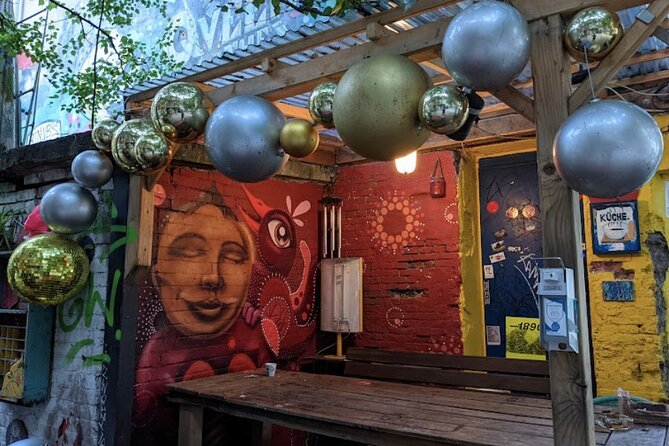
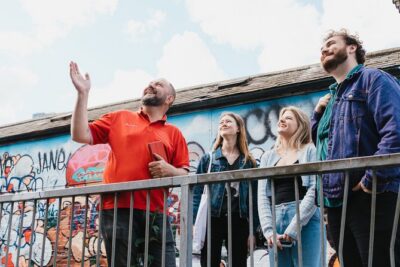
The strongest praise for this tour is the guides themselves—especially their ability to explain street art culture in a way that feels human and grounded.
In the reviews, Adrian is highlighted as a very nice, very informed guide about street art and graffiti culture, and people explicitly enjoyed the walk around the St. Pauli areas. Another review praised Tobi for bringing different street arts to life in a way that felt authentic because of his own artistic experience. That matters, because street art has its own language—materials, lettering styles, and the culture around how pieces are made and how they get received.
Teresa also shows up in the feedback with strong marks for enthusiasm and a good information balance. That’s a big deal on a 2-hour tour. Too little context feels superficial. Too much feels like a classroom. Here, the feedback suggests you get the right amount to make the walk feel worth it without burning time.
Also, the tour is private for your group, which typically means you can ask questions without feeling rushed. If you are curious about why certain messages show up where they do, or how artists think about public space, this format usually helps.
Value check: is $347.05 per person worth it?
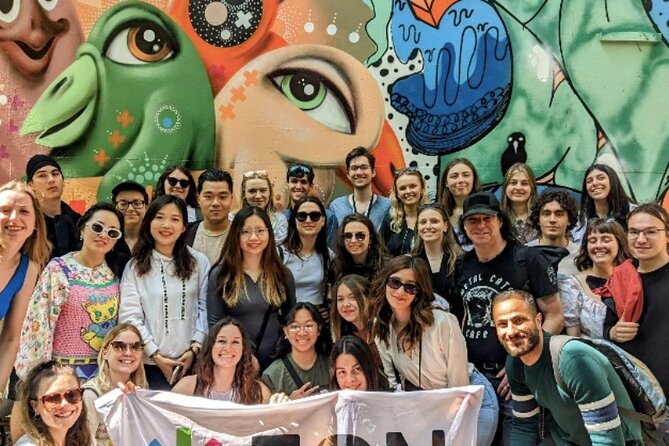
Let’s be honest. $347.05 per person is steep for a 2-hour walk. So value depends on your travel style.
Here’s when it makes sense:
- You already like graffiti and street art and want the story behind it
- You want to understand politics, subcultures, and gentrification rather than just spot art
- You prefer having a guide point out what you might otherwise miss
- You want a short plan that fits into a day without doing hours of research
Here’s when it may not:
- If your main goal is photos and you do not care about the message
- If you are not interested in the social side of the art
- If you’re traveling solo with no interest in guided interpretation (then a DIY walk can be cheaper)
But there’s a practical upside to paying for a guide. Street art is fragile and local: the best pieces are often the ones tied to specific streets and specific histories. A guide turns the city into a structured “reading.” You spend your time making meaning, not just searching.
What to expect on the ground: walking pace, weather, and small-group feel
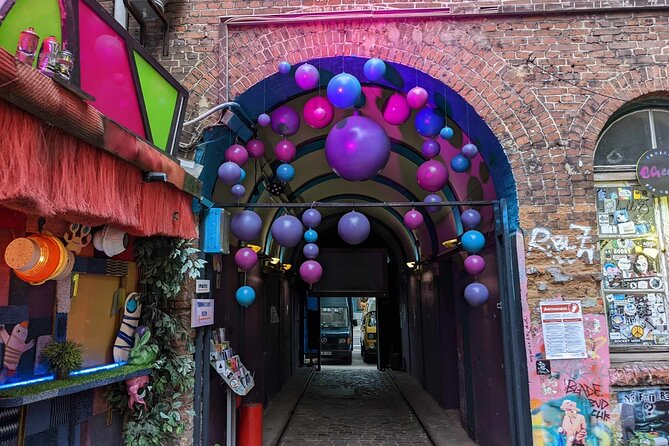
This tour is designed as a walking experience, so comfortable shoes matter. The operator notes it runs in all weather conditions, so dress for rain, wind, or cold depending on the season. If you wait to check the forecast after you leave the hotel, you might still get caught—so go prepared.
Group size is capped at a maximum of 15 people per booking. That size usually helps keep the tour moving and still allows the guide to connect with people. It also tends to mean fewer long pauses and more time on the sidewalk, which is what you want for street art viewing.
The tour uses a mobile ticket, so you don’t need to print anything. You’ll still want your phone charged, especially if you plan to use it for photos afterward.
Transportation to and from the attractions is not included, but the meeting point is near public transit. That’s usually the sweet spot: you handle getting there, and the guide handles turning the neighborhoods into a coherent route.
Practical tips so you get more out of the 2 hours
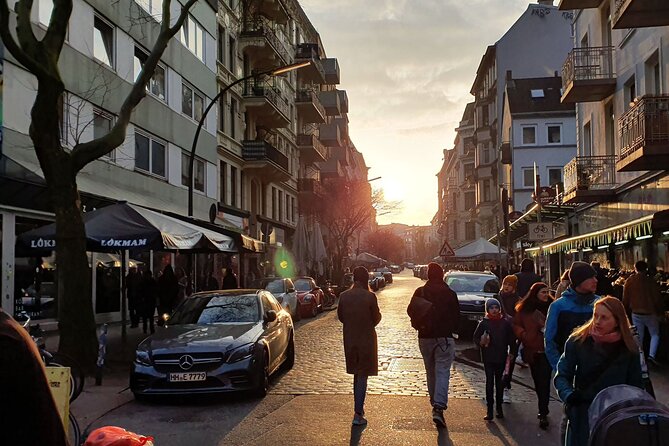
If street art is new to you, here’s what I’d focus on before you start:
- Pay attention to style shifts as you change neighborhoods. The tour route is built to show variety, not just repeat one kind of wall.
- Listen for the political and social context. When the guide explains inspiration, you’ll often see the same theme repeat in different forms.
- Bring a bit of curiosity. Even if you don’t love graffiti, you’ll probably appreciate how art becomes a public voice.
During the walk, don’t worry about trying to capture everything at once. You’ll get better results by choosing a few pieces to look at longer. The guide’s explanations will help you notice details like lettering choices, placement, and what the artist seems to be responding to in that area.
Finally, plan your post-tour time. Since the tour ends around Gänsemarkt, have a light plan ready—coffee, a museum, or just another wander—so the momentum doesn’t fade.
Should you book this Alternative Hamburg Street Art Tour?
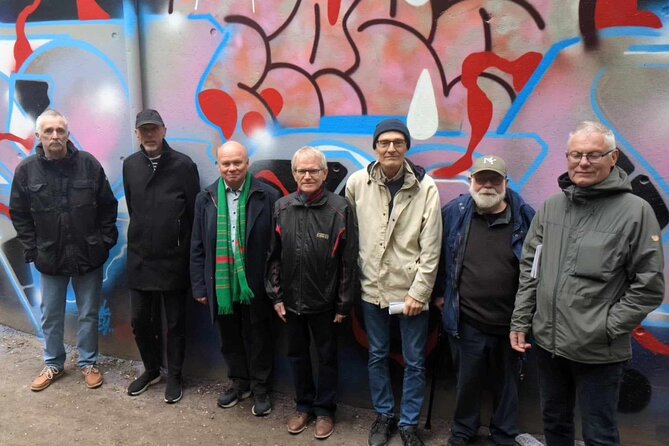
Book it if you want street art with context and you like walking through real neighborhoods. The best version of this tour is the one where you leave with a new way to read walls—how artists borrow styles, how tags and murals connect to subcultures, and how issues like gentrification can show up in the art.
Skip it (or downgrade your expectations) if you mainly want quick photos and you do not care why the art exists. At this price, the guided explanation is the product.
One last reason I’d lean yes: the guide feedback is strong across different names—Adrian, Teresa, and Tobi—and people repeatedly mention education, pace, and a meaningful new perspective. That’s what you want from a short, focused 2-hour tour in a city that moves fast.
FAQ
How long is the street art tour in Hamburg?
It runs for about 2 hours.
Where does the tour start and where does it end?
You start near Sternschanze S-Bahn station in Hamburg. The description says the tour concludes near Gänsemarkt metro/U-Bahn station around 3pm.
Which neighborhoods will you walk through?
You’ll cover Schanzenviertel and St. Pauli, moving from Sternschanze toward Sankt Pauli and then through Katoviertel toward the city centre.
What’s included in the price?
A guide is included. Transportation to and from the attractions is not included.
Does the tour run in bad weather?
Yes. It operates in all weather conditions, so you should dress appropriately.
What’s the group size?
The maximum is 15 people per booking. The activity is private, so only your group participates. Extra travellers can be booked for 15 euro per person.