REVIEW · TIRANA
Tirana: Street Art & Modern Architecture Walking Tour
Book on GetYourGuide →Operated by Tour Tirana · Bookable on GetYourGuide
Walls here talk back. On this Tirana street art and modern architecture walk, you connect murals and new facades to what the city is thinking right now. It’s an easy way to turn street corners into real meaning, with a local guide who explains the symbols you might otherwise skate past.
I love how the guide helps you read murals and graffiti like a message, not just decoration. I also like the balance: you get both street art and newer buildings, so Tirana’s change shows up in one continuous walk.
One catch: it’s a 2-hour outdoor experience, so weather can affect how comfortable you feel, and the Skanderbeg Square moment is short.
In This Review
- Key things I’d prioritize on this tour
- Starting at the Opera House steps: find your guide fast
- Skanderbeg Square photo stop: the quickest way to get the city’s context
- Murals and graffiti: how the guide helps you read the messages
- Tirana’s modern buildings: spotting change while you still walk the street
- Hidden side streets and photo strategy during a 2-hour walk
- Value for $14: what you’re really buying
- Who should book this tour (and who might skip it)
- Should you book Tirana’s Street Art & Modern Architecture walk?
- FAQ
- How long is the Tirana Street Art & Modern Architecture walking tour?
- What does it cost per person?
- Where do I meet the guide?
- Is the tour offered in English?
- Is the tour wheelchair accessible?
- Is there free cancellation and can I reserve without paying right away?
Key things I’d prioritize on this tour
- Skanderbeg Square photo framing: a quick guided stop that helps you understand what you’re seeing before you move into side streets.
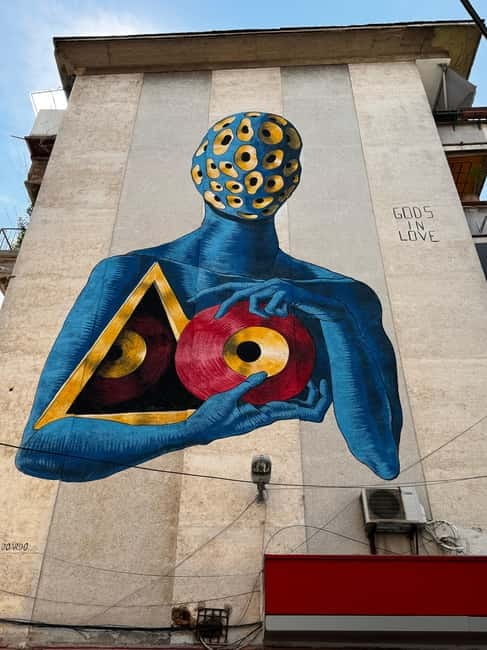
- Street art that’s explained, not just pointed at: you’ll get context for political statements and more playful illustrations on the walls.
- A practical mix of old and new: modern buildings appear alongside murals so you can compare eras in real time.
- Clear English and question time: guides communicate in English and invite questions, including ones about why certain images show up where they do.
- Designed for a focused 2-hour walk: enough time to spot details and take photos without turning it into a marathon.
Starting at the Opera House steps: find your guide fast
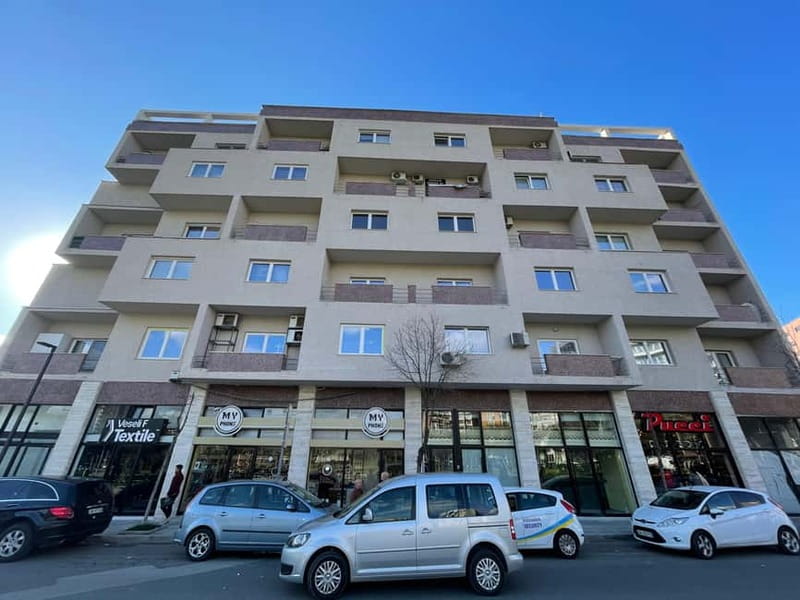
You meet your guide at the steps of the Opera House in Tirana city center. This matters more than it sounds. A solid meeting point means you spend less time hunting and more time looking up at the walls and buildings that make the tour worthwhile.
From there, the plan stays straightforward: you walk, you stop often enough to take photos, and you keep moving through the parts of the city where street art and modern architecture sit close together. This is the kind of tour where you learn better just by slowing down and paying attention.
If you’re hoping for a very structured, lecture-heavy format, this isn’t that. It’s still guided, but it feels like a thoughtful conversation on foot.
You can also read our reviews of more tours and experiences in Tirana.


Skanderbeg Square photo stop: the quickest way to get the city’s context
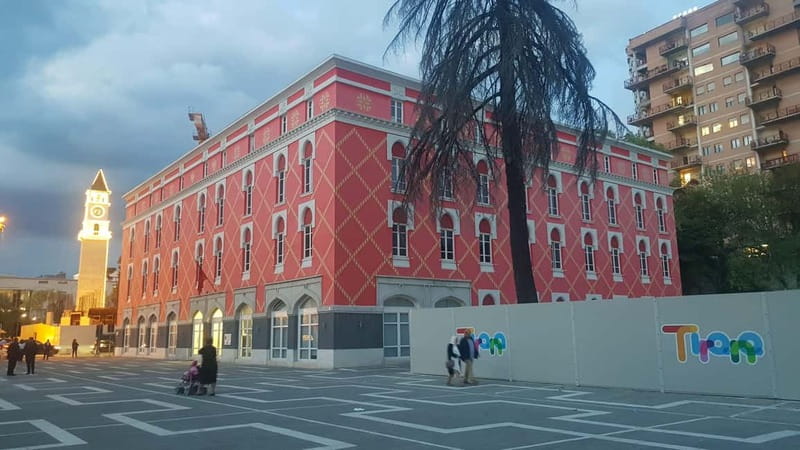
You’ll start with a short stop at Skanderbeg Square—about 10 minutes—built around a photo moment plus guided context. This is smart. Skanderbeg Square can look like just a big public space at first glance, but the guide uses it to give you a framework for what comes next in the smaller streets.
Think of this stop as your cheat code:
- You learn what to notice when you shift from open square space to tighter alleys.
- You pick up a sense of how Tirana layers newer identity over older narratives.
- You get ready to spot symbolism in murals that would look random if you weren’t primed.
Take a few photos here, yes—but also watch how people move. Public squares tend to make street art feel more serious, and modern buildings feel like part of the same story.
Murals and graffiti: how the guide helps you read the messages
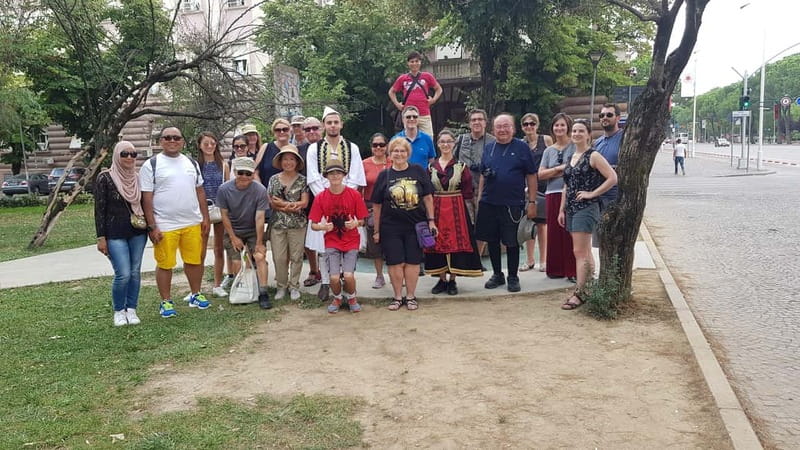
Once you move away from the square, the tour becomes a lesson in interpretation. You’ll wander busy neighborhoods and smaller lanes, spotting murals and graffiti that reflect Albania’s past and Tirana’s evolving identity.
The best part is that street art is treated like communication. The guide points out the “why,” not just the “what.” You’ll hear about:
- Political statements that echo Albania’s turbulent past
- Thought-provoking graffiti that connects art to contemporary social issues
- More playful or symbolic pieces, including whimsical illustrations tied to cultural heritage
This is where the tour earns its price. A good mural can look powerful, but the meaning often depends on references you don’t automatically know. The guide helps you connect the symbols to the broader city story.
Also, don’t rush your eyes. Street art can be layered—different styles, tags, and images in the same wall space. Your job on this walk is to notice patterns: repeated colors, recurring themes, and the difference between a mural meant to be read from a distance versus graffiti meant to be found up close.
If you’re the kind of person who likes asking questions, this tour plays well with that. One guide (K) stood out for being engaging and clearly able to explain how both street art and architecture developed into what you see today. Even if you’re not sure what you’re going to ask, you’ll likely leave with specific things you want to double-check.
Tirana’s modern buildings: spotting change while you still walk the street
The tour doesn’t treat modern architecture like a separate subject. You’ll see modern buildings as part of the same urban conversation as the murals—new structures and fresh designs sitting beside older walls and newer artwork.
What you’ll get from the architecture side isn’t just name-checking buildings. It’s learning how Tirana’s more recent development shows up in the streetscape:
- Newer facades can change how public space feels.
- Modern design choices influence where people gather and how they move.
- When a mural appears next to a new building, the contrast becomes the message.
This is especially helpful if you’ve already been in Tirana for a few days. I like taking these walks mid-trip because you start noticing details you previously missed. One person described taking the architecture/street art tour after three days in Tirana, then re-seeing things they’d walked past without really understanding. That pattern is common: once you learn a lens, you see more on your remaining days.
A practical tip: when you spot a new building, don’t just photograph it. Look at the street-level edges—stairs, entrances, balconies, blank walls. That’s often where artwork and visual messaging cluster.
Hidden side streets and photo strategy during a 2-hour walk
The “hidden streets” promise in the tour is really about getting you into those lesser-obvious lanes where street art becomes the main event. You’re not just crossing big roads; you’re getting the kind of walking experience where you turn corners and suddenly the wall across the street has a story.
Because the duration is 2 hours, the pacing stays intentional. You’ll see enough to build your understanding, and you won’t spend so long moving between distant sights that you lose momentum.
For photos, here’s how I’d play it:
- Start with the Skanderbeg Square shot to set the tone.
- Then switch to detail shots: faces, hands, symbols, lettering styles, and the way art interacts with windows or building edges.
- Leave a little time to step back and take one wider frame. Murals can look different when you include context.
If you care about documentation, keep an eye out for street signs while you’re walking. One guide-and-review combination led someone to hunt street signs for the rest of their trip. That’s a smart habit—street names and small urban details often show what a city prioritizes, and they help your photos make sense later.
Value for $14: what you’re really buying
At $14 per person for 2 hours, this is priced like a classic small-group walking experience with a local guide. The key value is that you’re paying for explanation—someone local, in English, helping you connect murals and modern buildings to the city’s larger identity.
It’s also useful to understand how paid and donation-style models can overlap. The tour information explains that others may join on a donation basis, and the donation people typically give can be similar to what you’re paying here. In practical terms: your payment supports the guide’s expertise and platform fees so the tour can stay organized and informative.
The high rating (around 4.9 from 31 reviews) also suggests consistency. The repeated theme is clear: the guide knowledge and the balance between architecture and street art work well for people who want meaning, not just a walk-by.
Is it worth it if you’re an art purist? Maybe not if you’re looking for museum-level depth. But for street-level understanding—why pieces exist, what they reference, and how they sit next to modern development—it’s strong value.
Who should book this tour (and who might skip it)
This tour fits best if you:
- Enjoy street art with context, not just photos
- Want to understand Tirana’s modern identity without needing a car or tickets
- Like walking and learning at the same time
It can feel like a good match if you’re staying a few days and want a lens you can reuse on your own. After one clear guide-led walk, you’ll likely notice murals and building details even when you’re not actively on a tour.
You might skip it if you prefer indoor sights, long sightseeing blocks, or highly technical architectural deep study. The format is designed for clarity within 2 hours, so it’s focused rather than exhaustive.
Should you book Tirana’s Street Art & Modern Architecture walk?
Yes—if you want to see Tirana with better eyes fast, this is a great move. The tour’s payoff is practical: you learn how to interpret murals, then you connect that interpretation to what you’re seeing in modern buildings. In other words, it gives you a way to understand the city instead of just collecting images.
Book it especially if:
- you’ve already walked Tirana some days and feel like you’re missing the story,
- you’re curious about how politics, memory, and culture show up on walls,
- you want a guided English experience with real local input.
If you’re unsure, do this: wear comfortable shoes, bring a charged phone for photos, and plan for the fact that it’s an outdoor walk in real weather. Then let the guide’s explanations do the heavy lifting. You’ll come away with details you can spot on your remaining days—without needing another ticketed activity.
FAQ
How long is the Tirana Street Art & Modern Architecture walking tour?
It lasts 2 hours.
What does it cost per person?
The price is $14 per person.
Where do I meet the guide?
You meet at the steps of the Opera House in Tirana city center.
Is the tour offered in English?
Yes, it’s a live tour guide in English.
Is the tour wheelchair accessible?
Yes, it is listed as wheelchair accessible.
Is there free cancellation and can I reserve without paying right away?
There is free cancellation up to 24 hours in advance for a full refund, and you can reserve now and pay later.