REVIEW · TORONTO
Toronto: Must Do NonTouristy Street Art Tour by local Artist
Book on GetYourGuide →Operated by Spade & Palacio Non-Touristy Tours · Bookable on GetYourGuide
Some tours show you art. This one teaches you how to read it.
I really like that this is led by a local street artist who can explain both technique and meaning without talking down to you. I also like the format: a small group stroll through the College West and Dundas West corridor, where you’re close enough to notice details most people miss.
You’ll get more than murals on walls. You’ll also walk through side streets that feel like an outdoor gallery, then leave with a practical list for what to eat, drink, and see next in Toronto. One heads-up: you’re doing a 2-hour walking tour with an active zigzag route, so you’ll want good shoes and the weather factor.
In This Review
- Key things I’d highlight before you book
- Dundas West and College West: Toronto’s art corridor you can read on foot
- Meet at 1430 Dundas St W: easy to find, not inside the bar
- The 2-hour street art route: what happens at each moment
- Stop by the Loveless corner to set the street-art lens
- Little Portugal edge: context without the tourist script
- Main viewing moments: from hidden installs to big wall work
- Final stops: more styles, more meaning, and a handoff to explore
- Techniques you’ll spot (and how the guide explains the why)
- Your guide: local artist Chloe and the street-artist style of teaching
- Food, bars, and more art: the cheat sheet you’ll actually use
- Price and value: $8 for 2 hours is a bargain if you like real local culture
- Who this tour is best for (and who might want a different plan)
- Should you book? My take on whether it fits your Toronto trip
- FAQ
- FAQ
- What is the duration of the Toronto street art tour?
- How much does the tour cost?
- Where does the tour meet?
- What neighborhood areas will the tour cover?
- What should I bring?
- What’s the group size?
- Is the tour in English?
- Can I cancel if my plans change?
Key things I’d highlight before you book
- Meet at the Loveless Café & Bar corner (1430 Dundas St W), right at the Gladstone/Dufferin intersection
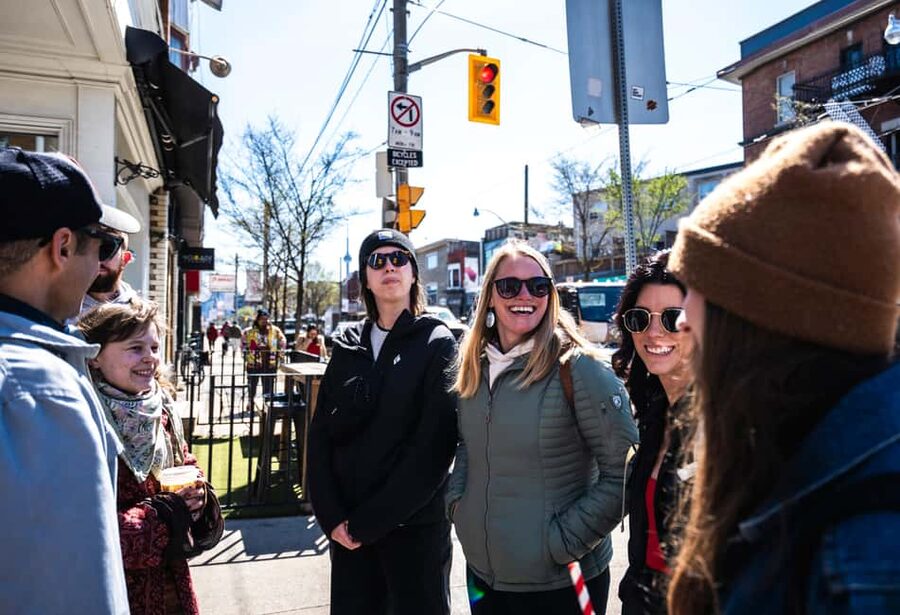
- Small group cap of 10, which makes questions actually land
- A guide-led route through Little Portugal and the Dundas West art corridor
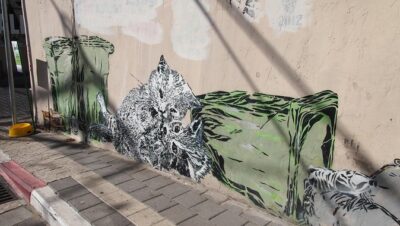
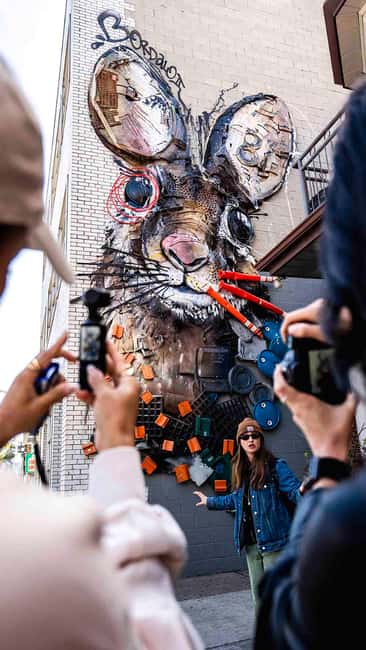
- Lots of styles in one walk: wheat pastes, yarn bombing, sticker art, classic paint, and graffiti
- Local artist context: why pieces look the way they do, not just what they look like
- A follow-up cheat sheet for restaurants, bars, and galleries (including tips people actually used)
Dundas West and College West: Toronto’s art corridor you can read on foot
Toronto has street art everywhere. But Dundas West, especially around College West and the Little Portugal edge, is where the art starts to feel like a connected conversation.
On this tour, you’re not just chasing a few famous walls. You’re learning how artists use the street itself—texture, surfaces, scale, and placement—to make meaning. That changes the way you look at everything after the walk, including pieces you pass later on your own.
You can also read our reviews of more tours and experiences in Toronto.

Meet at 1430 Dundas St W: easy to find, not inside the bar
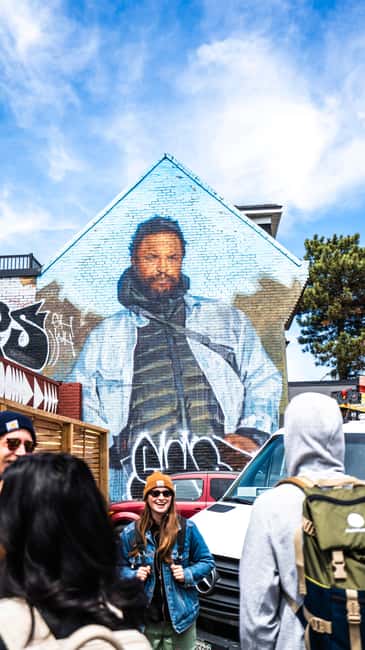
The tour starts at 1430 Dundas St W, in front of the Loveless Café & Bar, on the sidewalk at the Gladstone/Dufferin intersection (not inside the bar). The good news: you’re right by transit. The Dundas West streetcar stops right on the corner, so you can show up without stress.
If you’re coming via subway, take the Green line (2) Bloor–Danforth line to Dufferin station, then expect about a 12-minute walk. Either way, plan to arrive a few minutes early so you’re not doing the quick “where’s the sidewalk group?” shuffle.
One more practical detail: wear comfortable walking shoes. This is a walking tour through streets and alleys, and your camera will come out more than once.
The 2-hour street art route: what happens at each moment
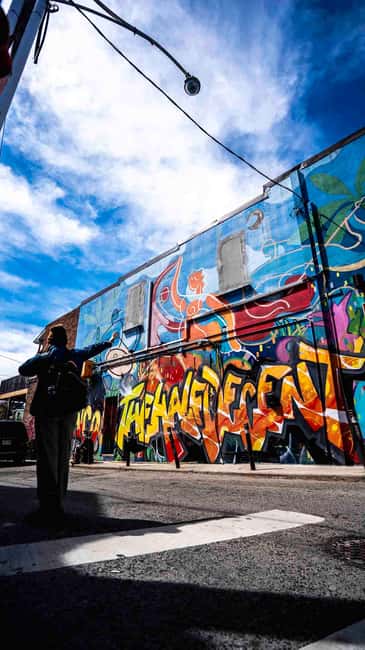
The tour runs about 2 hours, and it’s built like a zigzag through the neighborhood. You’ll get a mix of quick stops and short walks, so you’re never stuck staring at one wall for too long.
Here’s how the flow generally feels from start to finish:
Stop by the Loveless corner to set the street-art lens
You begin with your first look right near the intersection area. This is where your guide typically gets you thinking like an artist: surface choice, how visibility works from the sidewalk, and why some pieces feel like they’re talking to the neighborhood.
This first phase is also useful because it helps you slow down. After a few minutes, you start noticing edges, layers, and small details you’d otherwise walk right past.
Little Portugal edge: context without the tourist script
Next you move into the Little Portugal side of the route, with time built in for both walking and viewing. This part matters because it helps you place the art in a real neighborhood setting, not a museum vacuum.
You’ll see how different styles can coexist on the same blocks. That contrast is part of the point—some pieces are quick and graphic, while others look more planned and layered.
Main viewing moments: from hidden installs to big wall work
The midsection is where the tour starts to feel like an outdoor gallery you can’t stop scanning. You’ll spend time at multiple viewing spots, including smaller installations and larger mural-style works.
The best part is that you’ll learn what you’re looking at: whether it’s wheat paste work, yarn bombing, sticker art, or a more classic paint approach. Your guide also ties choices back to technique—how a piece lasts, how it catches attention, and why it’s placed where it’s placed.
Final stops: more styles, more meaning, and a handoff to explore
The last stretch blends another viewing stop with more walking so you can catch the “between the murals” views—alley corners, side facades, and the kinds of spots people usually skip.
You end with the neighborhood feeling like it belongs to you. Then you get your recommendations list for what to do next, so you’re not stuck Googling while you’re tired and hungry.
Techniques you’ll spot (and how the guide explains the why)
What makes this tour click is the focus on how street art gets made and why it exists in public space. You’re shown multiple styles, not one lane of graffiti-only or mural-only.
Here are the specific styles you’ll run into:
- Wheat pastes: often graphic, often fast, and designed for strong visual impact
- Yarn bombing: texture and softness that makes a block feel more playful
- Sticker art: small-scale signals that can pop up like messages
- Classic paint and graffiti techniques: the “bigger statement” side of the scene
Your guide uses the neighborhood as an example for how artists think about message, materials, and audience. You’ll also hear about how this corridor developed through a mix of municipal and non-profit involvement, private sponsorships, and guerrilla art energy.
That mix matters. It explains why you can see everything from tightly organized mural culture to more spontaneous, street-level expression, sometimes within a few blocks of each other.
Your guide: local artist Chloe and the street-artist style of teaching
The guide name that comes up again and again is Chloe. People highlight her as both a strong artist and a patient host who’s happy to answer questions.
You’ll feel that during the walk. Instead of rushing, Chloe-style tours tend to slow down when something catches your eye, and you learn the vocabulary behind what you see—so murals don’t just become pictures. They become decisions.
A few specific details from the experience that stand out in the feedback:
- Her tour has a real “learn the lingo” vibe, so you understand terms and choices as you go.
- The explanations help you look at street art more closely afterward.
- There’s a friendly, human pacing—late arrivals and extra questions don’t feel like a problem.
Food, bars, and more art: the cheat sheet you’ll actually use
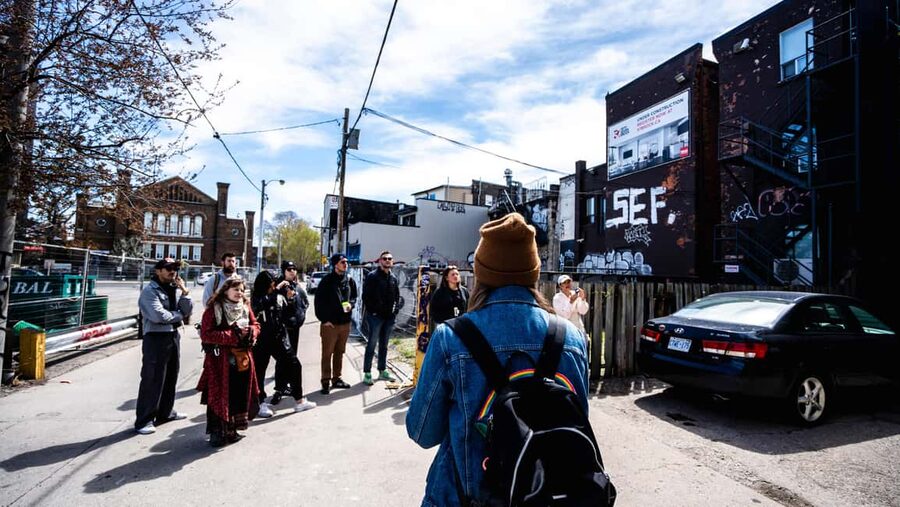
A lot of tours hand you a generic list. This one comes with recommendations for restaurants, bars, and galleries so you can extend the day in the same neighborhood rhythm.
One nice bonus: some people specifically say they used the list right away. For example, Martines shows up as a place recommended on the sheet, and at least one visitor ate there and loved it. That’s a good sign. It usually means the recommendations match real tastes, not just “nearby and open.”
Even if you plan to stay central, you’ll like having a short, practical set of options. It’s especially helpful when street art photos leave you hungry and you don’t want to scroll through menus on low battery.
Price and value: $8 for 2 hours is a bargain if you like real local culture
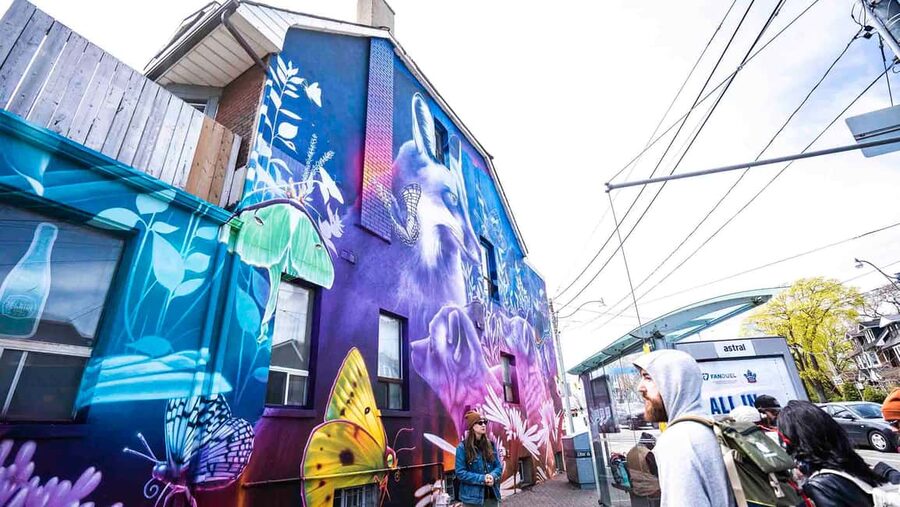
At $8 per person for a 2-hour walking tour, the value is hard to beat. You’re paying for time, local access, and guidance by a working street artist—not just a prerecorded map.
Is it a “cheap thrill” kind of deal? Not really. The pricing suggests the goal is getting people outside, showing you how the scene works, and giving you tools to keep exploring after.
If you’re the type who looks closely at wall texture, lettering, wheat paste edges, and layers of paint, you’ll feel like you’re getting more than your money’s worth. If you only want a quick photo stop, you might find it a bit too educational.
Who this tour is best for (and who might want a different plan)
This tour is ideal if you want to see Toronto through a local lens. It’s also a solid pick if you’ve already done the main sights and you want a neighborhood that feels like it’s happening right now.
It’s especially good for:
- Anyone who enjoys street art and wants to understand technique
- Visitors who like walking but want guidance so they don’t miss the meaning
- People who appreciate restaurant and gallery suggestions that don’t feel random
One consideration: it’s a walking tour. You’ll need comfortable shoes, and hot weather can be a factor, so bring water in summer. In winter, dress like a real Canadian, meaning warm layers and gear for cold wind.
Also note the information you’re given about mobility isn’t perfectly consistent. The tour is described as wheelchair accessible, but it’s also marked not suitable for wheelchair users and people with mobility impairments. If mobility matters for you, I’d contact the operator directly before booking so you’re not guessing.
Should you book? My take on whether it fits your Toronto trip
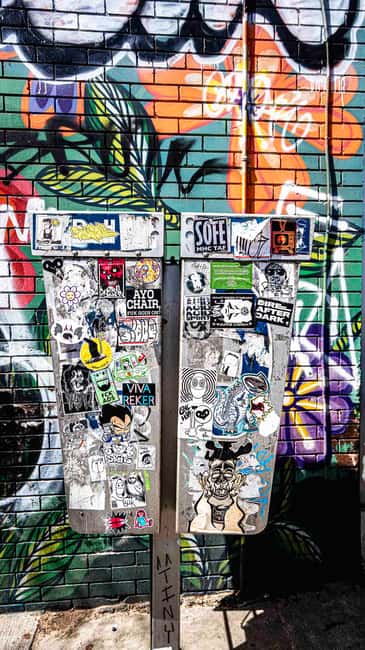
If your idea of a great Toronto day includes walking, looking closely, and learning why art shows up in certain places, I’d say book it. The small group size and the local-artist teaching style make it feel personal without turning it into a boring lecture.
I’d skip it only if you want a mostly photo-based experience with zero explanation. This walk works best when you’re curious, ready to ask questions, and willing to spend two hours paying attention to details.
FAQ
FAQ
What is the duration of the Toronto street art tour?
The tour lasts 2 hours.
How much does the tour cost?
The price is $8 per person.
Where does the tour meet?
Meet in front of 1430 Dundas St W, in front of Loveless Café & Bar, on the sidewalk at the Gladstone/Dufferin intersection.
What neighborhood areas will the tour cover?
You’ll walk through the College West and Dundas West area, including the edge of Little Portugal.
What should I bring?
Bring comfortable walking shoes and a camera. In summer, bring water, since it can get hot.
What’s the group size?
The tour is a small group limited to 10 participants.
Is the tour in English?
Yes, the live tour guide runs in English.
Can I cancel if my plans change?
The tour offers free cancellation up to 24 hours in advance for a full refund.